


 Українська
  English (UK)
  Русский
  বাংলা
বাংলা  العربية
  日本語
日本語  한국어
한국어  Magyar
  Norsk nynorsk
  Türkçe
  עִבְרִית
  Español
  Čeština
  Svenska
  Português
  Ελληνικά
  Suomi
Suomi  Nederlands
  Română
  Italiano
  Français
  Polski
  Deutsch
  简体中文
简体中文  Slovenčina
  Српски језик
  اردو
اردو  Azərbaycan dili
  O‘zbekcha
  አማርኛ
አማርኛ 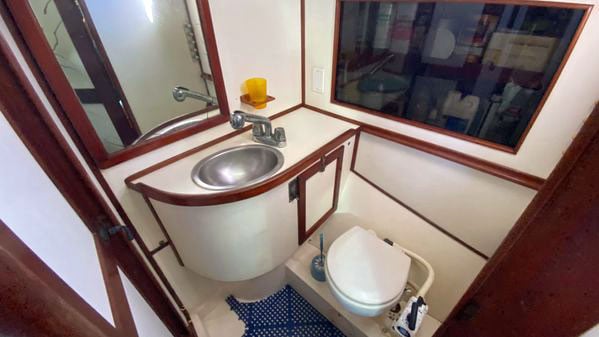 Essential Maintenance Guide for Boat Toilets and Cruise Comfort">

For any marine sanitation system installed below the waterline, fitting anti-syphon valves on both the inlet and discharge runs is non-negotiable to prevent a siphon-induced flood; ports increasingly expect compliant plumbing and readily available pump-out arrangements under MARPOL-style rules, which directly affects voyage planning and turnaround times for charter vessels.
The common marine toilet systems: a quick overview
| System | How it works | Pros | Cons |
|---|---|---|---|
| Manual pump | Piston or diaphragm pump draws seawater and evacuates contents. | Simple, reliable, repairable at sea. | Risk of siphon if below waterline; physically demanding. |
| Electric macerator | Macerates waste and pumps it overboard or to holding tank. | Less effort, faster; good for larger boats. | Power-dependent; impeller clog risk. |
| Vacuum toilet | Uses vacuum pressure to evacuate bowl contents to tank. | Very efficient, low water usage. | Complex, needs careful sealing and maintenance. |
| Portable/holding tank | Onboard black water tank with pump-out or service station emptying. | Compliant in sensitive waters; flexible disposal. | Requires tank management and access to pump-out facilities. |
Manually pumped heads: installation and the siphon hazard
The traditional manually pumped head remains the workhorse for many cruisers because it is easy to maintain offshore. However, when the bowl or discharge pipe sits below the waterline, a continuous siphon can form that will draw seawater into the hull unless the system includes a properly set anti-siphon valve. In many flag administrations this is treated as a safety obligation rather than an optional fitting.
Key installation tips
- Run inlet and discharge hoses with upward loops and low points accessible for inspection.
- Fit anti-siphon valves on both sea inlet and overboard discharge lines where they exit below the waterline.
- Use hose clips rated for marine use and replace soft hoses every few years.
- Locate the pump where it can be serviced without removing major bits of furniture.
- Label service shut-offs and ensure spare parts (seals, bellows) are carried on passage.
Maintenance checklist for trouble-free heads
A regular regime prevents most unpleasant incidents. Monthly checks during the season, and a thorough winterisation routine, keep systems in the green.
- Inspect hoses for chafing, bulges and soft spots; replace if age or UV damage is evident.
- Check seacocks and anti-siphon valves for free movement and signs of salt crystallisation.
- Service pump seals and diaphragms every season or at the first sign of leaks.
- Flush holding tanks and use only marine-safe chemicals to reduce odour and tank corrosion.
- Test electric macerators under load; carry an inline isolator switch and fuses.
Common problems and quick fixes
- Smell: Flush and treat tanks; inspect vent lines and replace faulty vent valves.
- Slow pump: Clean macerator impeller; check for foreign bodies and worn impeller.
- Constant water intake: Inspect anti-siphon valves and seacocks; fit a new break in the run.
- Leaking bowl base: Tighten mounting bolts, renew gaskets, or replace cracked components.
Tools, spares and documentation to carry
| Item | Why it matters |
|---|---|
| Spare pump diaphragms and seals | Most common at-sea repair parts. |
| Anti-syphon valve | Immediate replacement stops flooding risk. |
| Hose clips and spare hose | Quick fix for burst or chafed runs. |
| Service manual and schematic | Speeds up troubleshooting and ensures correct parts. |
How head care influences cruising comfort and tourism
On charter yachts and passenger-facing vessels, a dependable and odour-free head directly impacts guest satisfaction and a company’s reputation. A single negative experience can ripple through reviews and affect bookings, whilst ports enforce sanitation rules that can delay turnaround and add costs.
Regular maintenance also enables operators to promote safe, sustainable cruising—an advantage for those selling вечірки на яхтах, круїзні пакети or exclusive charters. Experienced sailors and authors such as Dick McClary stress that simple preventative measures are far preferable to emergency repairs in crowded anchorages.
At a glance: the essentials are routine inspection, correct installation below the waterline, and carrying spares and documentation. Even the best reviews and most honest feedback can’t replace personal experience. On GetExperience, you book your experience from verified providers at reasonable prices. This empowers you to make the most informed decision without unnecessary expenses or disappointments—benefiting from secure payments with voucher confirmation and the option to request tailored services that match your trip needs. Book your Trip GetExperience.com
Summary: Proper head maintenance prevents leaks, odours and regulatory headaches, safeguards buoyancy through anti-siphon measures, and preserves guest comfort—key points for anyone organising travel experiences or running charter operations. Whether you’re preparing for adventure activities or offering luxury adventure travel experiences, keeping the sanitation system shipshape supports everything from yacht parties and exclusive yacht charters for events to eco-friendly wildlife safaris and cruise packages. Combine routine checks with the right spare parts and manuals, and you’ll be ready for museum tours with live guides, online virtual tours, interactive online cultural workshops, or even beginner esports coaching sessions and professional esports training programs onshore. This careful preparation makes adventure rafting trips for beginners, safari tours and other travel experiences more enjoyable and reliable for everyone.