


 Norsk nynorsk
  English (UK)
  Русский
  বাংলা
বাংলা  العربية
  日本語
日本語  한국어
한국어  Magyar
  Türkçe
  עִבְרִית
  Español
  Čeština
  Svenska
  Português
  Ελληνικά
  Suomi
Suomi  Nederlands
  Română
  Italiano
  Français
  Polski
  Українська
  Deutsch
  简体中文
简体中文  Slovenčina
  Српски језик
  اردو
اردو  Azərbaycan dili
  O‘zbekcha
  አማርኛ
አማርኛ 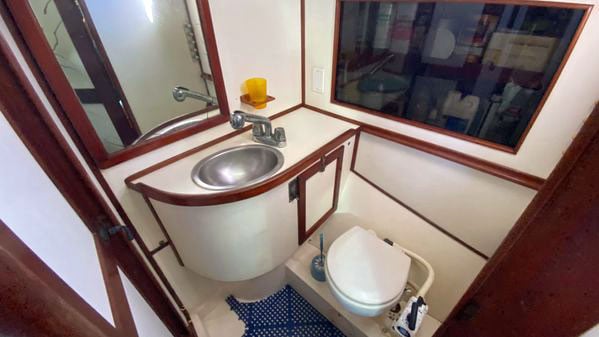 ꯑꯋꯥꯡꯕ ꯊꯥꯖꯕꯒꯤ ꯂꯝꯕꯤꯗ ꯌꯧꯅꯕ ꯈꯣꯡꯆꯠꯀꯤ ꯃꯔꯨ ꯑꯣꯏꯕ ꯃꯇꯦꯡ ꯄꯥꯡꯕ ꯄꯨꯀꯜ ꯎꯄꯥꯜ ꯑꯃꯁꯨꯡ ꯂꯝꯀꯣꯏꯕꯒꯤ ꯅꯨꯡꯉꯥꯏꯕ">

For any marine sanitation system installed below the waterline, fitting anti-siphon valves on both inlet and discharge runs is non-negotiable to prevent a siphon-induced flood; ports increasingly expect compliant plumbing and readily available pump-out arrangements under MARPOL-style rules, which directly affects voyage planning and turnaround times for charter vessels.
The common marine head systems: a quick overview
| စနစ် | භාවිතා කරන ආකාරය | Pros | Cons |
|---|---|---|---|
| Manual pump | Piston or diaphragm pump draws sea water and evacuates contents. | Simple, reliable, repairable at sea. | Risk of siphon if below waterline; physically demanding. |
| Electric macerator | Macerates waste and pumps it overboard or to holding tank. | Less effort, faster; good for larger boats. | Power-dependent; impeller clog risk. |
| Vacuum toilet | Uses vacuum pressure to evacuate bowl contents to tank. | Very efficient, small water usage. | Complex, needs careful sealing and maintenance. |
| Portable / holding tank | Onboard blackwater tank with pump-out or service station emptying. | Compliant in sensitive waters; flexible disposal. | Requires tank management and access to pump-out facilities. |
Manually pumped heads: installation and the siphon hazard
The traditional manually pumped head remains the workhorse for many cruisers because it is easy to maintain offshore. However, when the bowl or discharge pipe sits below the waterline, a continuous siphon can form that will draw seawater into the hull unless the system includes a properly set anti-siphon valve. In many flag administrations this is treated as a safety obligation rather than an optional fitting.
Key installation tips
- Run inlet and discharge hoses with upward loops and low points accessible for inspection.
- Fit anti-siphon valves on both sea inlet and overboard discharge lines where they exit below the waterline.
- Use hose clamps rated for marine use and replace soft hoses every few years.
- Locate the pump where it can be serviced without removing major furniture.
- Label service shutoffs and ensure spare parts (seals, bellows) are carried on passage.
Maintenance checklist for trouble-free heads
A regular regime prevents most unpleasant incidents. Monthly checks during the season, and a thorough winterization routine, keep systems in the green.
- Inspect hoses for chafe, bulges and soft spots; replace if age or UV damage is evident.
- Check seacocks and anti-siphon valves for free movement and signs of salt crystallization.
- Service pump seals and diaphragms every season or at the first sign of leaks.
- Flush holding tanks and use only marine-safe chemicals to reduce odour and tank corrosion.
- Test electric macerators under load; carry an inline isolation switch and fuses.
Common problems and quick fixes
- Smell: Flush and treat tanks; inspect vent lines and replace faulty vent valves.
- Slow pump: Clean macerator impeller; check for foreign objects and worn impeller.
- Continuous intake of water: Inspect anti-siphon valves and seacocks; fit a new break in the run.
- Leaking bowl base: Tighten mounting bolts, renew gaskets, or replace cracked components.
Tools, spares and documentation to carry
| Ihe | Why it matters |
|---|---|
| Spare pump diaphragms and seals | Mmeŋ gbegbɔ̃ŋlɔŋ yɛ tɔdziŋgban dzi tɔŋ gbɔ̃ŋlɔŋ yɛ. |
| Ànti-siphone gbọ̀ngbọ̀n | Áwọn ìrọ́pò kánjúkánjú dẹ́kun ewu ìkún omi. |
| Hosenschellen a Ersatzschlauch | Lọ́jojú àtúnṣe fún kíkún tàbí ṣíṣán ṣiṣe. |
| Iwe ọrụ na eserese sekit | Хăвăртрах сиенсене тупса тӳрлетме тата тĕрĕс пайсем лартма пулăшать. |
Ọ̀rún tító́ ṣe le mú ìtura ìrìn àjò ojú omi àti ìgbésẹ̀ ìṣèbẹ̀wò alárìíndípọ̀n sunwọ̀n síi
Mélɔŋlɔŋ si gbɔŋ ŋu kakaɖedzi le eye nuɖuɖu mele o kpata gbɔŋŋlɔŋɖeŋu eŋutiŋlɔgbɔŋ gbɔŋ agblɔŋ sia gbɔŋŋ yɔŋ gbɔŋŋlɔŋɖeŋu eŋutiŋlɔgbɔŋ ƒe ŋlɔlɔŋ ŋu gbɔŋ agblɔŋŋlɔŋ ɖeŋu gbɔŋŋlɔŋɖeŋu eŋutiŋlɔgbɔŋŋlɔŋŋ bubu ŋu, gbɔŋŋ agblɔŋŋlɔŋ ɖeŋuŋlɔŋ ŋu, gbɔŋ dzi gbɔŋŋlɔŋ eŋleŋ, gbɔŋŋ gbɔŋ yɛŋ gbɔŋ gbɔŋ agbɔŋ ɖe ŋlɔŋ.
Nnɔŋgban kpakpam gbɔŋ gbɔŋ daxuŋlɔŋ gbɔŋ gbɔŋ zɔŋlɔŋ, gbɔŋgbɔŋ ɖeɖeɖeŋu-ŋlɔŋ gbɔŋ, gbɔŋ, gbɔŋɖeɖeŋu nuŋlɔŋ. yacht parties, cruise packages malunnaasi abalenzi oba okukozesa ebyombo by'entambula ebyenjawulo. Abalunnyanja abamanyi ennyo n'abawandiisi nga Dick McClary mujimụ anyịgbu onwe onye na-egosi na usoro mgbochi dị mfe dị mma karịa ndozi mberede n'ọdụ ụgbọ mmiri jupụtara na mmadụ.
Kpaŋ kpaŋ: gbɛ̃ kpɛŋgbɛ̃n, kununŋgbɔŋ din kununŋgbɔŋ, n pɔnŋ kpoŋ ŋlɔŋgbɔŋ. Gbɔŋ kpolɔŋ kpolɔŋ pɔŋ nɔŋŋ n nɔŋ kplim, piili gbɔŋ nɔŋ. Gbɔŋ gbɔŋŋ, a li pɔŋgbɔŋ nɔŋ nɔŋ kpaŋŋ. A li nɛŋ pɔŋŋ pɔŋ gbɛŋ kpaŋŋ nɔŋ, a li miŋ gbɛŋŋ gbɛŋ nɔŋ, a li gbɛŋ kpaŋŋ nɔŋ. Kpaŋ gbɔŋŋ GetExperience.com
Ọ̀jọ̀gbọ́n títójú orí ń dènà ìtújáde, òórùn àti ìrora àwọn olóṣèlú, ó ń ṣọ́ àìlẹ́ru nípasẹ̀ àwọn ìgbésẹ̀ àtiẹ̀sí-síìfon, ó sì ń tọ́jú ìtùnú àwọn àlejò—àwọn kókó pàtàkì fún ẹnikẹ́ni tó ń ṣètò ìrìn-àjò tàbí tó ń ṣiṣẹ́ ìgbẹ́wàá. Yálà o ń gbára dì fún àwọn eré ìdárayá tàbí o ń fi àwọn ìrìn-àjò àgbàyanu onílúùrú hàn, pípa ètò ìlera mọ́ tó péye ń ṣe ìtìlẹ́yìn fún gbogbo nǹkan láti ọ̀dọ̀ àwọn àjọyọ̀ ọkọ̀ ojú omi àti ìgbẹ́wàá ọkọ̀ ojú omi àkànṣe fún àwọn ìṣẹ̀lẹ̀ dé àwọn ìrìn-àjò eranko tí kò léwu àti àwọn èròjà ìrìn lójú omi. Dàpọ̀ mọ́ àwọn àyẹ̀wò tí wọ́n ń ṣe déédé pẹ̀lú àwọn ẹ̀yà àfikún àtètèkọ́ àti àwọn ìwé ìtọ́ni, wàá sì múra tán fún àwọn ìrìn-àjò nílé ìkóhun-ìṣẹ̀ǹbáyé-pamọ́ pẹ̀lú àwọn olùdarí tó wà láàyè, àwọn ìrìn-àjò fún àwọn olúwo ní orí Íńtánẹ́ẹ̀tì, àwọn ìdánilẹ́kọ̀ọ́ àṣà lórí Íńtánẹ́ẹ̀tì, tàbí àwọn ìdánilẹ́kọ̀ọ́ eré ìje fún àwọn àgbàábẹ̀rẹ̀ àti àwọn ètò ìdánilẹ́kọ̀ọ́ eré ìje ọ̀jọ̀gbọ́n lórí ilẹ̀. Ìmúrasílẹ̀ fínnífínní yìí ń mú kí àwọn ìrìn-àjò eré-kí-ń-gùn-ọkọ̀-lórí-omi fún àwọn àgbàábẹ̀rẹ̀, àwọn ìrìn-àjò sáfárì àti àwọn ìrírí Ìrìn-àjò mìíràn dùn ju ti tẹ́lẹ̀ lọ, wọ́n sì ṣeé gbára lé fún gbogbo ènìyàn.