


 Українська
  English (UK)
  Русский
  বাংলা
বাংলা  العربية
  日本語
日本語  한국어
한국어  Magyar
  Norsk nynorsk
  Türkçe
  עִבְרִית
  Español
  Čeština
  Svenska
  Português
  Ελληνικά
  Suomi
Suomi  Nederlands
  Română
  Italiano
  Français
  Polski
  Deutsch
  简体中文
简体中文  Slovenčina
  Српски језик
  اردو
اردو  Azərbaycan dili
  O‘zbekcha
  አማርኛ
አማርኛ 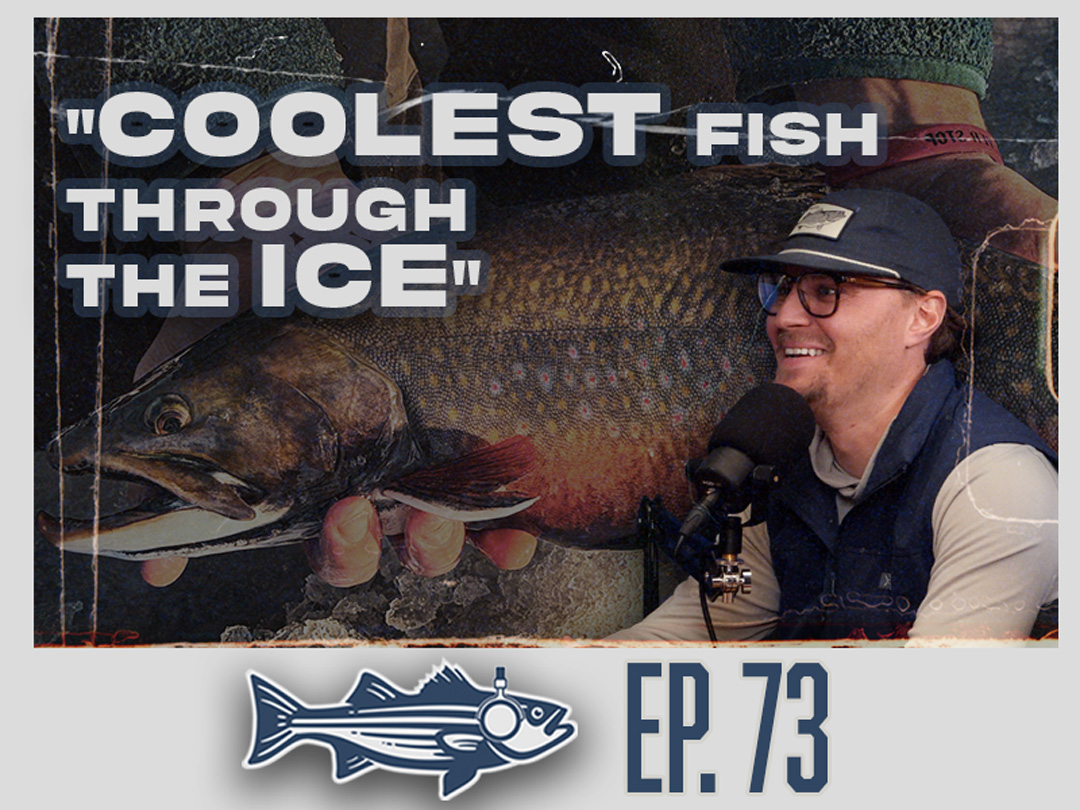 Practical Ice Fishing Tips, Safety, and Local Traditions in Maine's Winter Lakes">

Ice safety, access logistics and seasonal windows at a glance
Safe ice thickness thresholds used by Maine anglers remain the operational baseline for vehicle access: 4 inches for a single person on foot, 6 inches for a quad bike, and 12 inches for a car or truck. Access roads to lakes like Moosehead are often unploughed county tracks; plan for snow-capable vehicles, chains, and the possibility of parking at staging areas and walking the last few hundred metres. Tools such as spud bars, ice picks, and a set of ice cleats are treated as essential cargo on every trip.
Techniques, technology, and why logistics matter
Modern ice fishing blends traditional passive setups with electronics-driven mobility. Anglers combine tip-ups and traps with active methods like jigging and forward-facing sonar (LiveScope). The logistics of a trip — how many holes to drill, how far to tow gear, where to pitch a tent over a sight hole — are governed by both the ice quality and the chosen technique. For example, creating a large sight hole (~6×4 feet) requires an ice saw, tent, and clear marking to prevent accidental falls, while LiveScope-equipped setups need power packs and a stable platform for accurate imaging.
Transport considerations for gear and groups
- Trailer setups: factor in ramp space, tyre pressure for cold-weather towing, and secure tie-downs for ice shelters and fish houses.
- ATV versus truck: choose based on ice thickness; ATVs allow closer staging but require stricter ice checks.
- Local bait and supply logistics: many Maine bait shops operate on an honour system with varied live-bait sizes — carry backups in case a remote shop has limited stock.
Species, behaviour, and presentation
Maine's cold-water fisheries favour brook trout, splake, lake trout, and, in some coastal and brackish systems, white perch. Fish behaviour under ice often deviates from open-water habits: many trout prefer dead-stick bait (motionless presentation) during bite windows, whilst bass and pike will respond to more aggressive action.
| Species | Нотатки |
| Brook Trout | Native and stocked; prized for fight and colour, especially at Moosehead Lake during spawn season. |
| Smallmouth Bass | Aggressive fighters; liked by anglers who favour active jigging. |
| Lake Trout | Deep-water targets requiring electronics and vertical presentation. |
| Splake | Hybrid popular in Maine; blends traits of brook and lake trout. |
| White Perch | Brackish-to-freshwater species; often preferred in taste tests. |
Sight-hole tactics and safe setup
Seeing fish in real time changes the decision tree for bait and lure choice. Sight holes require stoutly marked perimeters and, where possible, signalling to other users. Many anglers import specialised ice saws (notably those designed in Sweden) for rapid, straight cuts; wherever sight holes are used, cover and signage protect both people and dogs.
Regional traditions, social logistics and tourism impact
Maine's ice-fishing culture blends multi-generational trap-and-tip-up stations with modern, electronics-driven “run-and-gun” days. For tourism, that mix creates a broad appeal: families often seek the slower, communal experience while thrill-seeking anglers book guided trips for LiveScope-led probing of deep structure. Local economies benefit from lodging stays, bait-shop purchases, and guide fees during freeze periods; this seasonal demand makes accurate ice-condition updates and reliable transport options crucial for tour operators.
Typical multi-day itinerary
| День | Activity / Outcome |
| День 1 | Staging and reconnaissance; drill holes; locate productive structure. |
| День 2 | Use Navionics and LiveScope to home in on fish; combine dead-stick and jigging tactics. |
| Subsequent Days | Exploit bite windows (morning and late afternoon); experiment with sight-hole observation. |
Core terms every traveller should know
| Term | Definition |
| Tip-up | Device that signals when a fish takes bait under an ice hole. |
| Jigging | Active lure movement to entice takes. |
| LiveScope | Forward-facing sonar giving real-time imagery of fish and structure. |
| Dead-stick bait | Still presentation for fussy fish. |
Highlights and why a personal trip matters
Ice fishing rewards patience, local knowledge, and the right logistics: reading ice quality, choosing the correct transport, and matching presentation to species. The social element — friends and family gathered over tip-ups or inside a heated shelter — often outweighs the size of the catch. Still, the best reviews and most honest feedback can’t replace firsthand experience. On GetExperience, you book your experience from verified providers at reasonable prices. This empowers you to make the most informed decision without unnecessary expenses or disappointments; enjoy convenience, affordability, and a wide range of additional options. Book your Trip GetExperience.com
To wrap up, organised trips that factor in transport logistics, ice safety, and gear choices make ice fishing accessible for travellers and locals alike. Whether you pursue museum tours with live guides between angling days, book eco-friendly wildlife safaris nearby, sign up for beginner esports coaching sessions after a long day, or arrange exclusive yacht charters for events in warmer seasons, the winter angler’s checklist — respect for ice, smart gear, and local knowledge — applies. Ice fishing mixes tradition and tech, rewarding those who prepare and enjoy the full spectrum of travel experiences, adventure activities, cruise packages, and luxury adventure travel experiences on offer.