


 한국어
한국어  English (UK)
  Русский
  বাংলা
বাংলা  العربية
  日本語
日本語  Magyar
  Norsk nynorsk
  Türkçe
  עִבְרִית
  Español
  Čeština
  Svenska
  Português
  Ελληνικά
  Suomi
Suomi  Nederlands
  Română
  Italiano
  Français
  Polski
  Українська
  Deutsch
  简体中文
简体中文  Slovenčina
  Српски језик
  اردو
اردو  Azərbaycan dili
  O‘zbekcha
  አማርኛ
አማርኛ 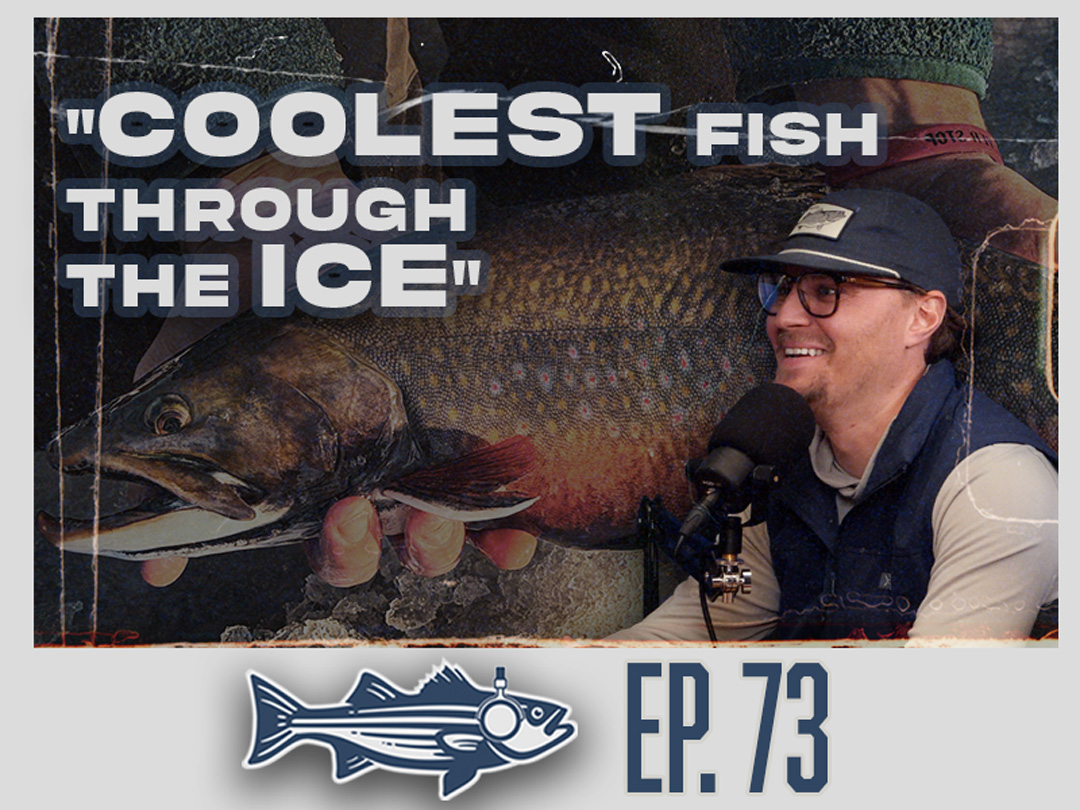 Practical Ice Fishing Tips, Safety, and Local Traditions in Maine’s Winter Lakes">

Ice safety, access logistics, and seasonal windows at a glance
Safe ice thickness thresholds used by Maine anglers remain the operational baseline for vehicle access: 4 inches for a single person on foot, 6 inches for an ATV, and 12 inches for a car or truck. Access roads to lakes like Moosehead are often unplowed county tracks; plan for snow-capable vehicles, chains, and the possibility of parking at staging areas and walking the last few hundred meters. Tools such as spud bars, ice picks, and a set of ice cleats are treated as essential cargo on every trip.
Techniques, technology, and why logistics matter
Modern ice fishing blends traditional passive setups with electronics-driven mobility. Anglers combine tip-ups and traps with active methods like 지깅 and forward-facing sonar (LiveScope). The logistics of a trip — how many holes to drill, how far to tow gear, where to pitch a tent over a sight hole — are governed by both the ice quality and the chosen technique. For example, creating a large sight hole (~6×4 feet) requires an ice saw, tent, and clear marking to prevent accidental falls, while LiveScope-equipped setups need power packs and a stable platform for accurate imaging.
Transport considerations for gear and groups
- Trailer setups: factor in ramp space, tire pressure for cold-weather towing, and secure tie-downs for ice shelters and fish houses.
- ATV vs truck: choose based on ice thickness; ATVs allow closer staging but require stricter ice checks.
- Local bait and supply logistics: many Maine bait shops operate on an honor system with varied live-bait sizes — carry backups in case a remote shop has limited stock.
Species, behavior, and presentation
Maine’s cold-water fisheries favor brook trout, splake, lake trout, and, in some coastal and brackish systems, white perch. Fish behavior under ice often deviates from open-water habits: many trout prefer dead-stick bait (motionless presentation) during bite windows, while bass and pike will respond to more aggressive action.
| 종(種) | 메모 |
| Brook Trout | Native and stocked; prized for fight and color, especially at Moosehead Lake during spawn season. |
| Smallmouth Bass | Aggressive fighters; liked by anglers who favor active jigging. |
| Lake Trout | Deep-water targets requiring electronics and vertical presentation. |
| Splake | Hybrid popular in Maine; blends traits of brook and lake trout. |
| White Perch | Brackish-to-freshwater species; often preferred in taste tests. |
Sight-hole tactics and safe setup
Seeing fish in real time changes the decision tree for bait and lure choice. Sight holes require stoutly marked perimeters and, where possible, signaling to other users. Many anglers import specialized ice saws (notably those designed in Sweden) for rapid, straight cuts; wherever sight holes are used, cover and signage protect both people and dogs.
Regional traditions, social logistics, and tourism impact
Maine’s ice-fishing culture mixes multi-generational trap-and-tip-up stations with modern electronics-driven “run-and-gun” days. For tourism, that blend creates a broad appeal: families often seek the slower, communal experience while thrill-seeking anglers book guided trips for LiveScope-led probing of deep structure. Local economies benefit from lodging stays, bait-shop purchases, and guide fees during freeze periods; this seasonal demand makes accurate ice-condition updates and reliable transport options crucial for tour operators.
Typical multi-day itinerary
| 일 | Activity / Outcome |
| 1일차 | Staging and reconnaissance; drill holes; locate productive structure. |
| 2일차 | Use Navionics and LiveScope to hone in on fish; combine dead-stick and jigging tactics. |
| Subsequent Days | Exploit bite windows (morning and late afternoon); experiment with sight-hole observation. |
Core terms every traveler should know
| 용어 | 정의 |
| Tip-up | Device that signals when a fish takes bait under an ice hole. |
| Jigging | Active lure movement to entice strikes. |
| LiveScope | Forward-facing sonar giving real-time imagery of fish and structure. |
| Dead-stick bait | Motionless presentation for finicky fish. |
Highlights and why a personal trip matters
얼음 낚시는 인내심, 현지 지식, 적절한 준비물이 중요합니다. 얼음 상태를 파악하고, 적합한 이동 수단을 선택하고, 어종에 맞는 채비를 갖춰야 합니다. 텐트나 난방이 되는 공간에서 친구, 가족과 함께 낚시를 즐기는 사회적인 요소는 종종 어획량보다 중요할 때도 있습니다. 하지만 최고의 후기와 솔직한 평가는 직접 경험하는 것만큼 좋을 순 없습니다. GetExperience에서는 검증된 업체들의 체험 상품을 합리적인 가격으로 예약할 수 있습니다. 불필요한 지출이나 실망 없이, 가장 합리적인 결정을 내릴 수 있으며, 편리함, 경제성, 다양한 추가 옵션을 누릴 수 있습니다. 지금 바로 여행을 예약하세요. GetExperience.com
요약하자면, 운송 물류, 얼음 안전, 장비 선택을 고려한 체계적인 여행은 여행객과 현지인 모두에게 얼음낚시를 쉽게 접할 수 있도록 해줍니다. 낚시하는 날 사이에 라이브 가이드와 함께 박물관 투어를 하든, 인근에서 친환경 야생 동물 사파리를 예약하든, 긴 하루를 보낸 후 초보자 e스포츠 코칭 세션에 등록하든, 따뜻한 계절에 행사를 위해 고급 요트 전세를 마련하든, 겨울 낚시꾼의 체크리스트(얼음에 대한 존중, 스마트한 장비, 현지 지식)는 적용됩니다. 얼음낚시는 전통과 기술을 혼합하여 준비하고 제공되는 모든 여행 경험, 모험 활동, 크루즈 패키지 및 고급 어드벤처 여행 경험을 즐기는 사람들에게 보상을 제공합니다.