


 Українська
  English (UK)
  Русский
  বাংলা
বাংলা  العربية
  日本語
日本語  한국어
한국어  Magyar
  Norsk nynorsk
  Türkçe
  עִבְרִית
  Español
  Čeština
  Svenska
  Português
  Ελληνικά
  Suomi
Suomi  Nederlands
  Română
  Italiano
  Français
  Polski
  Deutsch
  简体中文
简体中文  Slovenčina
  Српски језик
  اردو
اردو  Azərbaycan dili
  O‘zbekcha
  አማርኛ
አማርኛ 
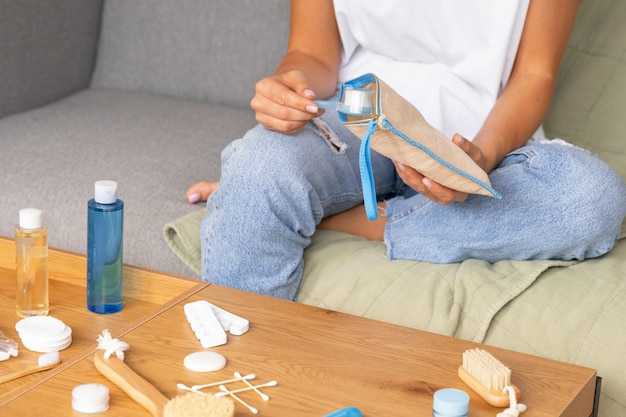
Pack with a 1-quart bag and limit each container to 3.4 fl oz (100ml), and keep everything in that bag in an accessible pocket of your rucksack for quick access at the checkpoint. You're prepared for a smooth weekend airport run and a hassle-free start to your trip.
In practice, the 3-1-1 rule isn’t about limiting total liquids; it’s about container size and bag packaging. Each container must be <= 3.4 oz (100 ml). All containers must fit inside the 1-quart bag, which counts as a single item in your compliance check. This rule doesn't limit your total liquids across multiple containers; for travellers, that method helps you pack lighter and faster, and the difference backpackers notice in long security lines is real.
For Claire and travellers heading to Vietnam or anywhere else, the rule remains the same, ensuring compliance across itineraries. You can buy refillable bottles and a 1-quart bag on Amazon, choose leak-proof caps, and label contents to avoid mixing up sun cream and mouthwash.
These insights help you differentiate what stays in luggage and what goes in your carry-on. If you're packing with intention, you reduce the chance of leaving behind essential items or bringing forbidden substances, and you avoid delays whenever screening asks you to separate the bag.
Weekend trips are the easiest to misstep. If you've tried to pack loosely, a tear in a bottle cap can lead to leaks. Use a freezer bag around the 1-quart bag and tuck tissues in your pocket for quick cleanup.
Compliance isn't about fear; it's about efficiency. By applying the 3-1-1 rule, you save time, reduce anxiety, and keep your luggage organised. A small pouch or packing cubes help you manage containers and maintain order.
Clear bag guidelines facilitate security staff reviewing your items quickly. The difference in user experience from the moment you stand in line to the moment you collect your belongings is tangible when you follow the 3-1-1 method.
Travel Tips for Flying: Liquids, Aerosols and Gels and the 3-1-1 Rule
Carry a single clear quart-size bag and limit each container to 3.4 oz (100 ml). This keeps items visible and speeds up screening, helping you arrive with less hassle.
Choose a sturdy bag made with cordura or ultra-sil fabric; avoid cheap pouches that tear at the seams. A durable bag reduces the risk of leaks and keeps items organised during travel.
Inside the bag, include labelled containers and use ultra-sil seal bags to reduce leaks. Organising items by size and type makes testing at security smoother and cuts down on rummaging.
Test your packing at home and go through an iteration cycle: verify lids seal, verify total volume stays under limits, and confirm everything fits in the quart bag. This practice lowers the chance of spills and keeps you calm on the day of travel.
What qualifies as a liquid, aerosol or gel? Fluids like toothpaste, sun cream, lotion, mouthwash, and sprays count towards the limit. If a product is gel-like or paste-like, keep it in a container no larger than 3.4 oz (100ml) to avoid issues at the checkpoint.
Packaging tips: use clear containers, keep favourites in a preferred order for quick access, and place the bag where you can grab it without delay. Labelling helps you avoid leaving items behind and streamlines testing for frequent travellers.
For frequent travellers, build a concise list of recommendations and keep it in your travel kit. Include just what you need, refresh supplies before every trip, and maintain a simple structure to simplify security checks and reduce stress.
In conclusion: a disciplined approach – select the right bag, store items inside a neat, labelled setup, and test packing ahead of time – lets you arrive ready to fly with minimal friction and maximum peace of mind. By sticking to the 3-1-1 framework and using smart organising, you’ll share a smoother experience with yourself and fellow travellers alike.
What counts as a liquid, aerosol or gel under the 3-1-1 rule?
Pack every container of their contents to 100ml (3.4oz) or smaller and place all of them in one clear quart-sized bag, roughly 1 litre in total capacity.
In practical terms, the rule looks at form: if a substance can flow, is sprayed, or stays gel-like, it counts as a liquid, aerosol, or gel. The goal is to keep the bag flat and easy to inspect, whilst minimising storage complications during screening.
- Liquids: water, juice, milk, beverages, lotions, shampoos, perfumes, mouthwash, liquid medicines within the 100ml limit, and liquid foundations or other liquid cosmetics.
- Aerosols: spray deodorants, hairsprays, shaving foams, and other pressurised sprays; count them even when the can isn't actively releasing product.
- Gels and pastes: toothpaste, lip balms with a gel texture, hair gels, aloe gel, moisturiser gels, and other gel-like substances.
- What doesn’t count towards the limit: solid cosmetics, bars, pills, solid foods, and powders in solid form; they can travel outside the 3-1-1 bag, but may still face separate screening if large or loose in your bag.
- Medications and medical supplies: medications in solid form are allowed; medically necessary liquids or gels may exceed 100ml per container only if you declare them and have documentation as needed; plan ahead to avoid last‑minute complications.
- Packaging and storing tips: seal caps tightly, use leakproof caps, and keep containers upright; store them in a flat, compartmental setup inside the bag to reduce leaks and maintain order.
To reduce delays, lay out items beforehand, check labels for containment limits, and keep a compact, easy-to-access bag in the overhead locker. This practical approach is loved by minimalists and editorial-minded travellers alike; it looks iconic on a single surface while remaining easy for security to review. If you sponsor a simple routine, picks like a single flat bag and clear container set help keep storing simple for all travellers. Thank you for planning ahead – a clean, organised setup helps every trip, and it remains straightforward even when the queue of travellers grows.
What are the size limits per item and for the 3-1-1 bag?
Keep each liquid container to 3.4 oz (100ml) or less, and place all liquids in one clear, quart-sized bag. This bag is roughly 1 litre dimensions in total capacity and is the only one allowed for liquids in your hand luggage, which is possible across most security checks during travels.
Choose containers with screw tops and avoid anything with welded caps that could leak. Pack contents neatly so the bag lies flat within your main carry-on. A standard quart bag is typically about 7 x 9 inches (18 x 23 cm) and weighs only a little more than needed.
Per item, keep 3.4 fl oz (100ml) or less; you can have several containers as long as the total liquid inside the bag stays within 1 litre limitations. If you use toiletries from Cotopaxi or other brands, choose travel sizes that fit the rule.
Tips for packing: taller bottles pose a challenge, so switch to shorter, evenly filled containers and lay handles facing outward to keep the bag neatly organised within the main carry-on. This light approach weighs less and makes management across security checkpoints easier for travels. Warren has been using this method and has had beautifully smooth experiences.
Thank you for planning ahead.
How to prep and pack bottles to prevent leaks and spills?
Use ultralight, leak-proof bottle options and pack them in a single 1-quart bag inside your carry-on, keeping the layout compact and easy to inspect at security. If you're flying solo for a weekend, this setup still works.
Fill to the smallest amount that meets your needs, staying within the 100ml limit per bottle. This part of your packing routine saves time at security. For long trips, 30–50ml containers often strike a practical balance.
Seal caps tightly, wrap the cap with a small layer of tape or cling film to prevent loosening on pressurisation; place each bottle upright inside a stasher bag, which provides an extra layer of protection and makes leaks easy to spot. If a cap is damaged, replace the bottle or product to avoid leaks.
Colour-code containers to speed screening: use yellow for liquids and black for non-liquids. Keep cosmetics and hair products in their own section of the board layout so you know exactly which bottle to pull, and ensure the included bag keeps everything contained.
During screening, open your bag when asked and keep the rest of your items in a practical setup. The quart bag should be easy to access and reclose, and consider using a hanging toiletry organiser during travels to keep things within reach.
Recent travels confirm this method works: bottles stay within the limit, leaks are prevented, and the layout remains practical. Thank you for reading and safe travels.
How to organise your liquids bag for quick screening?
Start with a single quart-sized bag (baggie) and place it in the top pocket of luggage for quick screening; this starting setup follows the 3-1-1 rule and helps prevent delays.
Loop your items into three zones: smallest, mid, largest. Keep the smallest containers (85ml or less) at the left edge of the bag, mid-sized bottles in the centre, and the largest toward the right for a fast, comparable arrangement.
Using a pencil to label the outside of the baggie speeds up checks. Write contents like “toiletries” or “meds” so screeners know what they’re seeing without rummaging.
Colours aid recognition: use clear or coloured baggies and colour-code categories to reduce handling and support easier scanning at a glance. Even a tank-style bottle counts toward the 3 oz limit, so pick tank shapes that fit within your 3 oz cap.
Keep a compact organiser inside a pocket: a small pocket-sized insert or standalone bag with a few compartments helps prevent spills and keeps the smallest items in a dedicated spot, making the 3-1-1 bag easier to navigate.
During screening, present your bag in one smooth motion and keep a calm head; the loop continues as you move through the line, which reduces alarms and keeps the process smooth.
Shop smart: Amazon offers compact organisers with clear labelling; designs vary, and community reviews showed that a structure with space for the largest bottle and a dedicated slot for the baggie increases speed; choose a solution with a guarantee that fits your luggage and matches your colours and style, giving you peace of mind.
Exceptions, meds, and special items: handling medications, baby formula, and other needs
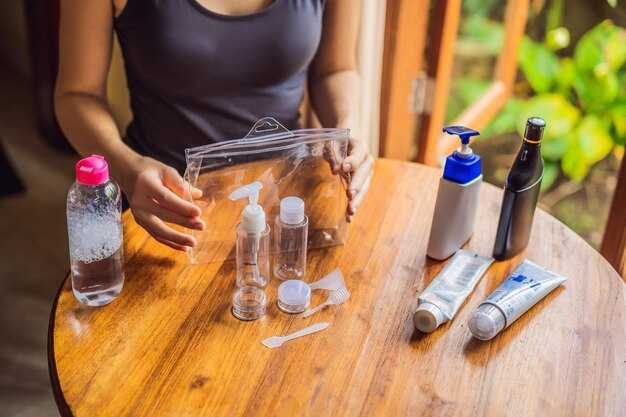
Carry all medications, baby formula, and other essential items in your hand luggage, in clearly labelled, original containers, and declare them at screening to minimise alarms and delays.
Medications: keep prescription pills and over-the-counter liquids in their labelled bottles inside a dedicated medical pouch. Bring a doctor’s note or prescription copy when possible, and locate an officer to show it if questioned. There is no fixed size limit for medically necessary liquids, so you can take what you need for the trip, but keep it organised in a single-use, easy-to-access compartment. Pack in flat, low-profile bottles to protect labels and prevent spills, and store them away from toiletries in a separate section of your bag. Prioritise items needed on the flight and during connections, and seal any fragile containers to avoid leaks in the ship-shape carry-on space.
Baby formula, breast milk, and other infant liquids: these may exceed standard 100ml limits when required for the infant. Transport formula powder in its original packaging, and carry breast milk or prepared formula in clearly labelled containers. Declare these items at the checkpoint and screen them separately from the main liquids bag. Use a dedicated pouch or small cool bag if temperature control is needed, and keep extra supplies in a compact, flat layout to maximise space in your bag. Include enough for the journey, plus a little extra in case of delays, but avoid overpacking to keep the queue moving.
Other needs and special items: medical devices, saline solution, contact lens solution, and facial toners or other toiletries fall under the same principle–pack for accessibility, protection, and minimal risk of leakage. For liquids beyond the standard limit, bring documentation or manufacturer labels and be ready to present them at security. Use plastic, sealable bags to compartmentalise these items, and place high‑risk liquids toward the top of your bag for quick access. If you carry dozens of small containers, group them by type and seal each group; this makes inspection straightforward and reduces repeated checks.
Storage and packing strategy: think of your bag as a single-part system with internal compartments that keep items separated and protected. Place medicines in a sturdy, flat, lined pocket; keep baby items in a clear, sealable pouch; and stash cosmetics like toner or serums in a separate, easy‑to‑locate compartment. This compartmentalisation speeds up screening and helps you locate what you need without unpacking the entire bag. If you travel with family or a larger crew, distribute these items across multiple compartments to minimise disruption when you access them mid‑travel.
What to include in your policy-conscious kit: prescriptions, doctor's notes, labelled containers, baby formula, breast milk, and essential liquids; a small cooling option if needed; a compact toiletry bag with separators; and a few single-use spill protectors. Seek cheaper, smaller, or reusable options where feasible, but always keep the original labels intact for verification. By planning ahead, you reduce the chance of delays and avoid leaving critical items behind.
| Item type | What TSA/3-1-1 looks like | Recommended packaging | Нотатки |
|---|---|---|---|
| Prescription and OTC medications (pills, capsules) | Medications are allowed in carry-on; no fixed quantity limit when medically necessary. Do not rely on a single-use bag; keep accessible. | Original containers with labels; a dedicated medical pouch; keep in a flat, secure pocket. | Have a doctor’s note or prescription copy handy; declare if asked; protect labels from wear. Include a compact list of dosages and administration times. |
| Liquid medicines (cough syrup, liquid analgesics, etc.) | Reasonable quantities are allowed. | Medical pouch inside carry-on; labels visible; if possible, travel with a chemist's label and note the purpose. | Keep in original containers; separate from regular toiletries to minimise inspections. |
| Baby formula and breast milk | Permitted in quantities necessary for the infant, potentially exceeding 100ml; declare at security checkpoint. | Original packaging for formula; clear labeling for breast milk; a small insulated bag or cooler if temperature control is required. | Screened separately; have baby care items ready for quick access during intake. |
| Other infant foods and juices | Generally allowed when declared; screening follows standard procedure. | Keep in a clear, sealable bag with the baby items; store near the infant items for easy access. | Label portions and ingredients where possible; avoid overpacking to fit the bag's capacity. |
| Facial toner and cosmetic liquids | Liquids under 100ml go in the 3-1-1 bag; larger quantities require declaration. | Cosmetics in clear plastic containers; place in a dedicated wash bag with separators; consider a smaller bottle for travel. | Seal to prevent leaks; if you need more than one bottle, group them by type for easier inspection. |
| Saline solution and contact lens liquids | Can be treated as liquids under 100ml; larger quantities require separate handling if medical necessity is shown. | Keep in a dedicated pouch with medication; original packaging helps verification. | Declare if the quantity exceeds standard limits; carry enough for the trip plus a little extra. |
| Single-use spill guards and sealable bags | Recommended for any liquid you carry beyond typical limits. | Small, flat seal. | Minimise leakage risk; use bags with tight seals, and place them in a separate, protected compartment. |