


 Polski
  English (UK)
  Русский
  বাংলা
বাংলা  العربية
  日本語
日本語  한국어
한국어  Magyar
  Norsk nynorsk
  Türkçe
  עִבְרִית
  Español
  Čeština
  Svenska
  Português
  Ελληνικά
  Suomi
Suomi  Nederlands
  Română
  Italiano
  Français
  Українська
  Deutsch
  简体中文
简体中文  Slovenčina
  Српски језик
  اردو
اردو  Azərbaycan dili
  O‘zbekcha
  አማርኛ
አማርኛ 
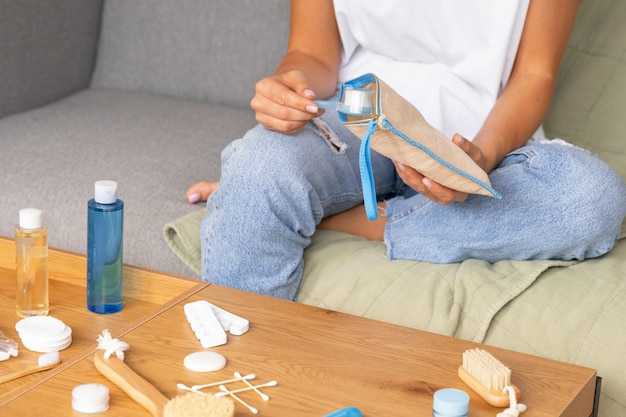
Pack with a 1-quart bag and limit each container to 3.4 oz (100 ml), and keep everything in that bag in an accessible pocket of your backpack for quick access at the checkpoint. Youre prepared for a smooth weekend airport run and a hassle-free start to your trip.
W praktyce, 3-1-1 rule isn’t about limiting total liquids; it’s about container size and bag packaging. Each container must be <= 3.4 oz (100 ml). All containers must fit inside the 1-quart bag, which counts as a single item in your compliance check. This rule doesnt limit your total liquids across multiple containers; for travelers, that method helps you pack lighter and faster, and the difference backpackers notice in long security lines is real.
For claire and travelers heading to vietnam or anywhere else, the rule remains the same, ensuring compliance across itineraries. You can buy refillable bottles and a 1-quart bag on amazon, choose leak-proof caps, and label contents to avoid mixing up sunscreen and mouthwash.
These insights help you differentiate what stays in luggage and what goes in your carry-on. If youre packing with intention, you reduce the chance of leaving behind essential items or bringing forbidden substances, and you avoid delays whenever screening asks you to separate the bag.
Weekend trips are the easiest to misstep. If youve tried to pack loosely, a tear in a bottle cap can lead to leaks. Use a freezer bag around the 1-quart bag and tuck tissues in your pocket for quick cleanup.
Compliance isn’t about fear; it’s about efficiency. By applying the 3-1-1 rule, you save time, reduce anxiety, and keep your luggage organized. A small pouch or packing cubes help you manage containers and maintain order.
Clear bag guidelines facilitate security staff reviewing your items quickly. The difference in user experience from the moment you stand in line to the moment you collect your belongings is tangible when you follow the 3-1-1 method.
Travel Tips for Flying: Liquids, Aerosols, and Gels and the 3-1-1 Rule
Carry a single white quart-size bag and limit each container to 3.4 oz (100 ml). This keeps items visible and speeds screening, helping you arrive with less hassle.
Choose a sturdy bag made with cordura or ultra-sil fabric; avoid cheap pouches that tear at seams. A durable bag reduces the risk of leaks and keeps items organized during travel.
Inside the bag, include labeled containers and use ultra-sil seal bags to reduce leaks. Organizing items by size and type makes testing at security smoother and cuts down on rummaging.
Test your packing at home and go through an iteration cycle: verify lids seal, verify total volume stays under limits, and confirm everything fits in the quart bag. This practice lowers the chance of spills and keeps you calm on the day of travel.
What qualifies as liquid, aerosol, or gel? Fluids like toothpaste, sunscreen, lotion, mouthwash, and sprays count toward the limit. If a product is gel-like or paste-like, keep it in a container no larger than 3.4 oz (100 ml) to avoid issues at the checkpoint.
Packaging tips: use clear containers, keep favorites in a preferred order for quick access, and place the bag where you can grab it without delay. Labeling helps you avoid leaving items behind and streamlines testing for frequent travelers.
For frequent travelers, build a concise list of recommendations and keep it in your travel kit. Include just what you need, refresh supplies before every trip, and maintain a simple structure to simplify security checks and reduce stress.
Conclusion: a disciplined approach–select the right bag, store items inside a neat, labeled setup, and test packing ahead of time–lets you arrive ready to fly with minimal friction and maximum peace of mind. By sticking to the 3-1-1 framework and using smart organizing, you’ll share a smoother experience with yourself and fellow travelers alike.
What counts as a liquid, aerosol, or gel under the 3-1-1 rule?
Pack every container of their content to 100 ml (3.4 oz) or smaller and place all of them in one clear quart-sized bag, roughly 1 liter in total capacity.
In practical terms, the rule looks at form: if a substance can flow, is sprayed, or stays gel-like, it counts as a liquid, aerosol, or gel. The goal is to keep the bag flat and easy to inspect, while minimizing storage complications during screening.
- Liquids: water, juice, milk, beverages, lotions, shampoos, perfumes, mouthwash, liquid medicines within the 100 ml limit, and liquid foundations or other liquid cosmetics.
- Aerosols: spray deodorants, hairsprays, shaving foams, and other pressurized sprays; count them even when the can is not actively releasing product.
- Gels and pastes: toothpaste, lip balms with gel texture, hair gels, aloe gel, moisturizer gels, and other gel-like substances.
- What doesn’t count toward the limit: solid cosmetics, bars, pills, solid foods, and powders in solid form; they can travel outside the 3-1-1 box, but may still face separate screening if large or loose in your bag.
- Medications and medical supplies: medications in solid form are allowed; medically necessary liquids or gels may exceed 100 ml per container only if you declare them and have documentation as needed; plan ahead to avoid last‑minute complications.
- Packaging and storing tips: seal caps tightly, use leakproof caps, and keep containers upright; store them in a flat, compartmental setup inside the bag to reduce leaks and maintain order.
To reduce delays, lay out items beforehand, check labels for containment limits, and keep a compact, easy-to-access bag in the carry-on compartment. This practical approach is loved by minimalists and editorial-minded travelers alike; it looks iconic on a single surface while remaining easy for security to review. If you sponsor a simple routine, picks like a single flat bag and clear container set help keep storing simple for all travelers. Thank you for planning ahead–a clean, organized setup helps every trip, and it remains straightforward even when the line of travelers grows.
What are the size limits per item and for the 3-1-1 bag?
Keep each liquid container to 3.4 oz (100 ml) or less, and place all liquids in one clear, quart-sized bag. This bag is roughly 1 literdimensions in total capacity and is the only one allowed for liquids in your carry-on, which is possible across most security checks during travels.
Choose containers with screw tops and avoid anything with welded caps that could leak. Pack contents neatly so the bag lies flat within your main carry-on. A standard quart bag is typically about 7 x 9 inches (18 x 23 cm) and weighs only a little more than needed.
Per item, keep 3.4 oz (100 ml) or less; you can have several containers as long as the total liquid inside the bag stays within 1 literdimensions. If you use toiletries from cotopaxi or other brands, choose travel sizes that fit the rule.
Tips for packing: taller bottles pose a challenge, so switch to shorter, evenly filled containers and lay handles facing outward to keep the bag neatly organized within the main carry-on. This light approach weighs less and makes management across security checkpoints easier for travels. Warren has been using this method and has had beautifully smooth experiences.
thank you for planning ahead.
How to prepare and pack bottles to prevent leaks and spills?
Use ultralight, leak-proof bottle options and pack them in a single 1-quart bag inside your carry-on, keeping the layout compact and easy to inspect at security. If youre flying solo for a weekend, this setup still works.
Fill to the smallest amount that meets your needs, staying within the 3.4 oz (100 ml) limit per bottle. This part of your packing routine saves time at security. For long trips, 30–50 ml containers often strike a practical balance.
Seal caps tightly, wrap the cap with a small layer of tape or plastic wrap to prevent loosening on pressurization; place each bottle upright inside a stasher bag, which provides an extra layer of protection and makes leaks easy to spot. If a cap is damaged, replace the bottle or product to avoid leaks.
Color-code containers to speed screening: use yellow for liquids and black for non-liquids. Keep cosmetics and hair products in their own section of the board layout so you know exactly which bottle to pull, and ensure the included bag keeps everything contained.
During screening, open the bag when requested and keep the rest of your items in a practical setup. The quart bag should be easy to access and reclose, and consider using a hanging toiletry organizer during travels to keep things in reach.
Recent travels confirm this method works: bottles stay within limit, leaks are prevented, and the layout remains practical. Thank you for reading and safe travels.
How to organize the 3-1-1 bag for quick screening?
Start with a single quart-size bag (baggie) and place it in the top pocket of luggage for quick screening; this starting setup follows the 3-1-1 rule and helps prevent delays.
Loop your items into three zones: smallest, mid, largest. Keep the smallest containers (3 oz or less) at the left edge of the baggie, mid-sized bottles in the center, and the largest toward the right for a fast, comparable arrangement.
Utilizing a pencil to label the outside of the baggie speeds checks. Write contents like “toiletries” or “meds” so screeners know what they’re seeing without rummaging.
Colors aid recognition: use clear or colored baggies and color-code categories to reduce handling and support easier scanning at a glance. Even a tank-style bottle counts toward the 3 oz limit, so pick tank shapes that fit within your 3 oz cap.
Keep a compact organizer inside a pocket: a small pocket-sized insert or standalone bag with a few compartments helps prevent spills and keeps the smallest items in a dedicated spot, making the 3-1-1 bag easier to navigate.
During screening, present the bag in one motion and maintain a calm mind; the loop continues as you move through the line, which reduces alarms and keeps the process smooth.
Shop smart: amazon offers compact organizers with clear labeling; designs vary, and community reviews showed that a structure with space for the largest bottle and a dedicated slot for the baggie increases speed; choose a solution with a guarantee that fits your luggage and matches your colors and style, giving you peace of mind.
Wyjątki, leki i przedmioty specjalne: postępowanie z lekami, mlekiem dla niemowląt i innymi potrzebami
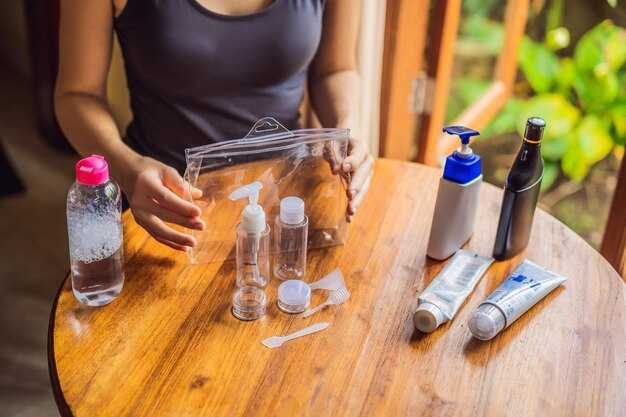
Wszystkie leki, mleko modyfikowane i inne niezbędne artykuły należy przewozić w bagażu podręcznym, w wyraźnie oznaczonych, oryginalnych opakowaniach i zgłosić je podczas kontroli bezpieczeństwa, aby zminimalizować alarmy i opóźnienia.
Leki: trzymaj leki na receptę i płyny dostępne bez recepty w oznaczonych butelkach w dedykowanej torbie medycznej. W miarę możliwości weź ze sobą notatkę od lekarza lub kopię recepty i w razie potrzeby pokaż ją funkcjonariuszowi. Nie ma ustalonego limitu wielkości płynów niezbędnych z medycznego punktu widzenia, więc możesz zabrać tyle, ile potrzebujesz na podróż, ale trzymaj je zorganizowane w jednorazowej, łatwo dostępnej przegródce. Pakuj w płaskie, niskoprofilowe butelki, aby chronić etykiety i zapobiegać rozlaniu, i przechowuj je z dala od kosmetyków w oddzielnej części torby. Potraktuj priorytetowo przedmioty potrzebne podczas lotu i przesiadek i uszczelnij wszystkie delikatne pojemniki, aby uniknąć wycieków w uporządkowanej przestrzeni bagażu podręcznego.
Mleko modyfikowane dla niemowląt, mleko matki i inne płyny dla niemowląt: mogą przekraczać standardowe limity 100 ml, gdy są wymagane dla niemowlęcia. Przewoź mleko modyfikowane w proszku w oryginalnym opakowaniu, a mleko matki lub przygotowane mleko modyfikowane w wyraźnie oznaczonych pojemnikach. Zgłoś te przedmioty w punkcie kontrolnym i poddaj je oddzielnej kontroli niż główną torbę z płynami w pojemnościach do 100 ml. Użyj specjalnej torebki lub małej lodówki turystycznej, jeśli potrzebujesz kontrolować temperaturę, i przechowuj dodatkowe zapasy w zwartej, płaskiej formie, aby zmaksymalizować przestrzeń w torbie. Spakuj wystarczającą ilość na podróż plus trochę na wszelki wypadek opóźnień, ale unikaj przeładowania, aby usprawnić kolejkę.
Inne potrzeby i przedmioty specjalne: urządzenia medyczne, roztwór soli fizjologicznej, płyn do soczewek kontaktowych i toniki do twarzy lub inne kosmetyki podlegają tej samej zasadzie – pakuj z myślą o dostępności, ochronie i minimalnym ryzyku wycieku. W przypadku płynów przekraczających standardowy limit, weź ze sobą dokumentację lub etykiety producenta i przygotuj się do okazania ich podczas kontroli bezpieczeństwa. Użyj plastikowych, zamykanych torebek, aby posegregować te przedmioty i umieść płyny o wysokim ryzyku na górze torby, aby mieć do nich szybki dostęp. Jeśli przewozisz dziesiątki małych pojemników, pogrupuj je według rodzaju i zamknij każdą grupę; to usprawnia inspekcję i ogranicza powtarzające się kontrole.
Strategia przechowywania i pakowania: pomyśl o torbie jak o systemie jednoczęściowym z wewnętrznymi przegródkami, które oddzielają i chronią przedmioty. Umieść leki w solidnej, płaskiej, wyściełanej kieszeni; przechowuj artykuły dla dzieci w przezroczystej, zamykanej torbie; a kosmetyki, takie jak tonik lub serum, w oddzielnej, łatwej do znalezienia przegródce. Ta segmentacja przyspiesza kontrolę i pomaga zlokalizować to, czego potrzebujesz, bez rozpakowywania całej torby. Jeśli podróżujesz z rodziną lub większą grupą, rozłóż te przedmioty w wielu przegródkach, aby zminimalizować zakłócenia, gdy będziesz do nich potrzebować dostępu w trakcie podróży.
Co zawierać powinien twój zestaw zgodny z przepisami: recepty, zaświadczenia lekarskie, oznakowane pojemniki, mleko modyfikowane, mleko matki i niezbędne płyny; w razie potrzeby małą opcję chłodzenia; kompaktową kosmetyczkę z przegródkami; i kilka jednorazowych zabezpieczeń przed rozlaniem. Tam, gdzie to możliwe, szukaj tańszych, mniejszych lub wielokrotnego użytku opcji, ale zawsze zachowuj oryginalne etykiety w celu weryfikacji. Planując z wyprzedzeniem, zmniejszasz ryzyko opóźnień i unikasz pozostawienia krytycznych przedmiotów.
| Rodzaj produktu | Jak wygląda TSA/3-1-1 | Zalecane opakowanie | Notatki |
|---|---|---|---|
| Leki na receptę i bez recepty (tabletki, kapsułki) | Leki są dozwolone w bagażu podręcznym; brak limitu ilościowego, jeśli są wymagane ze względów medycznych. Nie polegaj na jednorazowej torebce; miej je pod ręką. | Oryginalne pojemniki z etykietami; dedykowana apteczka medyczna; przechowywać w płaskiej, bezpiecznej kieszeni. | Miej pod ręką zaświadczenie lekarskie lub kopię recepty; w razie potrzeby zgłoś posiadanie leków; chroń etykiety przed zniszczeniem. Dołącz krótką listę dawek i godzin przyjmowania leków. |
| Leki w płynie (syropy na kaszel, płynne środki przeciwbólowe itp.) | Dopuszczalne są rozsądne ilości przekraczające 100 ml (3,4 uncji) w przypadku potrzeb medycznych; obowiązuje kontrola. | Apteczka w bagażu podręcznym; etykiety widoczne; jeśli to możliwe, podróżuj z etykietą apteczną i zanotuj cel. | Przechowywać w oryginalnych pojemnikach; oddzielić od zwykłych kosmetyków, aby zminimalizować kontrole. |
| Mleko modyfikowane i mleko matki | Dozwolone w ilościach potrzebnych dla niemowlęcia, potencjalnie więcej niż 100 ml; zgłosić podczas kontroli. | Oryginalne opakowanie na mleko modyfikowane; czytelne etykiety na mleko matki; mała torba termoizolacyjna lub chłodziarka, jeśli wymagana jest kontrola temperatury. | Ekranowany oddzielnie; przygotuj artykuły do pielęgnacji niemowląt, aby były szybko dostępne podczas przyjęcia. |
| Inne pokarmy i soki dla niemowląt | Zasadniczo dozwolone po zgłoszeniu; kontrola przebiega zgodnie ze standardową procedurą. | Przechowywać w przezroczystej, zamykanej torbie z artykułami dla niemowląt; przechowywać w pobliżu przedmiotów dla niemowląt, aby zapewnić łatwy dostęp. | Oznaczaj porcje i składniki, gdy to możliwe; unikaj przeładowywania, aby dopasować się do pojemności torby. |
| Toniki do twarzy i płyny kosmetyczne | Płyny o pojemności do 100 ml umieszcza się w torebce 3-1-1; większe ilości wymagają zgłoszenia. | Kosmetyki w przezroczystych plastikowych pojemnikach; umieść w specjalnej kosmetyczce z przegródkami; rozważ mniejszą butelkę na podróż. | Uszczelka zapobiegająca wyciekom; jeśli potrzebujesz więcej niż jednej butelki, pogrupuj je według typu dla łatwiejszej kontroli. |
| Roztwór soli fizjologicznej i płyny do soczewek kontaktowych | Można traktować jako płyny, jeśli mają pojemność poniżej 100 ml; większe ilości wymagają oddzielnego traktowania po wykazaniu konieczności medycznej. | Przechowywać w dedykowanym woreczku z lekami; oryginalne opakowanie ułatwia weryfikację. | Zadeklaruj, czy ilość przekracza standardowe limity; weź wystarczająco na podróż plus trochę więcej. |
| Osłony przeciwrozlewowe jednorazowego użytku i zamykane torby | Zalecane do przewozu wszelkich płynów w ilościach przekraczających standardowe limity. | Małe, płaskie zamykane woreczki w dziale z lekami lub artykułami toaletowymi. | Minimalizuj ryzyko wycieku; używaj worków z szczelnymi zamknięciami i umieszczaj je w oddzielnym, zabezpieczonym przedziale. |