


 Українська
  English (UK)
  Русский
  বাংলা
বাংলা  العربية
  日本語
日本語  한국어
한국어  Magyar
  Norsk nynorsk
  Türkçe
  עִבְרִית
  Español
  Čeština
  Svenska
  Português
  Ελληνικά
  Suomi
Suomi  Nederlands
  Română
  Italiano
  Français
  Polski
  Deutsch
  简体中文
简体中文  Slovenčina
  Српски језик
  اردو
اردو  Azərbaycan dili
  O‘zbekcha
  አማርኛ
አማርኛ 
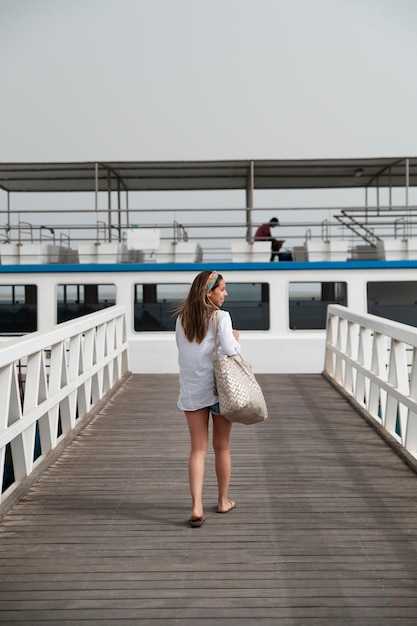
Begin by arriving two hours before the ship's first boarding window. This plan will get your day off to a good start and give you time to clear security, present documents, and collect your cruise card without rushing. Below you’ll find practical timing tips based on ship type, port, and guest categories.
Boarding windows vary by line, but many ships start Group A around 11:30–12:15, with Groups B–D following every 15–20 minutes. If you travel with a youth or a family, you may get an earlier window when the port schedule allows. Always verify your assigned boarding window in the e-ticket below or on the port’s terminal screens.
Reserve a steady entry time for your party to sail together without wandering the terminal. If you arrive with youth or travelling companions, aim for the earliest practical window so you all can head to the same zones. For casual travellers, the ship offers free entertainment lounges where you can relax before the muster drill and still have time to explore the ship’s amenities.
Afternoon embarkations appear as a secondary window on many itineraries. If you miss the first slot, you can still join a later one by following the crowd to the designated queue. Have your documents ready, drop your bags, and scan your card at the gangway. Then flip your plan: visit a café on deck 5 for a light bite, and stroll to the observation lounge to begin your voyage with a calm, smooth start.
Boarding start times by cruise line and ship
Arrive 90 minutes before departure to enable a calm start; for large ships on peak days, head to the terminal earlier to avoid delays. Boarding times vary by cruise line and ship, so check the schedule for your chosen voyage and port of embarkation.
Check the official schedule in the line's app or at the terminal here. Times differ by line and ship, and many lines organise boarding by zones or a head group. The crew will verify your boarding pass and ID at the gangway. If you have a medical condition or need accessibility support, obtain clearance in advance and carry any required documents.
Security and medical checks add minutes to your start. Some guests with medical clearance can be allowed earlier. In rare cases a serious incident occurs; if someone died, the operation would pause briefly and then resume with the proper protocol.
Line patterns vary: Carnival and Royal Caribbean often open the boarding window in late morning to early afternoon on many itineraries; Norwegian, MSC, and Celebrity ship times typically start within a similar window, but port and ship can shift the exact hour. If you hold a chosen status (suite, loyalty tier), you may be invited to board earlier–confirm this with the line before you travel. If you must catch a flight after embarkation, coordinate with guest services to set a realistic schedule and allow buffer time.
Follow these steps: check times for your ship in the account, know your group, have all documents ready, and be prepared to move with the crowd when called. If you see the gangway down, join the line and proceed when invited. Keep in mind the process and enable a smooth start for everyone in your party, including guests with mobility or medical needs.
Recommended arrival windows at the terminal
Arrive 2.5 to 3 hours before the ship’s published departure time to allow for security, check-in, and luggage drop; this helps you avoid long queues and reach the boarding area while space remains available.
Pack a concise packing list and keep essentials in an easily accessible bag; a travel tube of toothpaste and a small bottle of hand sanitiser speed up security checks and keep peace of mind.
This isn't about rushing guests; it's about planning. You can approach the terminal with care and still enjoy the experiences before you board; knowing which documents to show speeds up the process.
For guests staying in suites or other staterooms, priority check-in is common; plan 2.5–3 hours before departure to reach the gangway when the highest level of service is available. If you have refundable bookings or pre-purchased packages, bring receipts and confirmation emails to smooth the desk check-in and avoid last-minute concerns.
At ports with events or high passenger volume, allocate 3–3.5 hours to allow for queues, security, and the walk to your embarkation area. Pack some snacks for the wait and use that time to review shore arrangements with others in your party. If your ship features waterslides, factor in an extra 5–10 minutes near the slides area so you aren't rushed once you board.
| General embarkation | 2.5–3 hours before departure | Online check-in: have ID/travel documents ready, pack light | Typical window for most terminals |
| First-time travellers and families | 3–4 hours before departure | Pack snacks, extra layers, pushchair or carry bag; have cabin number and sailing date | Allows time for kids and security checks |
| VIPs: suites and higher-tier staterooms | 2.5–3 hours before departure | Priority check-in, fewer queues, keep essentials in hand luggage | Highest level of service; helps board smoothly |
| Events or port-heavy days | 3–3.5 hours before departure | Arrive early, follow signage, use dedicated lanes if available | Right, here's the translation you asked for: |
| Late arrivals with parcels or special needs | 2–2.5 hours before departure | Have package details and care items ready; verify refundable bookings | Risk of missing ship if you're late |
Documents and online check-in for a smooth start
There's a simple rule: do online check-in at least 24 hours before your sailing to get the final boarding pass and skip queues at the terminal. Prepare a single digital folder with passport or government ID, the cruise reservation number, and any visas or medical forms to care for special needs. Upload clear images of IDs if requested and keep the following data ready for staff review: exact name as it appears on the ID, date of birth, and a contact email or phone. Assigned profiles ensure correct traveller information, and they enable faster processing when you arrive. Have a printable backup of essential documents; this keeps you ready even if your phone loses service and the queue offers free reprints at the desk.
In the online portal, add travellers as needed; if you travel with others, each person gets assigned to their own profile. The following steps help: verify names, dates of birth and contact details; later, upload any required documents and know that staff review can take a few minutes. If you bring special gear such as medical devices or rock-climbing equipment, notify the line in advance; some items require extra screening or a separate appointment. For items like racer equipment, confirm packaging and weight limits–heavier sets may run up to 99lbs and require special handling. If you still carry leaves with paper copies, switch to digital versions to speed up the check-in.
On the day of boarding, arrive early enough to clear security with a moment to spare; you’ll scan your mobile boarding pass and board when your name is called. If you have medical concerns or medications, carry prescriptions or a doctor’s note for verification, so staff can assist quickly. The process should feel pleasant and very smooth when you stay ready, keep documents accessible, and know what to expect there. If concerns arise, they care about your experience and will help resolve them so you can explore the ship as soon as you’re aboard.
What to bring to speed through security and boarding
Keep a single, clear, zippered pouch at the top of your hand luggage with your reservations, photo ID, boarding passes and your cruise club card. This lets you present documents quickly and head towards the gates faster.
Keep a separate, labelled bag for meds and snacks. Include a lunch option if queues are long; some guests have opinions on snacks, but a small, non-liquid option helps when queues bog down. Pack the least bulky items to keep aisles clear.
- Documents and essentials
- Passport or photo ID, bookings and booking references
- Ship's card and loyalty club card
- Port information and sailing itinerary
- Liquids and beverage strategy
- Empty beverage bottle to refill after security
- Liquids in travel-sized containers (up to 100ml per item)
- Non-liquid snacks or a light lunch option
- Electronics and goods
- Phone, tablet, headphones, power bank
- Toiletries in a clear bag and a compact grooming kit
- Valuables and important goods in hand luggage
- Family and nippers
- Tyke comfort items, a small toy, a snack pack, and a reminder card with bookings
- Tips to reduce risk and speed lines
- Wear slip-on shoes, minimise metal accessories
- Keep liquids and electronics accessible for fast screening.
- Stick to your plan; same approach at each port to sail smoothly.
- Pack the least amount of bulky items to keep aisles clear
Boarding and gate approach
- Arrive with extra time to handle unexpected checks and still meet your reservation window
- Present your booking and boarding pass at the gate; staff will verify them quickly.
- If opinions about lines differ, stick to the plan and keep conversation light so the process stays fast.
Across the galaxy of terminals and ports, this method keeps guests moving along smoothly and faster, so you sail with confidence. That’s why this approach works for most bookings and early arrivals.
Contingency: late arrivals or flight delays
Call the cruise line the moment you know you’ll miss the original boarding window and request a revised boarding time; most lines coordinate a late arrival with the port and adjust your reservation accordingly. Have your booking reference and passports ready, confirm whether you’ll join a later gangway or a prioritised check-in within the port area. They usually give you a new ETA and tell you where to meet the team on deck. If plans slip, flip to a backup option and ask for specifics in writing; this helps prevent confusion if something happens.
For families, plan ahead with children: pack light, but keep a small lunch, favourite comfort items, and a simple activities set so nights at sea feel pleasant while you wait. If you travel with tykes, talk through the plan with them and they’ll look forward, so they stay calm; they’ll feel secure when you have a clear path. It looks straightforward when you have this plan in place.
At the port, head to the purser's desk with your reservation and the contact you used to book; they’ll verify bookings, confirm the updated times, and issue a new key to your stateroom when you board. If you arrive before the ship’s departure, the crew will guide you to the new gangway location and ensure you’re within the latest window; if something happens, staff will advise next steps.
On board, check the app and posted signs for the revised schedule, and avoid rushing: the crew explains how late boarding affects dining and shows. Generally, the line preserves the standard lunch service for the first day, or offers an alternate option in the dining room or lounge; if the timing is tight, ask for a quick bite along the promenade to tide you over until meals resume. Planning helps you stay calm and keep the kids comfortable; there’s much to coordinate, but the system handles it.
See the checklist below to prepare for contingencies: Keep a flexible frame of mind; most lines can adapt within a reasonable window, and you’ll still have time for a pleasant first day. Agree on a minimummaximum time window for updates with your bookings team, and share it with each individual so opinions stay aligned. If you’re unsure, request written confirmation of the revised itinerary and keep it with you along the trip. This approach minimises stress and keeps your reservation active.