


 Türkçe
  English (UK)
  Русский
  বাংলা
বাংলা  العربية
  日本語
日本語  한국어
한국어  Magyar
  Norsk nynorsk
  עִבְרִית
  Español
  Čeština
  Svenska
  Português
  Ελληνικά
  Suomi
Suomi  Nederlands
  Română
  Italiano
  Français
  Polski
  Українська
  Deutsch
  简体中文
简体中文  Slovenčina
  Српски језик
  اردو
اردو  Azərbaycan dili
  O‘zbekcha
  አማርኛ
አማርኛ 
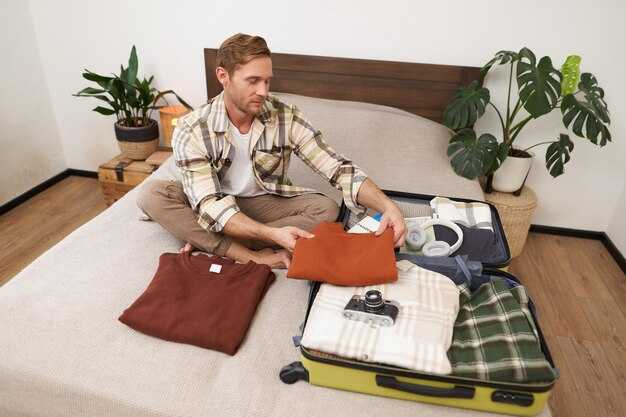
Rule: pack only what fits in a carry-on and a compact toiletries bag for trips. Start with one versatile outfit that covers daytime and evening needs, then plan ahead to avoid bringing extras. These decisions keep you agile and there is no room for waste when you travel light. If youve struggled with bulky luggage, this approach shows the fastest way to trim your load. These choices mean less stress and more room for memories.
Build a 7-item wardrobe around a neutral palette and a single jacket; this setup lets you mix these items to create an outfit rotation for a week, without doubling up on pieces. Genellikle you can refresh looks by washing a small batch mid-trip.
Know whether you need a laptop on this trip; if you can work from a phone or tablet, leave the laptop at home and stay productive. Pack chargers in a slim pouch and label them so you never mix up cables.
Toiletries lie at the core of weight savings. Transfer liquids to travel-sized containers, and switch to solid alternatives when possible. Use a clear, reusable bag for these items and keep only what you truly use; these clever tweaks save valuable space.
Never bring duplicates when traveling with family: coordinate gear so there is no duplication. Pack a single power bank and one universal charger; these measures shave weight and avoid carrying two of the same item.
Hiking trips demand light, fast-dry layers: a compact shell, moisture-wicking tops, and convertible pants. These pieces compress well and stay flexible in changing conditions.
Plan for a week ahead of departure: verify liquid rules, estimate total bag weight, and test fit at home. A crisp plan helps you stick to the limit and enjoy light travel from the first to the last mile.
12 Clever Packing Hacks to Travel Light: 8 Roll Don’t Fold Techniques
Technique 1: Roll clothes, not fold, to maximise space and fit a full week of outfits in a smaller carry-on. This habit keeps creases low, helps you mix shirts with fewer pieces, and really proves you don’t need a bulky suitcase to travel light. If you’re an overpacker, this roll-first approach immediately frees space and cuts the risk of cramming.
Technique 2: Fill footwear with smaller items. Slip socks, underwear, and even a compact phone charger inside shoes to reclaim gaps. This keeps the main section tidy and frees space for toiletries and a smaller size bottle of conditioner.
Technique 3: Roll belts, scarves, and lightweight sweaters around the core blocks. This creates dense bundles that slide into corners and reduce empty space; this approach usually leaves more room for a compact jacket.
Technique 4: Purses and accessories: tuck a few compact items into the hollow of a rolled tee; slip a small bag with cards and coins into a pouch so everything stays reachable without bulk.
Technique 5: Pack-by-blocks with a lean list: lay out your items, vary fabrics, and only bring what you will actually wear. Usually, bringing too many options triggers cramming; this clear list helps you cover a full week without repeats.
Technique 6: Toiletries: move liquids into travel-size containers, keep them in a leak-proof pouch, and roll them with your medicines and skincare. Put conditioner, shampoo, and sunscreen where they won’t leak into clothes.
Technique 7: Wear the heaviest layers on the plane: although they look bulky, wearing a jacket or boots reduces bag weight and frees space for a smaller carry-on. If you pack smart, your worn items stay ready for use without adding bulk to the main compartment.
Technique 8: Quick final check: recent trips taught seasoned travelers to confirm every item on the list before leaving. Keep a small, dedicated space for must-haves like your phone and purses, and you’ll know you’ve captured the core gear without cramming in excess.
Roll garments to maximize space and reduce wrinkles
Roll garments tightly to maximize space and reduce wrinkles. Roll each item along its length, smoothing folds as you go, and tuck the roll seam-side down to keep it compact. Unless packed with care, fabrics can shift and add bulk; this keeps your bag full and organized.
Keep the strategy simple: group by sizes, place heavier rolls at the base, and slide smaller rolls above. Use packing cubes or a carry bag to hold the rolls in place, so the process stays quick and tidy. This approach keeps essentials easy to reach and prevents a crowded backpack, avoiding extra bulk.
Example: roll shirts and dresses, roll pants, and use the gap between rolls for socks, underwear, and thin accessories. If you’re trying to save space, invert a roll and tuck small items inside the hollow tube.
Weather-friendly fabrics shine here: synthetic blends roll flatter; cottons wrinkle less if pressed gently, and silk blends stay smooth when rolled with a soft layer. Pair items by color and purpose ahead to simplify outfits and keep the load lighter. Include a couple of compact products, like a stain wipe and mini detergent, so you can handle quick refreshes without extra carry.
Family plan: for a 5-day trip, give each person 4 tops and 2 bottoms, plus 1 lightweight jacket and 4 pairs of underwear. Roll those items and place each traveler’s rolls in a dedicated corner of the bag to keep items separate and easy to grab.
Common mistakes include adding bulky jackets or shoes. Before you zip up, review weather and plans ahead, remove any unused pieces, and rely on a couple of versatile products that can dress up a plain look. This simple check keeps carryweight manageable and the bag easy to close.
Bundle and organize with packing cubes and compression bags
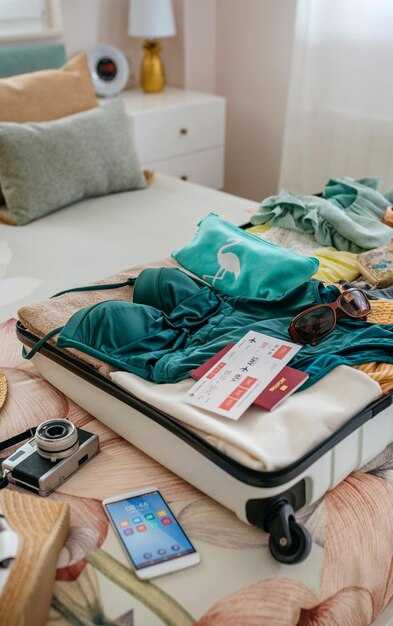
Start with two large packing cubes, one small cube, and one travel-sized compression bag; allocate outfits by category and store them in your suitcase or tote for fast access and efficient packing while traveling.
- Sort by wardrobe category: shell and outerwear in one cube, tops in another, bottoms in a third, and underwear with socks in a small module; keep each group together to speed daily selections.
- Roll items instead of folding when possible, and place heavier pieces at the bottom; this method increases density and keeps your bag stable on plane.
- Compress bulk items with a flat compression bag: push out air as you seal, then slide the bag into a corner of the suitcase or tote.
- Label cubes or use color-coded tags so you know ahead what’s inside without opening every compartment.
- Carry a dedicated tote for on-board essentials: laptop, charger, a compact cosmetics pouch, and a few packing apps to track items and lists.
- Limit footwear to 1–2 pair per trip; store one pair in a separate bag to protect clothes and save space.
- Keep your wardrobe modular: if a piece is worn, move it to a laundry bag and keep the rest clean for new combinations.
- For foreign trips, the same cubes work well; you’ll reach outfits quickly and avoid digging through a mound of clothing.
- Week-long trips benefit from a compact system: choose versatile pieces, mix and match, and refresh with a travel-sized shell layer as needed.
Remember to prepare ahead: know which outfits you’ll need for each day, pair items to maximize options, and keep yourself light yet ready. This smart setup offers mind clarity, reduces overpacking, and helps you feel confident when you board the plane with your tote and gear for yourself. When you return home, you can reuse the same cubes to refresh your wardrobe and stay organized for the next trip.
Curate a capsule wardrobe with color-coordinated pieces that mix and match
Begin with a simple color palette: pick three core shades that mix and match. Choose five tops in varying textures and two bottoms in the base colors. Add one lightweight layer, one cardigan, and one versatile dress that can go from day to night. theres flexibility in how you mix items.
Plan outfits ahead: map combinations so you can mix and match without thinking. Keep skincare items travel-sized and smaller so they fit into a single bag. If you must travel light, limit skincare to a cleanser, moisturizer, and sunscreen in travel-sized bottles. Then you can plan confidently.
Roll clothes to save space and reduce wrinkles; rolling keeps fabrics smooth and accessible, and it helps you see every item at a glance. Pack items in a way that the lighter fabrics stay on top, while heavier pieces nestle neatly below.
Coordinate footwear and accessories so every piece works with multiple outfits: one pair of comfortable shoes, a belt, and a small scarf to add color. A single bag can hold the outfit options if you keep to a consistent color scheme. Seasoned travelers know to keep shoes light and ready to pivot.
Carefully prune duplicates: if you have versions of similar tops, pick the simplest and then drop the rest. That can mean fewer decisions and more room for souvenirs without overstuffing your luggage.
Use smaller packing cubes and tuck travel-sized cables for chargers in an outer pocket. A dedicated pouch for cables keeps electronics ready while your clothes stay compact. theres almost no wasted space.
For hiking or outdoor days, pack a lightweight shell that matches any base piece and a compact, breathable layer. This approach gives you versatility without adding bulk, so you stay comfortable as the weather shifts.
With a cohesive capsule plan, you reduce stuff and keep your options open while traveling. The color-coordinated mix-and-match system delivers easy, fast outfits and more space for what matters.
Choose dual-purpose items and lightweight alternatives
In foreign trips, temptation to pack full-sized items is real. If youre aiming to travel light, choose these three core dual-purpose items to cover most contingencies: a shell jacket that adds warmth when layered and protects you from rain, a travel-sized scarf that can work as a wrap or blanket, and convertible pants that roll from long legs to shorts. These items stay comfy and avoid dragging your bag into heavy territory, so you carry only what you need.
Think ahead and roll garments to reduce bulk in your cases. Roll small pieces and nest them in the gaps of a packing cube; this simple trick keeps these pieces together and lets you reconfigure when plans shift. Unless the forecast demands more warmth, you can keep multiple outfits in rotation and stay under one carry-on’s limit.
Seyahat boyu bakım ürünleri ve nemi uzaklaştıran, kokuya dayanıklı hafif kumaşlar seçin. Merinos yünü giysiler daha uzun süre taze kalır ve katlandığında az yer kaplar. Bu seçimler ağırlıktan kaçınmanızı ve yolda çevik kalmanızı sağlar, sadece ihtiyacınız olanı taşıyın ve planlardaki değişikliklere hazır olun.
Bu fikirlerin nasıl geliştiğini görselleştirmek için aşağıdaki hızlı başvuru tablosunu kullanın. Her bir öğenin nasıl birlikte çalıştığını ve basitçe paketlediğinizde bekleyebileceğiniz ağırlığı gösterir.
| Öğe | Çift kullanımlı | Ağırlık (g) | Paketleme ipuçları | Notlar |
|---|---|---|---|---|
| Kabuk ceket | Yağmur koruması + hafif sıcaklık; kendi cebine katlanabilir | 180–230 | Dış yuvaya yerleştirin; sıkıştırmak için yuvarlayın | Su geçirmez; kompakt |
| Çıkarılabilir pantolon | Pantolon → şort; çabuk kuruyan | 260–320 | Üstlerle yuvarla ve yerleştir | Üç mevsim çok yönlülük |
| Seyahat boyutu eşarp | Örtü/battaniye; hafif katman | 60–100 | Kullanılmadığı zaman kolun içine katlayın | Nefes alabilen kumaş |
| Mikrofiber havlu (seyahat boyu) | Havlu + yüz bezi | 60–90 | Kompakt bir kare şeklinde katlayın; havada kurutun. | Hızlı kuruyan |
Seyahat için katı ürünleri ve küçük seyahat şişelerini kullanarak akıllıca tuvalet malzemeleri hazırlayın.
Mümkün olduğunca çok sıvıyı katı versiyonlarıyla değiştirin ve geri kalanını her biri 100 ml'nin altında olan sıkıştırılmış seyahat şişelerinde saklayın.
- Şampuan barı: 60 g, iki adet 250 ml'lik şişenin yerini alır ve yerden tasarruf sağlar; saç uzunluğuna bağlı olarak 40–60 yıkama beklenir.
- Saç kremi barı: 60 g bar, aynı paket boyutu, yığınları azaltırken yıkamalar arasında 1–2 haftalık kullanım için kayganlık sağlar.
- Sabun kalıbı: 100 g vücut sabunu, el sabunu ve duş jeli olarak ikiye katlanır; küçük bir keseye düzgünce sığar.
- Diş macunu tabletleri: Kompakt kutuda 60–90 kullanım; 2–3 haftalık bir seyahat için 1–2 kutu götürün.
- Katı deodorant: 60 g'lık çubuk günlük kullanımda 2–3 ay dayanır; daha uzun seyahatler için ikinci bir çubuk al.
- Güneş kremi stick: 25 g, yüzünüzün ne kadarını kapladığınıza bağlı olarak 12–20 uygulama sağlar; gündüz kullanımı için harika.
- Nemlendirici çubuk: 30 g'lık çubuk sürekli nem sağlar; bir çubuk kısa bir seyahatte bir haftayı karşılayabilir.
- Dudak nemlendiricisi: 4 gramlık stick; hava değişimlerinde kullanmak için 1–2 tane taşıyın.
Sıvılar ve losyonlar kompakt şişelere konur: sızdırmaz kapaklı 15–30 ml silikon kaplar. Yalnızca uzakta olacağınız süre için ihtiyacınız olanı doldurun ve takip etmek için etiketleyin.
- Şişeleri rutininize göre eşleştirin: yıkama, vücut, yüz ve saç bakımı için ayrı, belirgin şekilde işaretlenmiş kaplar kullanarak takipte kalın.
- Bu öğeleri tutmak için tek bir küçük kese kullanın; bunlar en hacimli parçaları giysilerden uzak tutar ve güvenlik kontrollerini kolaylaştırır.
- Son seyahatlerinize göre rutininizi gözden geçirin ve mümkün olduğunca ürünleri katı olanlarla değiştirin; bu ağırlığı ve hacmi azaltır.
- Eşyaları kabin bagajınızın içindeki tek bir çantada birleştirerek daha akıllıca paketleyin; bu çanta derli toplu ve kolay incelenebilir kalmalıdır.
- Sadece gerçekten kullandığınız temel malzemelerden oluşan eksiksiz bir set hazırlayın; daha fazlasına ihtiyacınız olursa birkaç adet de ufak şişe ekleyebilirsiniz, ancak aşırı doldurmaktan kaçının.
- Evde test edin: dokuyu ve performansı doğrulamak için seçtiğiniz katı ürünlerle yıkayın; bir şey işe yaramazsa, evden çıkmadan farklı bir seçeneğe geçin.
Son geziler, bu yaklaşımın ağırlığı ve hacmi azaltarak yolda çevik kalmanıza yardımcı olduğunu gösteriyor. Gideceğiniz yerlere uygun seçenekleriniz var; Amazon'da ve yerel mağazalarda katı versiyonları satın alabilir, ardından ihtiyaçlarınıza göre ayarlayabilirsiniz. Hafif bir güneş kremi ve birkaç akıllı katı ürün, rutininizi basit tutar ve geri kalanı daha küçük çantalarınızda kalır. Performanstan veya konfordan ödün vermeden eksiksiz ve verimli bir set böyle hazırlanır.