


 Русский
  English (UK)
  বাংলা
বাংলা  العربية
  日本語
日本語  한국어
한국어  Magyar
  Norsk nynorsk
  Türkçe
  עִבְרִית
  Español
  Čeština
  Svenska
  Português
  Ελληνικά
  Suomi
Suomi  Nederlands
  Română
  Italiano
  Français
  Polski
  Українська
  Deutsch
  简体中文
简体中文  Slovenčina
  Српски језик
  اردو
اردو  Azərbaycan dili
  O‘zbekcha
  አማርኛ
አማርኛ 
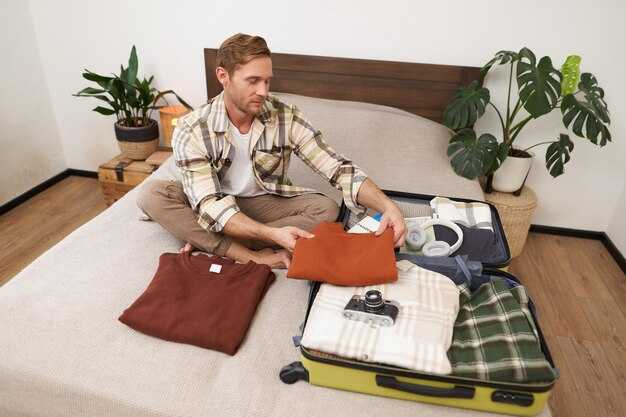
Rule: pack only what fits in a carry-on and a compact toiletries bag for trips. Start with one versatile outfit that covers daytime and evening needs, then plan ahead to avoid bringing extras. These decisions keep you agile and there is no room for waste when you travel light. If youve struggled with bulky luggage, this approach shows the fastest way to trim your load. These choices mean less stress and more room for memories.
Build a 7-item wardrobe around a neutral palette and a single jacket; this setup lets you mix these items to create an outfit rotation for a week, without doubling up on pieces. Обычно you can refresh looks by washing a small batch mid-trip.
Know whether you need a laptop on this trip; if you can work from a phone or tablet, leave the laptop at home and stay productive. Pack chargers in a slim pouch and label them so you never mix up cables.
Toiletries lie at the core of weight savings. Transfer liquids to travel-sized containers, and switch to solid alternatives when possible. Use a clear, reusable bag for these items and keep only what you truly use; these clever tweaks save valuable space.
Never bring duplicates when traveling with family: coordinate gear so there is no duplication. Pack a single power bank and one universal charger; these measures shave weight and avoid carrying two of the same item.
Hiking trips demand light, fast-dry layers: a compact shell, moisture-wicking tops, and convertible pants. These pieces compress well and stay flexible in changing conditions.
Plan for a week ahead of departure: verify liquid rules, estimate total bag weight, and test fit at home. A crisp plan helps you stick to the limit and enjoy light travel from the first to the last mile.
12 Clever Packing Hacks to Travel Light: 8 Roll Don’t Fold Techniques
Technique 1: Roll clothes, not fold, to maximise space and fit a full week of outfits in a smaller carry-on. This habit keeps creases low, helps you mix shirts with fewer pieces, and really proves you don’t need a bulky suitcase to travel light. If you’re an overpacker, this roll-first approach immediately frees space and cuts the risk of cramming.
Technique 2: Fill footwear with smaller items. Slip socks, underwear, and even a compact phone charger inside shoes to reclaim gaps. This keeps the main section tidy and frees space for toiletries and a smaller size bottle of conditioner.
Technique 3: Roll belts, scarves, and lightweight sweaters around the core blocks. This creates dense bundles that slide into corners and reduce empty space; this approach usually leaves more room for a compact jacket.
Technique 4: Purses and accessories: tuck a few compact items into the hollow of a rolled tee; slip a small bag with cards and coins into a pouch so everything stays reachable without bulk.
Technique 5: Pack-by-blocks with a lean list: lay out your items, vary fabrics, and only bring what you will actually wear. Usually, bringing too many options triggers cramming; this clear list helps you cover a full week without repeats.
Technique 6: Toiletries: move liquids into travel-size containers, keep them in a leak-proof pouch, and roll them with your medicines and skincare. Put conditioner, shampoo, and sunscreen where they won’t leak into clothes.
Technique 7: Wear the heaviest layers on the plane: although they look bulky, wearing a jacket or boots reduces bag weight and frees space for a smaller carry-on. If you pack smart, your worn items stay ready for use without adding bulk to the main compartment.
Technique 8: Quick final check: recent trips taught seasoned travelers to confirm every item on the list before leaving. Keep a small, dedicated space for must-haves like your phone and purses, and you’ll know you’ve captured the core gear without cramming in excess.
Roll garments to maximize space and reduce wrinkles
Roll garments tightly to maximize space and reduce wrinkles. Roll each item along its length, smoothing folds as you go, and tuck the roll seam-side down to keep it compact. Unless packed with care, fabrics can shift and add bulk; this keeps your bag full and organized.
Keep the strategy simple: group by sizes, place heavier rolls at the base, and slide smaller rolls above. Use packing cubes or a carry bag to hold the rolls in place, so the process stays quick and tidy. This approach keeps essentials easy to reach and prevents a crowded backpack, avoiding extra bulk.
Example: roll shirts and dresses, roll pants, and use the gap between rolls for socks, underwear, and thin accessories. If you’re trying to save space, invert a roll and tuck small items inside the hollow tube.
Weather-friendly fabrics shine here: synthetic blends roll flatter; cottons wrinkle less if pressed gently, and silk blends stay smooth when rolled with a soft layer. Pair items by color and purpose ahead to simplify outfits and keep the load lighter. Include a couple of compact products, like a stain wipe and mini detergent, so you can handle quick refreshes without extra carry.
Family plan: for a 5-day trip, give each person 4 tops and 2 bottoms, plus 1 lightweight jacket and 4 pairs of underwear. Roll those items and place each traveler’s rolls in a dedicated corner of the bag to keep items separate and easy to grab.
Common mistakes include adding bulky jackets or shoes. Before you zip up, review weather and plans ahead, remove any unused pieces, and rely on a couple of versatile products that can dress up a plain look. This simple check keeps carryweight manageable and the bag easy to close.
Bundle and organize with packing cubes and compression bags
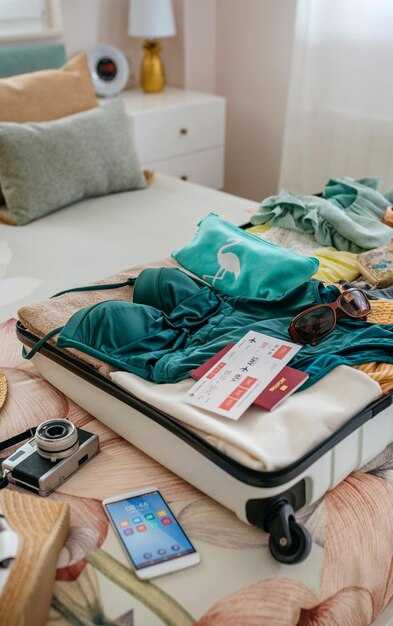
Start with two large packing cubes, one small cube, and one travel-sized compression bag; allocate outfits by category and store them in your suitcase or tote for fast access and efficient packing while traveling.
- Sort by wardrobe category: shell and outerwear in one cube, tops in another, bottoms in a third, and underwear with socks in a small module; keep each group together to speed daily selections.
- Roll items instead of folding when possible, and place heavier pieces at the bottom; this method increases density and keeps your bag stable on plane.
- Compress bulk items with a flat compression bag: push out air as you seal, then slide the bag into a corner of the suitcase or tote.
- Label cubes or use color-coded tags so you know ahead what’s inside without opening every compartment.
- Carry a dedicated tote for on-board essentials: laptop, charger, a compact cosmetics pouch, and a few packing apps to track items and lists.
- Limit footwear to 1–2 pair per trip; store one pair in a separate bag to protect clothes and save space.
- Keep your wardrobe modular: if a piece is worn, move it to a laundry bag and keep the rest clean for new combinations.
- For foreign trips, the same cubes work well; you’ll reach outfits quickly and avoid digging through a mound of clothing.
- Week-long trips benefit from a compact system: choose versatile pieces, mix and match, and refresh with a travel-sized shell layer as needed.
Remember to prepare ahead: know which outfits you’ll need for each day, pair items to maximize options, and keep yourself light yet ready. This smart setup offers mind clarity, reduces overpacking, and helps you feel confident when you board the plane with your tote and gear for yourself. When you return home, you can reuse the same cubes to refresh your wardrobe and stay organized for the next trip.
Curate a capsule wardrobe with color-coordinated pieces that mix and match
Begin with a simple color palette: pick three core shades that mix and match. Choose five tops in varying textures and two bottoms in the base colors. Add one lightweight layer, one cardigan, and one versatile dress that can go from day to night. theres flexibility in how you mix items.
Plan outfits ahead: map combinations so you can mix and match without thinking. Keep skincare items travel-sized and smaller so they fit into a single bag. If you must travel light, limit skincare to a cleanser, moisturizer, and sunscreen in travel-sized bottles. Then you can plan confidently.
Roll clothes to save space and reduce wrinkles; rolling keeps fabrics smooth and accessible, and it helps you see every item at a glance. Pack items in a way that the lighter fabrics stay on top, while heavier pieces nestle neatly below.
Coordinate footwear and accessories so every piece works with multiple outfits: one pair of comfortable shoes, a belt, and a small scarf to add color. A single bag can hold the outfit options if you keep to a consistent color scheme. Seasoned travelers know to keep shoes light and ready to pivot.
Carefully prune duplicates: if you have versions of similar tops, pick the simplest and then drop the rest. That can mean fewer decisions and more room for souvenirs without overstuffing your luggage.
Use smaller packing cubes and tuck travel-sized cables for chargers in an outer pocket. A dedicated pouch for cables keeps electronics ready while your clothes stay compact. theres almost no wasted space.
For hiking or outdoor days, pack a lightweight shell that matches any base piece and a compact, breathable layer. This approach gives you versatility without adding bulk, so you stay comfortable as the weather shifts.
With a cohesive capsule plan, you reduce stuff and keep your options open while traveling. The color-coordinated mix-and-match system delivers easy, fast outfits and more space for what matters.
Choose dual-purpose items and lightweight alternatives
In foreign trips, temptation to pack full-sized items is real. If youre aiming to travel light, choose these three core dual-purpose items to cover most contingencies: a shell jacket that adds warmth when layered and protects you from rain, a travel-sized scarf that can work as a wrap or blanket, and convertible pants that roll from long legs to shorts. These items stay comfy and avoid dragging your bag into heavy territory, so you carry only what you need.
Think ahead and roll garments to reduce bulk in your cases. Roll small pieces and nest them in the gaps of a packing cube; this simple trick keeps these pieces together and lets you reconfigure when plans shift. Unless the forecast demands more warmth, you can keep multiple outfits in rotation and stay under one carry-on’s limit.
Choose travel-sized versions of grooming items and lightweight fabrics that wick moisture and resist odors. Merino clothing stays fresh longer and folds to a small footprint. These choices avoid weight and keep you nimble on the road, carry only what you need and stay ready for changes in plan.
To visualize how these ideas unfold, use a quick reference table below. It shows how each item works together and the weight you can expect when you pack simply.
| Item | Dual use | Вес (г) | Советы по упаковке | Примечания |
|---|---|---|---|---|
| Shell jacket | Rain protection + light warmth; folds into its own pocket | 180–230 | Pack in outer slot; roll to compress | Water-repellent; compact |
| Convertible pants | Pants → shorts; quick-dry | 260–320 | Roll and place with tops | Three-season versatility |
| Travel-sized scarf | Wrap/blanket; light layer | 60–100 | Fold into sleeve when not in use | Дышащая ткань |
| Microfiber towel (travel-sized) | Towel + washcloth | 60–90 | Fold into compact square; air-dry | Быстросохнущий |
Pack smart toiletries using solid options and compact travel bottles
Replace as many liquids as possible with solid versions and keep the rest in compact travel bottles that stay under 100 ml per container.
- Shampoo bar: 60 g replaces two 250 ml bottles and saves space; expect 40–60 washes depending on hair length.
- Conditioner bar: 60 g bar, same pack size, cuts bulk while delivering slip for 1–2 weeks of use between washes.
- Soap bar: 100 g body soap doubles as hand soap and body wash; fits neatly in a small pouch.
- Toothpaste tablets: 60–90 uses in a compact tin; bring 1–2 tins for 2–3 weeks away.
- Deodorant solid: 60 g stick lasts 2–3 months with daily use; swap in a second stick for longer trips.
- Sunscreen stick: 25 g provides 12–20 applications depending on your face coverage; great for daytime wear.
- Moisturizer bar: 30 g bar offers continuous moisture; one bar can cover a week on a short trip.
- Lip balm solid: 4 g stick; carry 1–2 to handle weather changes.
Liquids and lotions go into compact bottles: 15–30 ml silicone containers with leak-proof caps. Fill only what you need for the period you’ll be away and label to keep track.
- Match bottles to your routine: wash, body, face, and hair care in separate, clearly marked containers so you stay on track.
- Use a single small pouch to hold these items; these keep the bulkiest pieces away from clothing and make security checks simpler.
- Audit your routine based on recent trips and swap items for solids where possible; this reduces weight and bulk.
- Pack smarter by consolidating items into a single bag inside your carry-on; this should stay compact and easy to inspect.
- Prepare a full kit with only the essentials you actually use; if you need more, you can add a couple of compact bottles, but avoid overfilling.
- Test at home: wash with the solids you chose to confirm feel and performance; if a thing doesn’t work, swap to a different option before leaving home.
Recent trips show that this approach reduces weight and bulk, helping you stay nimble on the road. Youve got options that work across destinations; you can shop for solid versions on amazon and in local shops, then adjust based on your needs. A light coat of sunscreen and a few smart solids keep your routine simple, and the rest stays away in your smaller bags. This is how you pack a full, efficient kit without sacrificing performance or comfort.