


 Svenska
  English (UK)
  Русский
  বাংলা
বাংলা  العربية
  日本語
日本語  한국어
한국어  Magyar
  Norsk nynorsk
  Türkçe
  עִבְרִית
  Español
  Čeština
  Português
  Ελληνικά
  Suomi
Suomi  Nederlands
  Română
  Italiano
  Français
  Polski
  Українська
  Deutsch
  简体中文
简体中文  Slovenčina
  Српски језик
  اردو
اردو  Azərbaycan dili
  O‘zbekcha
  አማርኛ
አማርኛ 
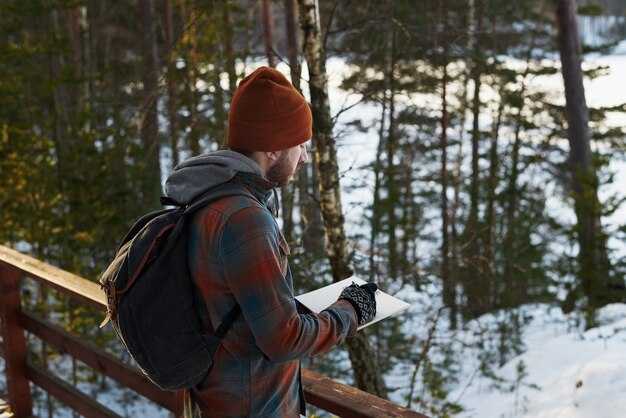
Pack a compact rain shell and sturdy boots. This place rewards visitors who plan for mixed weather, with blue water visible from the harbor and mist swirling along the mountains. For a pair of travelers, a lightweight daypack and a map keep exploring on track and avoid backtracking in the afternoon drizzle.
Start at the dock with clear instructions from the local staff, then hop a shuttle to the top vantage points. The shuttle system operates from morning to late afternoon, frequently enough for a half-day visit, and a single round trip covers Main Street, the waterfront, and the White Pass area. Ask a kompany like Starfire for route options or connect with kone for a more budget-friendly schedule, and keep a printed map in your pocket for easy reference.
Fuel up with delicious local fare after your stroll: wild-caught salmon, halibut chowder, and pastries from a bakery on the waterfront. Locals know the best spots for fresh seafood and hearty coffee, so ask for a couple of recommendations; you’ll often find a sunlit bench near the old depot to savor a quick bite before continuing exploring the wilderness edge.
Dress in layers and keep your valuables secure in a zipped pocket; mornings can be crisp while afternoons warm, and evening air turns chilly by the water. If you’re visiting during cruise season, plan for long waits near busy attractions, so pace your time and keep indoor museums or shops as a backup plan in case rain arrives.
Skagway is a gateway to alaskas wilderness and small-town charm. For a destination like this, a short stay works best if you balance outdoor exploring with humane pacing. Bring home mementos from the local craftsmen, check the hours of the museum, and decide whether you want a second day to retrace the coast or head inland to the Chilkat Valley. The locals love sharing stories, so say hello and ask about their pick for the best view and a delicious coffee; the pair of tips you gather will shape the rest of your travel.
Skagway Travel Essentials for Visitors
Pack layered clothing and a waterproof shell before you arrive; a true layering system will help you stay comfortable as harbor fog lifts and winds shift.
Plan a helicopter ride for a quick, panoramic look at nearby peaks; tours often combine flightseeing with a stop at a site that reveals local mining history.
For hiking, choose established trails and carry a map; understanding the terrain helps you pick between easy strolls and more challenging climbs, especially if you’ve been to similar ranges before.
Skagway’s streets blend authentic Alaska life with a hint of british influence from early settlement days. Locals share stories along the way, and several restored sites offer a glimpse into the town’s past.
Visit community gardens and coastal parks; during summer, brown benches and vivid flowers brighten the streets, and the gardens also provide quiet spaces to regroup between sights.
Local dining showcases seafood and offerings from nearby vintners; Alaska wine is worth a tasting, and you can pair it with crab or salmon when you dine around town. There’s something for every pace.
If you’re visiting during winter, sledding on gentle slopes is a playful option after a day of exploring, and many shops rent gear for a quick ride.
During peak season, carry small cash for tips and a rain cover for electronics; locals run small shops along the waterfront, and walks between pier and shop track give a real feel of life here. Generally, you’ll find short, flat routes near the waterfront.
Pack a compact camera, a light sunscreen, and a reusable bottle; this approach also helps you stay active for hiking, gardens, or a breezy harbor stroll.
Use this guide to focus on authentic experiences that locals value, and you’ll leave with a deeper understanding of Skagway’s time.
Best Time to Visit: Weather, Daylight Hours, and Cruise Schedule
Visit Skagway from late May to early September for the best daylight, weather, and cruise access.
From May through September expect daytime highs in the 60s to low 70s Fahrenheit (15–22°C), with cooler evenings around the 40s to 50s (5–12°C). Rain showers are common on many days, so pack a lightweight, quick-dry shell and versatile layers. The harbor stays chilly enough to remind you you’re in Alaska, so be prepared for water and wind when you shoreline explore. This window keeps food stalls fresh with delicious seafood options and makes outdoor activity easier to plan.
Daylight grows longer as spring fades: May clocks in around 14–16 hours of daylight, June stretches to roughly 18–20 hours, and July can reach up to about 20 hours. August remains bright with 16–18 hours, then September cools to 12–14 hours. This progression makes every hike, wildlife tour, and street stroll comfortable, letting you string together a sequence of adventure without rushed timing. Peel back the onion of Alaska daylight and you’ll see a steady rhythm that favors open-air tours and longer sightseeing days.
Cruise-wise, most ships call Skagway from May to September, with the heaviest activity in June through August. Expect a mix of dock calls and tender operations, depending on sea state and docking availability. The White Pass & Yukon Route railroad offers a standout railway excursion that pairs well with open-water views and a taste of local history. Plan to book tours early, as spots on popular hikes, wildlife watching, and town tours fill quickly. Shuttles and local kompany operators provide reliable transfers between the dock, railhead, and downtown, making it easy to combine multiple activities in one day. If you’re cruising, this window is your best bet for consistency and a fuller schedule, just in time to enjoy good food, souvenir finds, and comfortable pacing.
Beyond the peak season, winter visits shift the focus to sledding, snowshoe hikes, and museum history–activities that demand preparation and a flexible outlook. If you’re aiming for sledding adventures, plan for shorter daylight hours but richer solitude and iconic snowfall scenery. In any season, open this guide and you’ll find clear, practical tips to tailor tours, rides, and meals to your preferred rhythm, turning Skagway into a memorable stop on your Alaska itinerary.
Arriving and Getting Around: Town Access from the Cruise Dock
Disembark ashore and head to the waterfront path, then follow Main Street signs; you’ll reach the place and start to travel the heart of Skagway in about 10–15 minutes on foot.
For speed, the primary option is the dock shuttle that runs to Broadway and the visitor area every 15–20 minutes in summer; it costs a few dollars and helps you skip steep sidewalks. If you want a scenic overview, ride the White Pass & Yukon Route railway; the ride to Fraser or a short summit loop takes about 1.5 hours total, with 40–60 minutes one-way, and it offers open views of towering mountains and the harbor.
Once ashore, immerse yourself in town by combining a 20-minute walk with a cultural stop at the Klondike Gold Rush National Historical Park. Summer temperatures hover in the 50s–60s Fahrenheit, so bring a light layer for mornings and evenings near the harbor. The restored storefronts along the open waterfront create a special sense of place, and the casual pedestrian routes make it easy to weave between shops, docks, and photo spots.
Food stops along the harbor offer salmon dishes and burgers with homemade buns; taste local flavors at open-air counters and keep your itinerary flexible to catch a street performance or a small cultural display. This mix of flavors and sights makes travel ashore more enjoyable and lets passengers keep pace with their plans.
Clear communication at the pier helps passengers map options for the day; signs point toward the railway depot, museums, and markets, so you can adjust on the fly without missing a key moment in your Skagway experience.
| Walking from dock | Harbor path to Broadway and downtown shops | 10–15 min | Free, best for a quick start |
| Shuttle from dock | Direct to Broadway/visitor center | 15–20 min | Few dollars per person; frequent in summer |
| White Pass & Yukon Route railway | Scenic ride with a photo stop; option to loop back | 1.5–2 hrs total | Tickets at pier booth or depot; check itinerary timing |
Money, Costs, and Tipping: What to Budget for in Skagway
Budget about $180–$240 per day per person for a comfortable visit, excluding lodging. If you’re traveling with a group, you can share some tour costs and drop per-person spend a bit without sacrificing experiences.
- Lodging: In town, expect budget options around $50–$90 per night for hostels or bunkhouses, $120–$180 for solid mid-range inns, and $200–$350 for well-rated hotels during summer peak. Booking early helps, especially when ships are in port. If you’re staying a couple of nights, look for parts of a vacation rental or a small apartment to spread costs around your group.
- Food and drink: Breakfast typically $8–$15, lunch $12–$18, and dinner $18–$40. Coffee, smoothies, and non-alcoholic drinks run $3–$9; chips or quick snacks $2–$4 per bag. Alcohol can push daily totals higher, with beer $6–$9 and wine by the glass $9–$12. If you want to taste local goodness, try a seafood bowl or a hot-frontier chowder at a pier-side place.
- Activities and transport: A White Pass & Yukon Route train excursion sits around $60–$120 per person; guided town walks $15–$25; specialty experiences (like helicopter rides or longer wildlife tours) range $200–$350+. Many trail options are free, but guided hikes add value with safety and local insight. For groups, ask about multi-person discounts or bundled passes.
- Tips and service: Plan 15–20% of the pre-tax bill for restaurants; 15–20% for tour guides if no gratuity is included. Housekeeping on multi-night stays usually $2–$5 per person per day; consider $1–$2 per bag for porters or taxi drivers if service is good. In peak summer, a small extra is appreciated when staff go out of their way to help with gear or directions.
- Sundries and small charges: Souvenirs, chips, and drinks at the center of town add up quickly. For a more relaxed day, pick up a couple of smoothies or a light snack to tide you over during a walk along the waterfront and trails around the harbor.
Getting around and choosing a pace matters here. Skagway’s center is compact, so you can walk between most attractions and sample a few stops without hurrying. If you drive, expect limited street parking downtown and consider a morning visit to avoid cruise crowds. Weather can flip quickly in summer, so pack layers and a small rain shell to stay comfortable while you’re making your way toward the summit of a nearby pass or a lakeside overlook.
- Pack smart and stay flexible: layers, a light rain jacket, and water bottle help you stay out longer on hiking trails or around the historic center.
- Culture and history: A short detour to a frontier-era site or the town center’s historic brothel display adds context to your day, making the visit more meaningful.
- Matval och snacks: Om du vill ha snabba bett är chips och en smoothie bra alternativ mellan promenader och turer; för en stillasittande måltid, kolla in ett par av de berömda matställena i centrum för rejäla portioner och färska skaldjur.
- När man planerar i grupp: Grupprabatter på rundturer eller privata guider förekommer ofta, så fråga i förväg. Att dela en måltid på ett offentligt ställe kan minska kostnaderna per person samtidigt som det låter dig smaka på ett bredare utbud av drycker och rätter.
- Hälsa och säkerhet: Ha ett litet, tandvänligt snacks i väskan för att undvika att behöva ta något snabbt när du är ute på en längre vandring eller bilresa mot ett pass eller en bergstopp.
Exempel på dagsprogram: börja med en lätt frukost i centrum, promenera längs vattnet för att se fartyg och hundar nära hamnen, vandra en kort slinga, ta en smoothie och chips, och åk sedan ett historiskt tåg eller följ med på en grupptur till toppen av White Pass. På kvällen kommer du att ha en klar bild av platsen, dess kultur och de rimliga kostnaderna som hjälper dig att hålla en stadig budget för hela upplevelsen.
Boende: Logialternativ nära den historiska stadsdelen
Boende inom fem minuters gångavstånd från det historiska distriktet, i ett lugnare värdshus med bra ljudisolering och direkt tillgång till hamnen och tågförbindelsen till White Pass & Yukon Route. Detta ger snabba morgnar och undviker folkmassor, så att du kan påbörja vandrings- eller bergsklättringsleder med minimalt krångel.
Välj mellan renoverade värdshus i gamla byggnader, B&B med mysiga sällskapsrum eller boutiquehotell som bevarar Skagways historia och särart samtidigt som de erbjuder moderna badrum och pålitligt Wi-Fi. Dessa platser bevarar historien i sina bjälkar och fönster, men erbjuder bekvämligheter som kaffe, smoothies och en liten lugn tillflyktsort efter hektiska timmar i dagsljus; ibland delar personalen spökhistorier om den gamla staden med nyfikna gäster, men under högsäsong kan alla närliggande platser fyllas snabbt.
Avstånd: De flesta logier ligger två till fyra kvarter från det historiska distriktet, så du kan promenera efter ett museumsbesök eller en snabb hälleflundramiddag vid hamnen. Om du har med dig utrustning för vandring, be om tillgång till bottenvåningen eller förvaring av packningar.
Räkna med priser på cirka 150–250 per natt under lågsäsong och 210–350 under högsäsong. Boka tidigt för bästa tillgänglighet och flexibla avbokningsregler. Ange ett kort vid bokning och bekräfta sängtyp för att undvika missförstånd.
När du har installerat dig kan du använda basen för en populär resplan med enkla vandringsleder eller Mount Roberts-leden. Många stugor erbjuder snabba instruktioner för självguidade rutter, kartor och tips. För måltider, leta efter närliggande ställen som erbjuder smoothies eller rostat kaffe och färska hälleflundrarätter.
När du planerar din resväg, välj en vistelse i Skagways historiska distrikt för att hålla sightseeingen smidig. Om du reser ensam erbjuder de flesta boenden enkelrum med kompakta planlösningar. Den här uppställningen hjälper dig att maximera dagsljuset för vandringar och kustpromenader före middagen.
Mat och dryck: Rätter du måste prova, kaféer och lokala bryggerier
Beställ hälleflundran på salongen, serverad med lök relish och en klar citron som inte irriterar din tand, skölj sedan ner det med en nordlig bärnsten från ett närliggande mikrobryggeri.
För andra måste-prova-rätter, leta efter kungskrabbsben med smält smör, vild lax chowder och renkorv med bärchutney. Vegetarian Alternativ inkluderar curry på rödbeta och kokos, grillade grönsaksbowls och en sallad med lokalt odlade grönsaker från trädgårdar i närheten. Här betonar många kök traditionella recept; oavsett om du är sugen på fisk och skaldjur, kött eller växtbaserade rätter, hittar du tillfredsställande alternativ. Kombinera varje rätt med ett glas lokal cider eller öl.
Kaféer nära hamnen erbjuder starkt kaffe, färska bakverk och lättare tilltugg. Ett populärt ställe kombinerar kaffe med glasblåsningsdemonstrationer; att se hantverket tillför lokal smak till ditt besök. De säljer ofta handgjorda muggar, perfekta för dig själv, och en kone-bakelse från ett nordiskt bageri står på disken. Här delar lokalbor tips om de bästa ställena att äta och dricka. Gå mot vattnet efter skymningen för en lugn bit mat och utsikt över vattnet.
För öl, leta efter provsmakningsrum med ett nordligt fokus. Prova en granskottspale ale, en kustporter och en stout lagrad på whiskyfat. De flesta ställen är oberoende och välkomnar besökare med korta rundturer på cirka 45 minuter. Om du hyr en cykel kan du hoppa mellan ställena och njuta av bergsutsikten.
Att göra en plan med flexibla mattider hjälper. Här är praktiska anteckningar: kolla säsongsöppettider när du planerar, och hyr utrustning om du planerar en dagsvandring. Om du har kostbehov, be om tydligt märkta vegetariska rätter. Lokalbefolkningen är inte blyga för att dela med sig av tips, och de odlar örter i trädgårdarna längs floden för att smaksätta rätterna. Detta är ett viktigt tips för förstagångsbesökare och hjälper till med menyändringar. När du är klar, ta ett glas eller en mugg som minne för att påminna dig själv om Skagways arv och glasblåsningsstudior. Dessutom kan du välja en liten souvenir till dig själv att ta med hem.