


 Português
  English (UK)
  Русский
  বাংলা
বাংলা  العربية
  日本語
日本語  한국어
한국어  Magyar
  Norsk nynorsk
  Türkçe
  עִבְרִית
  Español
  Čeština
  Svenska
  Ελληνικά
  Suomi
Suomi  Nederlands
  Română
  Italiano
  Français
  Polski
  Українська
  Deutsch
  简体中文
简体中文  Slovenčina
  Српски језик
  اردو
اردو  Azərbaycan dili
  O‘zbekcha
  አማርኛ
አማርኛ 
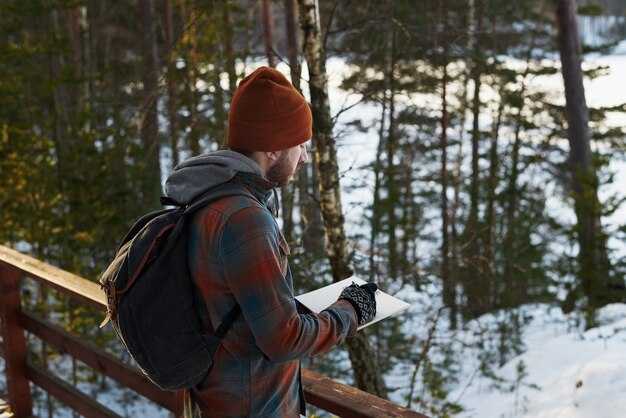
Pack a compact rain shell and sturdy boots. This place rewards visitors who plan for mixed weather, with blue water visible from the harbor and mist swirling along the mountains. For a pair of travelers, a lightweight daypack and a map keep exploring on track and avoid backtracking in the afternoon drizzle.
Start at the dock with clear instructions from the local staff, then hop a shuttle to the top vantage points. The shuttle system operates from morning to late afternoon, frequently enough for a half-day visit, and a single round trip covers Main Street, the waterfront, and the White Pass area. Ask a kompany like Starfire for route options or connect with kone for a more budget-friendly schedule, and keep a printed map in your pocket for easy reference.
Fuel up with delicious local fare after your stroll: wild-caught salmon, halibut chowder, and pastries from a bakery on the waterfront. Locals know the best spots for fresh seafood and hearty coffee, so ask for a couple of recommendations; you’ll often find a sunlit bench near the old depot to savor a quick bite before continuing exploring the wilderness edge.
Dress in layers and keep your valuables secure in a zipped pocket; mornings can be crisp while afternoons warm, and evening air turns chilly by the water. If you’re visiting during cruise season, plan for long waits near busy attractions, so pace your time and keep indoor museums or shops as a backup plan in case rain arrives.
Skagway is a gateway to alaskas wilderness and small-town charm. For a destination like this, a short stay works best if you balance outdoor exploring with humane pacing. Bring home mementos from the local craftsmen, check the hours of the museum, and decide whether you want a second day to retrace the coast or head inland to the Chilkat Valley. The locals love sharing stories, so say hello and ask about their pick for the best view and a delicious coffee; the pair of tips you gather will shape the rest of your travel.
Skagway Travel Essentials for Visitors
Pack layered clothing and a waterproof shell before you arrive; a true layering system will help you stay comfortable as harbor fog lifts and winds shift.
Plan a helicopter ride for a quick, panoramic look at nearby peaks; tours often combine flightseeing with a stop at a site that reveals local mining history.
For hiking, choose established trails and carry a map; understanding the terrain helps you pick between easy strolls and more challenging climbs, especially if you’ve been to similar ranges before.
Skagway’s streets blend authentic Alaska life with a hint of british influence from early settlement days. Locals share stories along the way, and several restored sites offer a glimpse into the town’s past.
Visit community gardens and coastal parks; during summer, brown benches and vivid flowers brighten the streets, and the gardens also provide quiet spaces to regroup between sights.
Local dining showcases seafood and offerings from nearby vintners; Alaska wine is worth a tasting, and you can pair it with crab or salmon when you dine around town. There’s something for every pace.
If you’re visiting during winter, sledding on gentle slopes is a playful option after a day of exploring, and many shops rent gear for a quick ride.
During peak season, carry small cash for tips and a rain cover for electronics; locals run small shops along the waterfront, and walks between pier and shop track give a real feel of life here. Generally, you’ll find short, flat routes near the waterfront.
Pack a compact camera, a light sunscreen, and a reusable bottle; this approach also helps you stay active for hiking, gardens, or a breezy harbor stroll.
Use this guide to focus on authentic experiences that locals value, and you’ll leave with a deeper understanding of Skagway’s time.
Best Time to Visit: Weather, Daylight Hours, and Cruise Schedule
Visit Skagway from late May to early September for the best daylight, weather, and cruise access.
From May through September expect daytime highs in the 60s to low 70s Fahrenheit (15–22°C), with cooler evenings around the 40s to 50s (5–12°C). Rain showers are common on many days, so pack a lightweight, quick-dry shell and versatile layers. The harbor stays chilly enough to remind you you’re in Alaska, so be prepared for water and wind when you shoreline explore. This window keeps food stalls fresh with delicious seafood options and makes outdoor activity easier to plan.
Daylight grows longer as spring fades: May clocks in around 14–16 hours of daylight, June stretches to roughly 18–20 hours, and July can reach up to about 20 hours. August remains bright with 16–18 hours, then September cools to 12–14 hours. This progression makes every hike, wildlife tour, and street stroll comfortable, letting you string together a sequence of adventure without rushed timing. Peel back the onion of Alaska daylight and you’ll see a steady rhythm that favors open-air tours and longer sightseeing days.
Cruise-wise, most ships call Skagway from May to September, with the heaviest activity in June through August. Expect a mix of dock calls and tender operations, depending on sea state and docking availability. The White Pass & Yukon Route railroad offers a standout railway excursion that pairs well with open-water views and a taste of local history. Plan to book tours early, as spots on popular hikes, wildlife watching, and town tours fill quickly. Shuttles and local kompany operators provide reliable transfers between the dock, railhead, and downtown, making it easy to combine multiple activities in one day. If you’re cruising, this window is your best bet for consistency and a fuller schedule, just in time to enjoy good food, souvenir finds, and comfortable pacing.
Beyond the peak season, winter visits shift the focus to sledding, snowshoe hikes, and museum history–activities that demand preparation and a flexible outlook. If you’re aiming for sledding adventures, plan for shorter daylight hours but richer solitude and iconic snowfall scenery. In any season, open this guide and you’ll find clear, practical tips to tailor tours, rides, and meals to your preferred rhythm, turning Skagway into a memorable stop on your Alaska itinerary.
Arriving and Getting Around: Town Access from the Cruise Dock
Disembark ashore and head to the waterfront path, then follow Main Street signs; you’ll reach the place and start to travel the heart of Skagway in about 10–15 minutes on foot.
For speed, the primary option is the dock shuttle that runs to Broadway and the visitor area every 15–20 minutes in summer; it costs a few dollars and helps you skip steep sidewalks. If you want a scenic overview, ride the White Pass & Yukon Route railway; the ride to Fraser or a short summit loop takes about 1.5 hours total, with 40–60 minutes one-way, and it offers open views of towering mountains and the harbor.
Once ashore, immerse yourself in town by combining a 20-minute walk with a cultural stop at the Klondike Gold Rush National Historical Park. Summer temperatures hover in the 50s–60s Fahrenheit, so bring a light layer for mornings and evenings near the harbor. The restored storefronts along the open waterfront create a special sense of place, and the casual pedestrian routes make it easy to weave between shops, docks, and photo spots.
Food stops along the harbor offer salmon dishes and burgers with homemade buns; taste local flavors at open-air counters and keep your itinerary flexible to catch a street performance or a small cultural display. This mix of flavors and sights makes travel ashore more enjoyable and lets passengers keep pace with their plans.
Clear communication at the pier helps passengers map options for the day; signs point toward the railway depot, museums, and markets, so you can adjust on the fly without missing a key moment in your Skagway experience.
| Walking from dock | Harbor path to Broadway and downtown shops | 10–15 min | Free, best for a quick start |
| Shuttle from dock | Direct to Broadway/visitor center | 15–20 min | Few dollars per person; frequent in summer |
| White Pass & Yukon Route railway | Scenic ride with a photo stop; option to loop back | 1.5–2 hrs total | Tickets at pier booth or depot; check itinerary timing |
Money, Costs, and Tipping: What to Budget for in Skagway
Budget about $180–$240 per day per person for a comfortable visit, excluding lodging. If you’re traveling with a group, you can share some tour costs and drop per-person spend a bit without sacrificing experiences.
- Lodging: In town, expect budget options around $50–$90 per night for hostels or bunkhouses, $120–$180 for solid mid-range inns, and $200–$350 for well-rated hotels during summer peak. Booking early helps, especially when ships are in port. If you’re staying a couple of nights, look for parts of a vacation rental or a small apartment to spread costs around your group.
- Food and drink: Breakfast typically $8–$15, lunch $12–$18, and dinner $18–$40. Coffee, smoothies, and non-alcoholic drinks run $3–$9; chips or quick snacks $2–$4 per bag. Alcohol can push daily totals higher, with beer $6–$9 and wine by the glass $9–$12. If you want to taste local goodness, try a seafood bowl or a hot-frontier chowder at a pier-side place.
- Activities and transport: A White Pass & Yukon Route train excursion sits around $60–$120 per person; guided town walks $15–$25; specialty experiences (like helicopter rides or longer wildlife tours) range $200–$350+. Many trail options are free, but guided hikes add value with safety and local insight. For groups, ask about multi-person discounts or bundled passes.
- Tips and service: Plan 15–20% of the pre-tax bill for restaurants; 15–20% for tour guides if no gratuity is included. Housekeeping on multi-night stays usually $2–$5 per person per day; consider $1–$2 per bag for porters or taxi drivers if service is good. In peak summer, a small extra is appreciated when staff go out of their way to help with gear or directions.
- Sundries and small charges: Souvenirs, chips, and drinks at the center of town add up quickly. For a more relaxed day, pick up a couple of smoothies or a light snack to tide you over during a walk along the waterfront and trails around the harbor.
Getting around and choosing a pace matters here. Skagway’s center is compact, so you can walk between most attractions and sample a few stops without hurrying. If you drive, expect limited street parking downtown and consider a morning visit to avoid cruise crowds. Weather can flip quickly in summer, so pack layers and a small rain shell to stay comfortable while you’re making your way toward the summit of a nearby pass or a lakeside overlook.
- Pack smart and stay flexible: layers, a light rain jacket, and water bottle help you stay out longer on hiking trails or around the historic center.
- Culture and history: A short detour to a frontier-era site or the town center’s historic brothel display adds context to your day, making the visit more meaningful.
- Opções de comida e snacks: Se procura refeições rápidas, batatas fritas e um batido são boas opções entre passeios a pé e visitas; para uma refeição sentada, procure alguns dos restaurantes famosos no centro para doses generosas e marisco fresco.
- A planear em grupo: Muitas vezes existem descontos para grupos em excursões ou guias privados, por isso pergunte com antecedência. Partilhar uma refeição num local público pode reduzir os custos por pessoa, ao mesmo tempo que lhe permite provar uma maior variedade de bebidas e pratos.
- Saúde e segurança: Leve um pequeno snack amigo dos dentes na sua mala para evitar ter de agarrar algo rápido quando estiver numa caminhada mais longa ou num passeio panorâmico em direção a uma passagem ou cume.
Sugestão de plano para um dia: comece com um pequeno-almoço leve no centro, caminhe ao longo da orla para ver navios e cães perto das docas, faça uma pequena caminhada circular, compre um batido e batatas fritas e, em seguida, apanhe um comboio histórico ou junte-se a uma visita de grupo ao topo do White Pass. Ao final da tarde, terá uma noção clara do lugar, da sua cultura e dos custos razoáveis que o ajudam a manter um orçamento estável para a experiência completa.
Onde ficar: Opções de alojamento perto do centro histórico
Procure um alojamento mais sossegado a cinco minutos a pé do Bairro Histórico, com bom isolamento acústico e acesso direto ao porto e à linha de comboio para a White Pass & Yukon Route. Isto agiliza as suas manhãs e evita multidões, permitindo-lhe começar trilhos de caminhada ou rotas de alpinismo com o mínimo de dificuldade.
Escolha entre pousadas restauradas em edifícios antigos, B&Bs com salas comuns acolhedoras ou hotéis boutique que mantêm a história e o carácter de Skagway, oferecendo banheiros modernos e Wi-Fi confiável. Estes locais preservam a história nas suas vigas e janelas, mas proporcionam comodidades como café no local, smoothies e um pequeno refúgio tranquilo após as horas agitadas do dia; ocasionalmente, os funcionários partilham histórias de fantasmas sobre a cidade velha com hóspedes curiosos, no entanto, a procura na época alta pode preencher rapidamente todos os lugares próximos.
Distâncias: A maioria dos alojamentos fica a duas a quatro quarteirões do Bairro Histórico, pelo que pode passear depois de uma visita a um museu ou de um rápido jantar de halibute num local junto ao porto. Se trouxer equipamento para caminhadas, solicite acesso ao rés do chão ou um espaço para guardar as mochilas.
Espere preços entre 150–250 por noite em época baixa e 210–350 durante as semanas de maior procura. Reserve com antecedência para obter a melhor disponibilidade e políticas de cancelamento flexíveis. Ao reservar, forneça um cartão e confirme o tipo de cama para evitar discrepâncias.
Depois de se instalarem, usem a vossa base para um itinerário popular de percursos pedestres fáceis ou o trilho do Monte Roberts. Muitos alojamentos oferecem instruções rápidas para percursos autoguiados, mapas e dicas. Para as refeições, procurem sítios próximos que ofereçam smoothies ou café torrado e pratos de alabote fresco.
Ao planear o seu itinerário, opte por ficar no bairro histórico de Skagway para facilitar os passeios turísticos. Se viajar sozinho, a maioria dos alojamentos oferece quartos individuais com layouts compactos. Esta configuração ajuda a maximizar a luz do dia para caminhadas e passeios costeiros antes do jantar.
Comida e Bebida: Pratos a não perder, Cafés e Cervejarias Locais
Peça o alabote no saloon, servido com um refogado de cebola e um limão brilhante que não vai irritar o seu dente, depois acompanhe com uma amber do norte de uma microcervejaria próxima.
Para outros pratos imperdíveis, procure patas de caranguejo-real com manteiga derretida, sopa de salmão selvagem e salsicha de rena com chutney de frutos silvestres. Vegetarian As opções incluem caril de beterraba e coco, taças de vegetais grelhados e uma salada do campo com verduras cultivadas localmente em hortas vizinhas. Aqui, muitas cozinhas enfatizam receitas tradicionais; quer deseje marisco, carne ou pratos à base de plantas, encontrará opções satisfatórias. Acompanhe cada prato com um copo de sidra ou cerveja local.
Cafés perto das docas oferecem café forte, pastelaria fresca e refeições ligeiras. Um local favorito junta o café a demonstrações de fabrico de vidro; assistir ao artesanato adiciona um toque local à sua visita. Muitas vezes vendem canecas artesanais, perfeitas para si, e um pastel kone de uma padaria nórdica encontra-se no balcão. Aqui, os habitantes locais partilham dicas sobre os melhores sítios para comer e beber. Dirija-se para a orla marítima após o anoitecer para uma refeição tranquila e uma vista para a água.
Para cerveja, procure salas de provas com um foco mais a norte. Experimente uma pale ale com rebentos de abeto, uma porter costeira e uma stout envelhecida em barris de whisky. A maioria dos espaços são independentes e recebem os visitantes com pequenas visitas guiadas de cerca de 45 minutos. Se alugar uma bicicleta, pode saltar entre os espaços e desfrutar das vistas da montanha.
Fazer um plano com horários flexíveis para refeições ajuda. Aqui ficam notas práticas: verifique os horários sazonais ao planear e alugue equipamento se planear uma caminhada de um dia. Se tiver necessidades alimentares específicas, peça opções vegetarianas claramente identificadas. Os habitantes locais não são tímidos em partilhar dicas e cultivam ervas em jardins à beira-rio para dar sabor aos pratos. Esta é uma dica fundamental para quem vem pela primeira vez e ajuda com as alterações ao menu. Quando terminar, pegue num copo ou caneca como recordação para se lembrar da herança de Skagway e dos seus ateliês de vidro soprado. Além disso, pode escolher uma pequena lembrança para levar para casa.