


 Svenska
  English (UK)
  Русский
  বাংলা
বাংলা  العربية
  日本語
日本語  한국어
한국어  Magyar
  Norsk nynorsk
  Türkçe
  עִבְרִית
  Español
  Čeština
  Português
  Ελληνικά
  Suomi
Suomi  Nederlands
  Română
  Italiano
  Français
  Polski
  Українська
  Deutsch
  简体中文
简体中文  Slovenčina
  Српски језик
  اردو
اردو  Azərbaycan dili
  O‘zbekcha
  አማርኛ
አማርኛ 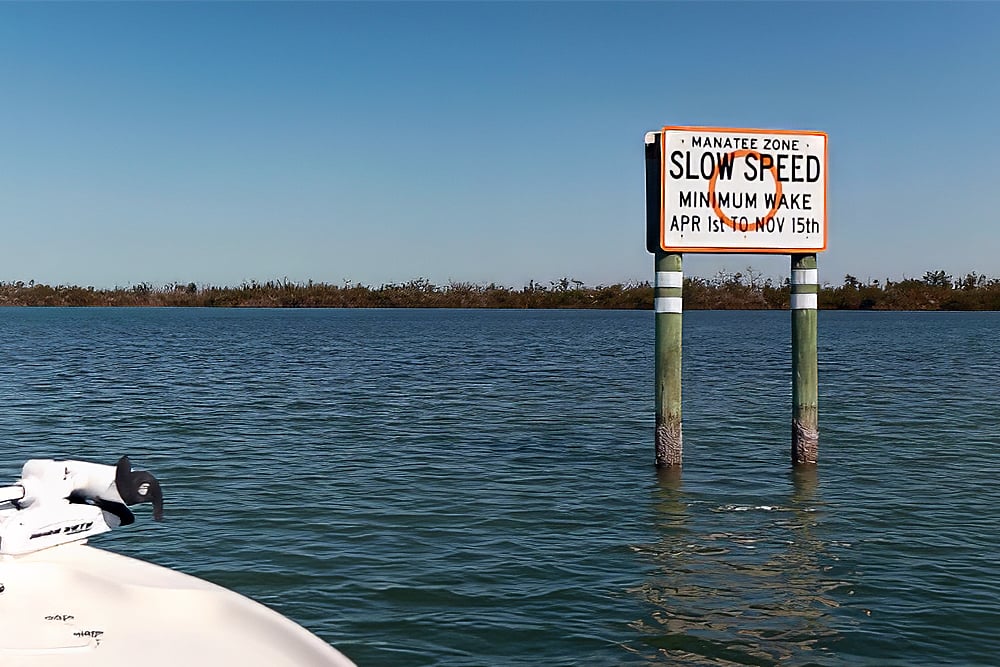 Navigera VAK-zoner i sydvästra Florida: Praktiska regler och turismens påverkan">

Seasonal manatee protection zones in Southwest Florida typically run from November 15 through March 31, and within those marked waterways the Florida Fish and Wildlife Conservation Commission (FWC) and local authorities commonly require Idle Speed/No Wake operation or strict reduced-speed limits to minimize collisions and propeller injuries.
Types of Wake Zones at a Glance
| Zone Type | Typisk hastighet | Where You’ll See It | Primärt Syfte |
|---|---|---|---|
| Idle Speed / No Wake | Lowest speed to maintain steerage (no wake) | Marinas, docks, boat ramps, narrow canals | Prevent wakes that damage property and endanger swimmers |
| Slow Speed / Minimum Wake | Approximately 5–7 mph; off plane | Residential waterfronts, shallow channels, manatee habitats | Limit wake size to protect shorelines and wildlife |
| Seasonal Manatee Protection | Varies by location; often reduced to Idle/Slow | Warm-water refuges, power plant outflows, shallow rivers | Reduce boat strikes during manatee migration and congregations |
How to Operate in Marked Zones
When you encounter posted signs or channel markers, follow these practical steps:
- Slow down early: Reduce speed before entering a marked zone to avoid abrupt maneuvering.
- Stay off plane: In slow-speed areas, bring the hull down so the boat is settled in the water.
- Watch for wildlife: Scan both the surface and the waterline for manatees, turtles, and swimmers.
- Position your bow: When idle, keep the bow angled to maintain steerage without creating wake.
- Respect posted signs: Zone boundaries are legal limits — ignorance is not a defense.
Equipment and Crew Responsibilities
Ensure the vessel has functioning navigation lights, a reliable throttle control, and a lookout assigned when moving at low speeds in congested or wildlife-sensitive areas.
Why Wake Zones Matter
Wake zones are not arbitrary; they preserve safety, wildlife, and infrastructure:
- Boating safety: Slower speeds reduce collision risk and give operators more reaction time in crowded channels.
- Skydd av vilda djur: Manatee injuries from propellers and strikes drop significantly when boats obey speed limits.
- Shoreline preservation: Reduced wakes prevent erosion, protect seawalls and docks, and reduce stress on pilings.
- Seagrass and water quality: Lower wakes limit prop scarring and sediment resuspension that can take years to recover.
Penalties for Violations
Enforcement can be both local and federal; penalties increase steeply if a violation results in an injured or dead manatee.
| Auktoritet | Typical Penalties | Consequences |
|---|---|---|
| State (FWC/local) | Fines commonly $100–$500+, court appearances, points | Escalating fines for repeat offenders |
| Federal (manatee-related) | Fines up to $100,000; imprisonment up to one year | Possible vessel impoundment for severe cases |
Practical Tips for Boaters and Tourists
Whether renting a small craft, joining a charter, or enjoying waterfront dining, keep these tips in mind:
- Consult local charts and watch for FWC markers before departure.
- Allow extra travel time — obeying slow zones can add minutes but prevents costly incidents.
- Choose licensed charter operators who brief passengers on zone rules.
- Keep noise and wake-producing activities away from designated habitats.
- Report injured wildlife to the nearest FWC hotline — prompt reports save lives.
Tourism, Charters and the Local Economy
Local tourism relies on healthy waterways: operators offering kryssningspaket, Yachtpartyn, eco-focused tours and wildlife viewing must design itineraries that respect wake zones to remain sustainable and compliant. Responsible operators combine visitor enjoyment with conservation—this balances economic benefit with long-term protection of the very assets visitors come to see.
For travelers seeking guided experiences in Southwest Florida, GetExperience.com lists a wide selection of local tours and excursions that comply with regional regulations. The platform allows secure online payments with voucher confirmation and offers the option to submit tailored requests so providers can deliver personalized tours that fit your interests and schedule. On GetExperience, you book your experience from verified providers at reasonable prices—convenient, transparent, and tailored to your needs. Book now GetExperience.com
In summary, awareness of Idle Speed/No Wake och Slow Speed/Minimum Wake zones, seasonal manatee protections, and posted FWC guidelines is essential for anyone enjoying Southwest Florida waterways. Obeying signs, slowing early, and choosing responsible tour providers protects wildlife, prevents shoreline damage, and ensures safer navigation for all. Personal experience will always trump secondhand advice: nothing replaces getting out on the water to learn the nuances of these zones firsthand, whether via a museum tour with live guides, a luxury adventure travel experience, an eco-friendly wildlife safari, or an exclusive yacht charter for events. Travel experiences that respect local rules—be they adventure rafting trips for beginners, safari tours, cruise packages, interactive online cultural workshops, or even beginner esports coaching sessions—help preserve destinations for future visitors and create better memories for everyone.