


 Română
  English (UK)
  Русский
  বাংলা
বাংলা  العربية
  日本語
日本語  한국어
한국어  Magyar
  Norsk nynorsk
  Türkçe
  עִבְרִית
  Español
  Čeština
  Svenska
  Português
  Ελληνικά
  Suomi
Suomi  Nederlands
  Italiano
  Français
  Polski
  Українська
  Deutsch
  简体中文
简体中文  Slovenčina
  Српски језик
  اردو
اردو  Azərbaycan dili
  O‘zbekcha
  አማርኛ
አማርኛ 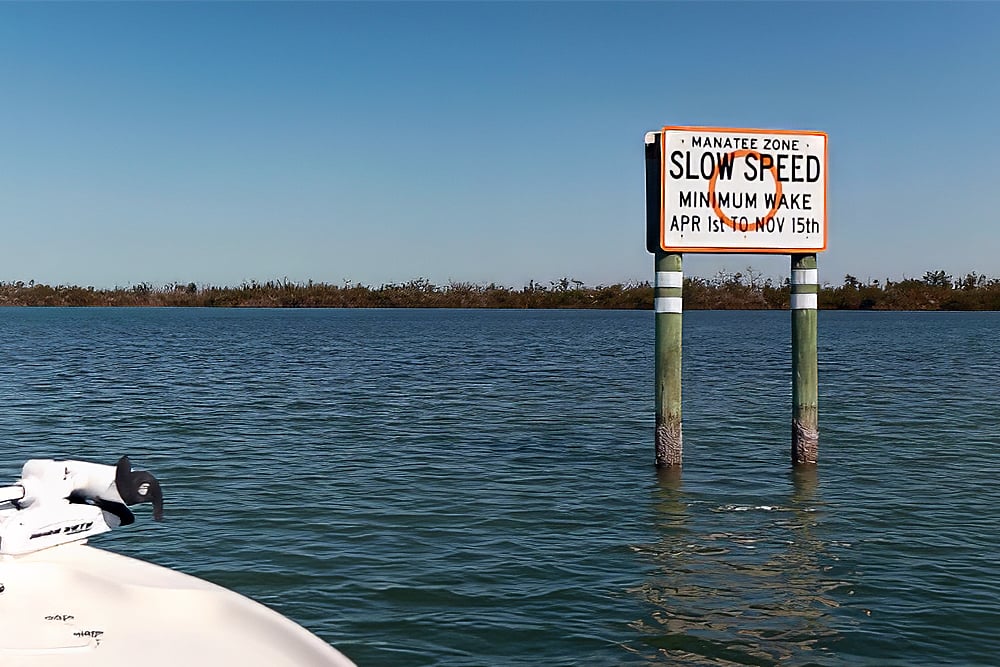 Navigating Wake Zones in Southwest Florida: Practical Rules and Tourism Impact">

Seasonal manatee protection zones in Southwest Florida typically run from November 15 through March 31, and within those marked waterways the Florida Fish and Wildlife Conservation Commission (FWC) and local authorities commonly require Idle Speed/No Wake operation or strict reduced-speed limits to minimize collisions and propeller injuries.
Types of Wake Zones at a Glance
| Zone Type | Viteză tipică | Where You’ll See It | Scop primar |
|---|---|---|---|
| Idle Speed / No Wake | Lowest speed to maintain steerage (no wake) | Marinas, docks, boat ramps, narrow canals | Prevent wakes that damage property and endanger swimmers |
| Slow Speed / Minimum Wake | Approximately 5–7 mph; off plane | Residential waterfronts, shallow channels, manatee habitats | Limit wake size to protect shorelines and wildlife |
| Seasonal Manatee Protection | Varies by location; often reduced to Idle/Slow | Warm-water refuges, power plant outflows, shallow rivers | Reduce boat strikes during manatee migration and congregations |
How to Operate in Marked Zones
When you encounter posted signs or channel markers, follow these practical steps:
- Slow down early: Reduce speed before entering a marked zone to avoid abrupt maneuvering.
- Stay off plane: In slow-speed areas, bring the hull down so the boat is settled in the water.
- Watch for wildlife: Scan both the surface and the waterline for manatees, turtles, and swimmers.
- Position your bow: When idle, keep the bow angled to maintain steerage without creating wake.
- Respect posted signs: Zone boundaries are legal limits — ignorance is not a defense.
Equipment and Crew Responsibilities
Ensure the vessel has functioning navigation lights, a reliable throttle control, and a lookout assigned when moving at low speeds in congested or wildlife-sensitive areas.
Why Wake Zones Matter
Wake zones are not arbitrary; they preserve safety, wildlife, and infrastructure:
- Boating safety: Slower speeds reduce collision risk and give operators more reaction time in crowded channels.
- Protecția faunei sălbatice: Manatee injuries from propellers and strikes drop significantly when boats obey speed limits.
- Shoreline preservation: Reduced wakes prevent erosion, protect seawalls and docks, and reduce stress on pilings.
- Seagrass and water quality: Lower wakes limit prop scarring and sediment resuspension that can take years to recover.
Penalties for Violations
Enforcement can be both local and federal; penalties increase steeply if a violation results in an injured or dead manatee.
| Autoritate | Typical Penalties | Consequences |
|---|---|---|
| Stat (FWC/local) | Fines commonly $100–$500+, court appearances, points | Amenzi progresive pentru recidiviști |
| Federal (manatee-related) | Amenzi de până la 100.000 lei; închisoare de până la un an | Possible vessel impoundment for severe cases |
Practical Tips for Boaters and Tourists
Fie că închiriați o ambarcațiune mică, vă alăturați unei curse charter sau vă bucurați de o cină pe malul apei, țineți cont de aceste sfaturi:
- Consultați hărțile locale și fiți atenți la marcajele FWC înainte de plecare.
- Allow extra travel time — obeying slow zones can add minutes but prevents costly incidents.
- Choose licensed charter operators who brief passengers on zone rules.
- Keep noise and wake-producing activities away from designated habitats.
- Report injured wildlife to the nearest FWC hotline — prompt reports save lives.
Tourism, Charters and the Local Economy
Turismul local se bazează pe căi navigabile sănătoase: operatori care oferă pachete de croazieră, petreceri pe iaht, tururile eco și observarea faunei sălbatice trebuie să conceapă itinerarii care respectă zonele de turbulențe pentru a rămâne durabile și conforme. Operatorii responsabili combină satisfacția vizitatorilor cu conservarea—acest lucru echilibrează beneficiul economic cu protecția pe termen lung a activelor pe care vizitatorii vin să le vadă.
Pentru călătorii care caută experiențe ghidate în sud-vestul Floridei, GetExperience.com oferă o selecție largă de tururi și excursii locale care respectă reglementările regionale. Platforma permite plăți online securizate cu confirmarea voucherului și oferă opțiunea de a trimite cereri personalizate, astfel încât furnizorii să poată oferi tururi personalizate care se potrivesc intereselor și programului dumneavoastră. Pe GetExperience, rezervați-vă experiența de la furnizori verificați la prețuri rezonabile — convenabil, transparent și adaptat nevoilor dumneavoastră. Rezervați acum GetExperience.com
În concluzie, conștientizarea Idle Speed/No Wake și Slow Speed/Minimum Wake zones, seasonal manatee protections, and posted FWC guidelines is essential for anyone enjoying Southwest Florida waterways. Obeying signs, slowing early, and choosing responsible tour providers protects wildlife, prevents shoreline damage, and ensures safer navigation for all. Personal experience will always trump secondhand advice: nothing replaces getting out on the water to learn the nuances of these zones firsthand, whether via a museum tour with live guides, a luxury adventure travel experience, an eco-friendly wildlife safari, or an exclusive yacht charter for events. Travel experiences that respect local rules—be they adventure rafting trips for beginners, safari tours, cruise packages, interactive online cultural workshops, or even beginner esports coaching sessions—help preserve destinations for future visitors and create better memories for everyone.