


 Српски језик
  English (UK)
  Русский
  বাংলা
বাংলা  العربية
  日本語
日本語  한국어
한국어  Magyar
  Norsk nynorsk
  Türkçe
  עִבְרִית
  Español
  Čeština
  Svenska
  Português
  Ελληνικά
  Suomi
Suomi  Nederlands
  Română
  Italiano
  Français
  Polski
  Українська
  Deutsch
  简体中文
简体中文  Slovenčina
  اردو
اردو  Azərbaycan dili
  O‘zbekcha
  አማርኛ
አማርኛ 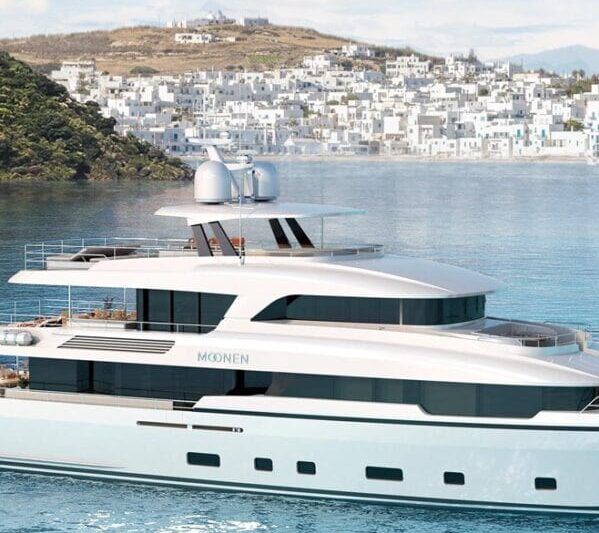 Praktični koraci za kupovinu polovnog čamca od prodavca u Majamiju">

Florida requires vessel registration within 30 days of purchase and visible registration numbers; in Miami, marina slip availability and local hurricane-season storage logistics often influence both the purchase decision and ongoing costs. Expect Coast Guard safety equipment requirements, traceable maintenance records, and pre-purchase surveys to be non-negotiable when dealing with reputable Miami dealers.
1. First Visit: Define Your Needs and Budget
The initial dealer meeting should quickly clarify intended use, crew size, and storage plans so you can match vessel type to real logistics like slip dimensions, draft limitations, and seasonal transport options.
Define Your Boating Purpose
- Day cruising: Lower overnight systems required; ideal for Biscayne Bay or intracoastal runs.
- Риболов: Center consoles or bay boats with outriggers and livewell capacity for Miami’s offshore and inshore fisheries.
- Overnight/long-range: Cruisers and yachts with berths, galley and head for extended trips or chartering.
- Family outings: Pontoon boats for relaxed, shallow-water excursions.
Set a Realistic Budget
Beyond the purchase price, factor in recurring expenses. A clear budget should include осигурање, marina fees, одржавање, гориво and possible haul-out costs for hurricane season. Dealers can often provide region-specific estimates and typical annual totals for Miami owners.
2. Narrowing Options: Choosing the Right Boat
Filter listings by condition, service history, and intended logistics such as trailering capability, berth availability and draft limitations for shallow channels.
Choosing the Right Boat Type
| Тип | Najbolje za | Уобичајени распон трошкова | Tourism / Experience Use |
|---|---|---|---|
| Powerboat | Day trips, water sports | $15k–$200k+ | Yacht parties, cruise packages |
| Fishing Boat | Sportfishing, inlets | $20k–$250k+ | Safari tours (fishing-focused) |
| Cruiser / Yacht | Overnight, luxury | $100k–$multi-million | Luxury adventure travel experiences, exclusive yacht charters |
| Pontoon | Family outings, calm waters | $10k–$80k | Casual cruise packages, day tours |
Evaluating the Boat’s Condition
- Hull: Check for osmosis, repairs, delamination and paint history—critical in saltwater climates.
- Мотор: Review hours, service logs and compression/diagnostic reports.
- Interior & Deck: Inspect upholstery, scuppers, bilges for corrosion or leaks.
- Electronics & Systems: GPS, VHF, pumps and wiring must be operational and up to safety standards.
3. Pre-Purchase Inspection: Hire a Marine Surveyor
An independent marine surveyor will produce a written report covering structural integrity, mechanical condition and safety compliance. In Miami, inspectors often check for saltwater corrosion and aftermarket repairs that can affect resale and insurance.
What a Survey Covers
- Hull and deck structural integrity
- Engine and propulsion systems
- Onboard electrical and plumbing systems
- Safety equipment and regulatory compliance
4. Sea Trial: Test Performance Under Way
Arrange a sea trial along representative routes (Biscayne Bay, coastal runs) at various RPMs and sea states to confirm handling, speed, vibration and system reliability.
Sea Trial Checklist
- Warm-up and idle behavior
- Acceleration and top-end performance
- Steering, stability and trim response
- Operational check of navigation and safety gear
5. Negotiation, Paperwork and Financing
Use the survey findings to negotiate price adjustments or required repairs. Ensure the dealer provides a clear bill of sale, title transfer documentation and guidance on Florida registration procedures. If financing, verify lender terms and that insurance meets lender requirements.
Closing Steps
- Complete bill of sale and title transfer
- Secure insurance and secure any required lender endorsements
- Register vessel and display decals as required
6. After-Sale Support and Ongoing Maintenance
Plan a maintenance schedule with qualified marine technicians—especially post-season service to combat saltwater corrosion. Reputable dealers often provide service referrals, warranty options and parts sourcing.
The buying process can be as much about local logistics—marina rules, slip size, hurricane hauling plans—as it is about the boat itself. Even the best pre-sale inspections and dealer transparency can’t substitute for personal time aboard; firsthand experience reveals how a vessel handles, how systems feel in real use, and whether it fits your lifestyle. On GetExperience, you book experiences from verified providers at reasonable prices—enabling you to compare local tours, try out charter-style outings, or arrange test cruises before committing to ownership. This empowers buyers to make informed decisions while avoiding unnecessary expenses or disappointments. Book now GetExperience.com
In summary: start with clear logistics—registration, dock availability and safety compliance—then define purpose and budget, inspect hull and systems thoroughly, conduct a professional survey and sea trial, negotiate with documented findings, and finalize paperwork and insurance. Proper after-sale maintenance and regional knowledge keep boats seaworthy in Miami’s saltwater environment. These steps help turn research into rewarding travel experiences and adventure activities, from luxury adventure travel experiences and exclusive yacht charters for events to eco-friendly wildlife safaris, museum tours with live guides, and interactive online cultural workshops—ensuring your boating purchase supports the widest possible range of travel experiences and adventure options.