


 Српски језик
  English (UK)
  Русский
  বাংলা
বাংলা  العربية
  日本語
日本語  한국어
한국어  Magyar
  Norsk nynorsk
  Türkçe
  עִבְרִית
  Español
  Čeština
  Svenska
  Português
  Ελληνικά
  Suomi
Suomi  Nederlands
  Română
  Italiano
  Français
  Polski
  Українська
  Deutsch
  简体中文
简体中文  Slovenčina
  اردو
اردو  Azərbaycan dili
  O‘zbekcha
  አማርኛ
አማርኛ 
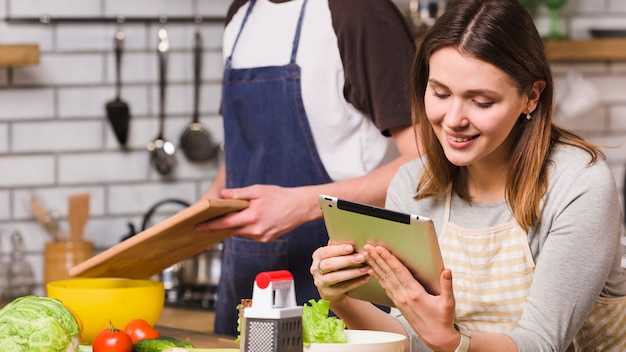
Buy rotisserie chicken and canned beans to build quick, no-cook meals. These food-related bases let you assemble nourishing bowls, wraps, and salads in minutes, usually with less mess than cooking from scratch. Look for price-per-pound deals at your grocery and stock up when you see them. Keep a running list of ideas for creating meals around the proteins you already have.
Focus on minimal gear: a few staples like canned tuna, hummus, pre-washed greens, cheese, and quick-grain wraps. creating meals with these saves time and keeps your budget intact. Add a simple vinaigrette или spice blend to punch flavor without heat. Using spicy sauces can elevate bland items without requiring a stove.
Couponing works best when you pair discounts with items you actually use. Use smart couponing apps and store loyalty programs to gather deals, then plan meals around what’s on sale. Practice FIFO in your fridge and pantry to minimize waste and keep food fresh longer.
When prices rise in a crisis, diversifying places you shop helps. Places that stretch dollars include warehouse clubs for staples, ethnic markets for spice blends and pantry staples, and online retailers for bulk items with consistent pricing. Navigating price spikes becomes easier when you compare unit prices and avoid impulse buys that spoil fast. If you’re willing to shop around, you’ll usually find better value than sticking to one store.
Focus on flavor without cooking. spice blends, ready-made sauces, and emulsions add depth to no-cook meals. Use a few staples you love and rotate them weekly so you don’t get bored, saving money in the long run. Plan meals around your time and energy budget to keep a steady pace rather than chasing every new trend that appears.
Find tricks that fit your routine: batch-opened jars, shelf-stable proteins, and flexible ingredients. If you are willing to try, focus on simple combos: grain + protein + veg + sauce. This approach scales with your willingness to experiment and your budget. If you love time savings, you’ll keep returning to these no-cook routines.
Financial Freedom For Women: Practical No-Cook Food Savings
Start with a concrete move: build a 5-item no-cook lunch kit for the workweek, stored in the fridge. This step usually saves 20-30% of weekly food costs and reduces daily prep time by about 40 minutes.
- Step-by-step planning: Define two clear menus that serve as your backbone: a high-protein option and a veg-forward option. Draft a simple contract with yourself to plan, shop, and assemble every Sunday. List each lunch and the components; you will avoid impulse buys and reduce waste, which drives saving.
- Build a no-cook kit: Choose five staples that pair well: canned tuna or chickpeas, hummus, pre-washed greens, cheese or yogurt, and fruit. Add a bulk grain for a cold bowl base, like quinoa. Prepare containers for 4-5 days; this keeps lunches ready and reduces temptations to order out. Repurpose leftovers into at least two meals.
- Fridge and storage: Use clear containers, label with date, and place perishable items in the front. This helps you see what you have and minimize spoilage.
- Menus and shopping: Create a shopping list from your menus; stick to it; choose store-brand products; skip expensive pre-made sauces; repurpose products across meals to maximize value; add spice for flavor without costly extras.
- Waste and throw: If something nears its date but is still good, repurpose into a new dish; if you cant use it, throw only the unsafe item. Salvage and combine into meals or freeze portions for later.
- Tracking and mindset: Use debtblue as a color-labeled tag in your budgeting app to separate food savings from debt payments; aim to raise saving by 15-25% monthly.
- Resolution and momentum: This planning will reshape how you eat at home; your fridge will serve you generously, and regular planning supports a clear resolution to cut costs without sacrificing taste.
Data snapshot: On a 4-week test, households following these steps cut grocery spend by 18-28% and reduced waste by about 35% through repurposing and careful planning.
Identify Ready-to-Eat Staples That Stretch Your Budget
First, anchor the week with bulk, ready-to-eat staples that work without cooking. Create simple plans for breakfasts, lunches, and snacks. Buy in bulk when possible and check the date codes to maximize shelf life. Track estimates for price per serving to keep budgeting clear, and keep the plan flexible enough to repurpose leftovers into new meals. This approach helps you avoid the problem of midweek takeout by offering quick options that still taste good.
There are specific picks that stay open on shelves and translate into sandwiches, bowls, and snack plates. Look for easy-open cans and shelf-stable formats, and store salt nearby to season without extra trips. Look for items that you can open and eat right away, then repurpose any leftovers into a fresh combo. If you’re looking for a simple start, keep these on hand: canned beans, canned tuna, peanut butter, tortillas, oats, and shelf-stable milk. Their bulk cost, large servings, and long date ranges maximize value over a busy week.
| Ставка | Shelf life | Raspon cena | Најбоље користи | Белешке |
|---|---|---|---|---|
| Canned beans (15 oz) | 2–5 years | $0.70–$1.20 | Salads, bowls, burritos | High protein and cheap per serving |
| Canned tuna (5 oz) | 2–5 years | $0.80–$1.50 | Sandwiches, salads, wraps | Drain and season with salt |
| Peanut butter (16 oz) | 6–12 months unopened; longer once opened | $1.50–$3.00 | Toast, smoothies, quick protein | Great for a liberal snack |
| Tortillas (10–12 count) | 6–8 weeks refrigerated; longer frozen | $2–$3 | Sandwiches, wraps, quick quesadillas | Keep in a cool, dry place |
| Oats (old-fashioned) | 1–2 године | $2–$4 per 42 oz | Overnight oats, bowls, crusts | Very versatile and filling |
| Shelf-stable milk (UHT or powder) | 6–12 months (powder longer) | $2–$4 per unit | Cereal, coffee, recipes | Choose unsweetened to avoid added sugar |
Plan a No-Cook Weekly Menu You Can Actually Stick To
Use a 5-day no-cook lunch plan built from 3 core meals that you rotate, and pair with 2 no-cook dinners assembled from fridge staples. This operation stays cost-effective by relying on versatile pantry items, canned proteins, and pre-washed produce. If you’re averse to cooking, keep things simple: a nice mix of textures and flavors without heat.
Begin with a clean paper map of your week: at the beginning, block Monday through Friday for lunches and two dinners, then check what’s already in your kitchen and pantry. Do a quick inventory of products, note sale items, and mark quantities you’ll use. Put the plan on the kitchen tables to keep everyone aligned and cut extra trips to the store.
heres five options for lunches that are fast, kid-friendly, and cost-effective: Rotisserie chicken wrap with avocado, lettuce, and a whole-wheat tortilla; Tuna salad on crisp lettuce cups with cherry tomatoes; Hummus bowls with cucumber, carrots, olives, and pita; Caprese bowls with mozzarella balls, tomatoes, basil, and a drizzle of olive oil; Turkey and cheese roll-ups with carrot sticks.
Dinners can be built the same way: Deli-style protein plates with sliced turkey or chicken, cheese, cucumber, tomatoes, and crackers; Bean and corn salad with avocado over greens; Mediterranean chickpea pasta salad using pre-cooked pasta and feta; Rotisserie chicken bowls with bagged greens, olives, and vinaigrette; Quick veggie pita pockets with hummus and shredded lettuce. Each option is ready in minutes and requires no cooking.
Shopping list and cost tips: Keep to a single trip and track prices to stay cost-effective. A week for two adults and kids typically lands around $40–60, depending on brands and sales. Starter list: rotisserie chicken (1–2), canned tuna (4 cans), canned chickpeas (3 cans), hummus (2 tubs), mozzarella balls (8 oz), feta (4 oz), yogurt (32 oz), bag greens (2 bags), cucumbers (3), tomatoes (6), avocados (3), carrots (1 bag), bell peppers (2), wraps (1 pack), pita (1 pack), crackers (1 box), olives (1 jar). This setup helps plenty of meals while eliminating last-minute takeout.
Habits that help you stay on track: designate an owner to oversee the plan, and invite employees or family to contribute. Schedule a 10-minute weekly review, print or save the plan on paper, and keep a fridge inventory sheet. Use industry-standard packing ideas like grouping proteins, produce, and dairy in labeled bins to speed assembly and reduce waste.
heres an example day to visualize the flow: Lunch: chicken wrap with avocado and greens; Snack: cucumber and feta cup; Dinner: bean and corn salad over greens. Look in the fridge, grab ready-to-assemble ingredients, and finish in under 10 minutes. If a lunch doesnt appeal, swap in a different core option without reshuffling the whole plan, and keep moving forward.
Shop Smart: Compare Prices, Use Loyalty Apps, and Choose Store Brands
Always compare price per unit to pick the most исплативо option for each item. For example, an 8-ounce package can cost less per ounce than a larger size if you won’t use the extra quantity.
Store brands frequently offer квалитет that matches national brands at a значајно lower price, boosting штедња across your grocery list. Look for these понуде on staples like canned goods, pasta, and breakfast oats to maximize value.
Use loyalty apps from your favorite stores; they deliver понуде, digital coupons, and sometimes extra discounts at checkout. These tools are extremely helpful for tracking price drops and planning purchases based on what’s on sale, whether you shop once a week or several times a month.
Develop a suite са трикови и стратегије to cut costs. Compare boxes versus loose items, check the weight-to-price ratio, and consider quantity you’ll actually use to avoid waste and throw money away unnecessarily.
Budgeting раније in the week or month keeps you from impulsive buys; ово habit helps you reduce потрошено and stay on track with your goal.
Провери. вишеструко добављачи and stores to find the best price on each item. By shopping around, you can capture штедња on dairy, produce, and pantry items that vary by retailer and season.
For bez kuvanja meals, lean on shelf-stable options that still deliver квалитет and taste. Canned beans, tuna, sardines, tomatoes, and boxed grains offer исплативо, ready-to-use ingredients that work in a busy живот и improve overall budgeting.
Bilo da ste женски shopper or shopping for a family, these стратегије помоћ већина people stretch their budget. Start now, track what you потрошено, and adjust to improve резултати раније rather than later.
Leverage No-Cook Meals: Rotisserie Chicken, Canned Goods, and Fresh Produce

Start with a rotisserie chicken, a pair of canned goods, and a selection of fresh vegetables to build 3 to 4 dinner options in minutes. shred the chicken, store extra meat in the freezer, and use it for bowls, wraps, or salads all week. This approach reduces cooking time, frequently saves money, and provides the needed flavor. While you save time, you still get variety at dinner.
Rotisserie chicken serves as a flexible base. Take the meat off the bone, and you have protein ready for salads, tacos, or grain bowls without heat. A single chicken can yield enough protein for 3 to 4 meals; you can also freeze portions for later use. There, you can keep a balance of protein and vegetables without extra effort.
Build on canned goods: beans, tomatoes, corn, tuna. Choose low-sodium options, and rinse or drain when appropriate. This food-related stockpile of goods works with fresh produce to create color and texture. Display items that are on sales and plan meals by unit cost to keep dinners affordable. When you seek quick options, canned goods save time and money.
Fresh produce adds crunch and vitamins: lettuce, peppers, cucumbers, carrots, and broccoli. Washing fresh vegetables before use improves flavor and safety. Sprinkle chopped peppers over a bean salad, or garnish a chicken bowl with greens and herbs. Buying in season and keeping produce near the fridge helps you avoid waste and gross leftovers that sit too long.
No-cook meal ideas: 1) Chicken and bean salad bowls with corn and diced vegetables; 2) Pepper-studded chicken wraps with greens; 3) Tomato and bean salsa topped with shredded chicken over lettuce; 4) Veggie-forward bowls using canned tomatoes, beans, and pepper slices. These options take minutes and can be scaled for a crowd.
Budget tips: frequently check sales, buy in bulk for canned goods when there is a sale, and compare unit prices. Use the freezer for leftover chicken and canned goods after you open them; label and date packages to avoid waste. A simple display in the fridge of ready-to-go ingredients helps you seize a quick dinner after a long day and keep your spending in balance. If you subscribe to a grocery delivery or subscription service, you can time deliveries to align with weekly sales and avoid impulse buys.
Keep the system simple: plan ahead, wash hands and produce, and keep the right staples on hand. This food-related approach works over time, supporting overcoming mealtime stress and helping you eat well without cooking every night. There, you have a practical framework that fits busy schedules and keeps costs down.
Maximize Freshness and Minimize Waste: Storage Rules and Leftovers

Recommendation: Set your fridge to 38°F (3°C) and store leftovers in clearly labeled boxes, then build daily lunches from them to maximize freshness and cut waste.
Keep vegetables in the crisper drawer to manage humidity; store leafy greens in perforated bags and place them in the top shelf if possible. Wash vegetables only before use to prevent moisture that speeds spoilage, transfer damp produce to dry, breathable containers. Open produce should be used within 3–4 days, and whole vegetables like carrots or peppers can last longer when kept dry and sealed. Avoid storing large amounts of produce you won’t use quickly.
Leftovers: cool to room temperature within two hours, then transfer into airtight boxes or jars and refrigerate. Label each container with a date and use within 3–4 days, or freeze portions for longer storage. When thawing, plan to use them within 24 hours after moving to the fridge. For no-cook meals, keep prepped proteins, grains, and vegetables ready in separate boxes to mix into bowls or wraps.
Корак по корак plan: 1) check the oldest items first; 2) combine with fresh vegetables to create lunches; 3) portion into single-serving containers; 4) keep at the front of the fridge so you can grab it in the morning. This approach keeps you daily on track and reduces waste. If you’re willing to invest 10 minutes, you can prep a week’s worth of lunches. This is the right way to keep your kitchen efficient.
Use a small toaster or toaster-friendly containers to warm breakfast items like bagels or muffins, while keeping leftovers cold for later. Use resealable boxes and bins to divide amounts, which makes it easier to see what you have left and what needs to be used first. Label boxes with contents and dates to avoid mystery leftovers.
Americans discard about 30% of edible groceries each year; improving storage reduces that waste, a trend that grew during covid as shopping patterns shifted. In the article, these tips help readers cut waste and save. Take advantage of supply and high deals on produce when you actually plan to use it, and avoid overbuying. If you buy in larger quantities, freeze portions or portion into smaller boxes for quick use later, which helps while balancing budget and debt concerns.
To keep the system going, do a quick daily check: open the fridge, rotate the oldest items to the front, and decide whether to use them for today’s lunch or freeze for later. Creating a habit with simple steps keeps you going and helps others who share your pantry, too. If others in your household are involved, theyre more likely to follow the plan when boxes are clearly labeled.