


 Српски језик
  English (UK)
  Русский
  বাংলা
বাংলা  العربية
  日本語
日本語  한국어
한국어  Magyar
  Norsk nynorsk
  Türkçe
  עִבְרִית
  Español
  Čeština
  Svenska
  Português
  Ελληνικά
  Suomi
Suomi  Nederlands
  Română
  Italiano
  Français
  Polski
  Українська
  Deutsch
  简体中文
简体中文  Slovenčina
  اردو
اردو  Azərbaycan dili
  O‘zbekcha
  አማርኛ
አማርኛ 
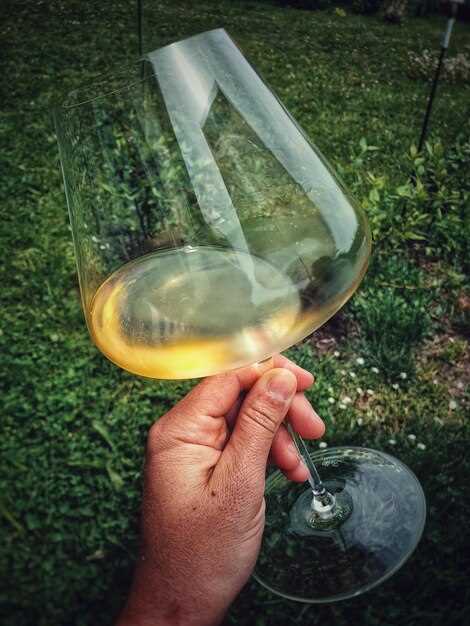
У срцу града лежи јединствена галерија која слави трајно наслеђе Леонарда да Винчија, личности која је неуморно радила како би спојила светове уметности и науке. Међу разним атракцијама, виноград се издваја као једно од највећих и најфасцинантнијих места посвећених истраживању не само процеса производње вина, већ и уметничке визије која га је инспирисала. Посетиоци могу очекивати импресивно искуство, упуштајући се у дане испуњене вођеним турама које истичу како древну историју подручја, тако и иновативне технологије које је сам Леонардо можда замислио.
Ova destinacija uključuje raznovrsne stanice koje su namenjene kako ljubiteljima vina, tako i ljubiteljima umetnosti. Muzejski deo sadrži poznata dela, uključujući detaljne skulpture i slike inspirisane Leonardovom umetnošću, dok vinograd prikazuje konstrukciju složene opreme za vinogradarstvo, predstavljajući poljoprivredne alate i tehnike koje su korišćene u njegovo vreme. Nećete želeti da propustite priliku da vidite kako su se ovi elementi razvili ka profinjenijem vinskom iskustvu, nudeći preciznu perspektivu o istorijskim i modernim aspektima vinogradarstva.
Tokom vašeg putovanja, obavezno odvojite vreme da istražite bujne zelene površine koje okružuju vinograd. Dok šetate kroz vinograde, naići ćete na muzičke nastupe i umetničke instalacije koje upotpunjuju živopisni pejzaž. Obližnja katedrala i ostaci vojvodinog zamka dodaju sloj istorijskog bogatstva, čineći ovu destinaciju nezaobilaznom za sve one koje zanima kulturno istraživanje. Putovanje nudi divan spoj ukusa i umetničkog izražavanja, osiguravajući nezaboravan izlet koji će odjekivati dugo nakon vašeg odlaska.
Istraživanje nasleđa vinograda Leonarda da Vinčija
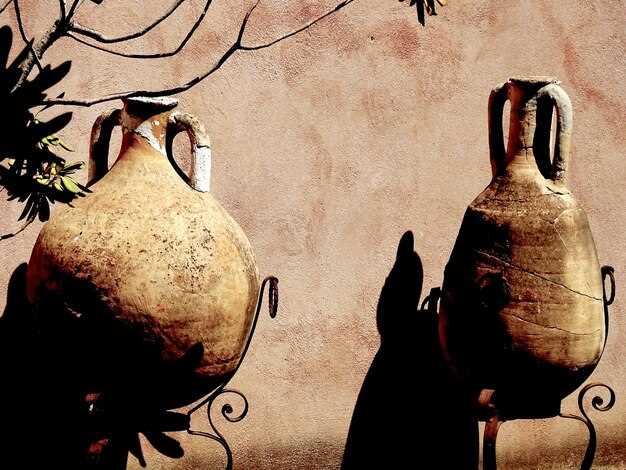
Iako originalni vinograd koji je dizajnirao Leonardo da Vinči ostaje značajan deo istorije, njegovo nasleđe nastavlja da inspiriše posetioce. Smešten u milanskoj oblasti, ovaj vinograd je bio deo većeg poljoprivrednog plana na kojem je umetnik radio krajem 15. veka, po narudžbini Ludovika Sforce. Istorijski značaj ovog mesta nudi putnicima jedinstvenu priliku da istraže međuigru umetnosti i vinogradarstva.
Rute do Leonardovog vinograda su pažljivo isplanirane i pružaju i odraslima i porodicama zanimljivo iskustvo. Nekim vikendima se organizuju posebne ture koje uključuju prikaze razvoja vinograda, prikazujući fascinantan odnos između proizvedenih vina i da Vinčijeve umetničke vizije. Posetioci mogu da kupe kartu za pristup različitim delovima vinograda, kao i akademski uvid u njegove metode i tehnike.
- Fascinantne istorijske mape odražavaju geografski značaj vinograda.
- Интерактивне изложбе илуструју Леонардове пољопривредне иновације користећи листове докумената и скице из тог периода.
- Eksperimentalne ture nude uvid u industrijske tehnike koje su u njegovo vreme bile najsavremenije.
- Parni brodovi koji prevoze posetioce duž obližnjih kanala pružaju besprekornu vezu sa prošlošću.
Како сезона винограда напредује, област се трансформише, омогућавајући посетиоцима да цене прави тренутак за бербу грожђа. У зависности од доба године, виноград одражава Леонардову филозофију, спајајући богатство земље са уметничким изразом. Ово место није само винарија, већ живи музеј који побољшава културно искуство за све који прођу кроз његове капије. Служи као подсетник колико блиско уметност и природа могу бити испреплетене и представља трајни део у срцима оних који препознају његову вредност.
Zahvaljujući naporima za očuvanje, Leonardov vinograd ostaje jedno od najvećih i najpoznatijih mesta povezanih sa njegovim nasleđem. Bez obzira da li tražite edukativno putovanje ili jednostavno način da se opustite usred prelepih pejzaža, ovaj vinograd nudi neuporedivo iskustvo koje odražava umeće jedne od najvećih istorijskih ličnosti.
Каква је историјска важност Винограда?
Виноград везан за Леонардо да Винчи је прожета богатом историјом, обележавајући ancient традиција која одражава оба. Италија‘tradicije proizvodnje vina i samog Leonardovog genija. Ovaj vinograd je bio deo imanja koje mu je dodelio Војвода Сфорца, који је препознао Леонарда не само као уметника већ и као изузетног инвентор и дизајнер.
Током година, ова област је била у фокусу бројних археолошки пројектима, често откривајући остатке који истичу значајан утицај Леонардовог присуства. Та открића бацају светло на то како је он планирао и радио на разним пројектима, преплићући области уметности и пољопривреде. Сваки evening, док се сунце спушта над виноградом, човек скоро да може да осети wonderful енергије која је некада брујала у овом непосредно пејзаж.
Посетиоци су често запањени софистицираношћу опрема и вино колекције који приказују фини квалитет који се очекује од таквог историјског места. Тхе designs са машине које је Леонардо створио, што were намењене за различите намене, одражавају његов иновативни дух. У недавним студијама од стране Леонардо3, реплике ових машина и displays су изложене, пружајући одраслима и деци подједнако прилику да се из прве руке упознају са Леонардовим изумима.
Виноград је више од места за узгајање грожђа; служи као порталупи у прошлост. Тхе линија Овде се уметност и наука беспрекорно стапају једна са другом. Ово great интеграцију вреди истражити, посебно за оне који цене industrial напретка током period Ренесансе. Веза винограда са историјски значајним личностима и њиховим напорима да култивишу и земљу и интелект чини га interesting одредиште.
Rezervisanje posete ovde osigurava obogaćujuće iskustvo gde se u potpunosti može ceniti ta direktna veza sa Leonardom i njegovim neverovatnim putovanjem kroz Земља и вино. Док стојите на земљишту винограда, размишљајући о остаје историје, лако је схватити зашто се ова локација слави и као омаж фином вину и као сведочанство о заоставштини истинског генија.
Како је Леонардо преплео уметност и производњу вина?
Леонардо да Винчи, познат по свом разноврсном генију, дао је значајан допринос не само уметности, већ и винарству. Током главног дела његове каријере, посебно за време боравка у Милану под војводом Лудовиком Сфорцом, Леонардови пројекти су често брисали границу између ове две области. Његова фасцинација природом и производним системима довела је до јединствених дизајна и иновативних техника у винарству.
Leonardo’s vineyard, located in the countryside near Milan, serves as a remarkable example of this interplay. The vineyard was not merely a project for producing wine; it was an expression of art and science combined. Da Vinci used fine engineering principles, which he also applied to his many inventions, such as the aircraft and telescope. His designs for winemaking equipment reflect an accurate understanding of the processes involved, as well as the communication between various elements in production.
Visitors to Leonardo’s vineyard can experience a discovery of this fusion. The vineyard includes rooms filled with displays of his works, such as models of ancient wine presses and insights into the agricultural practices of his time. Reservations are recommended for those looking to visit this part of Italy, where enthusiasts can explore the building levels of the vineyard and appreciate the aesthetic beauty of the surroundings.
Moreover, the integration of art into winemaking is evident in Leonardo’s designs, which usually focused on optimizing productivity and enhancing the flavor profiles of the wines. Some research indicates that he believed in the role of a vineyard as a place of creativity, much like a gallery of art, where every grape could be viewed as a work in itself. His passion for the fine details of both disciplines is worth noting, particularly during the Renaissance period when he was active.
Traveling to this vineyard gives one the opportunity to witness Leonardo’s legacy first-hand. The site’s proximity to the famous Milan Cathedral adds to its allure, making it a perfect destination for those who appreciate both fine wine and great art. The interaction between these two worlds, as designed by Leonardo, continues to spark interest among both wine lovers and art enthusiasts, showcasing how he blended these realms into a legacy that remains influential in Europe and beyond.
| Атрибути | Опис |
|---|---|
| Локација | Candia, near Milan |
| Admission | Reservations recommended |
| Hours | Check local listings for accuracy |
| Јединствене карактеристике | Integration of art and winemaking |
What Techniques Did Leonardo Use in Viticulture?
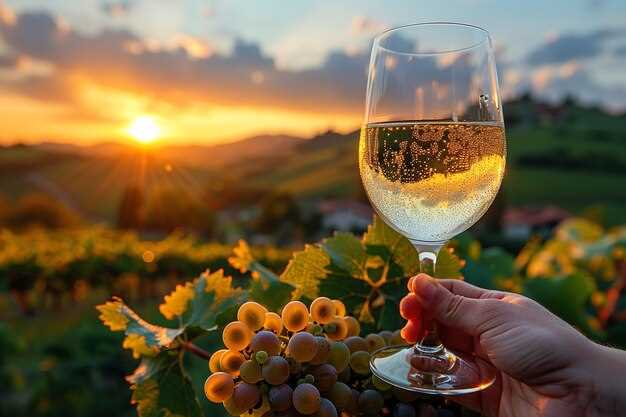
Leonardo da Vinci’s approach to viticulture included a blend of artistic vision and scientific understanding. He emphasized observation during his time in Italy, particularly in places like the countryside around Milano and the vineyard owned by the Duke of Milan. His techniques can be traced back to a combination of traditional and innovative concepts that aimed at the enhancement of grape quality.
Use of meticulous planning was significant; Leonardo would map out the layout of vineyards, considering factors such as sunlight exposure and soil quality. His detailed observations led to a deeper understanding of how different levels of sunlight and moisture affect grape development. He suggested that outdoor conditions, particularly during the growing season, play a crucial role in producing superior wine.
Through sketches and written notes, Leonardo documented the physiological processes of the vine and argued for natural methods of irrigation and pest control. He was fascinated by the scientific aspects of growth, illustrating techniques that included the use of steam to maintain optimal humidity around the roots.
Leonardo also explored the concept of creating a unique wine profile through selective breeding of grape varieties. He believed that manipulating the genetic traits of vines could lead to the cultivation of exceptional grapes. This approach required an understanding of the genetic potential of each vine, which he painstakingly detailed in his numerous books.
Additionally, Leonardo became noted for suggesting that the arrangement and spatial distribution of vine rows could impact air circulation and prevent disease. His detailed diagrams and notes became a reference for future generations of viticulturists. Leonardo’s legacy in viticulture is a fascinating intersection of art, science, and the agricultural practices that define the rich history of wine in Italy.
Can We Visit the Vineyard Today?
Embarking on a trip to Leonardo’s vineyard can be an impressive experience, beautifully merging art and wine. This unique location offers visitors a chance to explore not only the vineyard itself but also the history behind Leonardo and his designs. Here are some key details to help you plan your visit:
- Локација: The vineyard is located just outside Milan, making it an easy addition to your travel itinerary for cities like Milan and other neighboring areas such as Maggiore.
- Booking: It is highly recommended to make reservations in advance. Booking can typically be done online through the official portal, ensuring you secure your spot on your desired date.
- Visitation Hours: The vineyard is open for tours year-round, with varied hours depending on the season–generally running from morning until the early evening.
- Included Experiences: Most trips include guided tours of the vineyard, tastings of their fine wines, and insights into the academic contributions of Leonardo, especially his innovative designs related to viticulture.
- Obližnje atrakcije: After your visit, you might consider stopping by the Pinacoteca Ambrosiana or other famous galleries around Milan, which display artworks from the same century as Leonardo.
- Other Options: If you’re looking for a more adventurous route, consider exploring by boat. Cruises around the picturesque lakes offer breathtaking views and a different perspective of the region.
- Транспорт: Various means of transportation are available, including cars and gyroplanes, but public transport remains a convenient option with good connectivity from central Milan.
The experience promises to be one of a kind, blending the essence of art, history, and fine winemaking. Whether you’re a local resident or a visitor to Milan, a visit to Leonardo’s vineyard is a worthwhile part of your journey, ensuring you find both relaxation and inspiration among the vineyards and gardens.
The Intersection of Wine and Art in Leonardo’s Work
Leonardo da Vinci, a luminary of the Renaissance, was not only a master artist but also a man deeply interested in the nuances of life, including the cultivation of wine. This intersection of wine and art is more than a mere curiosity; it reflects Leonardo’s holistic view of the world, where every element, including vineyards, plays a significant role in the grand tapestry of existence.
When one visits the picturesque landscape near Milan, they can imagine Leonardo’s creative mind at work in the vineyards of the Duke. These ancient estates, where grapes were carefully tended, served as a backdrop for many of his artistic endeavors. Tourists, often arriving on a Friday, find themselves enamored by the beauty of these locations, which reflect both nature’s bounty and human creativity.
At the Museo della Scienza e della Tecnologia, an impressive exhibition focusing on da Vinci’s complex relationship with food and drink includes models of the machines he designed, showcasing the steam-powered innovations that could eventually reach the vineyards. This is a wonderful opportunity for seniors and visitors alike to explore how wine production has evolved, paralleling the artistic developments of the Renaissance.
Leonardo’s works often depict the festive gatherings where wine flowed freely, symbolizing not just celebration but also the connection between mankind and the earth. The spires of the Duomo in Milan, visible from many vineyards, stand as silent witnesses to these moments. As visitors exit the museum, they will find themselves pondering deeper connections, intrigued by how landscapes can inspire art and how art can reflect the essence of life, including its most accessible pleasures, like a fine glass of wine.
Booking a tour that includes stops at these vineyards is a must for anyone wishing to dive deeper into this rich cultural heritage. Expect to find more than just tasting sessions; you will be led through a journey where artists and the art of viticulture intersect, revealing the historical context and academic perspectives that shaped Leonardo’s work. So when planning your trip to Milan, place yourself in this narrative, where the paths of art and wine come together in a way that is both enriching and delightful.
How Wine Influenced Leonardo’s Artistic Techniques?
Throughout his life, Леонардо да Винчи was deeply inspired by the world around him, and wine played a significant role in shaping his artistic techniques. Depending on the region he visited, particularly during his time in the vineyard areas of Candia, Leonardo immersed himself in the culture of wine, which greatly influenced his work. The interplay between food and wine often surrounded his gatherings, enriching his creative process.
During the last trip of his life, Leonardo explored the great façades of the churches and катедрале in the regions famous for their vineyards. He worked with the nuances of light and shadow, much like a winemaker perfectly balancing the flavors in a glass. The water used in the vineyards and the soils he studied informed his understanding of textures, helping him create more accurate representations in his paintings.
In his artistic development, Leonardo included elements that were not only visual but also sensory, gathering inspiration from the ambiance of the bustling галерија spaces filled with the aroma of wine. This emotional and sensory approach to creation was essential for his remarkable ability to convey depth and life in his subjects.
In various изложбе across cities where wine culture thrived, such as Moro and other areas, Leonardo showcased his art alongside the local cuisine, emphasizing the relationship between the two. This fusion of art and gastronomy reflected his belief that the finest creations are born from an environment surrounded by passion and creativity.
His most significant works suggest a harmony similar to a musical composition, where each note has its role, just as each element in wine contributes to its overall character. Whether working on a large canvas or a small panel, the techniques inspired by his experiences in the vineyard allowed him to explore routes between abstraction and realism.
Када данас туристи посећују највећи museums слике, многи нису свесни дубоког утицаја који су вино и храна имали на његово уметничко путовање. Да би се у потпуности ценила дубина његове уметности, треба размотрити duration његових искустава, утицаја различитих празника и како су обликовали његову креативну визију. Истраживање Леонардове везе са виноградом не само да открива фасцинантан аспект његовог живота, већ и приказује уметнички дијалог који је одржавао са светом око себе.
Која су најзначајнија уметничка дела која приказују вино?
Kroz istoriju, vino je inspirisalo mnoštvo izuzetnih umetničkih dela koja istražuju njegov značaj u različitim kulturama. Od davnih vremena do renesanse, umetnici su prepoznali privlačnost ovog napitka, stvarajući dela koja odražavaju njegovu društvenu, duhovnu i estetsku vrednost.
Један од најимпресивнијих пројеката је “Тајна вечера” Леонардо Да Винчија, где вино симболизује Христову крв. Ово ремек-дело не само да приказује крхкост људског живота, већ и наглашава улогу вина у светим ритуалима. За туристе који посећују Замак Сфорца U Milanu, ovo umetničko delo ne smete propustiti.
Још један важан део је “Преса за вино” italijanskog umetnika Đovanija Belinija, dovršena u 15. veku. Ova slika nudi izvanredan pogled na proces proizvodnje vina i slavi evoluciju vinogradarstva. Oni koje zanima njen istorijski kontekst mogu da istraže akademske arhive dostupne u školi. Амброзијана, која садржи колекцију уметничких дела и текстова који се односе на винарство.
У царству уметности витража, “Stvaranje vina” је запањујући приказ креиран од стране различитих уметника из различитих региона, који приказује сцене производње вина. Ови прозори често приказују митолошке фигуре и древне ритуале повезане са вином, што га чини виталним аспектом културног наслеђа.
За одрасле који траже модернији приступ вину, Леонардо3 изложба нуди увид у савремене интерпретације, стављајући једна поред друге инжењерске подухвате и уметничке изразе. Са уметничким делима која укључују разрађене инсталације са вином као централном темом, ова изложба пружа јединствен простор за интеракцију са вином и уметношћу.
Викендом, посетиоци могу да се укључе у разгледање различитих локација посвећених уметности везаној за вино, као што су Парко Боромео, што укључује ботаничке баште проткане скулптурама које приказују винску културу. Поред тога, програм се може обогатити посетом фасцинантном археолошка налазишта који нуде дубље разумевање историјског значаја вина.
Istraživanje ovih značajnih umetničkih dela ne samo da pruža vizuelnu gozbu, već i obogaćuje vaše putovanje kroz Leonardov vinograd, čineći svako putovanje kombinacijom uživanja u umetnosti uz zadovoljstvo vrhunskog vina.