


 English (UK)
  Русский
  বাংলা
বাংলা  العربية
  日本語
日本語  한국어
한국어  Magyar
  Norsk nynorsk
  Türkçe
  עִבְרִית
  Español
  Čeština
  Svenska
  Português
  Ελληνικά
  Suomi
Suomi  Nederlands
  Română
  Italiano
  Français
  Polski
  Українська
  Deutsch
  简体中文
简体中文  Slovenčina
  Српски језик
  اردو
اردو  Azərbaycan dili
  O‘zbekcha
  አማርኛ
አማርኛ 
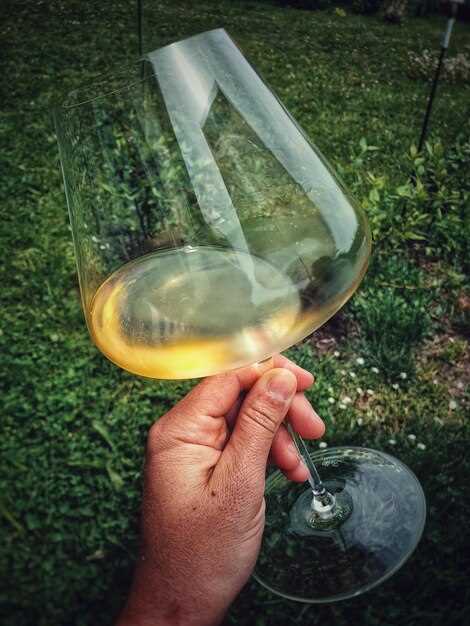
In the heart of the city lies a unique gallery that celebrates the enduring legacy of Leonardo da Vinci, a figure who worked tirelessly to blend the worlds of art and science. Among the various attractions, the vineyard stands out as one of the largest and most fascinating sites dedicated to exploring not just the process of winemaking, but also the artistic vision that inspired it. Visitors can expect an immersive experience, venturing through days filled with guided tours that highlight both the ancient history of the area and the innovative technologies that Leonardo himself may have envisioned.
This destination includes a variety of stops that cater to both wine enthusiasts and art lovers alike. The museum section features famous pieces, including detailed sculptures and paintings inspired by Leonardo’s own art, while the vineyard demonstrates the construction of intricate viticulture equipment, showcasing the agricultural tools and techniques that were used in his time. You will not want to miss the chance to see how these elements have evolved toward a more refined wine experience, offering an accurate perspective on both the historical and modern facets of viniculture.
During your trip, make sure to take the time to explore the lush green areas surrounding the vineyard. As you stroll through the vineyards, you will find musical performances and art installations that complement the picturesque scenery. The nearby cathedral and the remnants of the duke’s castle add a layer of historical richness, making this destination a must-visit for anyone with an interest in cultural exploration. The journey offers a delightful blend of taste and artistic expression, ensuring a memorable outing that will resonate long after you’ve departed.
Exploring the Legacy of Leonardo da Vinci’s Vineyard
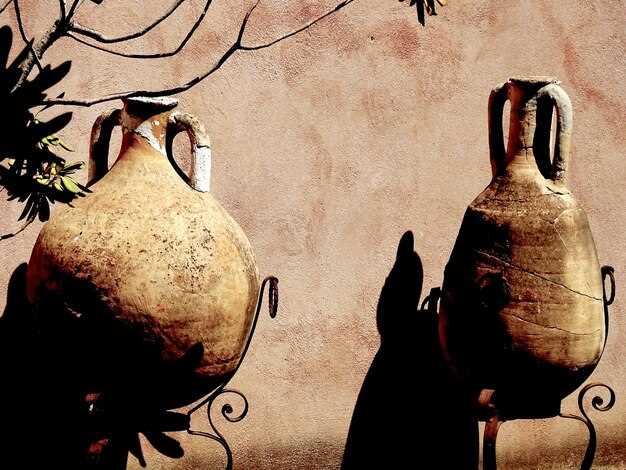
Although the original vineyard designed by Leonardo da Vinci remains a significant piece of history, its legacy continues to inspire visitors. Located in the Milanese area, this vineyard was part of a larger agricultural plan that the artist worked on during the late 15th century, commissioned by Ludovico Sforza. The historic significance of this site offers travelers a unique opportunity to explore the interplay between art and viticulture.
Travel routes to Leonardo’s Vineyard are carefully planned, providing both adults and families with an engaging experience. Some weekends, special tours are organized that include displays of the vineyard’s evolution, showcasing the fascinating relationship between the wines produced and da Vinci’s artistic vision. Visitors can purchase a ticket to access different areas of the vineyard, as well as academic insights into his methods and techniques.
- Fascinating historical maps reflect the geographical importance of the vineyard.
- Interactive exhibits illustrate Leonardo’s agricultural innovations using sheets of documents and sketches from the period.
- Experiential tours offer a glimpse into the industrial techniques that were cutting-edge in his time.
- Steam-powered boats that transport visitors along the nearby canals provide a seamless connection to the past.
As the vineyard season progresses, the area transforms, allowing visitors to appreciate the right moment for grape harvesting. Depending on the time of year, the vineyard reflects Leonardo’s philosophy, merging the earth’s bounty with artistic expression. This venue is not just a winery but a living museum that enhances the cultural experience for all who pass through its gates. It serves as a reminder of how closely art and nature can be intertwined and is a permanent fixture in the hearts of those who recognize its value.
Grazie to the preservation efforts, Leonardo’s vineyard remains one of the largest and most well-known sites connected to his legacy. Whether you are seeking an educational journey or simply a way to unwind amidst beautiful landscapes, this vineyard offers an unmatchable experience that reflects the artistry of one of history’s greatest figures.
What Historical Significance Does the Vineyard Hold?
The vineyard associated with Leonardo da Vinci is steeped in rich history, marking an ancient tradition that reflects both Italy‘s winemaking heritage and Leonardo’s own genius. This vineyard was part of the estate granted to him by Duke Sforza, who recognized Leonardo not just as an artist but as an exceptional inventor and designer.
Over the years, this area has been the focus of numerous archaeological projects, often uncovering remains that highlight the significant impact of Leonardo’s presence. Those discoveries shed light on how he planned and worked on various projects, intertwining the realms of art and agriculture. Each evening, as the sun sets over the vineyard, one can almost sense the wonderful energy that once buzzed in this immediate landscape.
Visitors are often amazed by the sophisticated equipment and wine collections that display the fine quality expected from such a historical site. The designs of machines that Leonardo created, which were intended for various uses, reflect his innovative spirit. In recent studies by leonardo3, these machines’ replicas and displays are showcased, providing adults and children alike with the opportunity to engage with Leonardo’s inventions firsthand.
The vineyard is more than just a place for growing grapes; it serves as a portaluppi into the past. The line between art and science blends seamlessly here. This great integration is worth exploring, especially for those who appreciate the industrial advancements during the period of the Renaissance. The vineyard’s connection to historically significant figures and their efforts to cultivate both land and intellect makes it an interesting destination.
Booking a visit here ensures an enriching experience where one can fully appreciate those direct ties to Leonardo and his incredible journey through earth and wine. As you stand on the vineyard’s floor, reflecting on the remains of history, it’s easy to see why this location is celebrated both for its tribute to fine wine and as a testament to the legacy of a true genius.
How Did Leonardo Intertwine Art and Winemaking?
Leonardo da Vinci, known for his multifaceted genius, made significant contributions not only to art but also to winemaking. In the main part of his career, particularly during his time in Milan under the Duke Ludovico Sforza, Leonardo’s projects often blurred the line between these two fields. His fascination with nature and the systems of production led to unique designs and innovative techniques in winemaking.
Leonardo’s vineyard, located in the countryside near Milan, serves as a remarkable example of this interplay. The vineyard was not merely a project for producing wine; it was an expression of art and science combined. Da Vinci used fine engineering principles, which he also applied to his many inventions, such as the aircraft and telescope. His designs for winemaking equipment reflect an accurate understanding of the processes involved, as well as the communication between various elements in production.
Visitors to Leonardo’s vineyard can experience a discovery of this fusion. The vineyard includes rooms filled with displays of his works, such as models of ancient wine presses and insights into the agricultural practices of his time. Reservations are recommended for those looking to visit this part of Italy, where enthusiasts can explore the building levels of the vineyard and appreciate the aesthetic beauty of the surroundings.
Moreover, the integration of art into winemaking is evident in Leonardo’s designs, which usually focused on optimizing productivity and enhancing the flavor profiles of the wines. Some research indicates that he believed in the role of a vineyard as a place of creativity, much like a gallery of art, where every grape could be viewed as a work in itself. His passion for the fine details of both disciplines is worth noting, particularly during the Renaissance period when he was active.
Traveling to this vineyard gives one the opportunity to witness Leonardo’s legacy first-hand. The site’s proximity to the famous Milan Cathedral adds to its allure, making it a perfect destination for those who appreciate both fine wine and great art. The interaction between these two worlds, as designed by Leonardo, continues to spark interest among both wine lovers and art enthusiasts, showcasing how he blended these realms into a legacy that remains influential in Europe and beyond.
| Attributes | Description |
|---|---|
| Location | Candia, near Milan |
| Admission | Reservations recommended |
| Hours | Check local listings for accuracy |
| Unique Features | Integration of art and winemaking |
What Techniques Did Leonardo Use in Viticulture?

Leonardo da Vinci’s approach to viticulture included a blend of artistic vision and scientific understanding. He emphasized observation during his time in Italy, particularly in places like the countryside around Milano and the vineyard owned by the Duke of Milan. His techniques can be traced back to a combination of traditional and innovative concepts that aimed at the enhancement of grape quality.
Use of meticulous planning was significant; Leonardo would map out the layout of vineyards, considering factors such as sunlight exposure and soil quality. His detailed observations led to a deeper understanding of how different levels of sunlight and moisture affect grape development. He suggested that outdoor conditions, particularly during the growing season, play a crucial role in producing superior wine.
Through sketches and written notes, Leonardo documented the physiological processes of the vine and argued for natural methods of irrigation and pest control. He was fascinated by the scientific aspects of growth, illustrating techniques that included the use of steam to maintain optimal humidity around the roots.
Leonardo also explored the concept of creating a unique wine profile through selective breeding of grape varieties. He believed that manipulating the genetic traits of vines could lead to the cultivation of exceptional grapes. This approach required an understanding of the genetic potential of each vine, which he painstakingly detailed in his numerous books.
Additionally, Leonardo became noted for suggesting that the arrangement and spatial distribution of vine rows could impact air circulation and prevent disease. His detailed diagrams and notes became a reference for future generations of viticulturists. Leonardo’s legacy in viticulture is a fascinating intersection of art, science, and the agricultural practices that define the rich history of wine in Italy.
Can We Visit the Vineyard Today?
Embarking on a trip to Leonardo’s vineyard can be an impressive experience, beautifully merging art and wine. This unique location offers visitors a chance to explore not only the vineyard itself but also the history behind Leonardo and his designs. Here are some key details to help you plan your visit:
- Location: The vineyard is located just outside Milan, making it an easy addition to your travel itinerary for cities like Milan and other neighboring areas such as Maggiore.
- Booking: It is highly recommended to make reservations in advance. Booking can typically be done online through the official portal, ensuring you secure your spot on your desired date.
- Visitation Hours: The vineyard is open for tours year-round, with varied hours depending on the season–generally running from morning until the early evening.
- Included Experiences: Most trips include guided tours of the vineyard, tastings of their fine wines, and insights into the academic contributions of Leonardo, especially his innovative designs related to viticulture.
- Nearby Attractions: After your visit, you might consider stopping by the Pinacoteca Ambrosiana or other famous galleries around Milan, which display artworks from the same century as Leonardo.
- Other Options: If you’re looking for a more adventurous route, consider exploring by boat. Cruises around the picturesque lakes offer breathtaking views and a different perspective of the region.
- Transport: Various means of transportation are available, including cars and gyroplanes, but public transport remains a convenient option with good connectivity from central Milan.
The experience promises to be one of a kind, blending the essence of art, history, and fine winemaking. Whether you’re a local resident or a visitor to Milan, a visit to Leonardo’s vineyard is a worthwhile part of your journey, ensuring you find both relaxation and inspiration among the vineyards and gardens.
The Intersection of Wine and Art in Leonardo’s Work
Leonardo da Vinci, a luminary of the Renaissance, was not only a master artist but also a man deeply interested in the nuances of life, including the cultivation of wine. This intersection of wine and art is more than a mere curiosity; it reflects Leonardo’s holistic view of the world, where every element, including vineyards, plays a significant role in the grand tapestry of existence.
When one visits the picturesque landscape near Milan, they can imagine Leonardo’s creative mind at work in the vineyards of the Duke. These ancient estates, where grapes were carefully tended, served as a backdrop for many of his artistic endeavors. Tourists, often arriving on a Friday, find themselves enamored by the beauty of these locations, which reflect both nature’s bounty and human creativity.
At the Museo della Scienza e della Tecnologia, an impressive exhibition focusing on da Vinci’s complex relationship with food and drink includes models of the machines he designed, showcasing the steam-powered innovations that could eventually reach the vineyards. This is a wonderful opportunity for seniors and visitors alike to explore how wine production has evolved, paralleling the artistic developments of the Renaissance.
Leonardo’s works often depict the festive gatherings where wine flowed freely, symbolizing not just celebration but also the connection between mankind and the earth. The spires of the Duomo in Milan, visible from many vineyards, stand as silent witnesses to these moments. As visitors exit the museum, they will find themselves pondering deeper connections, intrigued by how landscapes can inspire art and how art can reflect the essence of life, including its most accessible pleasures, like a fine glass of wine.
Booking a tour that includes stops at these vineyards is a must for anyone wishing to dive deeper into this rich cultural heritage. Expect to find more than just tasting sessions; you will be led through a journey where artists and the art of viticulture intersect, revealing the historical context and academic perspectives that shaped Leonardo’s work. So when planning your trip to Milan, place yourself in this narrative, where the paths of art and wine come together in a way that is both enriching and delightful.
How Wine Influenced Leonardo’s Artistic Techniques?
Throughout his life, Leonardo da Vinci was deeply inspired by the world around him, and wine played a significant role in shaping his artistic techniques. Depending on the region he visited, particularly during his time in the vineyard areas of Candia, Leonardo immersed himself in the culture of wine, which greatly influenced his work. The interplay between food and wine often surrounded his gatherings, enriching his creative process.
During the last trip of his life, Leonardo explored the great façades of the churches and cathedrals in the regions famous for their vineyards. He worked with the nuances of light and shadow, much like a winemaker perfectly balancing the flavors in a glass. The water used in the vineyards and the soils he studied informed his understanding of textures, helping him create more accurate representations in his paintings.
In his artistic development, Leonardo included elements that were not only visual but also sensory, gathering inspiration from the ambiance of the bustling gallery spaces filled with the aroma of wine. This emotional and sensory approach to creation was essential for his remarkable ability to convey depth and life in his subjects.
In various exhibitions across cities where wine culture thrived, such as Moro and other areas, Leonardo showcased his art alongside the local cuisine, emphasizing the relationship between the two. This fusion of art and gastronomy reflected his belief that the finest creations are born from an environment surrounded by passion and creativity.
His most significant works suggest a harmony similar to a musical composition, where each note has its role, just as each element in wine contributes to its overall character. Whether working on a large canvas or a small panel, the techniques inspired by his experiences in the vineyard allowed him to explore routes between abstraction and realism.
As tourists today visit the largest museums that house his artworks, many are unaware of the profound impact that wine and food had on his artistic journey. To fully appreciate the depth of his art, one should consider the duration of his experiences, the influences of different holidays, and how they shaped his creative vision. Exploring Leonardo’s connection to the vineyard not only reveals a fascinating aspect of his life but also showcases the artistic dialogue he maintained with the world around him.
What Are the Most Notable Artworks Depicting Wine?
Throughout history, wine has inspired a multitude of remarkable artworks that explore its significance in various cultures. From ancient times to the Renaissance, artists have recognized the allure of this beverage, creating pieces that reflect its social, spiritual, and aesthetic value.
One of the most impressive projects is “The Last Supper” by Leonardo da Vinci, where wine symbolizes the blood of Christ. This masterpiece not only showcases the fragility of human life but also emphasizes the role of wine in sacred rituals. For tourists visiting the Castello Sforza in Milan, this artwork is not to be missed.
Another major piece is “The Wine Press” by the Italian artist Giovanni Bellini, completed in the 15th century. This painting offers an exquisite view of the wine-making process and celebrates the evolution of viticulture. Those interested in its historical context can explore the academic archives available at the scuola Ambrosiana, which features a collection of artworks and texts related to viniculture.
In the realm of stained-glass art, “The Creation of Wine” is a stunning representation created by various artists across different regions, showcasing scenes of wine production. These windows often depict mythological figures and ancient rituals associated with wine, making it a vital aspect of cultural heritage.
For adults looking for more modern takes on wine, the Leonardo3 exhibition offers insights into contemporary interpretations, juxtaposing engineering feats with artistic expressions. Featuring artworks that include elaborate installations with wine as a central theme, this exhibition provides a unique space to engage with both wine and art.
On weekends, visitors can engage with various sites dedicated to wine-related art, such as the Parco Borromeo, which includes botanical gardens interspersed with sculptures depicting wine culture. Additionally, the itinerary can be enhanced by visiting the fascinating archaeological sites that offer deeper understandings of wine’s historical importance.
Exploring these notable artworks not only provides a visual feast but also enriches your journey through Leonardo’s vineyard, making every trip a combination of drinking in art alongside the pleasures of fine wine.