


 Српски језик
  English (UK)
  Русский
  বাংলা
বাংলা  العربية
  日本語
日本語  한국어
한국어  Magyar
  Norsk nynorsk
  Türkçe
  עִבְרִית
  Español
  Čeština
  Svenska
  Português
  Ελληνικά
  Suomi
Suomi  Nederlands
  Română
  Italiano
  Français
  Polski
  Українська
  Deutsch
  简体中文
简体中文  Slovenčina
  اردو
اردو  Azərbaycan dili
  O‘zbekcha
  አማርኛ
አማርኛ 

Japan is a land of stunning landscapes and rich history, dotted with hidden gems that beckon outdoor enthusiasts to explore beyond the iconic Mount Fuji. While the majestic peak often steals the spotlight, there are numerous routes that guarantee breathtaking panoramas, leading through villages and historical towns that embody the spirit of Japan. In this article, you’ll discover nine incredible hiking trails that go beyond the well-trodden paths, offering a chance to truly immerse yourself in the beauty of this unique area.
As you traverse the multi-day hiking routes, like the Nakasendo Trail or the journey to Koyasan, you’ll encounter traditional shrines, vibrant colors of the changing seasons, and the warm hospitality of local villagers. Each trail tells a story of its own, allowing you to learn more about the cultural heritage of the region as you face the natural challenges that come with your backpack. Whether you’re seeking a comfortable break or an adventurous trek, these trails serve as a reminder of the enduring connection between people and nature in Japan.
From the rocky paths that take you above the clouds, like those at Jinba, to the wooden bridges that link remote towns, every step provides a unique experience that isn’t to be missed. The area around Kamakura, with its modern influences and historical roots, offers a variety of hiking opportunities that will surely enrich your journey. So, please consider exploring these lesser-known trails; they will make your time in Japan truly unforgettable.
Exploring Lesser-Known Trails
For hiking enthusiasts seeking unique experiences, Japan offers many breathtaking trails beyond the iconic Mount Fuji. These lesser-known paths are dotted with ancient shrines, picturesque landscapes, and geological wonders that are perfect for those wanting to explore the beauty of the country.
One such remarkable spot is Yamadera, a scenic mountain area consisting of a series of stone steps leading to a shrine that has been revered for centuries. The trek can be challenging, especially during the winter months when snow may cover the path, but the reward is worth it. The panoramic views from the height, especially in the autumn when leaves change color, make the effort feel satisfying.
Koyasan, located in the mountainous district of Wakayama, is another hidden gem for trekkers. The area consists mainly of peaceful trails that connect multiple shrines and temples. Spending time here allows hikers to appreciate the spiritual atmosphere while enjoying the flourishing flora that lines the paths.
In contrast, the trails of Ishigaki in the Ryukyu Islands present a dual experience of mountainous and coastal landscapes. The hikes here are fairly easy, making them suitable for walkers of all levels. Spring and autumn are the best seasons to visit, where the idyllic backdrops are complemented by the vibrant colors of nature.
The Kumano Kodo pilgrimage routes offer a glimpse into Japan’s ancient walking traditions. These hikes, which refer to a series of interconnected trails, are exceptionally well-preserved and showcase the historical significance of the area. The experience of traversing these paths while discovering historical shrines adds a unique dimension to each journey.
For those looking to combine modern convenience with adventure, the ropeway ride in the Takao district provides easy access to high altitudes. From here, trekkers can embark on various trails that lead to stunning viewpoints. The experience is ideal for anyone wanting to escape the bustling cities of Tokyo and delve into peaceful natural settings.
With each hike, whether challenging or leisurely, participants will uncover the true essence of Japan’s natural beauty, offering a reminder that incredible landscapes await just beyond the well-trodden paths.
What Makes These Trails Unique?
Japan’s hiking trails offer a plethora of breathtaking experiences that distinguish them from one another. Here’s a closer look at what makes these trails unique:
- Ancient Footpaths: Many trails, such as the Kumano Kodo, are ancient pilgrimage routes that have served as spiritual sites for centuries. These paths invite hikers to immerse themselves in Japan’s rich cultural history.
- Stunning Seasonal Beauty: Each trail showcases unique beauty throughout the seasons. For instance, Yoshino is famous for its cherry blossoms in spring, while Hokkaido comes alive with vibrant autumn foliage.
- Сценски погледи: Trails like the Akadake and the Tohoku region provide impressive views of snow-capped peaks above and deep gorges below, creating a literal feast for the eyes.
- Public Accessibility: Many of these trails are easily accessible via public transportation, with trailheads located near major stations like Chuo and Yokosuka, making it convenient for both locals and travelers.
- Gentle Climbs: Some paths, such as those found in Hiraokacho, offer relatively gentle climbs, making them suitable for hikers of all skill levels, including families and beginners.
- Wildlife Encounters: Trails provide a chance to spot diverse wildlife, including bears and various bird species. This connection to nature heightens the hiking experience.
- Culinary Options: Certain trails also offer halāl dining options for Muslim-friendly travelers. Local restaurants and eateries serve dishes that cater to dietary requirements, ensuring that everyone can enjoy the journey.
- Unique Attractions: Along the trails, hikers may discover historical sites, shrines, and picturesque bridges that add to the exploratory nature of the hike, such as the Magome-Tsumago trail, known for its beautiful post-town settings.
- Long-Distance Hiking: Many trails can be completed in segments with well-marked lines and clear guidance, enabling hikers to experience Japan’s diverse landscapes over multiple days without overwhelming commitment.
In summary, these hiking trails in Japan offer a blend of natural beauty, cultural richness, and accessibility that create a rewarding experience for everyone who embarks on these paths.
When is the Best Time to Hike?
For novices and experienced hikers alike, choosing the right time to embark on a journey is crucial. The mountainous areas of Japan offer unique experiences throughout the year, but the best months to hike are typically from March to November. During this period, the weather is mild, and trails are more accessible, allowing hikers to fully immerse themselves in the beautiful landscapes.
In spring, particularly in March and April, many trails come alive with blooming cherry blossoms, creating breathtaking scenery and a delightful atmosphere for trekkers. The kintoki trail is particularly popular during this time, as it winds through forests adorned with vibrant colors.
Summer months, especially July and August, are ideal for longer hikes but can be humid. Popular trails like Nakasendo are often teeming with other hikers, so it’s recommended to plan your trekking during weekdays to avoid the crowds. This season offers the opportunity to experience Japan’s iconic mountainous regions in all their glory.
As the autumn season approaches in September and October, the foliage begins to change, painting the mountains in stunning hues of red, orange, and yellow. This is a perfect time for those who wish to see Japan’s sprawling landscapes transformed. Hiking the daimon-zaka trail surrounded by vibrant autumn leaves is an experience not to be missed.
November marks the onset of winter, which can present challenges due to the increased difficulty of the trails. Many hikers choose to train and prepare for winter treks during this month, as some areas begin to close for the season, while others, like the Hakone region, can offer snow-covered peaks that provide a different kind of beauty.
Regardless of the time of year, having the right gear, including a quality backpack and proper clothing, is essential. Make sure to bring enough supplies and plan your route in advance, using websites or guidebooks to familiarize yourself with the area. Always check the weather conditions before heading out and be ready to adapt your plans if necessary.
Remember, the best time to hike ultimately depends on your level of experience, the kind of landscapes you want to explore, and your personal preferences. Whether you’re heading out on a small trek or planning to conquer iconic peaks, there’s always something to discover in Japan’s breathtaking trails.
How to Prepare for Your Hiking Trip?
Preparing for a hiking trip in Japan requires careful planning and consideration, especially when seeking out breathtaking trails beyond the iconic Mount Fuji. First, you should assess your fitness level and ensure that you’re in shape for the excursion, as some trails can be quite challenging. For novices, starting with easier routes will help build your stamina and confidence.
Next, consider the time of year when you’ll be hiking. September can be a fantastic month to appreciate the beauty of Japan’s scenic landscapes, as the weather usually remains favorable. However, it’s essential to check the forecast in advance to avoid any unexpected weather changes. Bringing appropriate gear tailored for the conditions is vital.
When selecting a hiking trail, research the transportation options available to reach your starting spot. Many scenic locations are easily accessible by train or bus, but parking areas may be limited, so plan accordingly if you’re driving. Bring along a camera to capture the stunning views of lakes, rivers, and volcanic landscapes; these moments are worth documenting and sharing.
Moreover, familiarize yourself with the route before setting off. Trails like the one at Genjiyama offer splendid viewing opportunities, allowing hikers to see years of natural beauty and historical monuments along the way. These excursions not only provide an active lifestyle but also a chance to disconnect from daily life and reconnect with nature.
If you’re looking for lodging options, consider staying at a minshiku, a traditional Japanese guesthouse, for an authentic experience. These accommodations can provide valuable local insights into the best hiking routes and hidden attractions. Additionally, plan to bring enough food and water to stay energized throughout your journey.
Finally, don’t forget to share the experience with others. Whether hiking with friends or joining a local group, the shared adventure can make the journey even more enjoyable. Embrace the dual aspects of hiking: the physical challenge and the tranquil connection with nature. With proper preparation, you can fully appreciate the picturesque trails Japan has to offer.
Essential Gear You Need
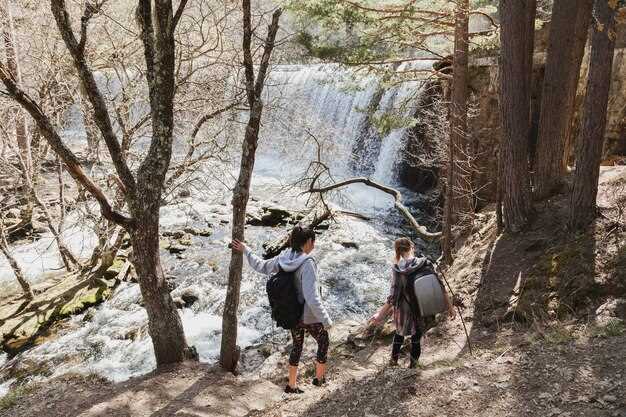
When planning your hiking adventures along Japan’s breathtaking trails, such as those in Hakone and Yoshino, it’s vital to equip yourself with the right gear. Here are some recommended items that will ensure a safe and enjoyable experience.
First on your list should be a sturdy pair of hiking boots. Choose footwear that provides good ankle support and traction, especially on the more challenging paths down from summits or across craggy terrain. Snow-capped mountains may require additional gear, like crampons, during certain seasons.
A quality backpack is essential for carrying your gear, snacks, and water. Look for options that are lightweight yet spacious, allowing you to pack essentials without being cumbersome. Inside, consider adding a hydration system for easy access to water as you head through the mountainous routes.
Aside from your hiking boots and backpack, layers of clothing are crucial. The weather can change rapidly, so pack moisture-wicking base layers, insulating mid-layers, and waterproof outer layers to stay comfortable. Be sure to check the hours that nearby stores, especially those located at station addresses, are open in case you need to purchase additional items.
For those wanting a respite along the trails, portable snacks are a must. Halal-certified options are particularly available in popular places, ensuring all visitors, including Muslims, can enjoy delectable treats. Nuts, energy bars, and dried fruits pack easily and give you the needed sustenance throughout your hike.
A first-aid kit is also an important item. Accidents can happen, and having supplies like bandages, antiseptic wipes, and pain relievers can make a big difference in emergencies on unfamiliar paths. A compact, lightweight kit will save you hassle while providing peace of mind.
Lastly, don’t forget navigation tools. GPS devices, maps, or even a mobile application can help you find your way through the picturesque trails of Yamaderas and beyond. Many hikers find comfort in tracking their routes as they traverse through craters and valleys, making sure they stay on course.
In summary, for a safe hiking adventure in Japan, pack appropriately with durable boots, a supportive backpack, layered clothing, portable snacks, a first-aid kit, and reliable navigation tools. With this essential gear, you’ll be ready to explore the stunning landscapes that await you.
Top Hiking Trails Beyond Mount Fuji
Japan boasts a plethora of hiking trails that offer breathtaking views and unique experiences beyond the iconic Mount Fuji. One of the most impressive areas is Daisetsuzan National Park, where the winding trails provide a perfect setting for those wanting to immerse themselves in the beauty of nature. This vast area features an impressive ascent and stunning snow-capped peaks, making it an ideal destination for adventurers in November.
For those who prefer a more lowlight experience, the Yakushima Island trails are accessible and offer a tranquil atmosphere surrounded by ancient cedar trees. The unique biodiversity here allows hikers to encounter various species of flora and fauna, ensuring a truly memorable journey.
Takao Mountain, located near Yokohama, provides easy access for day trips. The trails begin just a short distance from the nearest train stations, making it a convenient option for travelers. The ascent is fairly moderate, allowing hikers to relax and take in the beautiful panorama of the city as they go.
Additionally, the Yamadera trails are noteworthy for their historical significance, leading to a quaint shrine situated high on a mountainside. This area is particularly enchanting during cherry blossom season when the trails are framed by vibrant blooms.
As you explore these trails, consider stopping at local restaurants offering halal-certified meals, ensuring that all hikers feel welcome and catered to. While there may be some downsides, such as booking limitations during peak seasons, the overall experience of traversing these unique paths far outweighs any inconvenience.
For more infoarticle on planning your hiking adventure, be sure to check guide sites that provide comprehensive tips and insights. Whether you choose to trek through sprawling landscapes or tackle small, challenging routes, Japan’s hiking trails beyond Mount Fuji promise an unforgettable experience amid stunning natural beauty.
Nakasendo Trail: A Journey Through History
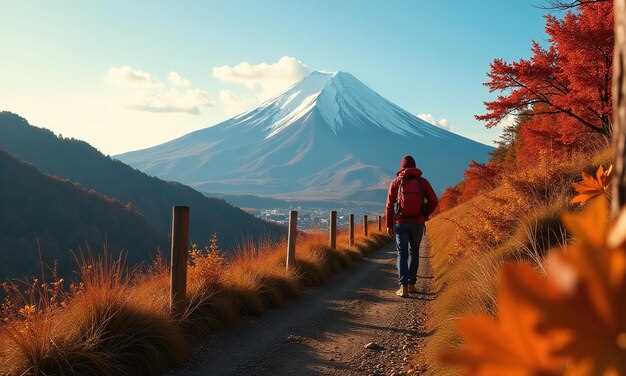
The Nakasendo Trail, often considered one of Japan’s historical treasures, offers a remarkable journey through various prefectures, connecting Kyoto and Tokyo. This trail, dotted with quaint post towns and breathtaking scenery, leads you through areas that are rich in culture and history.
The course features numerous well-preserved paths, making it a popular choice for both novices and seasoned hikers. As you explore, you’ll encounter stunning views of surrounding flora and towering trees, providing an immersive experience that feels like stepping back in time. The dual nature of the trails allows for various routes, ensuring both unique perspectives of the mountains and valleys.
Among the highlights along the Nakasendo Trail are the picturesque Yamadera and Kadowakisaki, where you can take a moment to pause and enjoy the serene lake views. Each segment of the trail rewards hikers with not only natural beauty but also thoughtfully placed observation points perfect for taking a break, drinking some water, and admiring the scenery.
While hiking, you will discover numerous historical sites and charming towns, where you can experience local culture first-hand. Consider stopping at a traditional store to buy local snacks or souvenirs, allowing you to support the communities that thrive along the paths. For Muslim-friendly options, there are establishments in towns like Yoshino, ensuring that all travelers can enjoy the experience without concern.
Hello experience seekers! If you’re aiming to spend your weekends effectively, look no further than the Nakasendo Trail. With options to hike back to historical towns or cross bridges surrounded by nature, this trail offers both adventure and tranquility. The observation areas widely spaced throughout the trails are perfect for capturing those postcard-worthy moments.
As you trek through the trail, don’t miss the chance to witness the majestic views of Mount Fuji afar. For those willing to walk the paths less traveled, this experience is worth every step, revealing layers of Japan’s rich civilization. Each journey back along the Nakasendo reminds us of the enduring connection between nature and history, making it an unforgettable hiking adventure.
| Trail Highlights | Локација | Points of Interest |
|---|---|---|
| Nakasendo | Between Kyoto and Tokyo | Historical Towns, Observation Points |
| Yamadera | Near Tohoku | Temples, Nature Views |
| Yoshino | Nara Prefecture | Cherry Blossoms, Cultural Sites |
| Kadowakisaki | Near Akadake | Lakes, Scenic Trails |