


 Magyar
  English (UK)
  Русский
  বাংলা
বাংলা  العربية
  日本語
日本語  한국어
한국어  Norsk nynorsk
  Türkçe
  עִבְרִית
  Español
  Čeština
  Svenska
  Português
  Ελληνικά
  Suomi
Suomi  Nederlands
  Română
  Italiano
  Français
  Polski
  Українська
  Deutsch
  简体中文
简体中文  Slovenčina
  Српски језик
  اردو
اردو  Azərbaycan dili
  O‘zbekcha
  አማርኛ
አማርኛ 
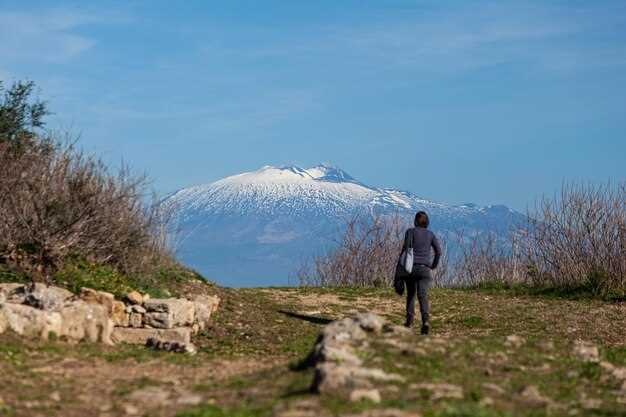
Japan is a land of stunning landscapes and rich history, dotted with hidden gems that beckon outdoor enthusiasts to explore beyond the iconic Mount Fuji. While the majestic peak often steals the spotlight, there are numerous routes that guarantee breathtaking panoramas, leading through villages and historical towns that embody the spirit of Japan. In this article, you’ll discover nine incredible hiking trails that go beyond the well-trodden paths, offering a chance to truly immerse yourself in the beauty of this unique area.
As you traverse the multi-day hiking routes, like the Nakasendo Trail or the journey to Koyasan, you’ll encounter traditional shrines, vibrant colors of the changing seasons, and the warm hospitality of local villagers. Each trail tells a story of its own, allowing you to learn more about the cultural heritage of the region as you face the natural challenges that come with your backpack. Whether you’re seeking a comfortable break or an adventurous trek, these trails serve as a reminder of the enduring connection between people and nature in Japan.
From the rocky paths that take you above the clouds, like those at Jinba, to the wooden bridges that link remote towns, every step provides a unique experience that isn’t to be missed. The area around Kamakura, with its modern influences and historical roots, offers a variety of hiking opportunities that will surely enrich your journey. So, please consider exploring these lesser-known trails; they will make your time in Japan truly unforgettable.
Exploring Lesser-Known Trails
For hiking enthusiasts seeking unique experiences, Japan offers many breathtaking trails beyond the iconic Mount Fuji. These lesser-known paths are dotted with ancient shrines, picturesque landscapes, and geological wonders that are perfect for those wanting to explore the beauty of the country.
One such remarkable spot is Yamadera, a scenic mountain area consisting of a series of stone steps leading to a shrine that has been revered for centuries. The trek can be challenging, especially during the winter months when snow may cover the path, but the reward is worth it. The panoramic views from the height, especially in the autumn when leaves change color, make the effort feel satisfying.
Koyasan, located in the mountainous district of Wakayama, is another hidden gem for trekkers. The area consists mainly of peaceful trails that connect multiple shrines and temples. Spending time here allows hikers to appreciate the spiritual atmosphere while enjoying the flourishing flora that lines the paths.
In contrast, the trails of Ishigaki in the Ryukyu Islands present a dual experience of mountainous and coastal landscapes. The hikes here are fairly easy, making them suitable for walkers of all levels. Spring and autumn are the best seasons to visit, where the idyllic backdrops are complemented by the vibrant colors of nature.
The Kumano Kodo pilgrimage routes offer a glimpse into Japan’s ancient walking traditions. These hikes, which refer to a series of interconnected trails, are exceptionally well-preserved and showcase the historical significance of the area. The experience of traversing these paths while discovering historical shrines adds a unique dimension to each journey.
For those looking to combine modern convenience with adventure, the ropeway ride in the Takao district provides easy access to high altitudes. From here, trekkers can embark on various trails that lead to stunning viewpoints. The experience is ideal for anyone wanting to escape the bustling cities of Tokyo and delve into peaceful natural settings.
With each hike, whether challenging or leisurely, participants will uncover the true essence of Japan’s natural beauty, offering a reminder that incredible landscapes await just beyond the well-trodden paths.
What Makes These Trails Unique?
Japan’s hiking trails offer a plethora of breathtaking experiences that distinguish them from one another. Here’s a closer look at what makes these trails unique:
- Ancient Footpaths: Many trails, such as the Kumano Kodo, are ancient pilgrimage routes that have served as spiritual sites for centuries. These paths invite hikers to immerse themselves in Japan’s rich cultural history.
- Stunning Seasonal Beauty: Each trail showcases unique beauty throughout the seasons. For instance, Yoshino is famous for its cherry blossoms in spring, while Hokkaido comes alive with vibrant autumn foliage.
- Festői kilátás: Trails like the Akadake and the Tohoku region provide impressive views of snow-capped peaks above and deep gorges below, creating a literal feast for the eyes.
- Public Accessibility: Many of these trails are easily accessible via public transportation, with trailheads located near major stations like Chuo and Yokosuka, making it convenient for both locals and travelers.
- Gentle Climbs: Some paths, such as those found in Hiraokacho, offer relatively gentle climbs, making them suitable for hikers of all skill levels, including families and beginners.
- Találkozások a vadon élő állatokkal: Trails provide a chance to spot diverse wildlife, including bears and various bird species. This connection to nature heightens the hiking experience.
- Culinary Options: Certain trails also offer halāl dining options for Muslim-friendly travelers. Local restaurants and eateries serve dishes that cater to dietary requirements, ensuring that everyone can enjoy the journey.
- Unique Attractions: Along the trails, hikers may discover historical sites, shrines, and picturesque bridges that add to the exploratory nature of the hike, such as the Magome-Tsumago trail, known for its beautiful post-town settings.
- Long-Distance Hiking: Many trails can be completed in segments with well-marked lines and clear guidance, enabling hikers to experience Japan’s diverse landscapes over multiple days without overwhelming commitment.
In summary, these hiking trails in Japan offer a blend of natural beauty, cultural richness, and accessibility that create a rewarding experience for everyone who embarks on these paths.
When is the Best Time to Hike?
For novices and experienced hikers alike, choosing the right time to embark on a journey is crucial. The mountainous areas of Japan offer unique experiences throughout the year, but the best months to hike are typically from March to November. During this period, the weather is mild, and trails are more accessible, allowing hikers to fully immerse themselves in the beautiful landscapes.
In spring, particularly in March and April, many trails come alive with blooming cherry blossoms, creating breathtaking scenery and a delightful atmosphere for trekkers. The kintoki trail is particularly popular during this time, as it winds through forests adorned with vibrant colors.
Summer months, especially July and August, are ideal for longer hikes but can be humid. Popular trails like Nakasendo are often teeming with other hikers, so it’s recommended to plan your trekking during weekdays to avoid the crowds. This season offers the opportunity to experience Japan’s iconic mountainous regions in all their glory.
As the autumn season approaches in September and October, the foliage begins to change, painting the mountains in stunning hues of red, orange, and yellow. This is a perfect time for those who wish to see Japan’s sprawling landscapes transformed. Hiking the daimon-zaka trail surrounded by vibrant autumn leaves is an experience not to be missed.
November marks the onset of winter, which can present challenges due to the increased difficulty of the trails. Many hikers choose to train and prepare for winter treks during this month, as some areas begin to close for the season, while others, like the Hakone region, can offer snow-covered peaks that provide a different kind of beauty.
Regardless of the time of year, having the right gear, including a quality backpack and proper clothing, is essential. Make sure to bring enough supplies and plan your route in advance, using websites or guidebooks to familiarize yourself with the area. Always check the weather conditions before heading out and be ready to adapt your plans if necessary.
Remember, the best time to hike ultimately depends on your level of experience, the kind of landscapes you want to explore, and your personal preferences. Whether you’re heading out on a small trek or planning to conquer iconic peaks, there’s always something to discover in Japan’s breathtaking trails.
How to Prepare for Your Hiking Trip?
Preparing for a hiking trip in Japan requires careful planning and consideration, especially when seeking out breathtaking trails beyond the iconic Mount Fuji. First, you should assess your fitness level and ensure that you’re in shape for the excursion, as some trails can be quite challenging. For novices, starting with easier routes will help build your stamina and confidence.
Next, consider the time of year when you’ll be hiking. September can be a fantastic month to appreciate the beauty of Japan’s scenic landscapes, as the weather usually remains favorable. However, it’s essential to check the forecast in advance to avoid any unexpected weather changes. Bringing appropriate gear tailored for the conditions is vital.
When selecting a hiking trail, research the transportation options available to reach your starting spot. Many scenic locations are easily accessible by train or bus, but parking areas may be limited, so plan accordingly if you’re driving. Bring along a camera to capture the stunning views of lakes, rivers, and volcanic landscapes; these moments are worth documenting and sharing.
Moreover, familiarize yourself with the route before setting off. Trails like the one at Genjiyama offer splendid viewing opportunities, allowing hikers to see years of natural beauty and historical monuments along the way. These excursions not only provide an active lifestyle but also a chance to disconnect from daily life and reconnect with nature.
If you’re looking for lodging options, consider staying at a minshiku, a traditional Japanese guesthouse, for an authentic experience. These accommodations can provide valuable local insights into the best hiking routes and hidden attractions. Additionally, plan to bring enough food and water to stay energized throughout your journey.
Finally, don’t forget to share the experience with others. Whether hiking with friends or joining a local group, the shared adventure can make the journey even more enjoyable. Embrace the dual aspects of hiking: the physical challenge and the tranquil connection with nature. With proper preparation, you can fully appreciate the picturesque trails Japan has to offer.
Essential Gear You Need
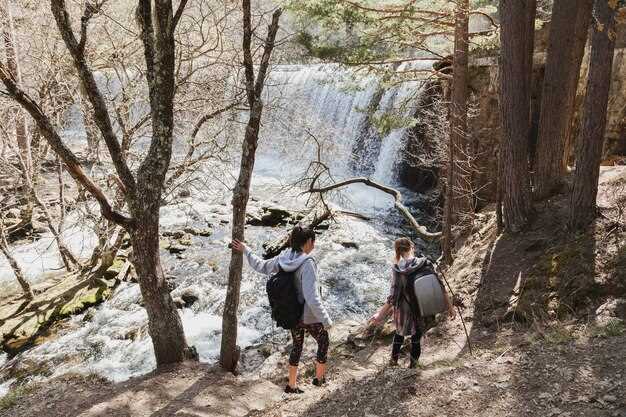
When planning your hiking adventures along Japan’s breathtaking trails, such as those in Hakone and Yoshino, it’s vital to equip yourself with the right gear. Here are some recommended items that will ensure a safe and enjoyable experience.
First on your list should be a sturdy pair of hiking boots. Choose footwear that provides good ankle support and traction, especially on the more challenging paths down from summits or across craggy terrain. Snow-capped mountains may require additional gear, like crampons, during certain seasons.
A quality backpack is essential for carrying your gear, snacks, and water. Look for options that are lightweight yet spacious, allowing you to pack essentials without being cumbersome. Inside, consider adding a hydration system for easy access to water as you head through the mountainous routes.
Aside from your hiking boots and backpack, layers of clothing are crucial. The weather can change rapidly, so pack moisture-wicking base layers, insulating mid-layers, and waterproof outer layers to stay comfortable. Be sure to check the hours that nearby stores, especially those located at station addresses, are open in case you need to purchase additional items.
Azok számára, akik a túraútvonalakon szeretnének feltöltődni, a hordozható ételek elengedhetetlenek. A halal tanúsítvánnyal rendelkező opciók különösen a népszerű helyeken érhetők el, biztosítva, hogy minden látogató, beleértve a muszlimokat is, élvezhesse a finom falatokat. A diófélék, energiaszeletek és szárított gyümölcsök könnyen csomagolhatók, és megadják a szükséges tápanyagot a túra során.
Egy elsősegély-készlet is fontos kellék. Balesetek bármikor történhetnek, és ha vannak olyan felszereléseid, mint a kötszerek, fertőtlenítő törlőkendők és fájdalomcsillapítók, az nagy különbséget jelenthet vészhelyzetekben, ismeretlen utakon. Egy kompakt, könnyű készlet megkímél a fáradságtól, miközben nyugalmat biztosít.
Végül ne feledkezz meg a navigációs eszközökről sem. GPS-készülékek, térképek vagy akár egy mobilalkalmazás is segíthet eligazodni a Jamadera festői ösvényein és azon túl. Sok túrázó megnyugvást talál abban, hogy nyomon követi az útvonalát, miközben krátereken és völgyeken halad át, biztosítva, hogy a helyes úton maradjon.
Összefoglalva, egy biztonságos japániai túrázáshoz csomagolj megfelelően, strapabíró bakancsot, támasztó hátizsákot, réteges ruházatot, hordozható harapnivalókat, elsősegély készletet és megbízható navigációs eszközöket. Ezzel a nélkülözhetetlen felszereléssel készen állsz majd a lenyűgöző tájak felfedezésére, amelyek rád várnak.
A legjobb túraútvonalak a Fuji-hegyen túl
Japán számtalan túraútvonallal büszkélkedhet, melyek lélegzetelállító kilátást és egyedi élményeket nyújtanak a híres Fuji-hegyen túl. Az egyik legimpozánsabb terület a Daiszecuzan Nemzeti Park, ahol a kanyargós ösvények tökéletes helyszínt biztosítanak azok számára, akik el szeretnének merülni a természet szépségében. Ez a hatalmas terület lenyűgöző emelkedőkkel és káprázatos, hófedte csúcsokkal rendelkezik, így ideális célpont a kalandvágyók számára novemberben.
Azok számára, akik a félhomályos élményeket részesítik előnyben, a Yakushima szigeti ösvények könnyen megközelíthetőek, és nyugalmas légkört kínálnak ősi cédrusfákkal körülvéve. Az itt található egyedülálló biodiverzitás lehetővé teszi a túrázók számára, hogy különféle növény- és állatfajokkal találkozzanak, így biztosítva egy igazán emlékezetes utazást.
A Jokohamához közeli Takao-hegy könnyű hozzáférést biztosít egynapos kirándulásokhoz. A túraútvonalak csupán egy rövid távolságra kezdődnek a legközelebbi vasútállomásoktól, így kényelmes választás az utazók számára. A feljutás meglehetősen mérsékelt, lehetővé téve a túrázóknak, hogy pihenjenek és gyönyörködjenek a város gyönyörű panorámájában.
Ezenkívül a Yamadera ösvények figyelemre méltóak történelmi jelentőségük miatt, egy hegyoldalon magasan fekvő, bájos szentélyhez vezetnek. Ez a terület különösen varázslatos a cseresznyevirágzás idején, amikor az ösvényeket élénk virágok szegélyezik.
Miközben felfedezed ezeket az ösvényeket, érdemes megállni a helyi éttermekben, amelyek halal-tanúsítvánnyal rendelkező ételeket kínálnak, biztosítva, hogy minden túrázó szívesen legyen látva és kiszolgálva. Bár lehetnek hátrányok, például foglalási korlátozások a főszezonban, ezen egyedi útvonalak bejárásának összélménye messze felülmúlja az esetleges kellemetlenségeket.
A túrázási kaland megtervezésével kapcsolatos további cikkekért feltétlenül nézzen meg útmutató oldalakat, amelyek átfogó tippeket és tanácsokat nyújtanak. Akár hatalmas tájakon keresztül túrázik, akár kisebb, kihívást jelentő útvonalakat választ, a Fuji-hegyen túli japán túraútvonalak felejthetetlen élményt ígérnek lenyűgöző természeti szépségek közepette.
Nakasendo ösvény: Utazás a történelemben
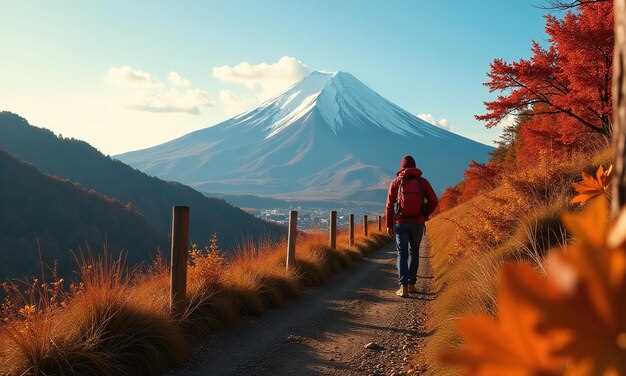
A Nakasendo ösvény, amelyet gyakran Japán egyik történelmi kincsének tartanak, figyelemre méltó utazást kínál különböző prefektúrákon keresztül, összekötve Kiotót és Tokiót. Ez az ösvény, amelyet bájos postaállomások és lélegzetelállító tájak tarkítanak, kultúrában és történelemben gazdag területeken vezet keresztül.
A tanösvény számos jól megőrzött ösvénnyel büszkélkedhet, így népszerű választás kezdők és tapasztalt túrázók számára egyaránt. A felfedezés során lenyűgöző kilátás nyílik a környező növényvilágra és a magasra törő fákra, ami olyan magával ragadó élményt nyújt, mintha visszalépnénk az időben. Az ösvények kettős jellege változatos útvonalakat tesz lehetővé, biztosítva a hegyek és völgyek egyedi perspektíváit.
A Nakasendo útvonal kiemelkedő pontjai közé tartozik a festői Yamadera és Kadowakisaki, ahol szusszanhatsz egyet, és élvezheted a csendes tóra nyíló kilátást. Az útvonal minden egyes szakasza nemcsak természeti szépségekkel, hanem átgondoltan elhelyezett kilátópontokkal is megjutalmazza a túrázókat, amelyek tökéletesek egy kis pihenőre, vízfogyasztásra és a táj megcsodálására.
A túrázás közben számos történelmi helyszínt és bájos várost fedezhet fel, ahol első kézből tapasztalhatja meg a helyi kultúrát. Érdemes megállni egy hagyományos boltban, hogy helyi harapnivalókat vagy ajándéktárgyakat vásároljon, ezzel támogatva az ösvények mentén virágzó közösségeket. A muszlimbarát lehetőségek érdekében olyan városokban, mint Yoshino, találhatók megfelelő létesítmények, biztosítva, hogy minden utazó gond nélkül élvezhesse az élményt.
Üdvözlünk kalandvágyók! Ha szeretnétek hatékonyan eltölteni a hétvégéiteket, ne keressetek tovább a Nakasendo Ösvénynél. Az ösvényen lehetőség van visszasétálni történelmi városokba vagy átkelni a természet által körülvett hidakon, így ez az útvonal kalandot és nyugalmat is kínál. A széles körben elhelyezett kilátópontok tökéletesek képeslapra illő pillanatok megörökítésére.
Ahogy végigsétál az ösvényen, ne hagyja ki a lehetőséget, hogy távolról megcsodálja a Fuji-hegy fenséges látványát. A kevesebbek által járt utakat választók számára ez az élmény minden lépést megér, feltárva Japán gazdag civilizációjának rétegeit. Minden egyes visszatérés a Nakasendón emlékeztet bennünket a természet és a történelem közötti tartós kapcsolatra, felejthetetlen túrázási kalanddá téve azt.
| A túra legfontosabb jellemzői | Helyszín | Points of Interest |
|---|---|---|
| Nakasendo | Kiotó és Tokió között | Történelmi városok, kilátópontok |
| Yamadera | Tohoku közelében | Templomok, Természeti Látnivalók |
| Josino | Nara prefektúra | Cseresznyevirágok, Kulturális helyszínek |
| Kadowakisaki | Akadake közelében | Tavak, festői ösvények |