


 Slovenčina
  English (UK)
  Русский
  বাংলা
বাংলা  العربية
  日本語
日本語  한국어
한국어  Magyar
  Norsk nynorsk
  Türkçe
  עִבְרִית
  Español
  Čeština
  Svenska
  Português
  Ελληνικά
  Suomi
Suomi  Nederlands
  Română
  Italiano
  Français
  Polski
  Українська
  Deutsch
  简体中文
简体中文  Српски језик
  اردو
اردو  Azərbaycan dili
  O‘zbekcha
  አማርኛ
አማርኛ 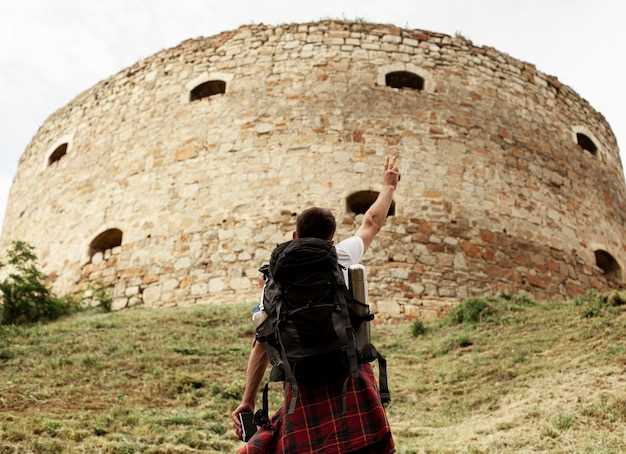 Top 19 lokalít UNESCO Svetového dedičstva v Turecku – Kompletný sprievodca">

Begin with Göreme National Park in Cappadocia for a panoramic introduction to Türkiye’s UNESCO treasures, a true masterpiece of artistry carved in stone. You’ll see monuments and towns perched on bedrock, with fairy chimneys born from ancient eruptions. Whether you travel solo or with family, this opening stop sets a vibrant tone for the rest of your trip.
Across the coast and inland, the sites offer examples of craft and ritual. Troy’s theatre, Ephesus’s Library, and Pergamon’s acropolis remain vivid relics of ancient design, while Çatalhöyük reveals a Neolithic way of life. The collection contains legends and lessons you can compare, whether you want to study hellenistic art or simply enjoy a slow afternoon with travellers from guatemala and other regions.
Move to the southwest to visit Xanthos and Letoon – leto in many listings – where port towns and sanctuaries showcase civic pride and religious devotion. The inscriptions and tombs here give a clear sense of a lord-like administration that guided commerce and ceremony. The site’s avenues invite a panoramic stroll along the river, especially at sunset.
Pamukkale and Hierapolis combine a striking thermal bath with ancient healing practices. A soak invites you to reflect on daily life and ritual; you’ll feel the water shaping stone over centuries. These ruins are a tangible link between travellers and locals who traded goods and ideas along routes that mattered for generations.
For planning, map routes that link Cappadocia, Pamukkale, and Ephesus with Izmir and Antalya, then head to Diyarbakır’s fortress complex in the northeast. The guide provides practical details: opening hours, kid-friendly routes, and accessible paths, with examples of efficient itineraries that cover the remaining sites in manageable segments. If you want a balanced mix of history and scenery, this approach helps you optimize time and cover more in fewer days.
These sites connect people on our planet and invite you to compare eras, climates, and materials with a curious eye. The blend of hellenistic relics, monuments, and preserved towns creates a hands-on field you can explore from panoramic viewpoints to compact alleys where locals share stories and crafts born from centuries of exchange.
Ready to plan your route? Grab the guide and pick your top picks, then book experiences that match your pace – from sunrise hot-air balloon flights over Cappadocia to a stroll among baths and ruins in Hierapolis. You’ll discover practical tips to maximize time and surface memorable moments, whether you want to focus on examples of ancient religion or the once-bustling monuments of trade that shaped Turkish towns.
Practical planning for Türkiye and China heritage sites
Start with a practical two-country plan: allocate 10–12 days in Türkiye and 10–12 days in China, then adjust for flight windows and visa rules. Upon arrival, build a schedule around two or three anchor bases per country and use efficient connections to minimize inconvenience. Join guided tours at major sites to gain context quickly, and reserve tickets in advance for popular monuments to avoid cancelled entries. Using local experts to connect site narratives with regional history, set a personal pace to savor highlights without rushing.
Türkiye’s highlights demand a balanced rhythm: cappadocia reveals vaulted cave churches and fairy‑chimney landscapes; pamukkale offers white travertine terraces beside a turquoise coast. pergamon combines a hilltop acropolis, monumental gates, and a theatrical theatre setting that rewards early visits. Plan two days in cappadocia for sunrise views and a balloon experience, then a day for pamukkale and a coastal swing to nearby Efes. In pergamon, reserve a half day for the acropolis and the library precinct, then visit the adjacent gates and bazaar route. For variety, add a coast stop on the Aegean to taste seafood beside ancient ruins. If you joined an anzac‑era route earlier, you can link these sites to broader regional stories; the result feels cinematic and immersive.
China planning centers on efficient rail and air hops: Xi’an for the Terracotta Army, Beijing for the Forbidden City and Great Wall, and Chengdu for hillside temples or Jiuzhaigou if time allows. Build a two to three night stay in Beijing, two in Xi’an, and a third hub such as Chengdu or Dunhuang if you chase Mogao caves. Reserve mid‑week entries to avoid the worst crowds; using guided tours helps you focus on the highlights, from the gates of imperial palaces to the vaulted corridors of the Forbidden City. If you have seen yellowstone crowds, choose dawn slots for Beijing and Xi’an to maintain a calm tempo. The Great Wall can be explored at various sections; consider a shorter, scenic stretch for a more theatrical ambience. For a smoother pace, use high‑speed trains between Beijing and Xi’an rather than multiple flights. If weather affects outdoor sections, have a flexible plan and learn to switch to indoor museums; however, keep a backup plan for alternate dates. These sites stand as a masterpiece of imperial ambition and regional culture, and their proximity to river valleys and caravan routes highlights a broader historical dialogue with Türkiye’s Euphrates corridor. Add a coast stop to connect maritime routes along the coast, beside which modern cities frame the heritage experience.
Logistics and risk management emphasize flexibility: confirm visa requirements for Türkiye and China, secure return tickets with change options, and choose internal routes with high reliability. Book core sites with refundable options; have a backup plan for weather or transport delays–cancellations happen, yet alternatives exist in most hubs. In Türkiye, book Cappadocia and Pamukkale slots early; in China, lock mid‑week slots for Terracotta Army and Forbidden City; this reduces queue times and supports a calmer pace. Local support teams can arrange private transfers, accessibility options, and translator services if needed, helping you stay beside your planned schedule while maintaining comfort.
Sample two‑country plan: 7–8 days Türkiye core circuit–cappadocia for two days with sunrise views, pamukkale for two days, pergamon for one day, and a coast segment beside the Aegean; then 7–8 days in China–Beijing for three days (Forbidden City and Great Wall), Xi’an for two days (Terracotta Army), and Chengdu or Dunhuang for two days (Mogao caves or related heritage sites). Use high‑speed trains where possible, reserve indoor options for bad weather, and pace visits to avoid fatigue. By balancing landscapes, architecture, and historical context, you gain a cohesive understanding of how two regions shaped and reflected ancient and imperial civilizations.
Rank Türkiye UNESCO sites by accessibility, interest, and regional grouping
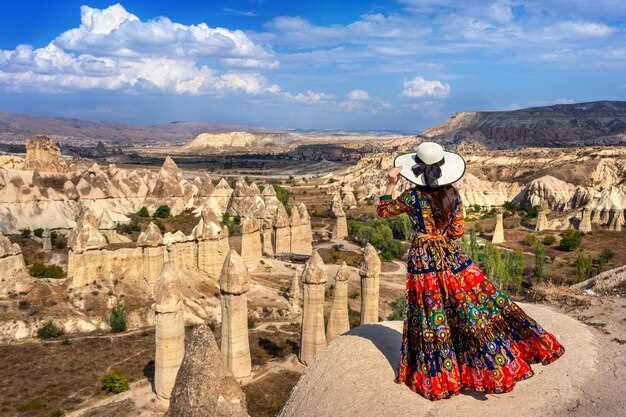
First, start your list with Göreme National Park and the Rock Sites of Cappadocia. Named UNESCO’s flagship cluster in Central Anatolia, it offers high accessibility, strong interest, and history steeped in dynasties. Arrive by a short flight to Kayseri or Nevşehir, then reach the core sites within about an hour by road. The panoramic, otherworldly scenery pairs beautifully with cave-building chapters of ancient life, and tours can be scheduled to fit a compact two-day block in the region. Your plan should leverage the location for a tight loop that minimizes backtracking, with advance bookings for balloon rides or sunrise crossings to secure preferred times.
Next in order of accessibility and broad appeal are ephesus and Pamukkale in the western Aegean. ephesus offers one of the most complete ancient cities you’ll see, while Pamukkale’s springs provide a natural counterpoint of thermal waters and a scenic cliff panorama. From Izmir, you have straightforward access to Selçuk, with several tours and easy options to arrive by rail or road. The policy at these sites supports well-structured visits, and pairing a dinner in Selçuk or Şirince can enrich the experience while keeping the pace comfortable for your group.
Consider the Aegean belt for a second cluster: Troy and Pergamon. Both are named UNESCO sites with deep historical resonance and robust public facilities for visitors. From Canakkale or Bergama, you can base day trips with short crossings between sites, making it practical to cover both in a two-day block. This regional grouping suits travelers who want a European-flavored antiquity circuit without long transfers, and the figures in visitor data reflect steady European and domestic interest–European travelers especially appreciate the accessible road network and comfortable touring options.
The Mediterranean cluster centers on Xanthos-Letoon and the broader Lycian coast near Antalya. Antalya itself serves as a gateway, with direct flights and a wealth of guided tours that combine coastal scenery with ancient ruins. Xanthos-Letoon delivers a dramatic, panoramic setting alongside a built-up list of Lycian monuments, and it’s easy to combine with a coastal town stay for a lighter pace. Expect a travel rhythm that blends sunrise views, river-scenic drives, and evenings in coastal towns that offer fresh seafood and dinner options after a day of exploration.
Further east, Göbekli Tepe near Şanlıurfa introduces a ninth-millennium date in human history and makes a compelling counterpoint to the maritime sites. Access remains practical through major hubs, with domestic flights and efficient road links, and the site’s archaeological significance attracts both specialist tours and curious first-time visitors. The location invites a cross-regional itinerary that links with Diyarbakır’s riverine landscape, enabling a varied experience that keeps your dates flexible and your plans well-paced. For broader exposure, consider a guided loop that pairs a sunrise visit with a late-afternoon exploration of urban fabric and local cuisine.
In the southeast, Diyarbakır Fortress and Hevsel Gardens pair a city-center setting with river dynamics on the Tigris. The crossing between the old fortress walls and the agricultural gardens provides a vivid sense of layered history–building remains, city walls, and verdant terraces–all steeped in centuries of history. The site draws strong regional interest and offers meaningful opportunities to meet local guides, sample regional dishes, and gain insight into how these dynasties shaped urban life along the river. To maximize your time, plan a midweek arrival or an early weekend visit, and reserve a guided walk that highlights both defense architecture and the living culture around the gardens.
For a complete UNESCO circuit, add Hattusa, the Hittite capital, whose monumental building ruins reveal a long arc of governance and military organization. The site is more remote, but it remains a named, highly educational option for travelers who want to track the development of early states and their dynasties. Prepare for longer travel legs and a slower pace, with dates that align to seasonal openings and local events. A well-timed visit can pair with a journey through Cappadocia or the eastern plains, and the site’s location lends itself to thoughtful planning and cross-regional reflection.
Tips to optimize your route: map a logical order that minimizes backtracking, and use a single regional pass if available. Advance arrangements for guides, a dinner plan, and transport rentals often improve your comfort and allow you to focus on the site content rather than logistics. If you’re coordinating with international groups, a simple dining-stop after a long crossing can floor the group with a warm welcome and a clear chronology of the remains you’ll see. Dates, times, and opening policies change seasonally, so check the latest updates before you arrive, and keep a backup plan in case you want to adjust the pace based on weather or crowds. For those combining coastal time with inland ruins, a partial itinerary that includes whale or other marine species glimpses on a separate day can be a memorable addition if you’re staying in Antalya or near the Aegean coast. This approach keeps your UNESCO list focused while offering a broader, fulfilling experience across Türkiye’s diverse locations.
Plan a 7–10 day Türkiye loop covering the top sites
Begin in Istanbul for two days, then fly to Cappadocia to begin a loop that comprises six principal sites across Türkiye, connected by domestic flights and short drives. In Istanbul, focus on the Historic Areas: Blue Mosque, Hagia Sophia, Topkapi Palace, and a Bosphorus cruise. Stay near Sirkeci station for easy transit and quick access to the tram network that serves Sultanahmet and beyond. This route suits independent travelers and families; a father can tailor the pace to rest one extra day or push a little harder on a single leg. In many sites, the imprint of a lord or elite patron still lingers in inscriptions on architraves and walls.
In Cappadocia (Days 3–4), the landscape created by volcanoes offers a surreal setting for exploration. Take a dawn balloon, visit Göreme Open Air Museum, Derinkuyu or Kaymaklı underground cities, and hike the Rose and Red Valleys. A cave-hotel stay is built into the rock, and photos taken at sunrise capture the best light. The upper valleys provide panoramic views that feel colossal.
On Day 5, Denizli and Pamukkale unfold next. Fly to Denizli, walk the white travertines, and explore Hierapolis with its well-preserved theater and necropolis. The terraces resemble yellowstone’s mineral scenery in texture, and a dip in the Cleopatra pool offers a refreshing contrast. Entry prices typically include taxes for a straightforward day.
Day 6 centers on Ephesus. Walk the marble streets to the Library of Celsus and the colossal Great Theatre, and note the long arc of archaeology that reveals a school of Hellenistic and Roman urban planning. Nearby, Selçuk adds the House of the Virgin Mary; Selçuk station provides easy onward connections. If you have extra time, a detour toward the Lycian coast lets you see lycians heritage in Letoon and Xanthos.
Day 7 brings Pergamon (Bergama). Explore the steep upper acropolis, the Asclepieion, and the vast theatre, all perched above the lower city. The site showcases a synthesis of Greek, Roman, and later influences, with the Ottomans leaving architectural reminders in nearby towns.
Day 8 focuses on Troy, near Canakkale. Wander the ancient ruins set along the border between Asia and Europe and imagine siege legends that echo across centuries. For context, compare with Petra or Angkor, but recognize that Türkiye offers a dense concentration of archaeology in a compact loop.
Day 9–10, return to Istanbul or extend to the Aegean coast for a marine-influenced finale. If you add Kaş or Fethiye, the Xanthos and Letoon sites reveal the lycians; this detour adds the highest density of Lycian ruins along the route. Independent travelers appreciate this flexibility; finally, conclude with a Turkish dinner along the waterfront and a last stroll on the Golden Horn to savor the style of hospitality.
Beijing and Shenyang palaces: time-entry, route optimization, and photography tips
Reserve timed-entry online for both sites and stay for 2–3 hours at the Forbidden City and 1.5–2 hours at Mukden Palace; verify hours on the official site and choose accommodations within easy reach to minimize transit. Editor notes: plan with flexible slots for weather and crowds.
For Beijing, time-entry is strict, so pick a morning slot and start at the Meridian Gate. Walk through the complex in a compact loop: Meridian Gate → Hall of Supreme Harmony → central axis toward the Hall of Central Harmony and beyond, ending near the Gate of Divine Might. This approach focuses on the most iconic structures and uses well-preserved stonework and rock textures along wide courtyards. If crowds thicken, move toward the central axis and towards the main halls; you’ll probably see the least congestion early in the day or late afternoon. The route shows the core history of the site and how portions were rebuilt after fires, with acts of preservation guiding constant improvements.
Photography tips: bring a versatile zoom (24–70mm) or a fast prime and shoot during golden hour to capture warm light on red walls and rock textures. Inside halls, tripods are generally not allowed; use high ISO or a fast lens to keep images clean and avoid flash. For exteriors, a wide-angle lens captures rooflines against the sky; frame the main axis to emphasize symmetry, and keep the background clear of crowd elements. You will love the balance of scale and detail, and you probably wish for more time to explore angles after dark. See examples from editors and experts who show how to frame crowds without losing clarity.
Šenjangský cisársky palác ponúka pokojnejšie tempo a hlbokú históriu; vstúpte Južnou bránou skoro, aby ste sa vyhli veľkým davom, potom pokračujte po centrálnej osi smerom k hlavným sálkam. Lokalita je dobre zachovalá; niektoré pavilóny boli v minulosti poškodené alebo zničené požiarmi, ale rekonštrukcia zachovala celkové usporiadanie neporušené. Trasa je kompaktná, takže môžete prejsť základné stavby za 1,5 – 2 hodiny bez ponáhľania sa. Naplánujte si prechádzku smerom k slnečným nádvoriam a využite tieň pozdĺž krytých chodieb na ochranu vybavenia. Ako poznámka na pozadí, Arslantepe ukazuje, ako civilizácie uchovávajú minulé stavby, a výskum z obdobia Chetitov informuje o prístupoch k ochrane. Odborníci poukazujú na hodnotu činov, ktoré chránia históriu, a táto lokalita demonštruje tento prístup veľmi praktickým spôsobom.
Tipy na fotografovanie v Shenyangu: použite objektív 24 – 105 mm na zachytenie pohľadov na centrálnu os a zdobené strechy; v interiéroch buďte opatrní s bleskom; interiéry môžete pravdepodobne fotografovať s prirodzeným svetlom z okien. Priestor ponúka mäkšie svetlo a detailná práca na dračích motívoch odmeňuje trpezlivosť. Dávajte pozor na značenie a správajte sa úctivo v blízkosti exponátov. Pohľady smerom k najväčším nádvoriam odhaľujú históriu intímnejším spôsobom; uvidíte, ako sa svetlo a tieň prelínajú s vyrezávaným drevom a textúrami tehál, a budete milovať výsledky, keď budete rámy snímať s ľuďmi ako siluetami, a nie ako rozptýlením. Môžete vidieť množstvo scén, ktoré odborníci vyzdvihujú ako dobre zachované príklady palácového dizajnu.
Okrem týchto palácov môžete podobný prístup uplatniť aj pri plánovaní rozsiahlejšieho cestovania. Arslantepe a pozadie z obdobia Chetitov ukazujú, ako odborníci chránia minulosť, a tieto poznatky sa prenášajú na trasy Peking a Šen-jang. Ak navštívite Antiguu, Antalyu alebo Jordánsko, použijete rovnakú logiku trasy: ubytujte sa v ubytovacích zariadeniach s ľahkým prístupom, vyhýbajte sa dlhým uliciam, ktoré plytvajú časom, a majte svoju výbavu pripravenú na rýchle zmeny svetla. Bude sa vám páčiť, ako premyslené plánovanie prináša hodnotnú históriu na fotografiách; rešpektujte vnútorné pravidlá a vyhľadajte kúpeľné zariadenia, keď si potrebujete oddýchnuť. Najmenej ľudí je za úsvitu alebo neskoro popoludní, preto plánujte s ohľadom na tieto časové okná a s jasnosťou aj vašu ďalšiu zastávku. Minulosť učí veľa a najpamätnejšie snímky pochádzajú od ľudí, miest a textúr, ktoré ste videli osobne.
Cezhraničný itinerár: zosúladiť návštevy Turecka a Číny s letmi a vízovými krokmi
Zarezervujte si trasu do dvoch krajín, ktorá začína v Turecku a zahŕňa cezhraničný úsek do Číny, pričom vízové kroky budú synchronizované, aby sa minimalizovali meškania. Skontrolujte tureckú politiku elektronických víz pre vašu štátnu príslušnosť a preštudujte si čínsku vízovú politiku, potom si pred zakúpením zabezpečte schválenia.
Prílet do Istanbulu a začiatok aktívnej fázy v Turecku, potom preskúmanie okolia Beyşehiru a chetitského vnútrozemia. Tento anatolský úsek, ktorý sa rozprestiera okolo klenutých ruín a jazerných scenérií, pokrýva storočia náboženstva, správy a každodenného života. Motívy Artemidinho chrámu sa objavujú v dekoratívnych rytinách, zatiaľ čo Beyşehir ukotvuje trasu pokojnou základňou. V neďalekých artefaktoch a nápisoch nájdete perzské vplyvy, ktoré odrážajú medziregionálnu výmenu, svedectvo o dlhodobých spojeniach, ktoré prispeli k širším obchodným sieťam a zmluvám. Fragment Severa nájdený v stene odráža dialógy Hodvábnej cesty, pripomienka toho, ako sa kultúry stretávali na spoločných cestách. Kurz predstavuje kompaktné majstrovské dielo krajiny a archeológie a cestu na palube pohodlného vnútroštátneho spoja na ďalšiu zastávku, pričom si spoločne zbierame tipy od miestnych sprievodcov na tempo návštevy.
Leťte z Turecka do čínskeho vstupného mesta, ako je Peking alebo Šanghaj, a vyberte si spojenie, ktoré minimalizuje prestupy. V Číne sa vydajte cez Peking, Si-an a Čcheng-tu, aby ste vyvážili ikonické miesta s pohodlným tempom. Nech trasa odráža ozveny Hodvábnej cesty a širšiu históriu ríše, s múzeami a námestiami, ktoré rozprávajú o viacregionálnej výmene a sieťach zmlúv. V Zakázanom meste a pozdĺž Veľkého čínskeho múru vnímate trvalý politický rámec, ktorý formoval pohyb cez hranice. V niektorých nádvoriach a záhradách môžete nájsť motívy ovplyvnené Perziou, ktoré pripomínajú vzdialené spojenia. Pre logistiku si rezervujte segmenty vysokorýchlostnej železnice medzi hlavnými zastávkami a vyberte si obľúbené štvrte pre ľahké stravovanie a kultúrne ponorenie. Tento oblúk výmeny dokonca siaha až po trasy z obdobia Cuzco, čo ilustruje, ako sa myšlienky a tovar šírili na obrovské vzdialenosti. Príďte osviežení na váš návrat do Turecka a všimnite si, ako sa dve kapitoly vašej cesty spájajú do väčšieho príbehu.
Logistika lokality: riadenie davu, prístupnosť, bezpečnosť a praktické tipy
Začnite s časovými vstupmi do najnavštevovanejších oblastí, aby ste minimalizovali rady, zabezpečili si miesto a zachytili najlepšie svetlo na fotografie.
Riaditeľ areálu koordinuje personál pri bránach a plán smerovania sa využíva počas celého dňa na zníženie dopravnej zápchy. Ľavostranné a pravostranné koridory sú jasne označené, navádzajú návštevníkov cez oblasť, ktorá zahŕňa skalné útvary, historické terasy a výhľady na nábreží, pričom personál sa strieda, aby sa zabezpečil plynulý pohyb.
Riadenie davu a tok
- Rezervácia: Na zabezpečenie časového úseku použite oficiálne kanály; v hlavnej sezóne je bežný obmedzený počet miest, preto si rezervujte včas pre bezproblémový deň.
- Návrh trasy: Zvoľte komplexnú slučku, ktorá vyzdvihuje nádherné miesta a zároveň rozmiestňuje skupiny po rôznych bodoch oblasti a viacerých bránach, aby sa predišlo preplneniu, s integrovanými silnými vyhliadkami v kľúčových zákrutách na udržanie tempa.
- Značenie a pokyny: Na značkách sa používajú veľké ikony a moderná mapa; personál usmerňuje skupiny pokojnými a jasnými pokynmi.
- Okavangské lekcie: Medzinárodné prípadové štúdie, vrátane podobných vzorcov toku ako v Okavangu, informujú o postupnom vstupe a prevencii úzkych miest, aby rady zostali krátke.
- Beyşehir a miestni partneri: sprievodcovia z oblasti Beyşehir ponúkajú voliteľné bočné trasy, ktoré vyvažujú zaťaženie na hlavnej trase a predstavujú pozoruhodné výhľady.
- Náklady a rezervácie: Dane a vstupné poplatky sú uvedené v potvrdeniach rezervácií; uvedomte si miestne platobné metódy a menu.
Prístupnosť a bezpečnosť
- Cesty a rampy: Kompaktná dlažba, prístupné rampy a hmatové vodiace prvky pomáhajú návštevníkom s obmedzenou pohyblivosťou alebo so zmyslovými potrebami.
- Vybavenie: Toalety a tienené sedenie sú rozmiestnené v pravidelných intervaloch pozdĺž hlavnej trasy.
- Prvá pomoc: Jasne označené miesto prvej pomoci je obsadené viacjazyčným personálom; majte poruke tiesňové čísla.
- Hydratácia a teplo: Pozdĺž trasy sú umiestnené vodné stanice; tieniace konštrukcie znižujú vystavenie slnku.
- Značenie: Vysoko kontrastné značenie a jednoduché prehľady trás zabraňujú zmätku; moderná QR mapa odkazuje na offline verziu, ak vypadne mobilný signál.
Praktické tipy pre bezproblémový zážitok
- Začnite skoro, aby ste si užili pokojnejšie výhľady a menej davov; vďaka tomu získate nezabudnuteľné fotografie a uvoľnené tempo.
- Zbaľte si ľahké veci a vezmite si so sebou kompaktnú fľašu na vodu, opaľovací krém, klobúk a tenkú vrstvu oblečenia pre prípad chladnejšieho počasia; držte sa svojej skupiny, aby nikto neostal pozadu.
- Rešpektujte brány a vyhradené priestory; neplávajte v zakázaných zónach a vždy sa riaďte pokynmi personálu.
- Buďte pripravení prispôsobiť plány: druhá trasa sa môže objaviť v dôsledku počasia alebo davov, čím vzniknú spomienky zrodené z flexibility.
- Miestni sprievodcovia z okolia Beyşehiru sa môžu podeliť o zákulisné pohľady a poukázať na výhliadkové body pripomínajúce raj pozdĺž trasy.
- Plánovanie na základe osí vám pomáha pokryť viacero bodov bez vracania sa; držte sa osi a vyhýbajte sa odbočkám, ktoré spomaľujú skupinu.
- Pre medzinárodné cestovanie: skontrolujte cestovné upozornenia a vstupné požiadavky pre Ekvádor; majte so sebou cestovnú kreditnú kartu a potvrdenie rezervácie.
- Pre vzácne zóny môže byť k dispozícii obmedzený počet miest; ak uvidíte príležitosť, rezervujte si ju a rýchlo konajte, aby ste si zabezpečili prístup.
- Pri bránach: majte pripravený kód rezervácie a preukaz s fotografiou, aby ste urýchlili vstup.