


 Русский
  English (UK)
  বাংলা
বাংলা  العربية
  日本語
日本語  한국어
한국어  Magyar
  Norsk nynorsk
  Türkçe
  עִבְרִית
  Español
  Čeština
  Svenska
  Português
  Ελληνικά
  Suomi
Suomi  Nederlands
  Română
  Italiano
  Français
  Polski
  Українська
  Deutsch
  简体中文
简体中文  Slovenčina
  Српски језик
  اردو
اردو  Azərbaycan dili
  O‘zbekcha
  አማርኛ
አማርኛ  Топ-19 объектов Всемирного наследия ЮНЕСКО в Турции — исчерпывающее руководство">

Begin with Göreme National Park in Cappadocia for a panoramic introduction to Türkiye’s UNESCO treasures, a true masterpiece of artistry carved in stone. You’ll see monuments and towns perched on bedrock, with fairy chimneys born from ancient eruptions. Whether you travel solo or with family, this opening stop sets a vibrant tone for the rest of your trip.
Across the coast and inland, the sites offer examples of craft and ritual. Troy’s theatre, Ephesus’s Library, and Pergamon’s acropolis remain vivid relics of ancient design, while Çatalhöyük reveals a Neolithic way of life. The collection contains legends and lessons you can compare, whether you want to study hellenistic art or simply enjoy a slow afternoon with travellers from guatemala and other regions.
Move to the southwest to visit Xanthos and Letoon – leto in many listings – where port towns and sanctuaries showcase civic pride and religious devotion. The inscriptions and tombs here give a clear sense of a lord-like administration that guided commerce and ceremony. The site’s avenues invite a panoramic stroll along the river, especially at sunset.
Pamukkale and Hierapolis combine a striking thermal ванна with ancient healing practices. A soak invites you to reflect on daily life and ritual; you’ll feel the water shaping stone over centuries. These ruins are a tangible link between travellers and locals who traded goods and ideas along routes that mattered for generations.
For planning, map routes that link Cappadocia, Pamukkale, and Ephesus with Izmir and Antalya, then head to Diyarbakır’s fortress complex in the northeast. The guide provides practical details: opening hours, kid-friendly routes, and accessible paths, with examples of efficient itineraries that cover the remaining sites in manageable segments. If you want a balanced mix of history and scenery, this approach helps you optimize time and cover more in fewer days.
These sites connect people on our planet and invite you to compare eras, climates, and materials with a curious eye. The blend of hellenistic relics, monuments, and preserved towns creates a hands-on field you can explore from panoramic viewpoints to compact alleys where locals share stories and crafts born from centuries of exchange.
Ready to plan your route? Grab the guide and pick your top picks, then book experiences that match your pace – from sunrise hot-air balloon flights over Cappadocia to a stroll among baths and ruins in Hierapolis. You’ll discover practical tips to maximize time and surface memorable moments, whether you want to focus on examples of ancient religion or the once-bustling monuments of trade that shaped Turkish towns.
Practical planning for Türkiye and China heritage sites
Start with a practical two-country plan: allocate 10–12 days in Türkiye and 10–12 days in China, then adjust for flight windows and visa rules. Upon arrival, build a schedule around two or three anchor bases per country and use efficient connections to minimize inconvenience. Join guided tours at major sites to gain context quickly, and reserve tickets in advance for popular monuments to avoid cancelled entries. Using local experts to connect site narratives with regional history, set a personal pace to savor highlights without rushing.
Türkiye’s highlights demand a balanced rhythm: cappadocia reveals vaulted cave churches and fairy‑chimney landscapes; pamukkale offers white travertine terraces beside a turquoise coast. pergamon combines a hilltop acropolis, monumental gates, and a theatrical theatre setting that rewards early visits. Plan two days in cappadocia for sunrise views and a balloon experience, then a day for pamukkale and a coastal swing to nearby Efes. In pergamon, reserve a half day for the acropolis and the library precinct, then visit the adjacent gates and bazaar route. For variety, add a coast stop on the Aegean to taste seafood beside ancient ruins. If you joined an anzac‑era route earlier, you can link these sites to broader regional stories; the result feels cinematic and immersive.
China planning centers on efficient rail and air hops: Xi’an for the Terracotta Army, Beijing for the Forbidden City and Great Wall, and Chengdu for hillside temples or Jiuzhaigou if time allows. Build a two to three night stay in Beijing, two in Xi’an, and a third hub such as Chengdu or Dunhuang if you chase Mogao caves. Reserve mid‑week entries to avoid the worst crowds; using guided tours helps you focus on the highlights, from the gates of imperial palaces to the vaulted corridors of the Forbidden City. If you have seen yellowstone crowds, choose dawn slots for Beijing and Xi’an to maintain a calm tempo. The Great Wall can be explored at various sections; consider a shorter, scenic stretch for a more theatrical ambience. For a smoother pace, use high‑speed trains between Beijing and Xi’an rather than multiple flights. If weather affects outdoor sections, have a flexible plan and learn to switch to indoor museums; however, keep a backup plan for alternate dates. These sites stand as a masterpiece of imperial ambition and regional culture, and their proximity to river valleys and caravan routes highlights a broader historical dialogue with Türkiye’s Euphrates corridor. Add a coast stop to connect maritime routes along the coast, beside which modern cities frame the heritage experience.
Logistics and risk management emphasize flexibility: confirm visa requirements for Türkiye and China, secure return tickets with change options, and choose internal routes with high reliability. Book core sites with refundable options; have a backup plan for weather or transport delays–cancellations happen, yet alternatives exist in most hubs. In Türkiye, book Cappadocia and Pamukkale slots early; in China, lock mid‑week slots for Terracotta Army and Forbidden City; this reduces queue times and supports a calmer pace. Local support teams can arrange private transfers, accessibility options, and translator services if needed, helping you stay beside your planned schedule while maintaining comfort.
Sample two‑country plan: 7–8 days Türkiye core circuit–cappadocia for two days with sunrise views, pamukkale for two days, pergamon for one day, and a coast segment beside the Aegean; then 7–8 days in China–Beijing for three days (Forbidden City and Great Wall), Xi’an for two days (Terracotta Army), and Chengdu or Dunhuang for two days (Mogao caves or related heritage sites). Use high‑speed trains where possible, reserve indoor options for bad weather, and pace visits to avoid fatigue. By balancing landscapes, architecture, and historical context, you gain a cohesive understanding of how two regions shaped and reflected ancient and imperial civilizations.
Rank Türkiye UNESCO sites by accessibility, interest, and regional grouping
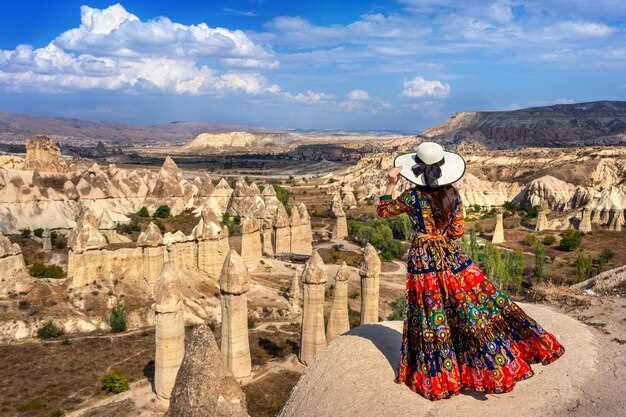
First, start your list with Göreme National Park and the Rock Sites of Cappadocia. Named UNESCO’s flagship cluster in Central Anatolia, it offers high accessibility, strong interest, and history steeped in dynasties. Arrive by a short flight to Kayseri or Nevşehir, then reach the core sites within about an hour by road. The panoramic, otherworldly scenery pairs beautifully with cave-building chapters of ancient life, and tours can be scheduled to fit a compact two-day block in the region. Your plan should leverage the location for a tight loop that minimizes backtracking, with advance bookings for balloon rides or sunrise crossings to secure preferred times.
Next in order of accessibility and broad appeal are ephesus and Pamukkale in the western Aegean. ephesus offers one of the most complete ancient cities you’ll see, while Pamukkale’s springs provide a natural counterpoint of thermal waters and a scenic cliff panorama. From Izmir, you have straightforward access to Selçuk, with several tours and easy options to arrive by rail or road. The policy at these sites supports well-structured visits, and pairing a dinner in Selçuk or Şirince can enrich the experience while keeping the pace comfortable for your group.
Consider the Aegean belt for a second cluster: Troy and Pergamon. Both are named UNESCO sites with deep historical resonance and robust public facilities for visitors. From Canakkale or Bergama, you can base day trips with short crossings between sites, making it practical to cover both in a two-day block. This regional grouping suits travelers who want a European-flavored antiquity circuit without long transfers, and the figures in visitor data reflect steady European and domestic interest–European travelers especially appreciate the accessible road network and comfortable touring options.
The Mediterranean cluster centers on Xanthos-Letoon and the broader Lycian coast near Antalya. Antalya itself serves as a gateway, with direct flights and a wealth of guided tours that combine coastal scenery with ancient ruins. Xanthos-Letoon delivers a dramatic, panoramic setting alongside a built-up list of Lycian monuments, and it’s easy to combine with a coastal town stay for a lighter pace. Expect a travel rhythm that blends sunrise views, river-scenic drives, and evenings in coastal towns that offer fresh seafood and dinner options after a day of exploration.
Further east, Göbekli Tepe near Şanlıurfa introduces a ninth-millennium date in human history and makes a compelling counterpoint to the maritime sites. Access remains practical through major hubs, with domestic flights and efficient road links, and the site’s archaeological significance attracts both specialist tours and curious first-time visitors. The location invites a cross-regional itinerary that links with Diyarbakır’s riverine landscape, enabling a varied experience that keeps your dates flexible and your plans well-paced. For broader exposure, consider a guided loop that pairs a sunrise visit with a late-afternoon exploration of urban fabric and local cuisine.
In the southeast, Diyarbakır Fortress and Hevsel Gardens pair a city-center setting with river dynamics on the Tigris. The crossing between the old fortress walls and the agricultural gardens provides a vivid sense of layered history–building remains, city walls, and verdant terraces–all steeped in centuries of history. The site draws strong regional interest and offers meaningful opportunities to meet local guides, sample regional dishes, and gain insight into how these dynasties shaped urban life along the river. To maximize your time, plan a midweek arrival or an early weekend visit, and reserve a guided walk that highlights both defense architecture and the living culture around the gardens.
For a complete UNESCO circuit, add Hattusa, the Hittite capital, whose monumental building ruins reveal a long arc of governance and military organization. The site is more remote, but it remains a named, highly educational option for travelers who want to track the development of early states and their dynasties. Prepare for longer travel legs and a slower pace, with dates that align to seasonal openings and local events. A well-timed visit can pair with a journey through Cappadocia or the eastern plains, and the site’s location lends itself to thoughtful planning and cross-regional reflection.
Tips to optimize your route: map a logical order that minimizes backtracking, and use a single regional pass if available. Advance arrangements for guides, a dinner plan, and transport rentals often improve your comfort and allow you to focus on the site content rather than logistics. If you’re coordinating with international groups, a simple dining-stop after a long crossing can floor the group with a warm welcome and a clear chronology of the remains you’ll see. Dates, times, and opening policies change seasonally, so check the latest updates before you arrive, and keep a backup plan in case you want to adjust the pace based on weather or crowds. For those combining coastal time with inland ruins, a partial itinerary that includes whale or other marine species glimpses on a separate day can be a memorable addition if you’re staying in Antalya or near the Aegean coast. This approach keeps your UNESCO list focused while offering a broader, fulfilling experience across Türkiye’s diverse locations.
Plan a 7–10 day Türkiye loop covering the top sites
Begin in Istanbul for two days, then fly to Cappadocia to begin a loop that comprises six principal sites across Türkiye, connected by domestic flights and short drives. In Istanbul, focus on the Historic Areas: Blue Mosque, Hagia Sophia, Topkapi Palace, and a Bosphorus cruise. Stay near Sirkeci station for easy transit and quick access to the tram network that serves Sultanahmet and beyond. This route suits independent travelers and families; a father can tailor the pace to rest one extra day or push a little harder on a single leg. In many sites, the imprint of a lord or elite patron still lingers in inscriptions on architraves and walls.
In Cappadocia (Days 3–4), the landscape created by volcanoes offers a surreal setting for exploration. Take a dawn balloon, visit Göreme Open Air Museum, Derinkuyu or Kaymaklı underground cities, and hike the Rose and Red Valleys. A cave-hotel stay is built into the rock, and photos taken at sunrise capture the best light. The upper valleys provide panoramic views that feel colossal.
On Day 5, Denizli and Pamukkale unfold next. Fly to Denizli, walk the white travertines, and explore Hierapolis with its well-preserved theater and necropolis. The terraces resemble yellowstone’s mineral scenery in texture, and a dip in the Cleopatra pool offers a refreshing contrast. Entry prices typically include taxes for a straightforward day.
Day 6 centers on Ephesus. Walk the marble streets to the Library of Celsus and the colossal Great Theatre, and note the long arc of archaeology that reveals a school of Hellenistic and Roman urban planning. Nearby, Selçuk adds the House of the Virgin Mary; Selçuk station provides easy onward connections. If you have extra time, a detour toward the Lycian coast lets you see lycians heritage in Letoon and Xanthos.
Day 7 brings Pergamon (Bergama). Explore the steep upper acropolis, the Asclepieion, and the vast theatre, all perched above the lower city. The site showcases a synthesis of Greek, Roman, and later influences, with the Ottomans leaving architectural reminders in nearby towns.
Day 8 focuses on Troy, near Canakkale. Wander the ancient ruins set along the border between Asia and Europe and imagine siege legends that echo across centuries. For context, compare with Petra or Angkor, but recognize that Türkiye offers a dense concentration of archaeology in a compact loop.
Day 9–10, return to Istanbul or extend to the Aegean coast for a marine-influenced finale. If you add Kaş or Fethiye, the Xanthos and Letoon sites reveal the lycians; this detour adds the highest density of Lycian ruins along the route. Independent travelers appreciate this flexibility; finally, conclude with a Turkish dinner along the waterfront and a last stroll on the Golden Horn to savor the style of hospitality.
Beijing and Shenyang palaces: time-entry, route optimization, and photography tips
Reserve timed-entry online for both sites and stay for 2–3 hours at the Forbidden City and 1.5–2 hours at Mukden Palace; verify hours on the official site and choose accommodations within easy reach to minimize transit. Editor notes: plan with flexible slots for weather and crowds.
For Beijing, time-entry is strict, so pick a morning slot and start at the Meridian Gate. Walk through the complex in a compact loop: Meridian Gate → Hall of Supreme Harmony → central axis toward the Hall of Central Harmony and beyond, ending near the Gate of Divine Might. This approach focuses on the most iconic structures and uses well-preserved stonework and rock textures along wide courtyards. If crowds thicken, move toward the central axis and towards the main halls; you’ll probably see the least congestion early in the day or late afternoon. The route shows the core history of the site and how portions were rebuilt after fires, with acts of preservation guiding constant improvements.
Photography tips: bring a versatile zoom (24–70mm) or a fast prime and shoot during golden hour to capture warm light on red walls and rock textures. Inside halls, tripods are generally not allowed; use high ISO or a fast lens to keep images clean and avoid flash. For exteriors, a wide-angle lens captures rooflines against the sky; frame the main axis to emphasize symmetry, and keep the background clear of crowd elements. You will love the balance of scale and detail, and you probably wish for more time to explore angles after dark. See examples from editors and experts who show how to frame crowds without losing clarity.
Шэньянский Императорский дворец предлагает более спокойный темп и глубокую историю; войдите через Южные ворота рано, чтобы избежать скопления людей, затем следуйте по центральной оси к главным залам. Место хорошо сохранилось; некоторые павильоны были повреждены или уничтожены пожарами в прошлом, но реконструкция сохранила общую планировку. Маршрут компактный, поэтому вы можете осмотреть основные сооружения за 1,5–2 часа, не торопясь. Планируйте прогулку по залитым солнцем дворам и используйте тень вдоль крытых коридоров, чтобы защитить свое снаряжение. В качестве справочной информации: Арслантепе показывает, как цивилизации сохраняют прошлые структуры, а исследования эпохи хеттов информируют о подходах к сохранению. Эксперты указывают на ценность действий, защищающих историю, и это место демонстрирует этот подход весьма практичным образом.
Советы по фотосъемке в Шэньяне: используйте объектив 24–105 мм, чтобы запечатлеть виды центральной оси и богато украшенные крыши; при съемке интерьеров будьте осторожны со вспышкой; скорее всего, интерьеры можно снимать с естественным светом из окон. Пространство предлагает более мягкий свет, а детализация драконьих мотивов вознаграждает терпение. Обращайте внимание на вывески и проявляйте уважение к экспонатам. Виды в сторону самых больших дворов более интимно раскрывают историю; вы увидите, как свет и тень взаимодействуют с резным деревом и кирпичной кладкой, и вам понравятся результаты, когда вы будете кадрировать снимки с людьми в виде силуэтов, а не как отвлекающий фактор. Вы сможете увидеть множество сцен, которые эксперты выделяют как хорошо сохранившиеся образцы дворцового дизайна.
Помимо этих дворцов, вы можете применить аналогичный подход при планировании более масштабных путешествий. Арслантепе и наследие хеттов показывают, как эксперты охраняют прошлое, и эти уроки применимы к маршрутам в Пекин и Шэньян. Если вы посетите Антигуа, Анталью или Иорданию, применяйте ту же логику маршрута: останавливайтесь в местах с легким доступом, избегайте длинных улиц, которые отнимают время, и держите снаряжение наготове для быстрых изменений освещения. Вам понравится, как продуманное планирование позволяет запечатлеть ценные исторические кадры; соблюдайте внутренние правила и ищите туалетные комнаты, когда вам нужен перерыв. Меньше всего людей бывает на рассвете или в конце дня, поэтому планируйте свой маршрут с учетом этого времени суток и четким пониманием следующей остановки. Прошлое многому учит, а самые запоминающиеся образы рождаются из людей, мест и текстур, увиденных вами лично.
Трансграничный маршрут: согласование визитов в Турцию и Китай с авиаперелетами и оформлением виз
Забронируйте маршрут по двум странам, который начинается в Турции и включает в себя трансграничный переход в Китай, с синхронизацией визовых процедур для минимизации задержек. Проверьте политику электронных виз Турции для вашей национальности и ознакомьтесь с визовой политикой Китая, а затем получите одобрение до покупки билетов.
Прибытие в Стамбул и начало активной фазы в Турции, затем исследование окрестностей Бейшехира и сердца хеттов. Этот анатолийский участок, охватывающий сводчатые руины и прибрежные пейзажи, охватывает века религии, управления и повседневной жизни. Мотивы храма Артемиды проявляются в декоративной резьбе, а Бейшехир является спокойной базой для маршрута. Вы обнаружите персидское влияние в близлежащих реликвиях и надписях, отражающих межрегиональный обмен, свидетельство давних связей, которые питали более широкие торговые сети и договоры. Фрагмент Севера, найденный в стене, перекликается с диалогами Шелкового пути, напоминая о том, как культуры встречались на общих маршрутах. Этот маршрут представляет собой компактный шедевр ландшафта и археологии, а путешествие на комфортабельном внутреннем рейсе к следующей остановке позволит собрать советы от местных гидов, чтобы спланировать посещение вместе.
Совершите перелет из Турции в китайский город-хаб, такой как Пекин или Шанхай, и выберите стыковку с минимальным временем ожидания. В Китае проложите маршрут через Пекин, Сиань и Чэнду, чтобы сбалансировать посещение знаковых мест с комфортным темпом. Пусть маршрут отражает эхо Шелкового пути и более широкую историю империи, с музеями и площадями, рассказывающими о межрегиональном обмене и сети договоров. В Запретном городе и вдоль Великой китайской стены вы почувствуете прочную политическую основу, которая формировала передвижение через границы. В некоторых дворах и садах можно найти мотивы, находящиеся под персидским влиянием, напоминающие об отдаленных связях. Что касается логистики, забронируйте участки высокоскоростной железной дороги между основными остановками и выберите популярные районы для легкого питания и культурного погружения. Эта дуга обмена достигает даже маршрутов периода империи Куско, иллюстрируя, как идеи и товары перемещались на огромные расстояния. Вернитесь освеженными в Турцию и обратите внимание на то, как две главы вашего путешествия связаны в более масштабной истории.
Логистика площадки: управление потоками людей, доступность, безопасность и практические советы
Начните со слотов с определенным временем входа в обязательные для посещения зоны, чтобы минимизировать очереди, забронировать места и запечатлеть лучший свет для фотографий.
Директор площадки координирует работу персонала у ворот, а план маршрутизации используется в течение дня для снижения заторов. Коридоры слева и справа четко обозначены указателями, направляя посетителей через территорию, охватывающую скальные образования, исторические террасы и видовые площадки на набережной, при этом персонал постоянно перемещается, чтобы поддерживать плавное движение.
Управление толпой и потоками
- Бронирование: Используйте официальные каналы для резервирования временного окна; в пик сезона часто доступны ограниченные слоты, поэтому бронируйте заранее для комфортного дня.
- Проектирование маршрута: Принять комплексную петлю, подчеркивающую великолепные места, с распределением групп по точкам местности и нескольким воротам, чтобы избежать скопления людей, с мощными смотровыми площадками, интегрированными в ключевые повороты для поддержания динамики.
- Указатели и ориентиры: На указателях используются крупные значки и современная карта; персонал направляет группы спокойными, четкими инструкциями.
- Уроки Окаванго: международные тематические исследования, в том числе примеры схем движения, аналогичных Окаванго, помогают внедрить поэтапный вход и предотвратить образование заторов, чтобы сократить очереди.
- Бейшехир и местные партнеры: гиды района Бейшехир предлагают дополнительные боковые маршруты, которые сбалансируют нагрузку на основной маршрут и продемонстрируют примечательные виды.
- Расходы и бронирование: Налоги и входные билеты указаны в подтверждениях бронирования; обратите внимание на местные способы оплаты и валюту.
Accessibility and safety
- Дорожки и пандусы: Компактное покрытие, доступные пандусы и тактильные направляющие помогают посетителям с ограниченной подвижностью или сенсорными потребностями.
- Удобства: Туалеты и места для отдыха в тени расположены через регулярные интервалы вдоль основного маршрута.
- Первая помощь: Четко обозначенный пункт первой помощи укомплектован многоязычным персоналом; держите номера экстренных служб под рукой.
- Гидратация и жара: вдоль маршрута расположены пункты с водой, теневые навесы снижают воздействие солнца.
- Указатели: Высококонтрастные указатели и простые схемы маршрутов предотвращают путаницу; современная QR-карта содержит ссылку на офлайн-версию на случай потери сотовой связи.
Practical tips for a smooth experience
- Начните пораньше, чтобы насладиться более тихими видами и меньшим количеством людей; это позволит сделать памятные фотографии и идти в расслабленном темпе.
- Собирайте вещи налегке и возьмите с собой компактную бутылку для воды, солнцезащитный крем, шляпу и тонкий слой одежды на случай похолодания; не отставайте от своей группы, чтобы никто не потерялся.
- Соблюдайте правила прохода через ворота и нахождения в запретных зонах; не плавайте в запрещенных зонах и всегда следуйте указаниям персонала.
- Будьте готовы корректировать планы: второй маршрут может возникнуть из-за погоды или скопления людей, даря воспоминания, рожденные гибкостью.
- Местные гиды из района Бейшехир могут поделиться закулисными взглядами и указать на райские смотровые площадки по маршруту.
- Планирование на основе осей помогает охватить несколько точек без возврата назад; придерживайтесь оси и избегайте объездов, которые замедляют группу.
- Для международных путешествий: проверьте рекомендации для путешествующих в Эквадор и требования для въезда; возьмите с собой кредитную карту для путешествий и подтверждение бронирования.
- Для редких зон может быть доступно ограниченное количество мест; если видите возможность, бронируйте и действуйте быстро, чтобы обеспечить себе доступ.
- У ворот: приготовьте номер брони и удостоверение личности с фотографией, чтобы ускорить проход.