


 Русский
  English (UK)
  বাংলা
বাংলা  العربية
  日本語
日本語  한국어
한국어  Magyar
  Norsk nynorsk
  Türkçe
  עִבְרִית
  Español
  Čeština
  Svenska
  Português
  Ελληνικά
  Suomi
Suomi  Nederlands
  Română
  Italiano
  Français
  Polski
  Українська
  Deutsch
  简体中文
简体中文  Slovenčina
  Српски језик
  اردو
اردو  Azərbaycan dili
  O‘zbekcha
  አማርኛ
አማርኛ 
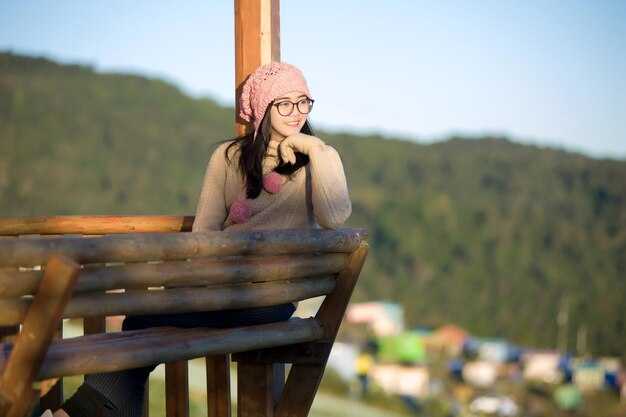
If you’re booked for Norway holidays, reserve one guided fjord cruise and confirm its start time a day in advance to avoid missing the boat.
Discuss weather windows with local guides and expect last-minute changes; winter daylight can be scarce, so plan your activities around morning light and road conditions.
Respect конфиденциальность in quiet coastal towns; choose intimate experiences such as a small-group hike or a farmers’ market visit rather than crowded tours that erode local life.
Many venues in urban centers run cash-free systems, but carry a small amount of cash for rural stalls and be mindful of local алкоголь rules on day trips; bring an extra layer of warmth for chilly evenings.
In remote regions beyond Oslo, map your route with local operators and mark key times; in Nordland or trondheim you can catch сказка light at sunrise, which lasts until late morning. Avoid impulsive amazon gear purchases–bring what you own or rent locally for comfort and your experience.
Offer a quick thank you to locals for tips, and keep a flexible plan; this helps you stay balanced between pace and discovery while enjoying the experience without stress.
Practical fixes for common Norway travel mistakes
Use easypark for city parking to save time and avoid the endless circling in busy centers. Then, these fixes target the main slip-ups travelers face, with concrete steps you can apply right away.
-
Getting around smartly in cities and along the coast: generally plan your travel with trains and ferries rather than long car drives; the main routes like Oslo–Bergen reward early booking. Search tickets 2–4 weeks ahead, and consider a flexible day plan. In towns, rely on pedestrian-friendly centers and then transfer to buses when needed. If you stop for a view, you can still keep the pace without feeling rushed.
-
Packing and layering for variable weather: build a simple layer system (base, mid, shell) so you can adjust quickly. For longer trips, bring an extra fleece and a compact rain jacket. In summers, cool mornings are common, so a light layer stays Suited for both city strolls and short hikes. Include natural fabrics when possible to avoid overheating during daytime activities.
-
Money, payments, and planning purchases: Vipps is widely accepted at most shops and cafes, but carry a card as a backup. When you’re unsure, ask where Vipps or card payments are preferred. If you’re shopping for souvenirs, compare prices at favorite local stores and consider subscribing to a regional deals newsletter to catch seasonal offers.
-
Booking and timing for popular sights: start with the main attractions and then add offbeat experiences to balance your days. For trains and ferries, book ahead to avoid sold-out options; if you’re unsure, search for flexible tickets and read the cancellation terms before you commit. This approach helps you maximize what you can do without rushing.
-
Hiking and safety on natural trails: always check the current conditions before a hike, bring a map or offline map app, and start with easier routes suited to your level. Tell someone your plan and expected return time, and carry enough water and snacks. If the forecast shifts, you can adjust and still enjoy the outdoors without getting caught out.
-
Shopping, markets, and local culture: visit small, locally owned shops to find authentic gifts for your favorite people back home. In rural areas, prices can vary, so use a short shopping list and compare, then buy what truly resonates with you. Markets often run in the afternoons during summers, so align your stops with times when vendors are ready to assist.
-
Daylight, pace, and etiquette in nature and cities: in summers you’ll experience long days, so plan early starts for hikes and sightseeing. Keep noise down near residential areas, and respect wildlife by sticking to marked trails. If you’re meeting locals, a friendly smile and a brief hello go a long way–Norway rewards thoughtful, considerate travelers.
Pack smart for the season: daylight hours, temperatures, and layering
Start with a go-to three-layer kit: a breathable base layer, a warm mid layer, and a waterproof outer shell. Add a lightweight down or synthetic vest for the morning chill, then shed it as the day warms, keeping a compact packable layer for rain or wind.
Daylight hours and temperatures vary with latitude. In the far north and along the norweigan coast, you may see near-continuous light in midsummer and near-total darkness in midwinter; southern cities like Oslo average 6–9 hours of daylight in winter and 18 hours or more in midsummer; youre more likely to experience 0–2 hours or 18–22 hours depending on location. The daylight patterns will vary, and weather will shift quickly, so be prepared for wind, rain, or sun.
Layering tips: base fabrics like merino or synthetic wicks moisture, a mid layer fleece or wool keeps you warm, and an outer shell that’s waterproof and windproof protects against rain and spray. For fast temperature changes, keep an extra lightweight insulation piece in your day bag instead. Certain days demand more insulation. Pack gloves, a hat, sun protection for summer, and a compact rain cover for your pack; sunglasses help on bright days.
From a planning angle, use rental gear at stations or shops if you want to travel light and upgrade on the fly; many services offer affordable options. If youre interested in tours, book morning departures to catch best light and avoid crowded spots; read reviews to pick a go-to route. The same iconic fjord viewpoints look stunning under early light, so set your plans accordingly. If rain threatens, have a compact umbrella or rain shell ready and stop at sheltered viewpoints. An associate at the shop can tailor gear around your itinerary, and always check what youre allowed to bring on trains and flights; tips on tipping are optional, not expected, but you can show appreciation if a guide goes beyond.
Final quick tip: point your packing toward comfort rather than weight, aim for a perfect balance of warmth and breathability, and keep your morning routine simple so you can start tours fast. After your trip, note what worked and refine your plan for next season.
Plan transport like a local: ferries, trains, and road conditions
Book ferries and trains 1–2 weeks ahead, especially in summers, to secure seats and reasonable prices. Plan your trip using public timetables, and map a simple chain: coast hops by ferry, city hops by train, then short bus links in towns along the coast. Based in Oslo or Bergen, you can tailor the sequence to daylight hours and ferry slots.
Ferries form the backbone of the coast: Norled and Fjord1 operate most car ferries between towns and islands; some routes are passenger-only. During summers, departures increase and late trips let you enjoy fjord light; some crossings run after midnight in peak season, so you can time a calm sail and feel oooh as the wind shifts.
Trains connect major routes: Vy runs Oslo–Bergen and Oslo–Trondheim corridors; the Bergen Line crosses high valleys and links key coastal towns with the capital. The Raumabanen and Flåm Line offer memorable day trips from smaller bases, with frequent departures when daylight lasts long.
Driving and road conditions: winter driving demands caution–expect snow, ice, and occasional pass closures on alpine routes; check local alerts before you head out. Carry a warm jacket and a compact umbrella in the car, and keep a charged phone and a printed map as backup. Some roads require ferry crossings between fjord towns, so plan every leg and avoid tight connections. If you doesnt mind longer hops, you can save time and money by keeping to parts of the coast.
Picking the right mix: staying in Oslo, Bergen, or a handful of coastal towns gives you options to pick routes that fit weather and daylight. If you have access to affiliate booking options, compare combined rail-and-ferry passes; they can take edge off costs. In any case, public transport makes for a smooth trip and helps you mind the weather and traffic.
Stories from locals show that a simple delay can become a memory: oooh, a rain squall on the coast or a harbor stroll at sunset. Always check the app, and plan what you need for flexible nights staying along norways coast. Every stay along norways coast offers small surprises, and staying flexible makes the most of short seasons and long summer nights.
Time visits strategically: avoid crowds and manage weather windows
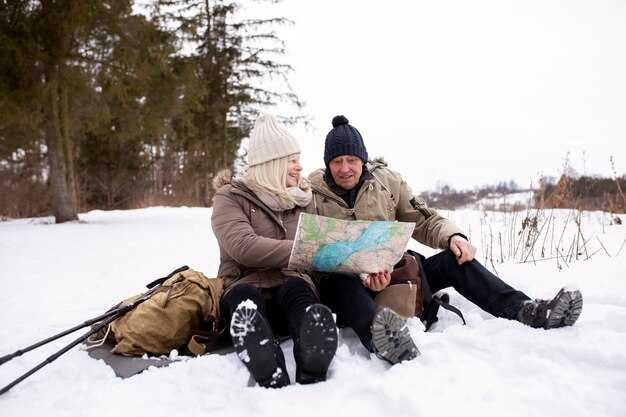
Lock two windows: late May–early June and late September–October, then stay flexible to adjust to a changing forecast. Keep an itinerary that can move a day or two before the target window to catch snow-free passes and milder weather.
Choose weekdays over weekends in popular towns, and avoid sundays in hotspots to stay away from the most crowded spots. Flexibility helps you dodge crowds and missed weather windows. If you camper, plan a long stay in a single stop or split stays between two locations to minimize daily driving; keep groceries close to where you park.
Weather windows shift by region: high passes can close after snowfall, while fjord towns stay reachable with a milder wind. In spring, some routes still have snow; in autumn, daylight shortens and conditions can change quickly. Always check road statuses two weeks before and pack warm layers.
Some blog posts discuss practical tactics: book ferries well in advance, keep an adaptable itinerary, and have backup options if a forecast ticks up snow risk. Asked travelers want concrete steps: choose flexible days, scan forecasts, and stay prepared to adjust on the road.
| Window | Weather window note | Уровень толпы | Action tip |
|---|---|---|---|
| Конец мая – начало июня | 12–18°C, showers possible, some sunny days | Moderate to low crowds | Book ferries and popular stays 6–8 weeks ahead; start outdoor activities early |
| Sept – Oct | 7–14°C, frost on mornings, snow risk on high passes by Oct | Low crowds | Запланируйте посещение мест на улице на первую половину дня; возьмите налобный фонарь; проверьте цепи противоскольжения для кемпера. |
| Июль – Август | 14–22°C, длинные дни, переменчивый дождь | Самый многолюдный | Выбирайте менее известные города, бронируйте заранее, будьте гибкими, чтобы сократить длительные переезды. |
Бюджет и оплата: варианты валют, прием карт и нормы чаевых
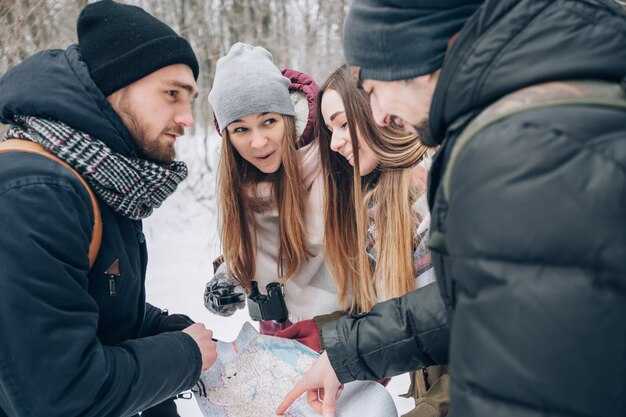
Рекомендуется иметь при себе небольшую сумму норвежских крон (NOK) для оплаты проезда в такси, непредвиденных ситуаций, связанных с погодой, например, ливней, и небольших покупок сувениров. Банковские карты принимаются практически повсеместно в Норвегии – в городах, аэропортах и большинстве туристических зон принимаются Visa, Mastercard и бесконтактные платежи. В основном в городских зонах вашей картой можно оплатить большинство покупок; в некоторых сельских районах наличные деньги по-прежнему удобны, поэтому имейте при себе небольшую сумму. Факт: продавцы часто указывают цены в NOK и могут предлагать динамическую конвертацию валюты, которая стоит дороже; выбирайте оплату в NOK и позволяйте вашему банку заниматься конвертацией при необходимости. Если вы не уверены, соглашайтесь на оплату в местной валюте при оформлении заказа, а не на конвертацию продавца.
Далее, рассмотрите практические варианты валюты и способов оплаты. Главное преимущество оплаты картой – скорость и безопасность; бесконтактная оплата распространена в большинстве магазинов. Норвежская крона (NOK) – стандарт, и код валюты NOK произносится как "ну-о-ка". Visa и Mastercard принимаются повсеместно; покрытие AmEx растет, но не является универсальным, поэтому путешественникам из Америки следует уточнять заранее. Банкоматы в большом количестве есть в районах, часто посещаемых туристами; снимайте NOK, чтобы расплачиваться в местах, где принимают только наличные. Не забудьте проверить комиссию за международные транзакции в вашем банке перед поездкой; многие банки предлагают низкие комиссии или их отсутствие. Чтобы защитить конфиденциальность, избегайте ввода данных карты в общедоступных сетях Wi-Fi и по возможности отдавайте предпочтение проверенным приложениям или электронным кошелькам.
А как насчет чаевых? В Норвегии плата за обслуживание часто включена, поэтому чаевые распространены, но никогда не обязательны. Если вы хотите выразить признательность, округлите счет или оставьте 5–10%, если обслуживание было исключительным. В местах, где плата за обслуживание не предусмотрена, небольшие чаевые будут очень кстати. В воскресенье обслуживание в некоторых местах может быть медленнее, поэтому планируйте заранее. Если вы хотите отблагодарить гида или полезного сотрудника, небольшие чаевые будут дружеским жестом.
Конфиденциальность и предпочтения важны при оформлении заказа. Всегда проверяйте, какие данные собирает продавец, и отказывайтесь, если заботитесь о конфиденциальности. Держите свой PIN-код в секрете; используйте доверенные сети для мобильных кошельков. Ищите места с безопасными терминалами и рассмотрите возможность использования стоек только для членов клуба или программ лояльности, которые могут ускорить следующие покупки. Эти меры служат для упрощения процесса и поддержания ваших планов, особенно когда вы совмещаете посещение нескольких магазинов и покупку сувениров на рынках и в музеях Норвегии.
Шаги спасения и быстрые напоминания: Если карта потеряна или украдена, немедленно свяжитесь со своим банком, чтобы заблокировать и заменить ее; это убережет от несанкционированных списаний, и во многих случаях это можно быстро сделать онлайн. Держите под рукой запасной способ оплаты и список телефонов экстренных служб, чтобы не оказаться в затруднительном положении. Прежде чем снова отправиться в путешествие, наметьте свой бюджет и просмотрите планы со своим партнером по путешествию, убедившись, что вы охватили районы, которые будете посещать по воскресеньям или в пик туристического сезона. Ваш план будет более устойчивым, если вы подготовитесь к небольшим заминкам, и ваша следующая поездка пройдет более гладко, а ваши друзья, направляющиеся в Америку, заметят, насколько гладко прошли платежи и чаевые.
Будьте осторожны на открытом воздухе: оповещения о погоде, проверка снаряжения и осведомленность о дикой природе.
Проверьте последние штормовые предупреждения для Тромсё и основной области вокруг фьордов, прежде чем отправиться в путь; установите оповещения о ветре, дожде и дневном свете, чтобы корректировать планы в режиме реального времени. Хотя утром условия кажутся стабильными, к полудню вдоль прибрежных маршрутов могут налететь штормы. Разве не легче справиться с изменениями в последнюю минуту, когда вы начинаете с оповещений и плана?
Перед каждым выходом быстро проверяйте снаряжение: убедитесь в наличии водонепроницаемой куртки, утепляющих слоев, прочных ботинок, карты, компаса, налобного фонаря и аптечки. Если берете снаряжение напрокат, осмотрите его в магазине, проверьте швы и молнии. Если какой-либо предмет выглядит изношенным, замените его; лучше взять с собой запасной слой, чем противостоять шторму. При покупке новых вещей ищите более дешевые варианты и сравнивайте предложения, особенно в магазинах Тромсё, где можно найти идеальное предложение и качество. Ищите снаряжение, предназначенное для арктических условий.
Осторожно, дикая природа: держитесь на расстоянии 100 метров от лосей и северных оленей вдоль фьордов и в западной части; никогда не кормите диких животных; держите собак на поводке и не беспокойте птиц и тюленей на побережье. Если вы видите диких животных, замедлите шаг и дайте им уйти вдаль; даже если кажется, что все спокойно, сохраняйте бдительность.
Планируйте маршруты с учетом погоды и светового дня: туман, мокрый снег или штормы могут быстро налететь на западе и вдоль прибрежных дорог. Возьмите с собой заряженный телефон, карту и запасной внешний аккумулятор для последующего использования. Если дорога закрыта, возвращайтесь. В плохую погоду отложите поход. Если видимость ухудшается или дорожные условия становятся хуже, возвращайтесь к последней безопасной точке, а не продвигайтесь вперед; в наихудших условиях вам следует дождаться следующего окна.
Логистика и планирование: убедитесь, что для ваших походов или однодневных поездок в понедельник есть необходимые разрешения, и держите под рукой список контактов гидов, если вы забронировали туры. Поделитесь своим планом с другом, указав, куда вы направляетесь и когда планируете вернуться; имейте при себе местную валюту для небольших покупок или оплаты входа в парк. Если вы нашли хороший вариант аренды или ж/д билетов, сравните его с другими вариантами и забронируйте заранее; учет всех факторов может помочь вам найти более дешевый вариант. Для более широких возможностей быстро просмотрите предложения в магазинах и на сайтах, чтобы оставаться гибким. Каждая поездка заслуживает собственной проверки.