


 Ελληνικά
  English (UK)
  Русский
  বাংলা
বাংলা  العربية
  日本語
日本語  한국어
한국어  Magyar
  Norsk nynorsk
  Türkçe
  עִבְרִית
  Español
  Čeština
  Svenska
  Português
  Suomi
Suomi  Nederlands
  Română
  Italiano
  Français
  Polski
  Українська
  Deutsch
  简体中文
简体中文  Slovenčina
  Српски језик
  اردو
اردو  Azərbaycan dili
  O‘zbekcha
  አማርኛ
አማርኛ 
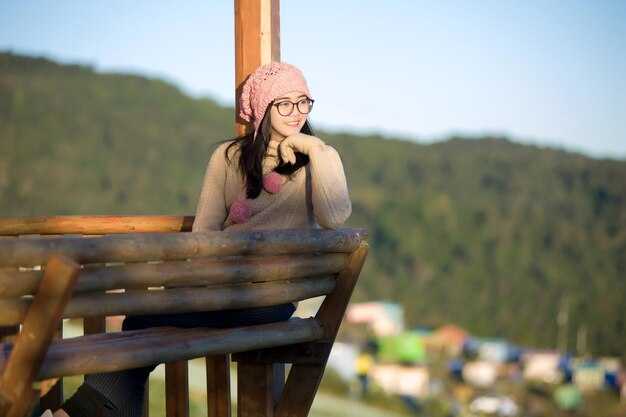
If you’re booked for Norway holidays, reserve one guided fjord cruise and confirm its start time a day in advance to avoid missing the boat.
Discuss weather windows with local guides and expect last-minute changes; winter daylight can be scarce, so plan your δραστηριότητες around morning light and road conditions.
Σεβασμός ιδιωτικότητα in quiet coastal towns; επιλέξτε intimate experiences such as a small-group hike or a farmers’ market visit rather than crowded tours that erode local life.
Many venues in urban centers run cash-free systems, but carry a small amount of cash for rural stalls and be mindful of local αλκοόλ rules on day trips; bring an extra layer of warmth for chilly evenings.
In remote regions beyond Oslo, map your route with local operators and mark key times; in Nordland or trondheim you can catch παραμύθι light at sunrise, which lasts until late morning. Avoid impulsive amazon gear purchases–bring what you own or rent locally for comfort and your experience.
Offer a quick thank you to locals for tips, and keep a flexible plan; this helps you stay balanced between pace and discovery while enjoying the experience without stress.
Practical fixes for common Norway travel mistakes
Use easypark for city parking to save time and avoid the endless circling in busy centers. Then, these fixes target the main slip-ups travelers face, with concrete steps you can apply right away.
-
Getting around smartly in cities and along the coast: generally plan your travel with trains and ferries rather than long car drives; the main routes like Oslo–Bergen reward early booking. Search tickets 2–4 weeks ahead, and consider a flexible day plan. In towns, rely on pedestrian-friendly centers and then transfer to buses when needed. If you stop for a view, you can still keep the pace without feeling rushed.
-
Packing and layering for variable weather: build a simple layer system (base, mid, shell) so you can adjust quickly. For longer trips, bring an extra fleece and a compact rain jacket. In summers, cool mornings are common, so a light layer stays Suited for both city strolls and short hikes. Include natural fabrics when possible to avoid overheating during daytime activities.
-
Money, payments, and planning purchases: Vipps is widely accepted at most shops and cafes, but carry a card as a backup. When you’re unsure, ask where Vipps or card payments are preferred. If you’re shopping for souvenirs, compare prices at favorite local stores and consider subscribing to a regional deals newsletter to catch seasonal offers.
-
Booking and timing for popular sights: start with the main attractions and then add offbeat experiences to balance your days. For trains and ferries, book ahead to avoid sold-out options; if you’re unsure, search for flexible tickets and read the cancellation terms before you commit. This approach helps you maximize what you can do without rushing.
-
Hiking and safety on natural trails: always check the current conditions before a hike, bring a map or offline map app, and start with easier routes suited to your level. Tell someone your plan and expected return time, and carry enough water and snacks. If the forecast shifts, you can adjust and still enjoy the outdoors without getting caught out.
-
Shopping, markets, and local culture: visit small, locally owned shops to find authentic gifts for your favorite people back home. In rural areas, prices can vary, so use a short shopping list and compare, then buy what truly resonates with you. Markets often run in the afternoons during summers, so align your stops with times when vendors are ready to assist.
-
Daylight, pace, and etiquette in nature and cities: in summers you’ll experience long days, so plan early starts for hikes and sightseeing. Keep noise down near residential areas, and respect wildlife by sticking to marked trails. If you’re meeting locals, a friendly smile and a brief hello go a long way–Norway rewards thoughtful, considerate travelers.
Pack smart for the season: daylight hours, temperatures, and layering
Start with a go-to three-layer kit: a breathable base layer, a warm mid layer, and a waterproof outer shell. Add a lightweight down or synthetic vest for the morning chill, then shed it as the day warms, keeping a compact packable layer for rain or wind.
Daylight hours and temperatures vary with latitude. In the far north and along the norweigan coast, you may see near-continuous light in midsummer and near-total darkness in midwinter; southern cities like Oslo average 6–9 hours of daylight in winter and 18 hours or more in midsummer; youre more likely to experience 0–2 hours or 18–22 hours depending on location. The daylight patterns will vary, and weather will shift quickly, so be prepared for wind, rain, or sun.
Layering tips: base fabrics like merino or synthetic wicks moisture, a mid layer fleece or wool keeps you warm, and an outer shell that’s waterproof and windproof protects against rain and spray. For fast temperature changes, keep an extra lightweight insulation piece in your day bag instead. Certain days demand more insulation. Pack gloves, a hat, sun protection for summer, and a compact rain cover for your pack; sunglasses help on bright days.
From a planning angle, use rental gear at stations or shops if you want to travel light and upgrade on the fly; many services offer affordable options. If youre interested in tours, book morning departures to catch best light and avoid crowded spots; read reviews to pick a go-to route. The same iconic fjord viewpoints look stunning under early light, so set your plans accordingly. If rain threatens, have a compact umbrella or rain shell ready and stop at sheltered viewpoints. An associate at the shop can tailor gear around your itinerary, and always check what youre allowed to bring on trains and flights; tips on tipping are optional, not expected, but you can show appreciation if a guide goes beyond.
Final quick tip: point your packing toward comfort rather than weight, aim for a perfect balance of warmth and breathability, and keep your morning routine simple so you can start tours fast. After your trip, note what worked and refine your plan for next season.
Plan transport like a local: ferries, trains, and road conditions
Book ferries and trains 1–2 weeks ahead, especially in summers, to secure seats and reasonable prices. Plan your trip using public timetables, and map a simple chain: coast hops by ferry, city hops by train, then short bus links in towns along the coast. Based in Oslo or Bergen, you can tailor the sequence to daylight hours and ferry slots.
Ferries form the backbone of the coast: Norled and Fjord1 operate most car ferries between towns and islands; some routes are passenger-only. During summers, departures increase and late trips let you enjoy fjord light; some crossings run after midnight in peak season, so you can time a calm sail and feel oooh as the wind shifts.
Trains connect major routes: Vy runs Oslo–Bergen and Oslo–Trondheim corridors; the Bergen Line crosses high valleys and links key coastal towns with the capital. The Raumabanen and Flåm Line offer memorable day trips from smaller bases, with frequent departures when daylight lasts long.
Driving and road conditions: winter driving demands caution–expect snow, ice, and occasional pass closures on alpine routes; check local alerts before you head out. Carry a warm jacket and a compact umbrella in the car, and keep a charged phone and a printed map as backup. Some roads require ferry crossings between fjord towns, so plan every leg and avoid tight connections. If you doesnt mind longer hops, you can save time and money by keeping to parts of the coast.
Picking the right mix: staying in Oslo, Bergen, or a handful of coastal towns gives you options to pick routes that fit weather and daylight. If you have access to affiliate booking options, compare combined rail-and-ferry passes; they can take edge off costs. In any case, public transport makes for a smooth trip and helps you mind the weather and traffic.
Stories from locals show that a simple delay can become a memory: oooh, a rain squall on the coast or a harbor stroll at sunset. Always check the app, and plan what you need for flexible nights staying along norways coast. Every stay along norways coast offers small surprises, and staying flexible makes the most of short seasons and long summer nights.
Time visits strategically: avoid crowds and manage weather windows
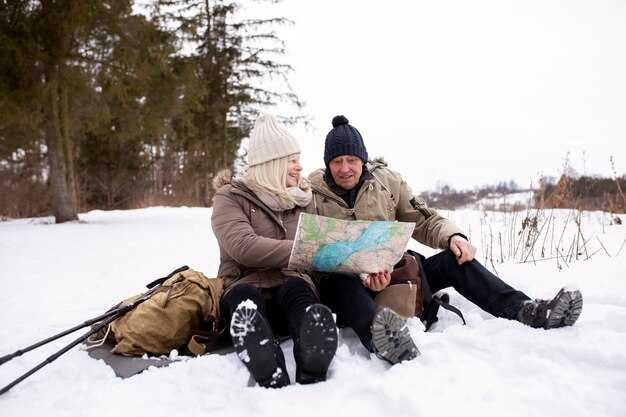
Lock two windows: late May–early June and late September–October, then stay flexible to adjust to a changing forecast. Keep an itinerary that can move a day or two before the target window to catch snow-free passes and milder weather.
Choose weekdays over weekends in popular towns, and avoid sundays in hotspots to stay away from the most crowded spots. Flexibility helps you dodge crowds and missed weather windows. If you camper, plan a long stay in a single stop or split stays between two locations to minimize daily driving; keep groceries close to where you park.
Weather windows shift by region: high passes can close after snowfall, while fjord towns stay reachable with a milder wind. In spring, some routes still have snow; in autumn, daylight shortens and conditions can change quickly. Always check road statuses two weeks before and pack warm layers.
Some blog posts discuss practical tactics: book ferries well in advance, keep an adaptable itinerary, and have backup options if a forecast ticks up snow risk. Asked travelers want concrete steps: choose flexible days, scan forecasts, and stay prepared to adjust on the road.
| Window | Weather window note | Crowd level | Action tip |
|---|---|---|---|
| Τέλη Μαΐου – Αρχές Ιουνίου | 12–18°C, showers possible, some sunny days | Moderate to low crowds | Book ferries and popular stays 6–8 weeks ahead; start outdoor activities early |
| Sept – Oct | 7–14°C, frost on mornings, snow risk on high passes by Oct | Low crowds | Προγραμματίστε εξωτερικούς χώρους το πρώτο μισό της ημέρας. φέρτε φακό κεφαλής. ελέγξτε τις αντιολισθητικές αλυσίδες για το τροχόσπιτο. |
| Ιούλιος – Αύγουστος | 14–22°C, μεγάλες μέρες, μεταβλητή βροχή | Πιο πολυσύχναστος | Επιλέξτε λιγότερο γνωστές πόλεις, κάντε κράτηση εκ των προτέρων, διατηρήστε ευελιξία για να μειώσετε τις μεγάλες διαδρομές |
Προϋπολογισμός και πληρωμές: επιλογές νομισμάτων, αποδοχή καρτών και κανόνες για τα φιλοδωρήματα
Σχεδιάστε να έχετε μαζί σας μια μικρή ποσότητα νορβηγικών κορωνών (NOK) για ταξί, ανάγκες που σχετίζονται με τον καιρό, όπως ξαφνικές βροχές, και μικρές αγορές αναμνηστικών. Η αποδοχή καρτών είναι φιλική σε όλη τη Νορβηγία – πόλεις, αεροδρόμια και οι περισσότερες τουριστικές περιοχές δέχονται Visa, Mastercard και ανέπαφες πληρωμές. Κυρίως σε αστικές ζώνες, η κάρτα σας καλύπτει τις περισσότερες αγορές· σε ορισμένες αγροτικές περιοχές, τα μετρητά παραμένουν χρήσιμα, επομένως κρατήστε μια μικρή ποσότητα πρόχειρη. Γεγονός: οι έμποροι συχνά αναφέρουν τιμές σε NOK και ενδέχεται να προσφέρουν δυναμική μετατροπή νομίσματος, η οποία κοστίζει περισσότερο· επιλέξτε να πληρώσετε σε NOK και αφήστε τον εκδότη σας να χειριστεί τη μετατροπή, όταν χρειάζεται. Εάν δεν είστε σίγουροι, συναινέστε στο τοπικό νόμισμα στο ταμείο αντί για τη μετατροπή του εμπόρου.
Επόμενο, εξετάστε πρακτικές επιλογές για νόμισμα και τρόπους πληρωμής. Το κύριο πλεονέκτημα των πληρωμών με κάρτα είναι η ταχύτητα και η ασφάλεια. Η ανέπαφη πληρωμή είναι συνηθισμένη στα περισσότερα καταστήματα. Το NOK είναι το τυπικό νόμισμα και ο κωδικός νομίσματος NOK προφέρεται εν-ο-κέι. Η Visa και η Mastercard γίνονται ευρέως αποδεκτές. Η κάλυψη πληρωμών για την AmEx αυξάνεται αλλά δεν είναι καθολική, επομένως οι αμερικανοί ταξιδιώτες θα πρέπει να ελέγχουν εκ των προτέρων. Τα ΑΤΜ είναι άφθονα σε περιοχές που συχνάζουν ταξιδιώτες. Κάντε ανάληψη NOK για να καλύψετε σημεία που δέχονται μόνο μετρητά. Θυμηθείτε να ελέγξετε τις χρεώσεις συναλλαγών σε ξένο νόμισμα με την τράπεζά σας πριν πάτε. Πολλές τράπεζες προσφέρουν χαμηλές ή μηδενικές χρεώσεις. Για να προστατεύσετε το απόρρητό σας, αποφύγετε να εισάγετε στοιχεία κάρτας σε δημόσια δίκτυα Wi-Fi και προτιμήστε αξιόπιστες εφαρμογές ή ψηφιακά πορτοφόλια, όποτε είναι δυνατόν.
Τι γίνεται με τους κανόνες για τα φιλοδωρήματα; Στη Νορβηγία, οι χρεώσεις υπηρεσιών περιλαμβάνονται συχνά, επομένως τα φιλοδωρήματα είναι συνηθισμένα αλλά ποτέ υποχρεωτικά. Εάν θέλετε να δείξετε την εκτίμησή σας, στρογγυλοποιήστε τον λογαριασμό ή αφήστε 5–10% για εξαιρετική εξυπηρέτηση. Σε περιοχές όπου δεν βλέπετε ποτέ χρέωση υπηρεσιών, ένα μικρό φιλοδώρημα έχει μεγάλη σημασία. Οι Κυριακές μπορεί να φέρουν πιο αργή εξυπηρέτηση σε ορισμένα μέρη, οπότε προγραμματίστε ανάλογα. Εάν θέλετε κάτι επιπλέον για μια ξενάγηση ή εξυπηρετικό προσωπικό, ένα μικρό φιλοδώρημα είναι μια φιλική χειρονομία.
Η ιδιωτικότητα και οι προτιμήσεις στο ταμείο έχουν σημασία. Ελέγχετε πάντα ποια δεδομένα συλλέγει ένας έμπορος και εξαιρείστε αν σας ενδιαφέρει η ιδιωτικότητα. Διατηρήστε το PIN σας απόρρητο. χρησιμοποιήστε αξιόπιστα δίκτυα για ψηφιακά πορτοφόλια. Αναζητήστε περιοχές με ασφαλή τερματικά και εξετάστε ενδεχόμενες θυρίδες μόνο για μέλη ή προγράμματα επιβράβευσης που μπορεί να επιταχύνουν τις επόμενες αγορές. Αυτά τα μέτρα λειτουργούν για να απλοποιήσουν τη ροή και να διατηρήσουν τα σχέδιά σας σε καλό δρόμο, ειδικά όταν συνδυάζετε πολλαπλά καταστήματα και σουβενίρ στις αγορές και τα μουσεία της Νορβηγίας.
Βήματα διάσωσης και γρήγορες υπενθυμίσεις: Εάν μια κάρτα χαθεί ή κλαπεί, επικοινωνήστε αμέσως με την τράπεζά σας για να την παγώσετε και να την αντικαταστήσετε. Αυτή η διάσωση θα αποτρέψει μη εξουσιοδοτημένες χρεώσεις και μπορεί να γίνει γρήγορα ηλεκτρονικά σε πολλές περιπτώσεις. Διατηρήστε μια εφεδρική μέθοδο πληρωμής και μια λίστα με αριθμούς έκτακτης ανάγκης, ώστε να μην βρεθείτε ποτέ σε αδιέξοδο. Πριν ταξιδέψετε ξανά, σημειώστε τον προϋπολογισμό σας και ελέγξτε τα σχέδια με τον ταξιδιωτικό σας σύντροφο, διασφαλίζοντας ότι έχετε καλύψει περιοχές που θα επισκεφθείτε τις Κυριακές ή κατά τις περιόδους αιχμής του τουρισμού. Το σχέδιό σας θα είναι πιο ανθεκτικό εάν έχετε προετοιμαστεί για μικρές ατυχίες και το επόμενο ταξίδι σας θα είναι πιο ομαλό, με τους φίλους σας που κατευθύνονται στην Αμερική να παρατηρούν πόσο ομαλά πήγαν οι πληρωμές και τα φιλοδωρήματα.
Μείνετε ασφαλείς στην ύπαιθρο: προειδοποιήσεις καιρού, έλεγχοι εξοπλισμού και ευαισθητοποίηση για την άγρια ζωή
Ελέγξτε τις τελευταίες ειδοποιήσεις καιρού για το Τρόμσο και την κύρια περιοχή γύρω από τα φιόρδ πριν ξεκινήσετε. Ορίστε ειδοποιήσεις για άνεμο, βροχή και φως ημέρας, ώστε να μπορείτε να προσαρμόσετε τα σχέδιά σας σε πραγματικό χρόνο. Ενώ οι συνθήκες φαίνονταν σταθερές το πρωί, οι καταιγίδες μπορεί να έρθουν το απόγευμα κατά μήκος των παράκτιων διαδρομών. Δεν είναι πιο εύκολο να χειριστείτε αλλαγές της τελευταίας στιγμής όταν ξεκινάτε με ειδοποιήσεις και ένα σχέδιο;
Ελέγξτε γρήγορα τον εξοπλισμό σας πριν από κάθε εξόρμηση: επιβεβαιώστε ότι έχετε είδη όπως αδιάβροχο κέλυφος, μονωτικές στρώσεις, στιβαρές μπότες, χάρτη, πυξίδα, φακό κεφαλής και κιτ πρώτων βοηθειών. Εάν νοικιάζετε εξοπλισμό, επιθεωρήστε τα ενοικιαζόμενα είδη στο κατάστημα και ελέγξτε διπλά τις ραφές και τα φερμουάρ. Εάν κάποιο είδος φαίνεται φθαρμένο, αντικαταστήστε το. το να έχετε μαζί σας μια επιπλέον στρώση είναι μια πιο έξυπνη κίνηση από το να αντιμετωπίσετε μια καταιγίδα. Όταν ψωνίζετε για νέα είδη, αναζητήστε φθηνότερες επιλογές και συγκρίνετε προσφορές, ειδικά στα καταστήματα του Τρόμσο, όπου μπορείτε να βρείτε μια τέλεια συμφωνία και ποιότητα. Αναζητήστε εξοπλισμό κατασκευασμένο για τις αρκτικές συνθήκες.
Ενημέρωση για την άγρια ζωή: κρατήστε απόσταση 100 μέτρων από τις άλκες και τους ταράνδους κατά μήκος των φιόρδ και στη δυτική περιοχή. μην ταΐζετε ποτέ την άγρια ζωή. κρατήστε τα σκυλιά με λουρί και δώστε χώρο στα πουλιά και τις φώκιες κατά μήκος της ακτογραμμής. Εάν δείτε άγρια ζωή, επιβραδύνετε το ρυθμό σας και αφήστε τα να περάσουν στην απόσταση. ακόμα κι αν φαίνεται ήρεμο, να είστε σε εγρήγορση.
Σχεδιάστε διαδρομές λαμβάνοντας υπόψη τον καιρό και το φως της ημέρας: η ομίχλη, το χιονόνερο ή οι καταιγίδες μπορεί να φτάσουν γρήγορα στα δυτικά και κατά μήκος των παράκτιων δρόμων. Να έχετε μαζί σας ένα φορτισμένο τηλέφωνο, έναν χάρτη και ένα εφεδρικό power bank για μελλοντική χρήση. Εάν ένας δρόμος είναι κλειστός, επιστρέψτε. Στις χειρότερες καιρικές συνθήκες, αναβάλετε την πεζοπορία. Εάν η ορατότητα επιδεινωθεί ή οι οδικές συνθήκες χειροτερέψουν, επιστρέψτε στο τελευταίο ασφαλές σημείο αντί να συνεχίσετε. Στις χειρότερες συνθήκες, θα πρέπει να περιμένετε το επόμενο παράθυρο.
Εφοδιαστική και σχεδιασμός: επιβεβαιώστε ότι οι πεζοπορίες ή οι ημερήσιες εκδρομές της Δευτέρας έχουν τις απαραίτητες άδειες και κρατήστε μια λίστα επαφών για τους οδηγούς, εάν έχετε κλείσει εκδρομές. Μοιραστείτε το σχέδιό σας με έναν φίλο, σημειώνοντας πού κατευθύνεστε και πότε αναμένετε να επιστρέψετε· έχετε μαζί σας τοπικό νόμισμα για μικρές αγορές από καταστήματα ή εισόδους σε πάρκα. Εάν έχετε βρει μια καλή επιλογή ενοικίασης ή σιδηροδρομικές συνδέσεις, συγκρίνετε την προσφορά με άλλες επιλογές και κάντε κράτηση νωρίς· η εξέταση όλων των παραγόντων μπορεί να σας βοηθήσει να βρείτε μια φθηνότερη διαδρομή. Για ευρύτερες επιλογές, εκτελέστε μια γρήγορη αναζήτηση σε καταστήματα και ιστότοπους για να παραμείνετε ευέλικτοι. Κάθε ταξίδι αξίζει τον δικό του έλεγχο.