


 Português
  English (UK)
  Русский
  বাংলা
বাংলা  العربية
  日本語
日本語  한국어
한국어  Magyar
  Norsk nynorsk
  Türkçe
  עִבְרִית
  Español
  Čeština
  Svenska
  Ελληνικά
  Suomi
Suomi  Nederlands
  Română
  Italiano
  Français
  Polski
  Українська
  Deutsch
  简体中文
简体中文  Slovenčina
  Српски језик
  اردو
اردو  Azərbaycan dili
  O‘zbekcha
  አማርኛ
አማርኛ 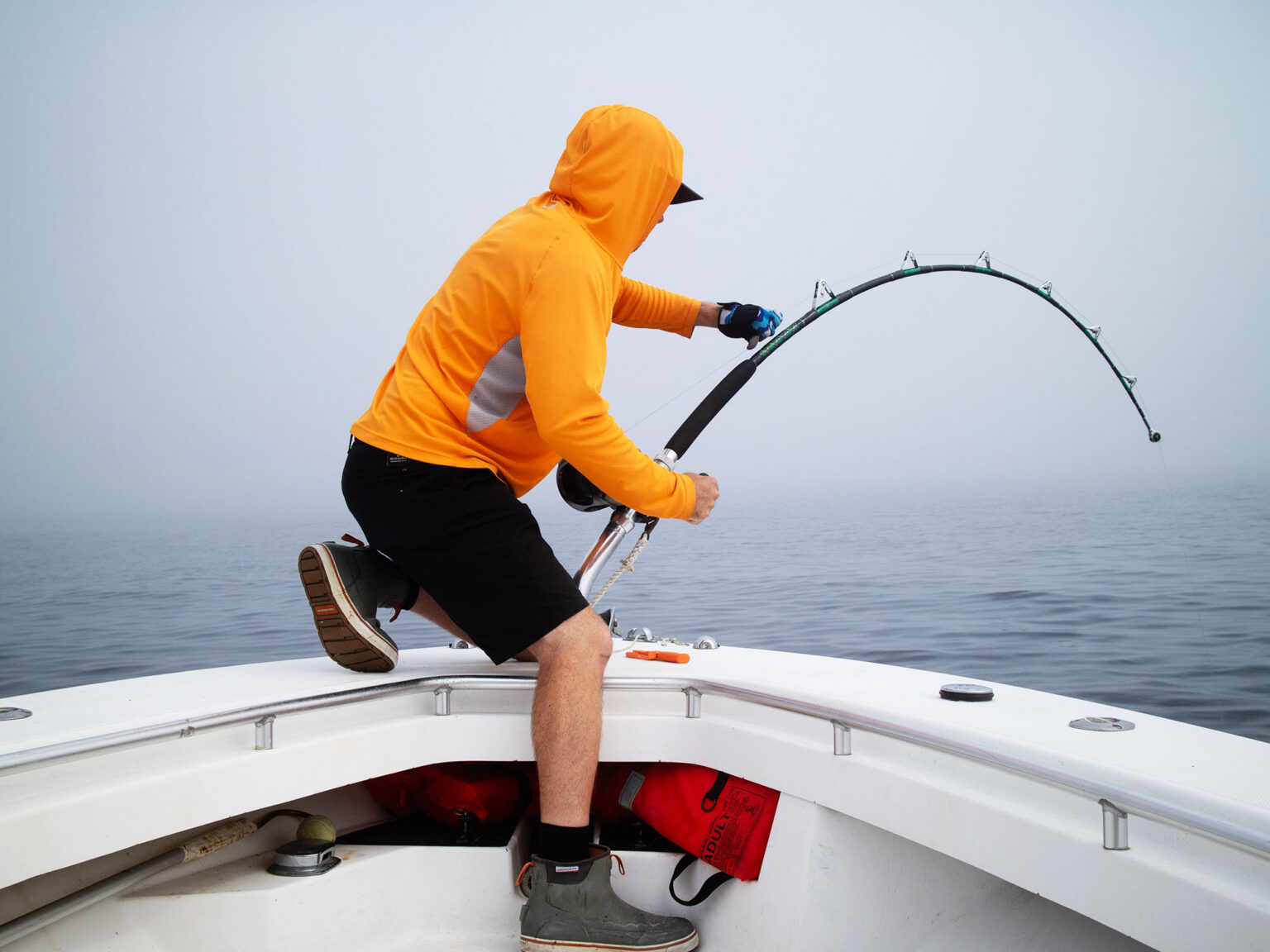 Pre-dawn Runs, Live Bait and the Kelly Brothers’ Bluefin Routine off Cape Cod">

The convoy rolled into Stamford with a 1998 Chevy Suburban towing a 23-foot SeaCraft center console, slated to leave the boat ramp at 0300 for Stellwagen Bank; crew manifest, bait inventory and a refrigerated buyer call were all coordinated before dusk.
Mobilizing for a High-Stakes Tuna Run
Colin and Ryan Kelly operate with military-like timing: rendezvous points, spare reels, and a bait plan set the tempo. The Suburban doubles as transport and mobile staging area—cans of Bang, nicotine pouches, spare lines and a Yeti cooler occupy every nook—while the SeaCraft carries live wells full of fresh mackerel for chumming. Departure windows center on slack tides and weather windows; Stellwagen Bank’s dense flotilla of commercial, charter and recreational vessels demands punctuality and situational awareness to avoid gear tangles and regulatory conflicts.
Route and Ramp Operations
Ramp-side logistics matter: launch permits, trailer checks, fuel top-offs and bait runs (often to local piers) are completed before fog or dawn. The team keeps a buyer contact posted to guarantee a refrigerated truck meets the vessel at the dock; rapid cooling preserves flesh quality and optimizes price per pound under current HMS constraints (no recreational harvest above 73 inches for certain bluefin).
On the Grounds: Tactics and Team Roles
On Stellwagen Bank, tactics mix bait boats, drift and run-and-gun methods. The Kellys typically set a combination of deep and mid-water baits in less than 10 fathoms, suspending rigs with balloons and using an anchor float for station keeping. Roles are clearly assigned: a bow fighter, a stern harpooner, bait cutters and a deckhand to ice and bag fish quickly when a school is connected.
Typical Sequence When a Fish Bites
- Detect mark on fishfinder and position the boat into the slick.
- Set multiple baits across the water column, monitor balloons.
- Engage rod, clear deck, drop anchor float if needed.
- Fight, boat-handle and secure; if commercial, call buyer and expedite cooling.
Gear and Catch Handling
Rods often include Penn International 130s for the heavy work and lighter spinning setups for live-bait catching. When a fish is boated, a kill bag with ice from the fishbox is used immediately; cleaning the core and packing with ice reduces bacterial breakdown and improves sale value. Permits and quota awareness guide whether a crew keeps or releases a large bluefin—conservation and economics intersect at the dock.
| Item | Detalhe |
|---|---|
| Veículo | 1998 Chevy Suburban (tows SeaCraft) |
| Barco | 1998 23-foot SeaCraft center console; backup Grady-White Seafarer and Stur-Dee dory mentioned |
| Partida | Ramp at ~0300 to reach Stellwagen Bank predawn |
| Alvo | Bluefin tuna on live bait; grounds span 800+ square miles |
| Typical buyer price | $2–$8 per pound for commercial-grade bluefin (variable) |
Human Factors and Local Color
Crews often live at home, patch together spare cash from occasional commercial sales and prioritize the fish above creature comforts; nights in the back of the Suburban, minimal food options—sometimes gas station burritos or 7-Eleven hot dogs—and a shared tolerance for discomfort are par for the course. Local characters such as Jimmy Quigley add institutional knowledge—where to set, when to sponge the slick, how to present the fish to a merchant.
Regulatory and Ethical Notes
HMS permits, minimum/maximum size rules and commercial licensing shape decisions on whether to keep a fish. For many small crews, market prices determine whether the day’s effort is worth the fuel and time; when prices fall, moral calculus about releasing a fish or not becomes sharper.
At a glance: a successful run requires logistics—timely launch, live-bait strategy, cooling chain, permit compliance—and good company on deck. For travelers interested in angling tourism, these operations illustrate how local fisheries, charter services and landing markets interact to shape the visitor experience.
Curious anglers can find organized alternatives to DIY runs: GetExperience curates verified providers and tour options that remove much of the planning friction—secure online payments, voucher confirmation, and bespoke tour requests help match preferences and budgets. For anglers and sightseers wanting guided bluefin trips, the platform offers a wide variety of tours worldwide to suit any preference and budget; Book your Trip GetExperience.com
Highlights: the Kelly brothers’ routine underscores the importance of timing, live-bait logistics, permit awareness and rapid post-catch cooling—yet even the best accounts can’t replace going out on the water. On GetExperience, you book verified providers at reasonable prices, gaining transparency, convenience and a broad range of additional options so you avoid unnecessary expenses or disappointments. Book your Trip GetExperience.com
Wrap-up: this account stresses transport and launch logistics, live-bait and chumming techniques, on-deck roles, catch handling protocols and the regulatory frame that governs bluefin fisheries. Whether planning travel experiences, adventure activities or luxury adventure travel experiences like exclusive yacht charters for events, cruise packages or eco-friendly wildlife safaris, understanding local operations improves expectations. For quieter options, consider museum tours with live guides, online virtual tours or interactive online cultural workshops; for thrill seekers, look to safari tours, adventure rafting trips for beginners and yacht parties. These options, from beginner esports coaching sessions to professional esports training programs or curated travel packages, all benefit from careful logistics and vetted providers.