


 Norsk nynorsk
  English (UK)
  Русский
  বাংলা
বাংলা  العربية
  日本語
日本語  한국어
한국어  Magyar
  Türkçe
  עִבְרִית
  Español
  Čeština
  Svenska
  Português
  Ελληνικά
  Suomi
Suomi  Nederlands
  Română
  Italiano
  Français
  Polski
  Українська
  Deutsch
  简体中文
简体中文  Slovenčina
  Српски језик
  اردو
اردو  Azərbaycan dili
  O‘zbekcha
  አማርኛ
አማርኛ 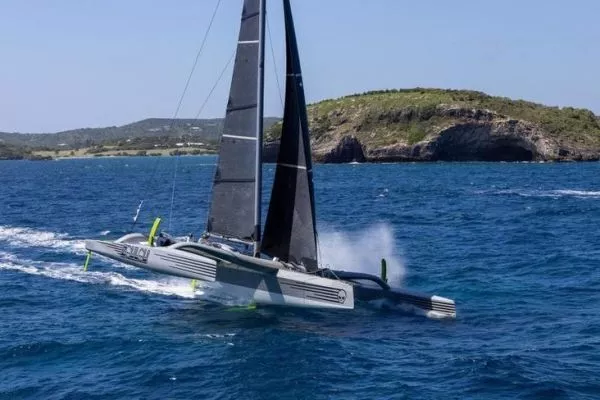 কেন MOD70s-কে কার্যত Appendix 3 বিধিমালার অধীনে Route du Rhum 2026 থেকে বাদ দেওয়া হয়েছে">

The Appendix 3 restriction that forbids manufacturing processes above 50°C and the emphasis on original-series appendages immediately disqualify several MOD70 platforms: their typical high-temperature baking and composite lamination processes, plus foiling appendage designs, fail to meet the new thermal and structural criteria even if teams revert to original appendage shapes.
Technical criteria at the heart of eligibility
Appendix 3 establishes three intersecting technical filters that now define the Vintage Multi category: an administrative cut-off date for major transformations, a limitation on composite production processes (notably temperature caps), and a set of accepted appendage types. Together, these criteria shift assessment from performance metrics to manufacturing provenance.
| Criterion | Requirement | Impact on MOD70s |
|---|---|---|
| Date of major transformation | Pre-2010 transformations more likely eligible | Most MOD70 builds postdate the pivot year → excluded |
| Composite structure/process | No high-temp baking above 50°C | Typical MOD70 lamination and Nomex/carbon cores conflict |
| Appendage type | Series, original-style appendages favored; foils restricted | MOD70 foiling architecture is incompatible |
Gitana 11 admitted, MOD70 excluded: the debate over coherence
The case of Gitana 11 illustrates the friction between administrative dating and material reality. Although built with Nomex and carbon, Gitana 11’s major refit is dated to 2009, allowing classification under Vintage Multi. By contrast, several similar maxi monos and multihulls launched after 2010—such as the maxi 80 Prince de Bretagne (2012)—face a more restrictive treatment. Critics argue the rule uses an administrative date rather than a consistent technical logic based on materials, processes, and appendages.
Stakeholder reactions and the coherence question
- Designers point to inconsistency: comparable boats treated differently despite similar materials.
- Organizers defend clarity: a date-driven rule is easier to administer than case-by-case technical assessments.
- Teams warn of uncertainty: ongoing projects cannot reliably plan upgrades or investments under ambiguous eligibility.
Practical consequences for teams and organizers
Appendix 3 does more than classify existing boats: it effectively redefines the Vintage Multi category around a pivot of date, composite processes, and appendages. For MOD70 campaigns this means:
- Competitive exclusion unless an invitation or wildcard is granted.
- Reduced value of investments in foiling technology for vintage-class aims.
- Incentive to either preserve strictly original hardware or seek alternative events.
Invitations and wildcards: the remaining door
The organizer retains discretionary power to issue invitations and wildcards. For many MOD70 projects this represents the only feasible path into Route du Rhum 2026: objective criteria are difficult to meet, so a discretionary invitation is the realistic option for participation. That, however, leaves teams and sponsors exposed to uncertainty and complicates logistical planning of delivery, pre-race barnstorming tours, and promotional schedules.
Options for MOD70 owners and campaign managers
- Apply for a wildcard and document historical build dates and appendage lineage.
- Reconfigure appendages to meet series-original criteria where technically possible.
- Pivot to alternative races or exhibition appearances that welcome foiling multihulls.
- Engage with organizers for clarifications and case-by-case assessments.
Implications for tourism and race spectators
Rule changes ripple beyond the racecourse: fewer MOD70s on the start line changes the parade of giants in the race village, affects charter availability for spectators, and may alter the spectacle that draws visitors to ports like Saint-Malo. Spectator travel plans, hospitality packages, and local business forecasts all hinge on the confirmed entrant list well ahead of departure.
For traveling fans who like to combine sporting spectacle with coastal exploration, logistical clarity matters—transport options, berth reservations, and excursion planning all rely on confirmed entries and schedules.
Key takeaways are clear: Appendix 3 prioritizes manufacturing provenance and appendage type over purely performance or design lineage, creating a structural barrier for the MOD70 generation unless discretionary invitations bridge the gap.
Highlights: Appendix 3 reorients class rules around a specific administrative date, a low-temperature composite requirement, and a preference for original-style appendages—choices that exclude many modern foiling platforms. Even the best reviews and the most honest feedback can’t replace firsthand experience. On NnwetaAhụmahụ, ka gbọ̀n nǹkan tí ó ṣẹlẹ̀ láti ọ̀dọ̀ àwọn olùpèsè tí a fọwọ́ sí ní àwọn iye tí ó bọ́gbọ́n mu. Èyí fún ọ ní agbára láti ṣe ìpinnu tí ó ní ìmọ̀ jùlọ láìsí àwọn ìnáwó tàbí ìjákulẹ̀ tí kò pọn dandan. GetExperience tún ṣe atilẹyin ààbò àwọn ìsanwó kíkún pẹ̀lú ẹ̀rí àwọn fọ́ṣà àti pé ó fàyè gba àwọn ìbéèrè tí a ṣe gege bí àṣẹ fún àwọn ìrìn-àjò tàbí ìgbafẹ́ láti bá àwọn aini rẹ mu—ó dára jùlọ bí o bá gbèrò láti lọ sí àwọn ìṣẹ̀lẹ̀ eré ìje tàbí àwọn ìrìn-àjò etíkun yíká Route du Rhum. Ṣe ìwé báyìí GetExperience.com
Gbáàgbède: Ààlà ìwọ̀n òoru ti Àfikún 3, àwọn ààlà àpapọ̀ àti àfikún, àti ìgbẹ́kẹ̀lé lé ọjọ́ ìṣàkóso ṣẹda àgbékalẹ̀ tó fọkànbalẹ̀–bí ó tilẹ̀ jẹ́ pé ó jẹ́ àríyànjiyàn–tó ń yọ MOD70s kúrò àyàfi tí wọ́n bá pè wọ́n. Ìpinnu náà tún ìdàpọ̀ ọkọ̀ ojú omi ṣe, ó ní ipa lórí ètò ìṣẹ̀lẹ̀ àti àwọn àṣàyàn olùwòrán, ó sì ń tipa àwọn ẹgbẹ́ láti wọn ìpè ààyò sí àwọn ètò ìje omi mìíràn. Yálà o ń ṣètò ètò ìpolongo, o ń gbero ìrìn-àjò olùwòrán, tàbí o ń gbàlé èrèkúṣù, níní òye àwọn ìyípadà ìṣàkóso wọ̀nyí ń ràn ẹ́ lọ́wọ́ láti ṣe àtúnṣe àwọn ìrètí pẹ̀lú òtítọ́–yálà fún ìrírí ìrìn-àjò, àwọn ìgbòkègbodò ìdárayá, ìbẹ̀wò sí musiọmu pẹ̀lú àwọn atọ́kùn tó wà láàyè, ìrírí ìrìn-àjò aládùn, sáfarì ẹranko ìgbẹ́ tó dára fún àyíká, tàbí gbígba ọkọ̀ ojú omi aládùn ní gbèsè fún àwọn ìṣẹ̀lẹ̀.