


 Norsk nynorsk
  English (UK)
  Русский
  বাংলা
বাংলা  العربية
  日本語
日本語  한국어
한국어  Magyar
  Türkçe
  עִבְרִית
  Español
  Čeština
  Svenska
  Português
  Ελληνικά
  Suomi
Suomi  Nederlands
  Română
  Italiano
  Français
  Polski
  Українська
  Deutsch
  简体中文
简体中文  Slovenčina
  Српски језик
  اردو
اردو  Azərbaycan dili
  O‘zbekcha
  አማርኛ
አማርኛ 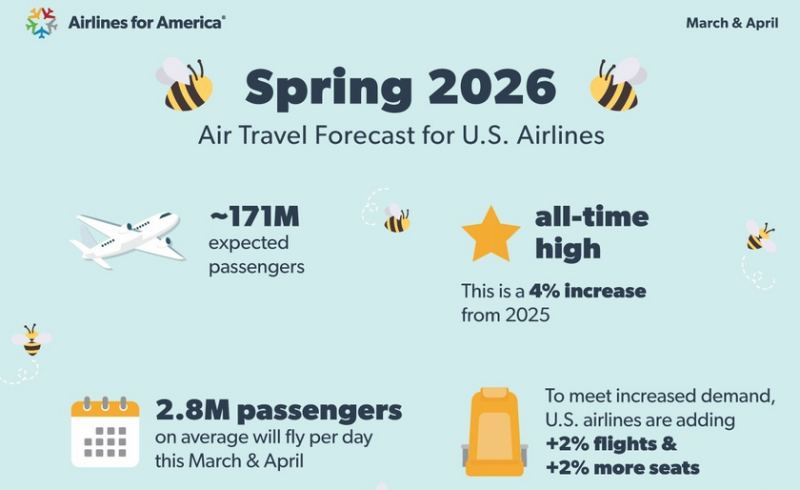 Ọ̀là-ìmújáde ìgbà ìrẹ̀dánì ti ìrìn-àjò afẹ́fẹ́ ní U.S. pàdé ìdílọ́wọ́ Global Entry: ohun tí àwọn arìnrìn-àjò àjòdàgbà yẹ kí wọ́n mọ̀">

Airlines for America (A4A) projects 171 million passengers between March 1 and April 30, averaging 2.8 million passengers per day, while carriers add roughly 2% more flights and expect to operate about 26,000 daily passenger flights with 3.5 million seats — a surge coinciding with the Department of Homeland Security’s pause of the Global Entry program since February 21, which reallocates roughly 300,000 officer hours back to manual processing.
Operational picture: flights, seats and checkpoint capacity
Carriers are increasing capacity to meet demand, but the suspension of Global Entry raises a tangible bottleneck: the program’s efficiency saved significant officer time last year, and its closure forces Customs and Border Protection (CBP) and Transportation Security Administration (TSA) staff to process more travelers at primary lanes.
Planned capacity for March–April
| Metric | Projected value |
|---|---|
| Passengers (Mar 1–Apr 30) | 171,000,000 |
| Daily passengers | 2,800,000 |
| Daily passenger flights | 26,000 |
| Daily available seats | 3,500,000 |
| Capacity increase vs. last year | +2% |
How the Global Entry suspension affects travelers and operations
Global Entry is a fee-funded, risk-based program for vetted travelers that typically reduces CBP processing time and frees officer hours for other tasks. With the program suspended, airports face:
- Longer arrival processing times at international terminals
- Increased pressure on CBP na TSA staffing during peak spring-break windows
- Higher potential for missed connections and delayed onward travel, affecting inbound tourism and day-trip itineraries
Traveler impacts at a glance
Tourists and business travelers should have a mind to do the following in advance to reduce friction:
- Allow extra connection time when booking flights, especially after long-haul international arrivals
- Carry digital copies of documents and membership confirmations (e.g., airline elite status) to ease secondary screening
- Consider alternative ports of entry or arrival times outside peak congestion
Practical steps for tour operators and destination managers
Destination stakeholders and tour operators must adapt to shifting passenger flows and checkpoint unpredictability. Recommended measures include:
- Adjusting pickup schedules for airport transfers to account for potential delays at customs and immigration
- Communicating arrival buffers to clients and suppliers to prevent cascading missed activities
- Coordinating with carriers and local authorities for real-time passenger status updates
Logistics checklist for excursion planners
Ọ̀kánkán., ensure transfer agreements include flexible cancellation or hold windows, confirm guide availability for delayed groups, and maintain a contingency vehicle or guide team for late arrivals.
Industry response and policy implications
A4A leadership urged Congress to resolve shutdown-related pay and staffing issues so TSA na CBP can operate fully; they also pressed DHS to restore Global Entry, noting there was no public data supporting its suspension. Restoring the program would immediately reduce manual processing burdens and return hundreds of thousands of officer hours to other security tasks.
What this means for tourism
Airline capacity growth signals robust demand for travel experiences, from ìrìn-àjò safarì na cruise packages to museum tours with live guides and adventure rafting trips for beginners. However, operational disruptions can create ripple effects: delayed arrivals reduce available touring time, and unpredictable processing can deter travelers from tight itineraries.
Эртний нисгэгчид болон аялал захиалагчдад зориулсан аяллын зөвлөмж
- Sanarwar tabbatar da sauye-sauye da balaguro 24–48 kafin isowa.
- Túri nɛ gbɛjianɔtoi a gbɛ shikɛŋŋ, bɔni aŋɔŋ gbɛjianɔtoi ni kpakpa ni baanyɛ a fee kɛje ekoŋŋ, koni okwaŋ hiɛkpatamɔ ni jɛ gbɛjianɔtoi ni gbɔjɔ he.
- E nyoŋ online check-in, mobile boarding pass, di i bo wo kôme mindima mi nlôôhe ngbaŋ.
Akwụkwọ ndị a kachasị elu: mmụba ndị njem na-eme n'oge opupu ihe ubi, mmetụta GetExperience.com
Ọ̀rọ̀ náà ní ṣókí, àwọn ilé iṣẹ́ ọkọ̀ òfuurufú ń murasilẹ́ fún àsìkò ìgbà ìrúwé tó ga jùlọ pẹ̀lú àfikún àwọn ọkọ̀ òfuurufú àti àwọn àga, ṣùgbọ́n ìdádúró fúngbàdíẹ̀ ti Global Entry Ọ̀rùn títí iléṣẹ́ àti ìdádúró tí ó lè nípa lórí àwọn arìnrìnàjò àti àwọn olùgbatẹniròrò. Àwọn ìgbésẹ̀ ìgbàlà tó ṣeé mú lò pẹ̀lú kíkọ́ àwọn ẹ̀kúnrẹ́rẹ́ àkókò, fífẹ àwọn ìwé àṣẹ ìrìnàjò, àti ìbáraẹnisọ̀rọ̀ tó dára láàrin àwọn ilé-iṣẹ́ ọkọ̀ àti àwọn olùpèsè ilẹ̀. Yálà o ń gbìyànjú láti wá ìrírí ìrìnàjò afẹ́dàṣẹ́, àwọn ìrìnàjò àyíká-ọrẹ́ fún àwọn ẹranko igbó, àwọn ọkọ̀ ojú omi kékeré tí a yá fún àwọn àṣẹ, àwọn ìpéjọpọ̀ àṣà orí ayélujára tí ó nífẹ̀ẹ́, tàbí àwọn ètò ìdánilẹ́kọ̀ọ́ eléré-ìdárayá, pípète síwájú yóò jẹ́ kí ìrìnàjò rẹ rọrùn àti lára dídùn.