


 Norsk nynorsk
  English (UK)
  Русский
  বাংলা
বাংলা  العربية
  日本語
日本語  한국어
한국어  Magyar
  Türkçe
  עִבְרִית
  Español
  Čeština
  Svenska
  Português
  Ελληνικά
  Suomi
Suomi  Nederlands
  Română
  Italiano
  Français
  Polski
  Українська
  Deutsch
  简体中文
简体中文  Slovenčina
  Српски језик
  اردو
اردو  Azərbaycan dili
  O‘zbekcha
  አማርኛ
አማርኛ 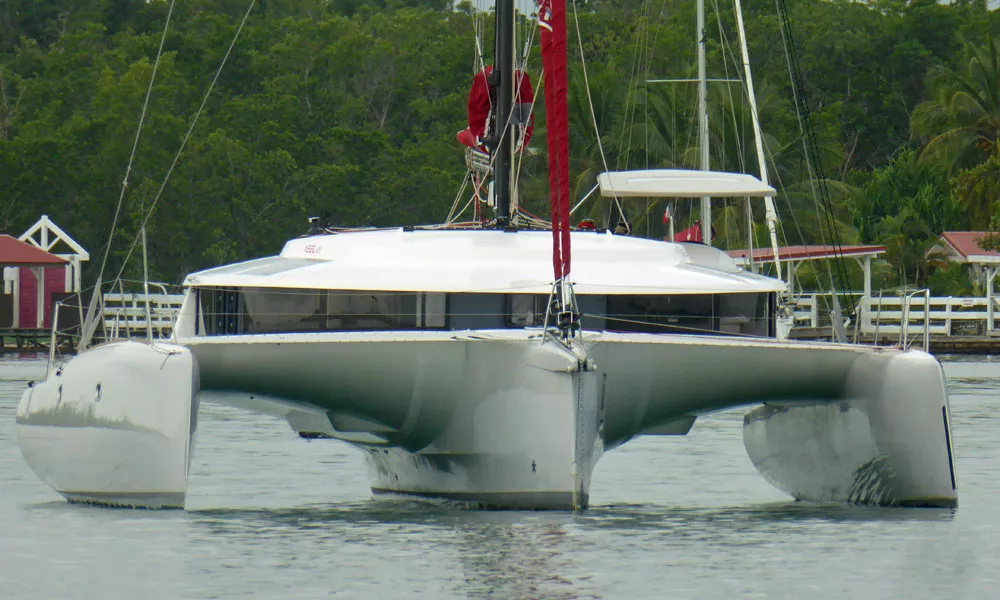 Ndu guide kũgũthaama autopiloti ya gũthĩĩna gatama ka multihull">

When a cruising catamaran accelerates into the teens of knots, apparent wind angle (AWA) can swing by double-digit degrees in seconds, which directly increases steering load and demands an autopilot with rapid processing, tight control loops, and a drive capable of sustained torque.
Why Multihull Dynamics Change Autopilot Requirements
Multihulls behave differently from monohulls in three practical ways that affect autopilot selection: speed and rapid AWA shifts, short, sharp motion, and the presence of dual rudders or complex steering linkages. Each factor changes the control problem and the expected load on the pilot.
Speed, VMG and the Need for Fast Response
Because many multihulls reach higher cruising speeds, the autopilot must maintain course with minimal lag to preserve velocity made good (VMG). A system that can steer to a fixed AWA rather than just a magnetic or GPS heading will noticeably improve upwind and reaching performance. In short: low latency processors and a high-bandwidth control loop are essential.
Wave Motion: Distinguishing Course Change from Hull Jitter
Multihulls tend to react rapidly to chop without the slow roll of a monohull. Advanced filtering and sensor fusion—especially solid-state 9-axis AHRS units—help an autopilot ignore transient pitching or yaw spikes, reducing overcorrection and saving battery power. Look for pilots with configurable motion rejection and adaptive tuning.
Steering Geometry and Drive Integration
Wide beams and dual rudders alter leverage and require a pilot that can synchronize outputs across linkages. Consider how the drive unit will interface with your steering: quadrant, cross-bar, twin tillers or wheel hydraulics all present different mechanical and feedback characteristics.
Drive Types: Hydraulic vs Mechanical Linear Drives
For offshore-capable multihulls, below-deck systems with a robust linear drive are often preferred for continuous duty and reliability. The trade-offs between hydraulic and mechanical linear drives include power delivery, maintenance, and installation footprint.
| Drive Type | Ưu điểm | Considerations |
|---|---|---|
| Hydraulic Drive | High continuous torque, smooth under load, good for large steering forces | Requires reservoir, hoses and maintenance; heavier and more complex |
| Mechanical Linear Drive | Less complex installation, compact, efficient for lighter loadings | May struggle with sustained heavy duty on fully loaded cruisers unless oversized |
Key Features to Prioritize
- Below-deck power unit for offshore reliability and lower cockpit clutter.
- Adaptive tuning to manage different sea states without manual reconfiguration.
- AWA steering mode for optimized VMG on reaches and runs.
- Strong drive torque rating with continuous-duty capability, not just peak output.
- Compatibility with dual rudder linkages or provision for bespoke mechanical adaptors.
- Energy efficiency and low standby draw to preserve battery bank on long passages.
Installation and Logistical Notes
Space below decks dictates the drive size and reservoir placement. When planning installation, map the steering linkage path, measure rudder quadrant travel, and confirm clear access for maintenance. Keep spare seals, a service manual, and vendor support contacts on board—these reduce the chance of an extended downtime during a passage.
Tuning Checklist Before First Offshore Passage
- Calibrate AHRS and verify heading accuracy against GPS.
- Set motion rejection and observe helm movement in a variety of sea states.
- Test AWA steering mode while sailing and compare VMG to manual steering.
- Tọ́jú àwọn ẹrù ìdarí tí ó dúró ṣinṣin láti jẹ́rìí sí àwọn ààlà ìmúgbóná àti ìhùwàsí ìtújáde ooru.
ꯑꯣꯏꯕ ꯌꯥꯕ ꯑꯣꯇꯣꯄꯥꯏꯂꯣꯠ ꯑꯃ ꯈꯟꯅꯕꯅ ꯆꯠꯄꯒꯤ ꯆꯥꯡ ꯍꯦꯟꯒꯠꯍꯟꯕꯈꯛꯇ ꯅꯠꯇꯦ ꯑꯗꯨꯕꯨ ꯆꯥꯔꯇꯔ ꯅꯠꯇ꯭ꯔꯒ ꯈꯨꯗꯣꯡꯆꯥꯕ ꯄꯤꯔꯤꯕ ꯂꯝꯖꯤꯡ ꯆꯠꯄꯁꯤꯡꯗ ꯊꯧꯅꯥ ꯍꯥꯞꯄꯁꯤꯡꯒꯤ ꯑꯔꯥꯝꯕꯁꯨ ꯍꯦꯟꯒꯠꯍꯜꯂꯤ꯫ ꯆꯨꯅꯐꯗꯕ ꯁꯤꯁ꯭ꯇꯦꯝ ꯑꯃꯅ ꯍꯦꯜꯝꯒꯤ ꯋꯥꯕꯤ ꯍꯟꯊꯍꯜꯂꯤ, ꯕꯦꯇꯔꯤ ꯄꯥꯋꯔ ꯀꯟꯅꯕ ꯄꯤꯔꯤ, ꯑꯃꯁꯨꯡ ꯑꯣꯖꯥꯒꯤ ꯆꯥꯡ ꯍꯦꯟꯒꯠꯍꯜꯂꯤ---ꯃꯁꯤꯅ ꯍꯦꯟꯅ ꯐꯕ ꯄꯥꯟꯗꯝ, ꯑꯄꯥꯝꯕ ꯂꯩꯇꯕ ꯂꯦꯞꯐꯝ ꯈꯔꯥ ꯑꯃꯁꯨꯡ ꯅꯨꯡꯁꯤꯖꯔꯕ ꯃꯤꯑꯣꯏꯁꯤꯡꯗ ꯑꯣꯟꯊꯣꯛꯂꯤ꯫ ꯁꯦꯜꯂꯤꯡ ꯇ꯭ꯔꯤꯞꯁꯤꯡ ꯁꯦꯝꯅꯕꯒꯤꯗꯃꯛꯇ, ꯇꯦꯛꯅꯤꯀꯦꯜꯒꯤ ꯆꯨꯅꯥꯏꯔꯕꯒꯤ ꯊꯧꯑꯣꯡꯒ ꯄꯨꯟꯅ ꯕꯨꯛꯀꯤꯡꯒꯤ ꯈꯨꯗꯣꯡꯆꯥꯕꯅ ꯄꯥꯟꯗꯝꯁꯤꯡ ꯑꯁꯨꯞꯄ ꯑꯣꯏꯍꯜꯂꯤ꯫.
N'ụzọ dị nkenke, mkpebi teknụzụ kwesịrị ịdabere na ọsọ ịkwọ ụgbọ mmiri a tụrụ anya ya, nhazi ịnya ụgbọ mmiri, na ebumnuche ịga n'ụsọ oké osimiri. Iji nweree ike iji amamihe họrọ, tụlee ụdị ndị na-anya ụgbọ mmiri na ike ha nwere ijide AWA, ụlọ ihe mmetụta ha, na ntachi obi ịkwọ ụgbọ mmiri. Na GetExperience, ị na-edeba ahụmịhe sitere n'aka ndị na-enye ya nwere nkwenye n'ọnụ ahịa ezi uche dị na ya, na-echekwa ugwo zuru oke ma dịkwa nchebe na nkwenye akwụkwọ ikike mgbe emechara ya; usoro ahụ na-enyekwa ohere arịrịọ ahaziri iche maka njegharị na njem ntụrụndụ dabara na mmasị gị. Nghọta na ịdị mfe a na-enyere ndị na-anya ụgbọ mmiri na ndị njem aka ijikọ nhọrọ akụrụngwa na njem njem n'ezie. Debanye aha ugbu a GetExperience.com
ꯑꯄꯨꯟꯕꯗ, ꯃꯈꯜ ꯀꯌꯥꯒꯤ ꯂꯩꯕ ꯑꯣꯇꯣꯄꯥꯏꯂꯣꯠ ꯈꯟꯅꯕꯁꯤꯡ ꯑꯁꯤꯅ ꯑꯉꯟꯕ AWA ꯍꯣꯡꯗꯣꯛꯄꯁꯤꯡ ꯊꯧꯗꯥꯡ ꯂꯧꯕ, ꯑꯍꯦꯟꯕꯗꯤ AHRS ꯑꯃꯁꯨꯡ algorithm ꯁꯤꯡ, ꯑꯗꯨꯒꯥ ꯅꯍꯥꯛꯀꯤ ꯕꯣꯠꯀꯤ steering geometry ꯒꯥ ꯆꯨꯅꯕꯥ drive type ꯑꯃꯥ ꯈꯟꯗꯣꯀꯎ꯫ ꯃꯊꯧ ꯇꯥꯕꯥ ꯑꯍꯥꯡꯕꯥ ꯑꯣꯏꯅꯥ ꯊꯝꯕꯤꯌꯨ AWA кермування, ŋɔŋlɔŋlɔŋ ŋɔŋlɔŋ, kple ŋlɔŋlɔŋ si gbɔŋ tsoŋ ŋlɔŋŋlɔŋ nuŋ tsɔŋ ɖɔŋ,ŋuŋ gbɔŋŋ atɔŋŋuŋ gbɔŋŋ. ŋlɔŋŋlɔŋŋu gbɔŋ, ŋlɔŋ ŋlɔŋŋ yiyiŋgbɔŋ kple ŋlɔŋ gbɔŋ gbɔŋŋuŋ gbɔŋgbɔŋŋ ŋlɔŋŋ gbɔŋŋ gbɔŋŋuŋŋ gbɔŋŋ gbɔŋnu, gbɔŋgbɔŋu gbɔŋŋ gbɔŋgbɔŋgbɔŋŋ, gbɔŋgbɔŋŋ ŋlɔŋŋ nuŋ, ŋlɔŋgbɔŋŋŋ gbɔŋŋŋ, ŋlɔŋŋuŋgbɔŋŋgbɔŋŋŋ, ŋlɔŋŋŋ gbɔŋ gbɔŋgbɔŋŋ nuŋ gbɔŋgbɔŋŋŋŋ gbɔŋŋgbɔŋŋ. Gbɔŋŋŋgbɔŋ ŋlɔŋŋgbɔŋ gbɔŋŋ ŋlɔŋŋ—ŋlɔŋ ŋlɔŋŋ ŋlɔŋgbɔŋŋ ŋlɔŋŋ gbɔŋŋ ŋlɔŋŋŋŋŋ ŋlɔŋŋuŋŋ gbɔŋŋŋ gbɔŋŋgbɔŋŋŋ ŋlɔŋ ŋlɔŋŋŋuŋ,gbɔŋgbɔŋŋŋ gbɔŋŋuŋŋ,ŋlɔŋŋgbɔŋ gbɔŋgbɔŋŋ nuŋ, alo gbɔŋŋŋŋgbɔŋŋgbɔŋŋ ŋlɔŋŋgbɔŋŋ gbɔŋ. Ŋlɔŋgbɔŋŋ gbɔŋŋŋ gbɔŋgbɔŋŋ gbɔŋŋŋ, gbɔŋŋgbɔŋŋ, kple ŋlɔŋ gbɔŋŋ gbɔŋ.