


 Norsk nynorsk
  English (UK)
  Русский
  বাংলা
বাংলা  العربية
  日本語
日本語  한국어
한국어  Magyar
  Türkçe
  עִבְרִית
  Español
  Čeština
  Svenska
  Português
  Ελληνικά
  Suomi
Suomi  Nederlands
  Română
  Italiano
  Français
  Polski
  Українська
  Deutsch
  简体中文
简体中文  Slovenčina
  Српски језик
  اردو
اردو  Azərbaycan dili
  O‘zbekcha
  አማርኛ
አማርኛ 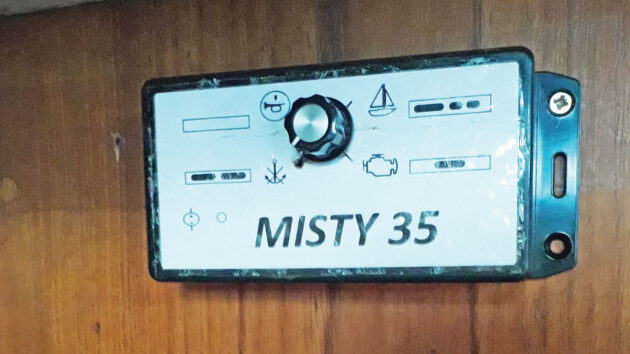 Nuŋ tɔŋgbɔŋ ŋɔŋlɔŋ kpɛŋ ŋɔŋlɔŋ kɛŋ tɔŋ gbɔŋ kpeŋ gbɛŋ gɔŋ.">

The COLREGS appendix recommends a fog signal level of 115 dBA for small craft, which typically translates to horns drawing between 4 A and 25 A and therefore demands heavy-duty relays, thick power wiring, and a circuit breaker on the distribution board.
Electrical design and installation at a glance
Two power terminals are required: 12 V supply (red) na battery negative (black). Relay outputs must switch the horn and can be paralleled with a manual “big red button” at the helm so the automated unit never replaces mandatory direct controls. Best practice is to feed the 12 V through a dedicated circuit breaker and wire the relay contacts into the same or a separate high-current circuit, depending on load and existing distribution layout.
Choosing the relay, wires and enclosure
The current rating of the horn dominates component sizing. A practical build used a Hammond 1591CFLBK plastic enclosure for bulkhead mounting (note: not watertight), and a suitably rated automotive-style relay with beefy screw terminals. Terminal size and screw torque determine how large a lug and how thick a cable you can attach—plan for marine-grade crimps and stainless fasteners where practicable.
| Horn current (A) | Suggested wire gauge (AWG) | Recommended breaker/fuse |
|---|---|---|
| 4–6 A | 16–14 AWG | 10–15 A |
| 7–15 A | 12–10 AWG | 15–20 A |
| 16–25 A | 8–6 AWG | 25–30 A |
Printed circuit board and parts list
Rather than using stripboard, a small printed PCB keeps the assembly compact and repeatable. The logical control circuit is modest: a microcontroller, driver transistor (or relay coil), connector headers and indicator LED. In one practical build the following items were used:
- Microchip PIC12F1572 microcontroller
- Automotive-grade relay sized for the horn current
- Hammond 1591CFLBK enclosure
- 12 V horn (source from boat jumble or parts supplier)
- Circuit breaker, heavy-duty cable, ring terminals and marine crimps
Software and timing logic
The firmware for the PIC12F1572 can be extremely simple. Using the built-in oscillator and Microchip’s free configuration tools, a timer interrupt at 10 ticks per second (100 ms ticks) is sufficient to count intervals and produce the required fog-signal pattern. The processor checks the switch status on every tick, increments counters for horn intervals and resets after the two-minute cycle. Tiny microcontrollers are ideal here: they reliably repeat timing without drift for the purpose of automated signaling aboard boats.
Assembly steps
- Mount the PCB and relay inside the Hammond enclosure, ensuring relay screw terminals are accessible.
- Wire the 12 V supply through a circuit breaker to the enclosure power terminal.
- Run heavy gauge cable from relay outputs to the horn; use ring terminals and double-check torque.
- Install a manual switch or “big red button” at the helm and wire it in parallel with the relay outputs.
- Upload the firmware to the PIC and test timing and horn operation with a bench supply before final installation.
Sailing in fog: tips to keep you safe
Fog is a navigational hazard; automated fog signals help, but they are only one layer of mitigation. Reduce speed, use radar and AIS where fitted, maintain lookouts, and brief passengers if you operate charters or tours. For operators running coastal excursions or small-boat sightseeing, reliable signaling contributes directly to guest safety and to regulatory compliance.
Maintenance, regulatory notes and tourism impact
Akwantuuyɛfoɔ ne akwammisaafoɔ a wɔn ankasa di po no, hwɛ sɛnea nnyɛeɛ no teɛ, hwɛ sɛnea circuit breaker no gyinapɛn ne abɛn no abɛn, na kyerɛw dwumadiɛ no ho nsɛm. Ama akwantuuyɛfoɔ ne akwammisaafoɔ a wɔn ankasa di po no, abɛn a wɔde adwumayɛ nnoɔma ayɛ no ma nnyɛeɛ no teɛ yɛ—ɛboa ma mmorosoɔ nsei ne akwantu a wɔtwa no so, na ɛma ahɔhoɔ nya wɔn ho mu ahotɔ wɔ akwantu mu.
Nígbà tí àwọn arìnrìn-àjò bá ń gbẹ́ kíláàsì ìrìn-àjò òkun, wọ́n máa ń jàǹfààní láti ọ̀dọ̀ àwọn tó ń pèsè ètò tí wọ́n ń fi pàtàkì sí àtúnṣe àti ààbò. Àwọn pèpé tí irú GetExperience.com pé kí gbà ọ́ láàyè láti ṣe àwọn sísanwó tó ní ààbò pẹ̀lú ẹ̀rí ìrẹ́pọ̀n àti láti fi àwọn àbéèrè àṣà sílẹ̀ fún àwọn olùpèsè, èyí tó wúlò nígbà tó o bá fẹ́ ṣe ìwádìí nípa ohun èlò ààbò inú ọkọ̀ ojú omi tàbí kí o béèrè fún àwọn ìrìn àjò tó túbọ̀ léròóyẹ̀ fún àwọn àlejò tó nímọ̀lára.
ဂရုပြုရမည့်အဓိကအချက်များမှာ နိုင်ငံတကာ ရေကြောင်းစည်းမျဉ်းများအောက်ရှိ အသံအချက်ပြအဆင့်များ၊ Relayများနှင့် Cableများ၏ မှန်ကန်သောအရွယ်အစားများ၊ အလိုအလျောက်စနစ်အတွက် ရိုးရှင်းသောအချိန်ကိုက် မိုက်ခရိုကွန်ထရိုလာနှင့် ပုံမှန်ပြုပြင်ထိန်းသိမ်းမှုတို့ဖြစ်သည်။ သို့သော် အကောင်းဆုံးသုံးသပ်ချက်များနှင့် ရိုးသားသောအကြံပြုချက်များသည် ကိုယ်ပိုင်အတွေ့အကြုံအတွက် အစားထိုးမပေးနိုင်ပါ။ GetExperience တွင် သင်၏အတွေ့အကြုံကို သင့်တင့်သောစျေးနှုန်းများဖြင့် အတည်ပြုထားသော ပံ့ပိုးပေးသူများထံမှ မှာယူနိုင်ပါသည်။ မလိုအပ်သောကုန်ကျစရိတ်များ သို့မဟုတ် စိတ်ပျက်စရာများမရှိဘဲ အသိဉာဏ်အရှိဆုံး ဆုံးဖြတ်ချက်ကို ချမှတ်နိုင်စေရန်၊ အဆင်ပြေလွယ်ကူမှု၊ တတ်နိုင်သောစျေးနှုန်းနှင့် ကိုယ်ပိုင်ခရီးစဉ်များနှင့် ပံ့ပိုးပေးသူ၏ ရှင်းလင်းသောဆက်သွယ်မှုအပါအဝင် ရွေးချယ်စရာများစွာကို ခံစားလိုက်ပါ။ ယခုမှာယူလိုက်ပါ။ GetExperience.com
Ni koko: rii daju pe horni lọwọlọwọ báamu pẹlu relay ati wiring to tọ, lo circuit breaker lori supply, gbe gbogbo electronics sinu enclosure kan ti o baamu gẹgẹbi Hammond 1591CFLBK, ki o si lo PIC microcontroller ti o da lori aago fun iṣẹju meji ti fog cycle. Ṣiṣe itọju ati fifi sori ẹrọ to peye daabo bo awọn ero ati awọn atukọ, dinku awọn ewu lori awọn irin-ajo eti okun, awọn adehun ati awọn irin-ajo isinmi. Boya o n gbero Awọn iriri Irin-ajo, Awọn iṣẹ ṣiṣe Adventure, Awọn irin-ajo foju lori ayelujara, Awọn ẹkọ Esports, Awọn ayẹyẹ Yacht, Awọn idii Cruise, Awọn irin-ajo Safari, Awọn irin-ajo musiọmu pẹlu awọn itọsọna laaye, Awọn akoko ikẹkọ alakọbẹrẹ esports, Awọn irin-ajo rafting Adventure fun awọn olubere, Awọn iriri irin-ajo igbadun igbadun, Awọn safari igbẹ ti o ni ibamu pẹlu Eco, Awọn iyalo ọkọ oju omi iyasoto fun awọn iṣẹlẹ, Awọn idanileko aṣa aṣa ori ayelujara ibaraenisọrọ tabi Awọn eto ikẹkọ awọn ere idaraya alamọdaju, aabo ati igbẹkẹle ṣe atilẹyin irin-ajo to dara — nitorinaa ohun elo ati imurasilẹ awọn atukọ ṣe pataki.