


 English (UK)
  Русский
  বাংলা
বাংলা  العربية
  日本語
日本語  한국어
한국어  Magyar
  Norsk nynorsk
  Türkçe
  עִבְרִית
  Español
  Čeština
  Svenska
  Português
  Ελληνικά
  Suomi
Suomi  Nederlands
  Română
  Italiano
  Français
  Polski
  Українська
  Deutsch
  简体中文
简体中文  Slovenčina
  Српски језик
  اردو
اردو  Azərbaycan dili
  O‘zbekcha
  አማርኛ
አማርኛ 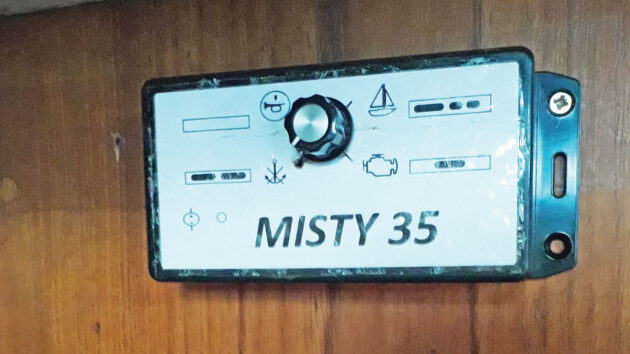

The COLREGS appendix recommends a fog signal level of 115 dBA for small craft, which typically translates to horns drawing between 4 A and 25 A and therefore demands heavy-duty relays, thick power wiring, and a circuit breaker on the distribution board.
Electrical design and installation at a glance
Two power terminals are required: 12 V supply (red) and battery negative (black). Relay outputs must switch the horn and can be paralleled with a manual “big red button” at the helm so the automated unit never replaces mandatory direct controls. Best practice is to feed the 12 V through a dedicated circuit breaker and wire the relay contacts into the same or a separate high-current circuit, depending on load and existing distribution layout.
Choosing the relay, wires and enclosure
The current rating of the horn dominates component sizing. A practical build used a Hammond 1591CFLBK plastic enclosure for bulkhead mounting (note: not watertight), and a suitably rated automotive-style relay with beefy screw terminals. Terminal size and screw torque determine how large a lug and how thick a cable you can attach—plan for marine-grade crimps and stainless fasteners where practicable.
| Horn current (A) | Suggested wire gauge (AWG) | Recommended breaker/fuse |
|---|---|---|
| 4–6 A | 16–14 AWG | 10–15 A |
| 7–15 A | 12–10 AWG | 15–20 A |
| 16–25 A | 8–6 AWG | 25–30 A |
Printed circuit board and parts list
Rather than using stripboard, a small printed PCB keeps the assembly compact and repeatable. The logical control circuit is modest: a microcontroller, driver transistor (or relay coil), connector headers and indicator LED. In one practical build the following items were used:
- Microchip PIC12F1572 microcontroller
- Automotive-grade relay sized for the horn current
- Hammond 1591CFLBK enclosure
- 12 V horn (source from boat jumble or parts supplier)
- Circuit breaker, heavy-duty cable, ring terminals and marine crimps
Software and timing logic
The firmware for the PIC12F1572 can be extremely simple. Using the built-in oscillator and Microchip’s free configuration tools, a timer interrupt at 10 ticks per second (100 ms ticks) is sufficient to count intervals and produce the required fog-signal pattern. The processor checks the switch status on every tick, increments counters for horn intervals and resets after the two-minute cycle. Tiny microcontrollers are ideal here: they reliably repeat timing without drift for the purpose of automated signaling aboard boats.
Assembly steps
- Mount the PCB and relay inside the Hammond enclosure, ensuring relay screw terminals are accessible.
- Wire the 12 V supply through a circuit breaker to the enclosure power terminal.
- Run heavy gauge cable from relay outputs to the horn; use ring terminals and double-check torque.
- Install a manual switch or “big red button” at the helm and wire it in parallel with the relay outputs.
- Upload the firmware to the PIC and test timing and horn operation with a bench supply before final installation.
Sailing in fog: tips to keep you safe
Fog is a navigational hazard; automated fog signals help, but they are only one layer of mitigation. Reduce speed, use radar and AIS where fitted, maintain lookouts, and brief passengers if you operate charters or tours. For operators running coastal excursions or small-boat sightseeing, reliable signaling contributes directly to guest safety and to regulatory compliance.
Maintenance, regulatory notes and tourism impact
Regularly inspect wiring and terminals for corrosion, confirm circuit breaker ratings match the horn load, and log functionality checks. For tour operators and private skippers alike, a compact automated horn improves operational reliability—minimizing delays and cancellations due to equipment failure and enhancing guest confidence on trips.
When booking marine or coastal tours, travellers benefit from providers who prioritize maintenance and safety. Platforms such as GetExperience.com let you make secure payments with voucher confirmation and submit custom requests to providers, which is useful when you want to enquire about onboard safety equipment or request quieter excursions for sensitive guests.
The key points are straightforward: sound-signaling levels under COLREGS, correct sizing of relays and cables, a simple timed microcontroller for automation, and routine maintenance. But even the best reviews and honest feedback can’t substitute for personal experience. On GetExperience, you book your experience from verified providers at reasonable prices. This empowers you to make the most informed decision without unnecessary expenses or disappointments; enjoy convenience, affordability and a wide range of options including tailored excursions and clear supplier communication. Book now GetExperience.com
In summary: match horn current to the right relay and wiring, use a circuit breaker on the supply, house the electronics in a suitably mounted enclosure such as the Hammond 1591CFLBK, and implement a simple timer-based PIC microcontroller for the two-minute fog cycle. Proper installation and maintenance protect passengers and crew, reducing risks on coastal tours, charters and leisure trips. Whether you’re planning Travel experiences, Adventure activities, Online virtual tours, Esports lessons, Yacht parties, Cruise packages, Safari tours, Museum tours with live guides, Beginner esports coaching sessions, Adventure rafting trips for beginners, Luxury adventure travel experiences, Eco-friendly wildlife safaris, Exclusive yacht charters for events, Interactive online cultural workshops or Professional esports training programs, safety and reliability underpin a good trip—so kit and crew readiness matter.