


 Norsk nynorsk
  English (UK)
  Русский
  বাংলা
বাংলা  العربية
  日本語
日本語  한국어
한국어  Magyar
  Türkçe
  עִבְרִית
  Español
  Čeština
  Svenska
  Português
  Ελληνικά
  Suomi
Suomi  Nederlands
  Română
  Italiano
  Français
  Polski
  Українська
  Deutsch
  简体中文
简体中文  Slovenčina
  Српски језик
  اردو
اردو  Azərbaycan dili
  O‘zbekcha
  አማርኛ
አማርኛ 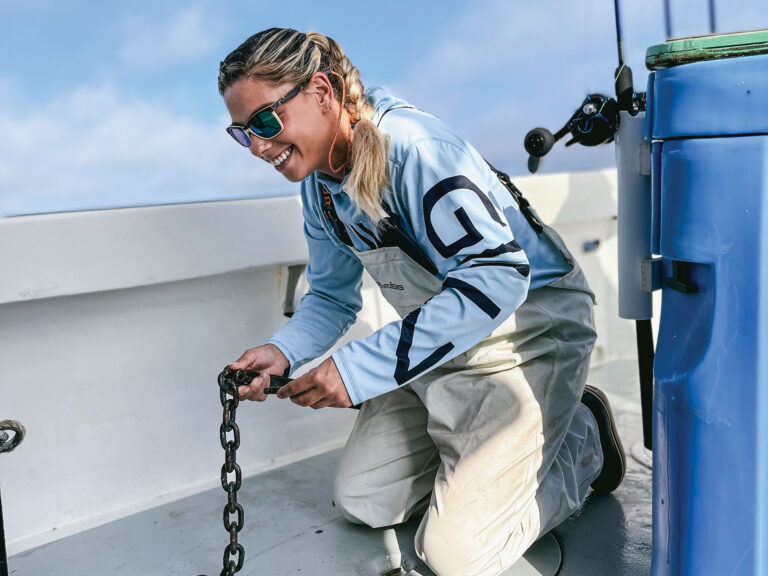 געזונגענע קלאָמבע זאַמז און מאַנגראָוו רעסטאַרירטונג ווערן באשרייבט פון פלאָרידאַס וואַסער-ווייז און גאַסט באַגעגענישן.">

More than 81 million clams and tens of thousands of mangrove seedlings have been moved from nurseries to release sites across Brevard County, requiring coordinated staging on Merritt Island, volunteer transport logistics, and onshore packing at locations such as the Old Fish House Bar & Grill during Project SeaSafe events.
Operational backbone: how restoration logistics work at a glance
Restoration work in the Indian River Lagoon and surrounding waterways depends on a simple supply chain: nurseries cultivate seedlings and juvenile clams, volunteers and staff package and transport them via boats and trucks, and field teams perform timed releases and replanting along eroding shorelines. Partnerships with industry players such as Star brite provide critical materials—buckets, staging pallets, and event support—reducing material procurement time and enabling large-scale deployments.
Key roles and partnerships
Lead practitioners and partners include conservationist Cory Redwine (Merritt Island), clam-restoration lead Blair Wiggins, and researchers like Dr. Todd Osborne from the University of Florida Whitney Lab. Nonprofits such as Sea Redwine Preservation / Team Do Gooder secure habitat parcels for long-term protection and act as legal stewards of acquired sites.
Ecological techniques and measurable outcomes
Restoration focuses on two natural-engineering approaches:
- Mangrove replanting — stabilizes shorelines, reduces erosion, and provides nursery habitat for fish and crustaceans.
- Clam seeding — restores natural filtration capacity, reducing nutrient loads and encouraging seagrass recovery.
Why these methods matter for water quality
Clams can filter large volumes of water daily, lowering turbidity and curbing algal blooms. Replanted mangroves buffer storm surge and trap sediments, improving coastal clarity and resilience. Combined, these interventions help revive seagrass beds and local biodiversity—outcomes that are directly observable by boaters, anglers, and eco-tourists.
Tourism and community engagement: tying conservation to visitor experiences
Improved water clarity and healthier shorelines benefit tourism sectors reliant on clean waterways: recreational boating, sportfishing, kayak and paddleboard rentals, and guided eco-tours. Community restoration days—like Star brite’s Project SeaSafe Clean Water Collective—double as educational experiences that attract volunteers and visitors wanting hands-on conservation.
Volunteer and visitor opportunities
Tourists and locals can participate in events that mix service and sightseeing: guided clam-seeding operations, mangrove-planting excursions, and seagrass monitoring trips. These activities are well suited for travel experiences that emphasize learning and direct involvement.
Typical itinerary for a restoration-focused day trip
| Activity | Gbígbọ́kẹ́lẹ̀ | Visitor takeaway |
|---|---|---|
| Mangrove nursery tour | ഒന്ന് – ഒന്നര മണിക്കൂർ | Seedling care basics and replanting demo |
| Clam release from shore or boat | Àwọn wákàtí 2 | Understanding natural filtration and hands-on release |
| Guided wildlife viewing | 1.5 hours | Spotting fish, birds, and recovering seagrass beds |
Practical tips for travelers who want to help
- Contact local groups in advance to confirm volunteer requirements and safety briefings.
- Bring sun protection and reusable gloves; wear footwear suitable for wet, muddy conditions.
- Ask for a short orientation on why mangrove placement and clam density matter—this turns service into a learning moment.
Events and dates to keep in mind
Star brite’s Project SeaSafe Clean Water Collective is scheduled for April 22–26, 2026 at the Old Fish House Bar & Grill in Grant, Florida—an excellent occasion for anglers, scientists, volunteers, and visitors to take part in measurable restoration work under expert guidance.
Community impact and long-term preservation
Sea Redwine Preservation / Team Do Gooder directs donations to purchase and preserve vulnerable habitat for science, aquaculture, and restoration. Land acquisition and protection reduce the risk of development that would otherwise destroy vital nursery areas and filtration zones.
The restoration story is also a tourism story: healthier habitats support better fishing charters, museum tours with live guides, and eco-adventures that attract responsible travelers. Platforms like GetExperience.com make it simple to find and book such activities—secure payments, voucher confirmations, and tailored requests allow travelers to connect with verified providers and create hands-on itineraries that match their interests.
Highlights: large-scale clam seeding and mangrove replanting are delivering measurable water-quality improvements, habitat restoration, and community engagement across Brevard County. Yet even the most thorough reviews and the most honest feedback can’t replace first-hand involvement. On GetExperience, you book experiences from verified providers at reasonable prices, enabling informed choices without unnecessary expense. Enjoy convenience, affordability, and a wide range of experience options—including tailored tours and volunteer excursions—so you can take part directly in conservation efforts. Book now GetExperience.com
In summary, coordinated logistics for clam seeding and mangrove restoration—supported by volunteers, academic partners, and private brands like Star brite—are restoring water quality, protecting shorelines, and expanding tourism-friendly activities. Travelers interested in adventure activities, eco-friendly wildlife safaris, yacht charters, cruise packages, museum tours with live guides, interactive online cultural workshops, or even beginner esports coaching sessions can find complementary experiences that mix conservation with recreation. Restoration delivers clearer water, richer biodiversity, and better experiences for visitors and residents alike.