


 Norsk nynorsk
  English (UK)
  Русский
  বাংলা
বাংলা  العربية
  日本語
日本語  한국어
한국어  Magyar
  Türkçe
  עִבְרִית
  Español
  Čeština
  Svenska
  Português
  Ελληνικά
  Suomi
Suomi  Nederlands
  Română
  Italiano
  Français
  Polski
  Українська
  Deutsch
  简体中文
简体中文  Slovenčina
  Српски језик
  اردو
اردو  Azərbaycan dili
  O‘zbekcha
  አማርኛ
አማርኛ 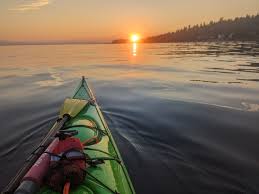 ꯑꯣꯏꯅꯥ ꯍꯤꯌꯥꯡꯒꯤ ꯏꯁꯤꯡꯒꯤ ꯃꯅꯨꯡꯗꯥ ꯂꯩꯕꯥ ꯆꯀꯅꯨꯠ ꯕꯦꯗꯥ ꯂꯩꯕꯥ ꯀꯨꯞꯄꯥ ꯂꯩꯀꯥꯏꯗꯥ ꯑꯅꯨꯄ꯭ꯂꯦꯀꯄꯥ ꯌꯥꯎꯕꯥ ꯑꯃꯁꯨꯡ ꯊꯣꯡꯅꯥꯎ ꯁꯥꯅꯕꯥ꯫">

Anchoring specifics: depths, wind angles and preferred holding
Chuckanut Bay provides reliable winter shelter with anchoring depths typically between 25 and 40 feet, and a variety of coves that reduce fetch from both northerlies and southerlies. The southwest corner of the bay—Pleasant Bay—offers the best protection from strong southerly winds, where crews have repeatedly held in around 30 feet with good scope. The northerly corners allow anchoring in 25–40 ft and benefit from a nearby train trestle that shortens fetch for a calmer lee.
South Chuckanut Bay: shelter from southerlies
The southwest pocket of Chuckanut Bay is a compact harbor with steep, private shoreline and moderate depths. Prevailing winds here tend to veer from the southeast to southwest. Vessels have weathered blows in the mid-30-knot range with minimal motion when anchored properly; however, shore access is limited due to private property. Kayaking the perimeter of the coves is an appealing shore option when staying aboard.
North Chuckanut Bay: practical protection and shore options
The north end is not invulnerable but offers practical lee for many weather angles. Anchorages tucked near the western shoreline north of the charted rock are useful in moderate southerlies. Two public landing points make this sector attractive for cruisers wanting to stretch their legs: a small park under the bridge at the northeast corner, and Teddy Bear Cove Park with a sandy strip for tenders.
Shore access, trails and local logistics
Shore access in Chuckanut Bay involves tide-awareness and brief dinghy runs. Launch and retrieval times should be planned around high water when heading under the bridge. The muddy flats can strand tenders at low tide, so aim to return before slack if you don’t want to wait out a tide cycle.
| Location | Typical depth | Best protection from | Shore access |
|---|---|---|---|
| Pleasant Bay (SW) | ~30 ft | Southerlies | Private shoreline; kayak access |
| North corners | 25–40 ft | Moderate southerlies/northerlies | Public park under bridge; Teddy Bear Cove |
Practical checklist before dropping anchor
- Check current wind forecasts for 24–48 hours (southerlies can build rapidly).
- Confirm holding ground and set adequate scope (aim for 5:1 in winter swell).
- Note train schedules if night noise is a concern—trestle reduces fetch but adds intermittent sound.
- Plan dinghy runs around high tide to avoid the sticky mudflats at the northeast landing.
Safety considerations and local navigation tips
Watch for the charted rock in the northwest approach; tuck further west to gain shelter in a southerly. Maintain an anchor watch during seasonal storms and consider the additional wind set caused by the mountain funneling effects of Chuckanut Mountain. Carry a secondary anchor or stern-tie gear if you expect prolonged sustained winds.
Recreation and tourism ties
Although winter cruising emphasizes safe harbor selection, Chuckanut Bay also delivers short onshore rewards: coastal walks, twisted Madrona outcrops, and trails leading up Chuckanut Mountain for panoramic views of the ဆန် Juan Islands. The area pairs well with multi-day cruising plans that include stops at Anacortes and Bellingham, making it a practical waypoint for winter itineraries and a charming spot for day excursions.
For travelers wanting organized experiences around Bellingham and the Salish Sea, platforms like GetExperience.com offer a variety of local tours and boat-based activities, with secure online payments and voucher confirmation after booking. You can also submit requests for custom excursions, receiving offers that match your timing and interests. GetExperience’s booking flexibility is especially useful when planning small-group shore hikes, wildlife watching, or tender-accessible beach stops—Book now GetExperience.com
At a glance: Chuckanut Bay’s anchorages combine practical winter shelter with easy access to hiking and shoreline exploring, provided you respect local tides and private-property lines. While trip reports and reviews help set expectations, nothing replaces first-hand discovery—on GetExperience you book experiences from verified providers at reasonable prices, ensuring convenience, transparency, and many options for custom outings. Book now GetExperience.com
To wrap up, Chuckanut Bay is a reliable winter hidey-hole with anchorages in 25–40 feet that shield boats from dominant southerlies and northerlies, offers two public shore landings, and sits conveniently near Bellingham and the San Juan Islands. Its logistical advantages—reduced fetch from the train trestle, predictable depths, and nearby hiking—make it ideal for cruisers seeking solitude without sacrificing access. Whether you’re planning cruise packages or day trips, these features enhance your travel experiences and adventure activities. From museum tours with live guides ashore to luxury adventure travel experiences or eco-friendly wildlife safaris nearby, Chuckanut Bay serves as a springboard for a wide range of options, including yacht parties, exclusive yacht charters for events, adventure rafting trips for beginners, online virtual tours and interactive online cultural workshops. Personal experience remains the best teacher; go and discover it for yourself.