


 English (UK)
  Русский
  বাংলা
বাংলা  العربية
  日本語
日本語  한국어
한국어  Magyar
  Norsk nynorsk
  Türkçe
  עִבְרִית
  Español
  Čeština
  Svenska
  Português
  Ελληνικά
  Suomi
Suomi  Nederlands
  Română
  Italiano
  Français
  Polski
  Українська
  Deutsch
  简体中文
简体中文  Slovenčina
  Српски језик
  اردو
اردو  Azərbaycan dili
  O‘zbekcha
  አማርኛ
አማርኛ 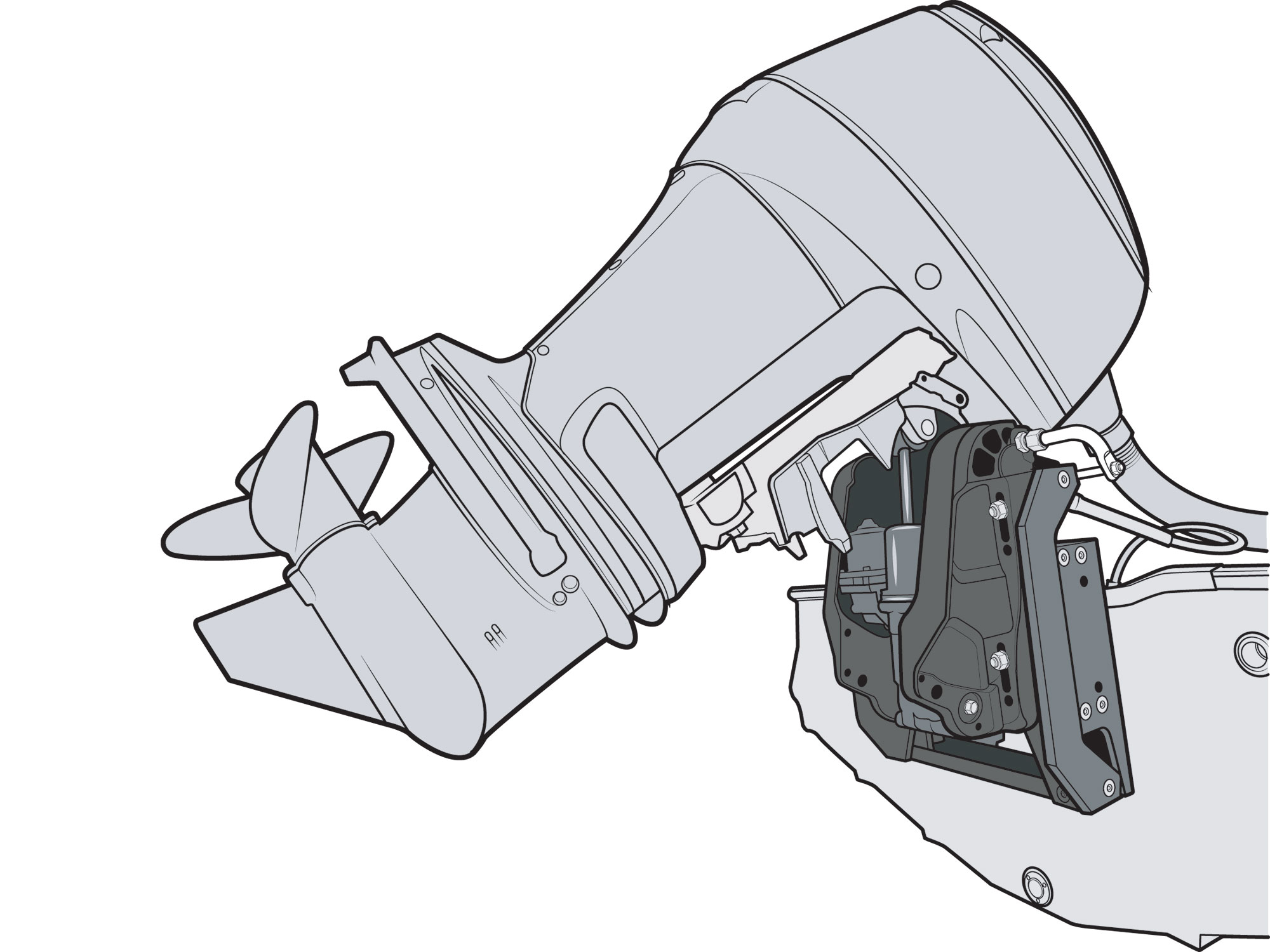

The Dometic SeaStar Xtreme JP5040X jack plate used here offers a 4-inch setback and is rated for outboards up to 300 hp, with an integrated hydraulic actuator that removes the need for separate pumps and hoses—an important logistics benefit when retrofitting on trailers or in tight marina service bays.
Key specifications at a glance
| Model | Setback | Max HP | Hydraulic |
|---|---|---|---|
| Dometic SeaStar Xtreme JP5040X | 4 in | 300 hp | Integrated |
Tools and supplies
- Dometic Xtreme jack-plate model JP5040X (rated 300 hp)
- Manufacturer-approved outboard mounting hardware
- Blue Sea System 0.44-inch cable gland (to seal relay harness)
- Marine sealant suitable for below the waterline
- Socket set, box/open-end wrenches, torque wrench
- Crimping tool, drill and bits, Phillips screwdriver
- Small stainless-steel self-tapping screws, zip ties and mounts
- Shop rags and a lifting device (hydraulic floor crane recommended)
Remove the outboard
Use a lifting device rated for at least one ton to deinstall the motor. Remove the outboard hood, tilt the engine to vertical, and secure a heavy-duty hook and chain to the manufacturer’s lifting eye. Take up slack before removing mounting bolts so the engine doesn’t drop or bind—safety first. Once bolts are free, roll the crane and outboard away from the transom and set the motor on a stable cradle.
Bolt it up
Xtreme models align with standard outboard bolt patterns. Before mounting, insert the engine-side mounting bolts through the jack plate with threads facing aft. From inside the transom, pass approved bolts through the transom and the jack plate holes. Use fender washers or backing plates under bolt heads and bed the mating surfaces with marine sealant to maintain a watertight installation.
Fastening and torque
Use thick 1/2-inch stainless-steel washers under brass locknuts and torque to specifications provided by the outboard manufacturer. Tightening often requires two people to keep the plate and engine aligned. After torquing, wipe away excess sealant so wiring and steering components remain clear.
Jack plate clearance check
Start with the jack plate in its lowest position. Verify full steering range with the outboard centered. Then tilt the engine up slowly to confirm there is no interference between the jack plate and steering cylinder, hoses, tiebars, or other transom-mounted components. Clearance checks prevent damage during operation and are essential before first launch.
Run the relay harness
Mount the relay harness in a dry location using the bracket holes, and seal the transom penetration with a cable gland. Attach the red cable (with circuit breaker) to the positive starting-battery post and the black cable to the negative post. Route the actuator plug and switch leads through the transom; support all wiring with zip ties and mounts to avoid chafe.
Install the switch
JP5040X systems include a momentary two-way rocker switch. Cut a rectangular opening in the dash sized for the switch, pull the switch leads through, and crimp spade connectors to the wires. Temporarily operate the jack plate before seating the switch to confirm motion directions match the switch markings. Optional: consider the Pro-Trim control for fingertip operation while keeping both hands on the wheel.
Reinstall the motor
Lift the motor back into position, align with the jack plate holes, and insert the mounting bolts. You may need to wiggle the engine or adjust the crane to align all bolts. Use the same thick stainless washers and brass locknuts; torque to spec. Test jack plate operation while the boat is still on the trailer, and repeat clearance checks described above.
Installation tips and common pitfalls
- Always review the Dometic manual before starting; integrated hydraulics simplify routing but do not eliminate recommended safety checks.
- Confirm bolt lengths and grade meet the outboard manufacturer’s requirements.
- Support wiring to prevent pinch points and protect against saltwater corrosion.
The ability to raise the lower unit helps in shallow-water fishing, increases top-end speed by reducing drag, and—thanks to setback—places the prop in cleaner water for improved thrust. These performance gains can translate directly into better boat-based travel experiences for visitors and operators offering charters, yacht parties, or shallow-water eco excursions.
Highlights: installing a jack plate such as the Dometic SeaStar Xtreme can improve shallow-water access, boost speed, and optimize prop thrust while requiring careful torque, sealing, and wiring work. Even the best reviews and the most honest feedback can’t replace personal experience. On GetExperience, you book your experience from verified providers at reasonable prices. This empowers you to make the most informed decision without unnecessary expenses or disappointments. Benefit from convenience, affordability, and a wide range of options when looking for boat tours, yacht charters, or coastal excursions—Book your Trip GetExperience.com
Wrap-up: Proper jack plate installation combines correct hardware, sealed fastenings, supported wiring, and thorough clearance checks to ensure safe, reliable performance. Whether you’re preparing a boat for cruise packages, eco-friendly wildlife safaris, museum tours with live guides aboard, exclusive yacht charters for events, or small-group adventure rafting trips for beginners, attention to these details enhances every travel experience. From luxury adventure travel experiences to interactive online cultural workshops and even beginner esports coaching sessions framed as on-deck entertainment, the right setup keeps vessels ready for diverse adventure activities and travel experiences.