


 한국어
한국어  English (UK)
  Русский
  বাংলা
বাংলা  العربية
  日本語
日本語  Magyar
  Norsk nynorsk
  Türkçe
  עִבְרִית
  Español
  Čeština
  Svenska
  Português
  Ελληνικά
  Suomi
Suomi  Nederlands
  Română
  Italiano
  Français
  Polski
  Українська
  Deutsch
  简体中文
简体中文  Slovenčina
  Српски језик
  اردو
اردو  Azərbaycan dili
  O‘zbekcha
  አማርኛ
አማርኛ 
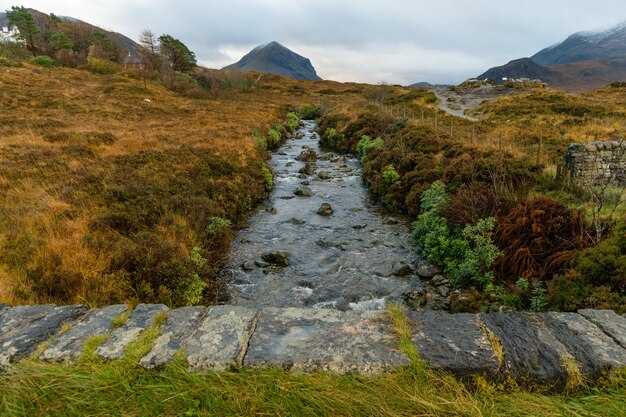
Begin with knocknarea. This tall limestone dome near Sligo town rewards you with a 2–3 hour hike and a sweeping panorama. The climb is steady, the cairn at the summit offers a satisfying finish, and the paths fill the frame with sea, fields, and distant coast.
Next, the dingle coast delivers rugged climbs and wild Atlantic scenery. Hikes run from roughly 7–12 km, with spots where sea caves peek from the cliff base and waves crash along the rock shelves. The trails on dingle reward those who keep a steady pace, pack layers, and linger for photos at the edge of the 세계.
In the southeast, patrick features in local lore along the route near waterford, adding a touch of story to the hike. The approximately 8–11 km loop links forest paths and exposed meadows between hills and rivers, offering generous lookouts where you can fill your camera with coastlines and green fields. Youve got choices here to keep the trip light yet memorable, with times to pause for tea or photos as you please.
In Wicklow, Glendalough and surrounding ridges present shorter but fulfilling climbs. The hike winds through pine and birch, with rocky outcrops locals call hags that frame shots of loughs and valley depths. Expect well-marked paths, a steady ascent, and moments to linger for water and wind-swept views.
Plan ahead and check forecasts, especially for coastal options. The best times to hike are early morning or late afternoon when light softens the sea and fields. If youve got a day, pair a mountain stretch with a shoreline stroll to maximize spots for views and wildlife, and carry a map you can use offline in case signal drops.
Trail Details: Distances, Elevations, and Estimated Time for Each Route
Start with Slieve Donard in the Mournes for a solid introduction to your itineraries and stunning views. Distance: 11–12 km; Elevation: 730–750 m; Estimated time: 4–5 hours. The route follows a steady ascent from Donard Park to the summit, with a well-marked path and rocky sections near the top. This loop totals about 750 m of ascent; you can return the same way or add a woodland spur for variety. Driving to Newcastle is straightforward, and you’ll find villages along the approach roads; this route is a classic to put your stories into motion and to show why the Mournes are listed among Ireland’s best routes. Another option is to combine this with a short detour to nearby hills for a longer day, if your group seeks more challenge.
Next, Slieve Binnian via Hen and Chickens in the Mournes offers more dramatic scenery. Distance: 12–14 km; Elevation: 780–820 m; Estimated time: 5–6 hours. The route follows a high ridge, with dramatic cliff views over the southern Mournes and a rugged pass known to locals as the Hen and Chickens route. This one follows a tested track and has a total ascent around 800 m; start from a car park near Binnian and carry waterproofs for exposed sections. The outing is a favourite among those following longer itineraries and, along the way, you’ll pass through small villages where hikers swap stories about done days and routes others have tackled.
In Connemara, the benlettery circuit reveals a quieter gem. Distance: 9–11 km; Elevation: 550–600 m; Estimated time: 3–4.5 hours. The loop climbs grassy slopes to the benlettery summit and returns via stone-walled tracks, with views over the Twelve Bens and rivers below. Total ascent sits around 600 m; use a map in mist and plan a relaxed pace. Start near Lettermore, a true home base for exploring the western coast, where you can check weather and wind before the climb. This route is listed in several local guides as a standout for those seeking a less touristy part of the west coast.
The Cliffs of Moher Coastal Trail, County Clare, frames one of Ireland’s most iconic clifflines. Distance: 14–16 km; Elevation: 300–450 m; Estimated time: 4–5.5 hours. The route runs along the cliff edge with several lookout points toward Doolin and the Atlantic, so check wind, rain, and daylight. The total ascent is moderate, and parts of the path are exposed; a steady pace keeps the route comfortable. Driving from Galway City, head west along the coast to the Cliffs of Moher, where the scenery delivers stunning, camera-ready moments that are often featured in itineraries and stories about Ireland’s west coast. If you extend your day, you can add a visit to nearby villages along the broader coast, with your total experience growing beyond the listed distance.
Finally, the Spinc Loop in Wicklow offers a classic Dublin-area day hike. Distance: 7–9 km; Elevation: 420–520 m; Estimated time: 3–4 hours. The climb to Spinc follows a well-marked track above Glendalough’s lakes and returns along a lower trail, with views over the valley and the Wicklow Gap. Total ascent sits around 500 m; check weather and daylight, and plan parking in Laragh or at Glendalough. This route is a solid option that many city-dwellers have done, and it pairs well with other Wicklow options or a drive south to explore Wexford’s coast paths for another set of stunning scenery and villages along the way. Your day can flow from one part of the coast to another, following a mix of routes that fit your energy and time.
Mount Brandon Kerry: Route Options, Difficulty, and Key Waypoints
Begin at the Brandon village car park for the most direct ascent along the North Ridge. thats the quickest path to reach the height of about 950 m, with a divided progression: the beginning grassy slopes, a rocky mid-section, and the final scrambling across exposed ledges. The route is laid out in three stages, and its magnificent views unfold to the north. Many hikers have walked this route, and you’ll likely want to pause for photos. If the wind picks up, use the Foye Wood route for a sheltered escape through woodland to a saddle. This ireland hike offers a different perspective compared with the classic path. For a lighter option, bring pizza and spare layers; coming back, the road network near carrowteige provides a straightforward return if visibility holds. Another option exists via carrowteige for those who want a longer approach. You can test yourself on the final scrambling and enjoy the whole coastline scenery while you reflect on historical glimpses along the way.
Route Options
- North Ridge from Brandon village car park – Classic route, 8–9 km round trip, 800–900 m ascent, typically 3–4 hours. The lower slope is grassy, then the ascent tightens with rocky sections; the final scrambling to the summit sits on exposed ledges. The route is divided into three stages and laid out for a steady cadence; you’ll find several standing cairns along the way. Parking is easy from the village road, and the whole ascent rewards with magnificent views to the north. If winds rise, shorten the route by descending via the saddle. Bring water, a compact energy snack (pizza works well), and a map so you can reach the high ground confidently.
- Foye Wood to Saddle – Starts with a woodland approach through Foye Wood, then climbs to a saddle below the peak. Distance 9–11 km, 700–850 m ascent, 3–4.5 hours. Quieter and sheltered, with occasional faint paths that require careful footing; offers historical glimpses in places and a calmer pace for those coming back after rain. This route provides an escape from the main crowds and a passage through varied terrain into open moorland.
- Coastal-Linked Carrowteige approach – Begins near carrowteige road, follows coastward tracks into inland uplands, then climbs to the summit. Distances 11–14 km, 900–1000 m ascent, 4.5–6 hours. Expect several exposed sections and panoramic views that justify the extra effort. This option is well suited for clear-weather days when visibility is excellent; it also offers chances to photograph the whole coastline and exposes hikers to the sea breeze. Be prepared for a longer descent along the road back toward the village.
주요 경유지
- Brandon Village Car Park – starting point for the North Ridge and a common access point from the road.
- Foye Wood Gate – entry to the woodland approach; marked tracks lead into pine and birch stands.
- Woodland-to-Moorland Passage – where timber thins and the ground opens to moor, with cairns guiding the way.
- The Saddle (Col) below the final summit – major turning point for any route; from here the final push becomes exposed and may require scrambling.
- Summit of Mount Brandon – magnificent panorama of ireland’s rugged coast; note wind exposure and return route options.
- Carrowteige Road Crossing – descent or return leg for coastal circuits; makes a practical link back to the road network.
Iconic Vistas: Prime Viewpoints and Photo Opportunities on Each Trail
Begin at dromineer and climb the hill above the lake for the first frame–these early shots set the tone with calm water, distant ridges, and a sense of irelands untamed wilderness. These five hikes offer standout vistas where you can wander, pause, and capture images that tell a story beyond the guidebook.
Across these routes, plan for a handful of angles: low-perspective rock outcrops, elevated overlooks, and silhouettes of walkers against dramatic skies. Local walkers and couples often catch candid moments, so keep your camera ready as you pass traditional lanes, parks, and ridge edges ahead of crowded viewpoints.
| 트레일 | Iconic Viewpoint | Best Photo Angle | Practical Tip |
|---|---|---|---|
| Dromineer Loop | Lough Derg shoreline from the hill above Dromineer village, with reed beds and a calm surface | Low-angle shot along the shoreline to exaggerate the lake’s width; include a boat or mast for scale | Wear sturdy shoes; a small tripod helps in dawn light; bring a windproof layer |
| Gap of Dunloe Traverse | Ridge above the Gap of Dunloe, facing the purple-valley gorge and distant peaks | Stand on a cairn near the saddle and frame the valley ahead with the ridge lines converging | Prepare for uphill sections and longer day; keep a safe distance from edges; use a telephoto to compress depth |
| Cliffs of Moher Coastal Walk | Sea stacks and dramatic cliffs, with the Atlantic sweeping to the horizon; occasional sea caves along the base | Vertical panoramas from above the cliff edge; a medium-wide lens works well for sea stacks | Respect safety boundaries; avoid crowded moments at peak times; bring a rain cover and spare batteries |
| Howth Cliff Path | Baily Lighthouse and harbour views across Dublin Bay, with rugged coastline and rock shelves | Leading lines along the cliff path toward the lighthouse; a silhouette shot near sunset works well | Watch the wind; pack a compact tripod; a quick pose with a companion adds mass to the frame |
| Wicklow Way (Glendalough to Powerscourt vicinity) | Upper Lake overlook over pine slopes and glacial valleys; monastic ruins peeking through trees | Wide shot that includes both lake and valley; switch to a tighter frame to isolate ancient stonework | Start early to catch mist; layer up; a polarizer helps reduce glare on water surfaces |
These frames connect traditional coastal shoots with inland panoramas–kinsale hill, carlow parks, and other rolling hills–giving you options for wide vistas and intimate moments. Locals often pause at the ridge to pose, so be ready to capture candid interactions; ahead of the main crowds, you can secure cleaner compositions. If you’re building a small gallery, mix shots from the largest cliff faces with quieter reflections from dromineer and Clew caves in nearby regions; the contrast will amplify the sense of irelands diverse outdoor heritage. Prepare for uphill sections and weather shifts, and you’ll return with a compact set of shots that tells a complete story.
Practical Access: Trailhead Parking, Access Roads, and Public Transport
Park in the carpark closest to the trailhead; it finishes the back-and-forth and speeds your post-hike routine by staying put here. From this point, you can start the route with a short trip along a clearly marked access road. A local patrick shares short stories about the best viewing spots along the highlights; theyre tips are popular with long-time hikers.
Parking and carparks
In peak seasons, the largest carpark near popular starts fills early; on weekends, flocks of hikers arrive from places like Wexford, Shannon, and beyond, so plan to arrive before sunrise if you want a space. Signage points to the official route and tells you how to access the road network, reducing time spent wandering. If a space is full, move to the next nearby carpark rather than stopping on a shoulder, which helps keep traffic moving. Some trailheads charge a fare for parking after a certain time, so check the posted details at the gate.
Access roads and public transport
Access roads are usually well maintained but narrow in places; drive slowly and yield to walkers at crossings. The shortest approach leads you to the carpark, then onto the start with minimal detours. Height changes on the route are part of the experience and you’ll see highlights shortly after the climb begins. Where public transport exists, rail or bus links connect towns that serve as launch points for the hikes; from the capital city, schedules align reasonably well with weekend trips. In regions such as Wexford or Shannon, services may run on specific days with a fare that’s reasonably priced. If you prefer a full day, you can combine a hike with a coastal activity or boat trip and still head back to your base by evening.
Seasonal Planning: Weather, Clothing, and Safety for Ireland’s Hikes
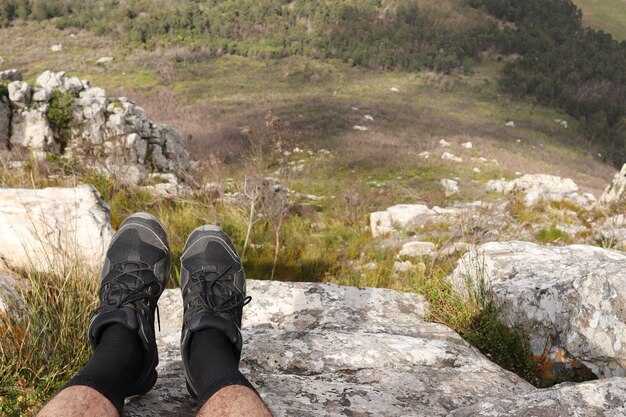
Always pack a waterproof shell with a hood and a warm mid-layer, plus a quick-drying base layer, and plan for enough daylight to finish a looped trip before dusk. For climbs on Binnian or Legnabrocky, carry a 20-30L daypack, 2-3L of water per person, energy-rich snacks, a headlamp with spare batteries, a map and compass, and a whistle. Irish weather shifts quickly: spring and autumn bring 5-12°C with showers; summer tops out around 15-20°C but wind on exposed ridges can feel cooler; winter delivers 0-7°C with sleet or snow on the mountain tops. Start before 9 am in winter and aim to complete a looped route, preferably with a cushion of time, to avoid fading light on climbs near streams or along coastal sections with a lighthouse. If your plan runs through towns like Kinnitty or along the Shannon corridor, you may combine a hill ascent with a stroll through parks, but have a backup option in case visibility drops or trails become slick. Some sections near towns are paved, but the majority of terrain remains uneven and soggy, so bring proper grip and dry socks–you’ll thank yourself when the wind sucks warmth from exposed skin and you still have enough protection.
What to pack
Base layers and a breathable shell form the core. A handful of items make the difference: extra gloves, a hat, and a light down layer; sturdy hiking boots with good grip; waterproof pack cover to guard gear on wet days; 2-3L water plus a compact snack supply; a waterproof map case, compass, and whistle; headlamp with spare batteries; sunscreen and lip balm; a small first-aid kit with blister tape; an emergency blanket; and a simple repair kit (duct tape, zip ties). For coastal or river sections near a town with a lighthouse, consider a dry bag for electronics and a spare pair of socks. If you plan a traditional looped ascent through Binnian or Legnabrocky in winter, include microspikes or crampons and trekking poles for stability. Take into account that some trips take longer than expected, so if forecasts shift you can adjust on the go without compromising safety.
Seasonal risks and safety
Weather can change during the day: wind on exposed hills often exceeds 40-60 km/h, with chill that cuts into comfort. Before departure, review the forecast and daylight hours; in winter you may have about 8-9 hours of usable light, while midsummer grants 15+ hours. Stream crossings become risky after heavy rain; if a stream swells, backtrack to a bridge rather than risk a slip. If you lose the trail, stop, orient with your map, head toward a known feature, and retrace your steps to the last marked point. Share your route with someone in town, and keep a charged phone with offline maps in case coverage fades on higher climbs like Torc or along ridges near the Shannon estuary. Sunday hikes in popular parks can draw a handful of fellow hikers; adjust pace accordingly and respect other walkers. A researched plan, especially for routes through the Mourne foothills or along coastal paths, makes a big difference: you probably gain enough confidence to handle a day that takes you from a seaside headland to a hillside overlook.