


 日本語
日本語  English (UK)
  Русский
  বাংলা
বাংলা  العربية
  한국어
한국어  Magyar
  Norsk nynorsk
  Türkçe
  עִבְרִית
  Español
  Čeština
  Svenska
  Português
  Ελληνικά
  Suomi
Suomi  Nederlands
  Română
  Italiano
  Français
  Polski
  Українська
  Deutsch
  简体中文
简体中文  Slovenčina
  Српски језик
  اردو
اردو  Azərbaycan dili
  O‘zbekcha
  አማርኛ
አማርኛ 
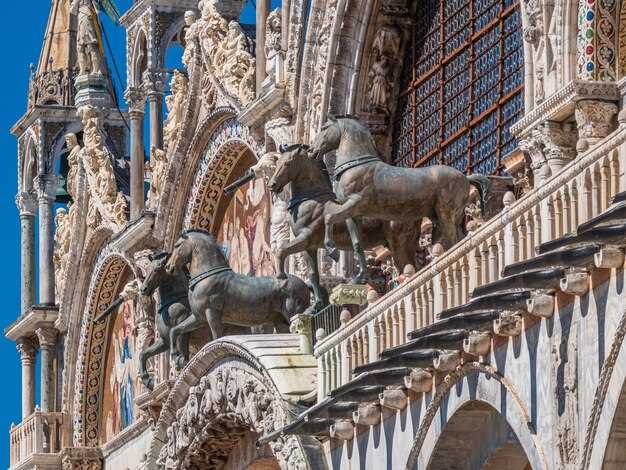
As one of the most extraordinary landmarks in Italy, the Milan Cathedral, or Duomo di Milano, stands proudly in the heart of the city, drawing thousands of visitors each year. This breathtaking masterpiece of Gothic architecture is an impressive blend of artistry and history, with intricately carved marble facades and soaring spires that seem to reach for the heavens. To truly appreciate the beauty of this stunning building, one must step inside and explore the intricacies of its vast interior, where the play of light through stained glass windows creates a truly mesmerizing atmosphere.
Visitors to the cathedral often marvel at the countless details that adorn its exterior, including captivating statues of saints, dramatic gargoyles, and the iconic Madonnina, a golden statue of the Virgin Mary perched atop the apex of the roof. The structure is not just an architectural wonder but also a place steeped in religious significance, having served as a spiritual hub for the faithful and a site for grand ceremonies over the centuries. It is no wonder that this Gothic marvel is often cited as a symbol of the city, attracting both tourists and locals alike to its magnificent presence.
For those wishing to delve deeper into the history of the Milan Cathedral, there is a wealth of information available on various websites. From the construction that began in 1386 to the elaborate decorations that adorn its nave, understanding the cathedral’s rich legacy enhances the experience for every visitor. Whether you plan to climb to the roof for panoramic views of the city or simply want to appreciate the artistry that lies within, the Milan Cathedral promises an unforgettable journey through time, art, and spirituality.
Understanding the Architectural Wonders of Milan Cathedral

The Milan Cathedral, or Duomo di Milano, stands as a monumental source of Italy’s architectural legacy. This iconic landmark is celebrated for its magnificent exterior and intricate interior, showcasing a blend of different styles that have evolved over centuries. When one wants to explore the marvels of the cathedral, the first element that catches the eye is its stunning façade, adorned with countless statues and intricate marble carvings that depict various religious figures and stories.
Among the most notable features is the statue of Madonnina, positioned atop the highest spire of the cathedral. This sculpture is not only a symbol of the city but also exemplifies the artistic brilliance that defines the Milan Cathedral. The spires, rising gracefully into the sky, highlight the Gothic architectural style that makes this cathedral one of the most remarkable in the world.
Inside the cathedral, visitors can appreciate the grand interiors marked by artistic workmanship–from its stained glass windows to the lavish chapels. Each chapel serves as a testament to the reverence and dedication of Italian craftsmen throughout history. The play of light filtering through the stained glass creates a pleasant ambiance, inviting visitors to meditate on their spiritual journey.
The cathedral’s roof offers yet another perspective on its architectural splendor. When one ascends to the rooftop, they are greeted by breathtaking views of Milan and a close encounter with the numerous spires and statues. This unique vantage point allows everyone to contemplate the labor that went into creating this masterpiece, reinforcing its status as a sacred site worthy of admiration.
Furthermore, the Duomo serves as a reminder of the enduring legacy of Christianity in Italy. In a world where many architectural wonders exist, the Milan Cathedral remains a significant representation of religious devotion and artistic expression. The intricate details, from the sculpture-laden façades to the serene interior chapels, make it evident that this cathedral is not merely a building but a profound statement of faith and creativity.
As visitors explore the cathedral, they may find themselves lost in the time-honored stories that each sculpture tells, creating a rich tapestry of history and artistry. Milan Cathedral, with its unique blend of styles and artistic heritage, continues to inspire awe and reverence in everyone who steps through its hallowed doors.
Gothic Elements and Their Significance
The Milan Cathedral, or Duomo di Milano, is a remarkable example of Gothic architecture, showcasing a series of stunning elements that contribute to its grandiosity. One of the key features is the intricate spires that adorn the roof, reaching towards the heavens and symbolizing the connection between the earthly and the divine. Built from pink-grey Italian marble, the cathedral’s façade presents a dynamic play of light and shadow, enhancing its ethereal beauty. The significance of these materials lays in their durability and the historical context of their use, which reflects the wealth and craftsmanship of the era.
Another fascinating aspect is the stunning stained glass windows, which tell stories of saints and biblical events, serving as a visual narrative for visitors and worshippers alike. These windows not only adorn the walls but also illuminate the interior with a kaleidoscope of colors, creating an inspiring atmosphere for contemplation and prayer.
Inside the cathedral, one can find the baptistery, a space dedicated to the sacrament of baptism, emphasizing the spiritual importance of the building as a cultic monument. The history of the cathedral’s construction spans several epochs, showcasing the evolution of architectural styles and techniques over the centuries. Each section of the cathedral reflects a unique phase of its development, providing an interesting exploration for art and architecture enthusiasts.
The towering dome serves as a focal point of the cathedral, representing the heavenly realm. It is also a masterpiece of engineering, allowing for expansive interior space while maintaining structural integrity. Visitors often look forward to the viewing platform, which offers a breathtaking panoramic view of Milan and its surroundings, allowing for introspective moments above the city’s hustle.
The significance of the Milan Cathedral extends beyond its architectural marvels; it also embodies the spirit of the city. It stands as a symbol of resilience and artistry, drawing millions from around the world. Whether you are participating in a liturgical service or simply touring its magnificent halls, the cathedral, with its rich history and breathtaking designs, continues to inspire awe and reverence among all who encounter it.
In conclusion, the Gothic elements of the Milan Cathedral not only demonstrate architectural innovation but also serve a deeper purpose, providing a space for worship, reflection, and connection with both the divine and the community. This iconic landmark is a testament to the ongoing legacy of artistry and devotion in the heart of Italy.
The Façade and Its Intricate Details
The façade of the Milan Cathedral is a magnificent representation of Gothic architecture, embodying centuries of artistic and architectural evolution. Its construction began in the 14th century and continued for several hundred years, with numerous architects contributing to its design.
This iconic landmark is characterized by a series of towering spires, one of which culminates in the famous statue of the Madonnina. This golden figure of the Virgin Mary stands at a height of 108.5 meters, making it a significant symbol of the city and a critical point of interest for both tourists and locals alike.
The façade is adorned with thousands of intricate sculptures and details that depict various biblical scenes and historical figures. These artistic elements were created to tell stories, allowing visitors, including children, to understand the religious significance of the church. The precision with which each statue and relief is crafted speaks to the skill and dedication of the architects and artisans who worked on this masterpiece.
- Address: The Cathedral is conveniently located in Milan’s central square, making it easily accessible for excursions.
- Height: The spires are designed to draw the eye upwards, symbolizing the reach towards the divine.
- Architectural Heritage: The cathedral is not only a church but also a museum, housing numerous artworks and historical artifacts.
- Terraces: Visitors can access the terraces to gain a unique perspective of the city and view the intricate details of the façade from above.
- Stained Glass: The stained glass windows are another notable feature, depicting scenes from the life of Christ and important saints, adding to the cathedral’s spiritual atmosphere.
As you explore the façade, take a moment to admire the beautiful apses that encircle the building, expressing both grandeur and sanctity. The interplay of light and shadow on the stonework creates a captivating sight, particularly in the afternoon when the sun highlights the details of the sculptures.
In conclusion, the façade of Milan Cathedral is not just a structure; it is a testament to the city’s history, artistry, and faith, inviting people from around the world to discover its marvels and appreciate its importance in the cultural landscape of Milan.
Statues and Spires: A Closer Look
The Milan Cathedral, or ミラノ大聖堂, stands as a magnificent example of Italian Gothic architecture, showcasing an array of sculptures and spires that capture the imagination of all who visit. The cathedral’s construction, which spanned nearly six centuries, resulted in a breathtaking array of more than 3,400 statues adorning its façade, each telling a unique story or representing various biblical figures. Tourists can spend hours exploring these meticulously crafted figures that not only enhance the beauty of the temple but also serve as a testament to the 建築的な ingenuity of the craftsmen involved.
について 尖塔 that rise from the cathedral’s roof are among the most striking features of the structure, with the highest spire reaching an impressive height of 108.5 meters. These towering pillars create a verticality that draws the eye upward, symbolizing a connection between heaven and earth. The central spire is crowned by the famous golden statue of the Virgin Mary, known as the マドンニーナ, which is a revered symbol for the people of Milan. Since its installation, the マドンニーナ has been an important cultural landmark, serving as a guiding figure for the city.
As you gaze at the cathedral’s 屋根, you can see the intricate colonnades and flying buttresses that not only add to the overall aesthetic but also serve an essential structural purpose. The white-pink marble, sourced from the nearby quarries, elevates the elegance of the cathedral, allowing it to shimmer under the sunlight, further captivating visitors. The 美術館 offers an incredible opportunity for guests to admire the ステンドグラス (stained glass windows) and painted artworks that embellish the interior, enriching the experience of those wanting to appreciate the full magnificence of this cultural jewel.
During Christmas, the 広場 surrounding the cathedral transforms into a festive zone filled with lights and seasonal decorations, attracting both locals and tourists alike. The significance of the cathedral grows during this time, as many come to pay homage and celebrate the religious history entwined within its walls. However, it is not just the religious aspect that draws tourists; the ドゥオーモ also serves as a prime example of 考古学的な significance, showcasing layers of history that date back to its inception in the late 14th century.
In conclusion, the statues and spires of the Milan Cathedral not only embellish the structure but also tell stories that reflect the cultural and architectural heritage of Milan. Whether you choose to admire them from the ground or venture atop the cathedral’s roof for a panoramic view, they truly enrich your visit to this iconic landmark.
Visiting the Milan Cathedral: Practical Information
ミラノ大聖堂は、イタリア・ゴシック建築の素晴らしい例であり、ミラノの中心部、ドゥオーモ広場に位置しています。完成以来、大聖堂はミラノの重要なシンボルとして存在し、毎年何百万人もの観光客を魅了しています。建設には数世紀を費やし、様々な様式と建築技術の目覚ましい発展を示しています。.
見学者はガイド付きツアーに参加して、数百もの彫像と複雑なディテールで飾られた大聖堂のファサードの複雑さを探求できます。ツアーは通常約2時間で、息を呑むようなステンドグラスの窓や内部の巨大な祭壇を鑑賞するのに十分な時間があります。この没入型の体験は、大聖堂の豊かな歴史と意義について参加者が深く考えるきっかけにもなります。.
他にない視点を得るには、ぜひ屋上へお上がりください。屋上からは街のパノラマビューを一望でき、精巧な大理石の尖塔を間近にご覧いただけます。まさに、誰もが新たな高さから建築の驚異を堪能できる特別な体験です。.
大聖堂へのアクセスは通常容易で、チケットはオンラインまたは入口で購入できます。近くには博物館もあり、大聖堂の歴史や、その壁の中に祀られている聖人たちの殉教の物語に関連する貴重な展示品が展示されています。.
営業時間は変動する可能性があり、特に祝日や大きなイベントの後などは事前に確認することをお勧めします。観光客が多い時期は、混雑を避けるために早めに到着するように計画してください。一年を通して、ミラノ大聖堂はあらゆる観光客にとって忘れられない場所であり、豊かな歴史と比類のない美しさに満ちた思い出に残る体験を保証します。.
営業時間とおすすめの訪問時間
ゴシック建築の驚異、ミラノ大聖堂は年間を通して訪問者を歓迎しています。息をのむような外観と、見事なステンドグラスの窓や数世紀に遡る歴史が特徴的な素晴らしい内観を十分に堪能するには、営業時間を確認して訪問を計画することをお勧めします。.
開館時間は変動する可能性がありますが、通常、大聖堂は午前9時00分に開館し、午後7時00分に閉館します。ただし、クリスマスなどの宗教行事の期間中は、開館時間が変更になる場合があります。詳細は以下のスケジュールをご覧ください。
| 日 | 営業時間 |
|---|---|
| 月曜日から金曜日 | 午前9時~午後7時 |
| 土曜日 | 午前9時~午後7時 |
| 日曜日 | 午前9時~午後7時 |
| 国民の祝日 | 変動あり – 公式サイトをご確認ください |
訪れるのに最適な時間は、早朝または午後の遅い時間帯です。特に平日は人が少ないのでおすすめです。これにより、大聖堂の静けさを楽しみ、邪魔されることなくその歴史的重要性にどっぷりと浸ることができます。街の壮大な景色と象徴的な尖塔を望むテラスも、これらの時間帯は比較的混雑が少ないでしょう。.
より深く探求したい方は、開場直後や閉場1時間前にエレベーターでテラスへ行くことを検討してください。ジュゼッペ大司教のリーダーシップの下に設立されたミラノ大聖堂の建築の細部や壮大な景色を、より静かな環境で堪能できます。.
いつ訪れても、ミラノ大聖堂は忘れられない体験を約束し、宗教建築の豊かな歴史を垣間見るとともに、常に畏敬の念を抱かせる場所となるでしょう。.