


 አማርኛ
አማርኛ  English (UK)
  Русский
  বাংলা
বাংলা  العربية
  日本語
日本語  한국어
한국어  Magyar
  Norsk nynorsk
  Türkçe
  עִבְרִית
  Español
  Čeština
  Svenska
  Português
  Ελληνικά
  Suomi
Suomi  Nederlands
  Română
  Italiano
  Français
  Polski
  Українська
  Deutsch
  简体中文
简体中文  Slovenčina
  Српски језик
  اردو
اردو  Azərbaycan dili
  O‘zbekcha
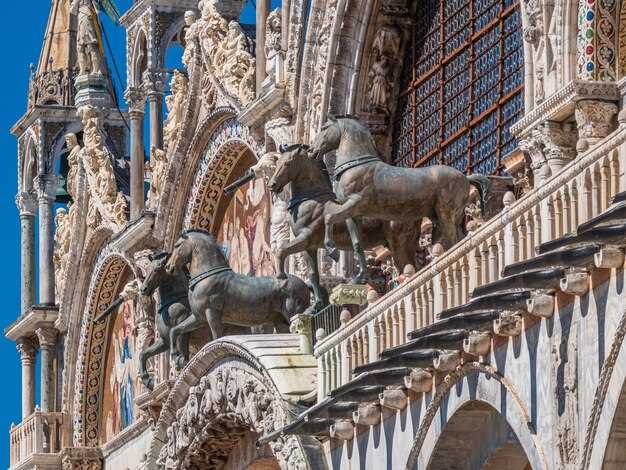
As one of the most extraordinary landmarks in Italy, the Milan Cathedral, or Duomo di Milano, stands proudly in the heart of the city, drawing thousands of visitors each year. This breathtaking masterpiece of Gothic architecture is an impressive blend of artistry and history, with intricately carved marble facades and soaring spires that seem to reach for the heavens. To truly appreciate the beauty of this stunning building, one must step inside and explore the intricacies of its vast interior, where the play of light through stained glass windows creates a truly mesmerizing atmosphere.
Visitors to the cathedral often marvel at the countless details that adorn its exterior, including captivating statues of saints, dramatic gargoyles, and the iconic Madonnina, a golden statue of the Virgin Mary perched atop the apex of the roof. The structure is not just an architectural wonder but also a place steeped in religious significance, having served as a spiritual hub for the faithful and a site for grand ceremonies over the centuries. It is no wonder that this Gothic marvel is often cited as a symbol of the city, attracting both tourists and locals alike to its magnificent presence.
For those wishing to delve deeper into the history of the Milan Cathedral, there is a wealth of information available on various websites. From the construction that began in 1386 to the elaborate decorations that adorn its nave, understanding the cathedral’s rich legacy enhances the experience for every visitor. Whether you plan to climb to the roof for panoramic views of the city or simply want to appreciate the artistry that lies within, the Milan Cathedral promises an unforgettable journey through time, art, and spirituality.
Understanding the Architectural Wonders of Milan Cathedral

The Milan Cathedral, or Duomo di Milano, stands as a monumental source of Italy’s architectural legacy. This iconic landmark is celebrated for its magnificent exterior and intricate interior, showcasing a blend of different styles that have evolved over centuries. When one wants to explore the marvels of the cathedral, the first element that catches the eye is its stunning façade, adorned with countless statues and intricate marble carvings that depict various religious figures and stories.
Among the most notable features is the statue of Madonnina, positioned atop the highest spire of the cathedral. This sculpture is not only a symbol of the city but also exemplifies the artistic brilliance that defines the Milan Cathedral. The spires, rising gracefully into the sky, highlight the Gothic architectural style that makes this cathedral one of the most remarkable in the world.
Inside the cathedral, visitors can appreciate the grand interiors marked by artistic workmanship–from its stained glass windows to the lavish chapels. Each chapel serves as a testament to the reverence and dedication of Italian craftsmen throughout history. The play of light filtering through the stained glass creates a pleasant ambiance, inviting visitors to meditate on their spiritual journey.
The cathedral’s roof offers yet another perspective on its architectural splendor. When one ascends to the rooftop, they are greeted by breathtaking views of Milan and a close encounter with the numerous spires and statues. This unique vantage point allows everyone to contemplate the labor that went into creating this masterpiece, reinforcing its status as a sacred site worthy of admiration.
Furthermore, the Duomo serves as a reminder of the enduring legacy of Christianity in Italy. In a world where many architectural wonders exist, the Milan Cathedral remains a significant representation of religious devotion and artistic expression. The intricate details, from the sculpture-laden façades to the serene interior chapels, make it evident that this cathedral is not merely a building but a profound statement of faith and creativity.
As visitors explore the cathedral, they may find themselves lost in the time-honored stories that each sculpture tells, creating a rich tapestry of history and artistry. Milan Cathedral, with its unique blend of styles and artistic heritage, continues to inspire awe and reverence in everyone who steps through its hallowed doors.
Gothic Elements and Their Significance
The Milan Cathedral, or Duomo di Milano, is a remarkable example of Gothic architecture, showcasing a series of stunning elements that contribute to its grandiosity. One of the key features is the intricate spires that adorn the roof, reaching towards the heavens and symbolizing the connection between the earthly and the divine. Built from pink-grey Italian marble, the cathedral’s façade presents a dynamic play of light and shadow, enhancing its ethereal beauty. The significance of these materials lays in their durability and the historical context of their use, which reflects the wealth and craftsmanship of the era.
Another fascinating aspect is the stunning stained glass windows, which tell stories of saints and biblical events, serving as a visual narrative for visitors and worshippers alike. These windows not only adorn the walls but also illuminate the interior with a kaleidoscope of colors, creating an inspiring atmosphere for contemplation and prayer.
Inside the cathedral, one can find the baptistery, a space dedicated to the sacrament of baptism, emphasizing the spiritual importance of the building as a cultic monument. The history of the cathedral’s construction spans several epochs, showcasing the evolution of architectural styles and techniques over the centuries. Each section of the cathedral reflects a unique phase of its development, providing an interesting exploration for art and architecture enthusiasts.
The towering dome serves as a focal point of the cathedral, representing the heavenly realm. It is also a masterpiece of engineering, allowing for expansive interior space while maintaining structural integrity. Visitors often look forward to the viewing platform, which offers a breathtaking panoramic view of Milan and its surroundings, allowing for introspective moments above the city’s hustle.
The significance of the Milan Cathedral extends beyond its architectural marvels; it also embodies the spirit of the city. It stands as a symbol of resilience and artistry, drawing millions from around the world. Whether you are participating in a liturgical service or simply touring its magnificent halls, the cathedral, with its rich history and breathtaking designs, continues to inspire awe and reverence among all who encounter it.
In conclusion, the Gothic elements of the Milan Cathedral not only demonstrate architectural innovation but also serve a deeper purpose, providing a space for worship, reflection, and connection with both the divine and the community. This iconic landmark is a testament to the ongoing legacy of artistry and devotion in the heart of Italy.
The Façade and Its Intricate Details
The façade of the Milan Cathedral is a magnificent representation of Gothic architecture, embodying centuries of artistic and architectural evolution. Its construction began in the 14th century and continued for several hundred years, with numerous architects contributing to its design.
This iconic landmark is characterized by a series of towering spires, one of which culminates in the famous statue of the Madonnina. This golden figure of the Virgin Mary stands at a height of 108.5 meters, making it a significant symbol of the city and a critical point of interest for both tourists and locals alike.
The façade is adorned with thousands of intricate sculptures and details that depict various biblical scenes and historical figures. These artistic elements were created to tell stories, allowing visitors, including children, to understand the religious significance of the church. The precision with which each statue and relief is crafted speaks to the skill and dedication of the architects and artisans who worked on this masterpiece.
- Address: The Cathedral is conveniently located in Milan’s central square, making it easily accessible for excursions.
- Height: The spires are designed to draw the eye upwards, symbolizing the reach towards the divine.
- Architectural Heritage: The cathedral is not only a church but also a museum, housing numerous artworks and historical artifacts.
- Terraces: Visitors can access the terraces to gain a unique perspective of the city and view the intricate details of the façade from above.
- Stained Glass: The stained glass windows are another notable feature, depicting scenes from the life of Christ and important saints, adding to the cathedral’s spiritual atmosphere.
As you explore the façade, take a moment to admire the beautiful apses that encircle the building, expressing both grandeur and sanctity. The interplay of light and shadow on the stonework creates a captivating sight, particularly in the afternoon when the sun highlights the details of the sculptures.
In conclusion, the façade of Milan Cathedral is not just a structure; it is a testament to the city’s history, artistry, and faith, inviting people from around the world to discover its marvels and appreciate its importance in the cultural landscape of Milan.
Statues and Spires: A Closer Look
The Milan Cathedral, or Duomo di Milano, stands as a magnificent example of Italian Gothic architecture, showcasing an array of sculptures and spires that capture the imagination of all who visit. The cathedral’s construction, which spanned nearly six centuries, resulted in a breathtaking array of more than 3,400 statues adorning its façade, each telling a unique story or representing various biblical figures. Tourists can spend hours exploring these meticulously crafted figures that not only enhance the beauty of the temple but also serve as a testament to the ሥነ ሕንጻ ingenuity of the craftsmen involved.
The spires that rise from the cathedral’s roof are among the most striking features of the structure, with the highest spire reaching an impressive height of 108.5 meters. These towering pillars create a verticality that draws the eye upward, symbolizing a connection between heaven and earth. The central spire is crowned by the famous golden statue of the Virgin Mary, known as the Madonnina, which is a revered symbol for the people of Milan. Since its installation, the Madonnina has been an important cultural landmark, serving as a guiding figure for the city.
As you gaze at the cathedral’s roof, you can see the intricate colonnades and flying buttresses that not only add to the overall aesthetic but also serve an essential structural purpose. The white-pink marble, sourced from the nearby quarries, elevates the elegance of the cathedral, allowing it to shimmer under the sunlight, further captivating visitors. The museo offers an incredible opportunity for guests to admire the vitraux (stained glass windows) and painted artworks that embellish the interior, enriching the experience of those wanting to appreciate the full magnificence of this cultural jewel.
During Christmas, the piazza surrounding the cathedral transforms into a festive zone filled with lights and seasonal decorations, attracting both locals and tourists alike. The significance of the cathedral grows during this time, as many come to pay homage and ይክበሩ ሃይማኖታዊ ታሪኽ ኣብ ውሽጣ ተጠብቂ ዚርከብ። ይኹን እምበር፡ ቱሪስቶች ናብኡ ዚስሕቦም ሃይማኖታዊ መዳይ ጥራይ ኣይኰነን። እቲ ዱዎሞ ይህም እንደ ዋና ምሳሌ ሆኖ ያገለግላል ቅርስ ጥናት ነክ ትርጉም ያለው፣ ትውፊታዊ ቅርሱ ከ14ኛው ክፍለ ዘመን ጀምሮ የነበረውን ታሪክ የያዘ ነው።.
በማጠቃለያ፣ የሚላን ካቴድራል ሃውልቶችና ጫፎች ሕንጻውን ከማስጌጥ ባለፈ የሚያንጸባርቁ ታሪኮችን ይተርካሉ። ባህላዊ እና የአርክቴክቸር ቅርሶች የሚላን። ከምድር ሆነው ለመደነቅ ቢመርጡ ወይም ለሰፊ እይታ በካቴድራሉ ጣሪያ ላይ ቢወጡ፣ በእርግጥም ይህን ታዋቂ ምልክት ጉብኝትዎን ያበለጽጋሉ።.
ትብላዕ ካቴድራል ሚላን፡ ተግባራዊ ሓበሬታ።
የሚላኖ ካቴድራል፣ አስደናቂ የጣሊያን ጎቲክ ሥነ ሕንፃ ምሳሌ፣ በሚላን ልብ በፒያሳ ዴል ዱሞ ላይ ይገኛል። ካቴድራሉ ከተጠናቀቀ በኋላ የሚላን ወሳኝ ምልክት በመሆን የቆየ ሲሆን በየዓመቱ በሚሊዮኖች የሚቆጠሩ ጎብኝዎችን ይስባል። ግንባታው ለብዙ መቶ ዓመታት የዘለቀ ሲሆን የተለያዩ ቅጦችን እና የሕንፃ ቴክኒኮችን አስደናቂ እድገት ያሳያል።.
ጐብኚዎች በመቶዎች በሚቆጠሩ ሐውልቶች እና ስውር ዝርዝሮች ያጌጠውን የካቴድራሉን የፊት ገጽታ ውስብስብነት ለመዳሰስ የሚመራ ጉብኝት ማድረግ ይችላሉ። ጉብኝቱ በተለምዶ ሁለት ሰዓት ያህል የሚቆይ ሲሆን ይህም አስደናቂውን ባለቀለም መስታወት መስኮቶችን እና በውስጡ ያሉትን ግዙፍ መሠዊያዎች ለመደነቅ በቂ ጊዜ ይሰጣል። ይህ መሳጭ ተሞክሮ እንግዶች ስለ ባዚሊካው የበለፀገ ታሪክ እና ትርጉም እንዲያስቡ ያበረታታል።.
ልዩ እይታ ለማግኘት ወደ ጣሪያው ጫፍ መውጣትን እንዳያመልጥዎ። ጣሪያው የከተማዋን ሰፊ እይታና የድንቅ የእብነበረድ ጫፎችን በቅርብ ያሳያል። ይህ በእውነት ሁሉም ሰው የስነ ሕንፃ ድንቆችን ከአዲስ ከፍታ እንዲያደንቅ የሚያስችል ተሞክሮ ነው።.
መድረሻ ናብ ካቴድራል ብሓፈሻ ቀሊል እዩ፡ ናይ መእተዊ ትኬት ብኦንላይን ወይ ኣብ መእተዊ ክትገዝእ ትኽእል ኢኻ። ከምኡ’ውን ኣብ ጥቓኡ ሙዘየም ይርከብ፡ ምስ ታሪኽ ናይቲ ካቴድራል ዝተኣሳሰሩ ክቡራት ቅርሶች ከምኡ’ውን ታሪኽ ሰማእትነት ናይቶም ኣብ ውሽጡ ዝዝከሩ ቅዱሳን ዘርኢ።.
ሰዓታት ኣሰራርሓ ክቀያየር ይኽእል እዩ፣ ብፍላይ ኣብ በዓላትን ድሕሪ ኣገደስቲ ፍጻሜታትን፣ ስለዚ ኣቐዲምካ ምፍታሽ ይመከር። በጻሕቲ ንብዙሕ ተዓዘብቲ ንምስሓት ቀደም ገይሮም ክበጽሑ ይግባእ፣ ብፍላይ ኣብ እዋን ጫፍ ቱሪስት። ብዘየገድስ እዋን ዓመት፡ ካቴድራል ሚላን ንቱሪስቲ ካብ ኩሉ ደረጃ ህይወት ዘይምርሳዕ መድረኽ እዩ፡ ብሃብታም ታሪኽን ተወዳደርቲ ዘይብሉ ጽባቐን ዝተመልአ ተዘካሪ ተመክሮ የረጋግጽ።.
ሰዓታት ስራሕን ዝበለጸ ጊዜ ንምብጻሕን
የሚላን ካቴድራል፣ የጎቲክ ስታይል የስነ-ህንፃ ድንቅ ስራ ጎብኚዎችን ዓመቱን በሙሉ በደስታ ይቀበላል። አስደናቂውን ውጫዊ ገጽታ እና አስደናቂውን የውስጥ ክፍል፣ የሚያማምሩ ባለቀለም መስታወት መስኮቶችን እና ከብዙ መቶ ዓመታት በፊት የነበረውን ታሪክ ሙሉ በሙሉ ለመለማመድ የስራ ሰዓቱን ከግምት ውስጥ በማስገባት ጉብኝትዎን ማቀድ ይመከራል።.
ሰዓታት መኽፈቲ ክቀያየር ይኽእል እዩ፣ ኣብ መብዛሕትኡ መዓልታት ግን ካቴድራል ኣብ ሰዓት 9፡00 AM ተኸፊቱ ኣብ ሰዓት 7፡00 PM ይዕጾ። ይኹን እምበር፡ ኣብ ከም በዓል ልደት ዝኣመሰሉ ሃይማኖታዊ ፍጻሜታት፡ እቲ ካቴድራል ፍሉይ ሰዓታት ክህልዎ ይኽእል እዩ። ዝርዝር መደብ ኣብ ታሕቲ ቀሪቡ ኣሎ።
| Day | ሰዓታት ክፈት |
|---|---|
| ሰኞ እስከ አርብ | 9:00 AM – 7:00 PM |
| Saturday | 9:00 AM – 7:00 PM |
| Sunday | 9:00 AM – 7:00 PM |
| ዕለታት ኣውስትራሊያ | ዲያፍር – መርምር ኦፊሴላዊ ድረ ገጽ |
እዋኑ ንምብጻሕ ዝበለጸ ሰዓታት ናይ ንግሆ ቀደም ወይ ከኣ ናይ ድሕሪ ቐትሪ ድሮ ጸልማት ክኸውን ከሎ እዩ፣ ብፍላይ ኣብ መዓልትታት ስራሕ ህዝቢ ሒደት ምስ ዝኸውን። እዚ ከኣ ኣብ ህድኣት ናይታ ካተድራል ንኽትደሰትን ኣብ ታሪኻዊ ኣገዳስነታ ከኣ ብዘይ ሓሳብ ምብታን ምሉእ ብምሉእ ክትጥሕልን የኽእለካ። እተን ንመልክዕ ከተማን ነቶም ተፈልጦ ዝኾኑ ጫፍ ሹልቶት ህንጻ ዘርእያ መናፈሻታት፣ ኣብዘን ሰዓታት እዚኣተን ህዝቢ ሒደት ክኸውን ይኽእል።.
ንዝልቁ መርበብ ሓሳባት ንምድላይ ንእትደልዩ፡ ቀደም ብንጋሆ ወይ ድማ ቅድሚ ምዕጻው ሰዓት ናብ በራንዳታት መሳልል ምውሳድ ኣስተውዕሉ። እዚ ነቲ ዝርዝር ስነ-ህንጻን ነቲ ብኽቡር ኣርኪጳጳስ ጁሰፐ ዝተመስረተ ካቴድራል ሚላን ዘለዎ ክብሪ ዝመልኦ ምርኣይ የረጋግጽ።.
ምንም እንኳን መቼ ለመጎብኘት ቢወስኑ፣ የሚላን ካቴድራል የማይረሳ ተሞክሮ እንደሚሰጥ ቃል ገብቷል፣ ይህም ስለ ሀይማኖታዊ ሥነ ሕንፃ ታሪክና ቀጣይነት ያለው ድንቅ ቦታን ያሳያል።.