


 Magyar
  English (UK)
  Русский
  বাংলা
বাংলা  العربية
  日本語
日本語  한국어
한국어  Norsk nynorsk
  Türkçe
  עִבְרִית
  Español
  Čeština
  Svenska
  Português
  Ελληνικά
  Suomi
Suomi  Nederlands
  Română
  Italiano
  Français
  Polski
  Українська
  Deutsch
  简体中文
简体中文  Slovenčina
  Српски језик
  اردو
اردو  Azərbaycan dili
  O‘zbekcha
  አማርኛ
አማርኛ 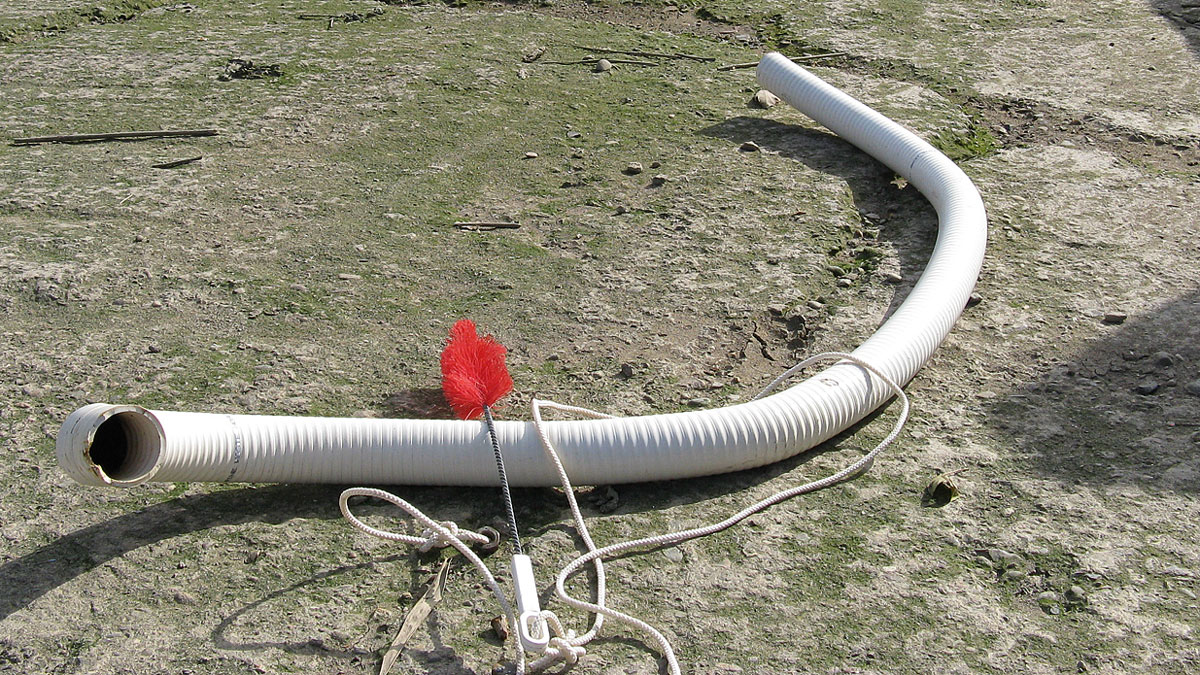 Vízkő eltávolítása a hajó csöveiből: tesztelt módszerek és biztonságos eljárások">

For a typical coastal cruiser with a 10–25 m combined freshwater and sea-waste run, expect to use roughly 1–5 litres of descaling fluid per head and allow a dwell time of 18–36 hours to dissolve substantial calcareous deposits; distilled vinegar (5% acetic acid) slowly attacks barnacle-like encrustations, while industrial-strength acids or proprietary cleaners reduce dwell time but require tighter logistics and safe handling procedures.
Descaling options at a glance
| Ügynök | Concentration / Form | Observed effect | Ajánlott használat |
|---|---|---|---|
| Distilled vinegar | 5% acetic acid, neat | Slow reduction of calcareous shell; half volume ~6–18 hrs; complete after ≈36 hrs on small samples | Annual preventative treatment; repeated treatments for heavy scale |
| LeeScale | Proprietary solution (10% & 20% tests) | 10% less effective than vinegar in tests; 20% cleared deposits faster | Best for concentrated cleaning where shorter downtime is needed |
| Coca-Cola | Acidic beverage | No practical impact on robust marine scale | Not recommended |
| Caustic soda (sodium hydroxide) | Strong alkali; used on dismantled parts | Effective on organic and some mineral deposits when components removed | Use only on dry, dismantled components followed by acid rinse and thorough neutralisation |
Key findings from practical testing
Small-scale trials using fragments of calcareous shell showed that ecet produced visible fizzing immediately and steadily reduced material volume: roughly 50% reduction by six hours in one test, further reduced at 18–26 hours, and complete dissolution by ~36 hours. Tests comparing LeeScale at 10% and 20% indicate a trade-off between concentration and safety: 20% works faster but requires more careful handling and rinsing. Coca-Cola showed negligible effect and is not a viable cleaner for marine pipeline scale. Caustic soda appears effective on removed parts from dry zones but must be followed by an acid wash and thorough rinsing to avoid residual alkali.
Step-by-step: using distilled vinegar in-situ
- Isolate the circuit: close seacocks or valves to create a closed loop for the affected run.
- Drain remaining water and introduce vinegar with a small pump until the loop is full; typical volume is 1–5 litres depending on hose length.
- Leave to dwell for 18–36 hours, monitoring for leaks and gas venting; longer dwell gives better results on heavy build-up.
- Flush thoroughly with fresh water until pH neutral; if brown or organic residues persist, repeat the cycle once more.
- Inspect hose integrity and connectors; replace perished sections rather than attempting repeated chemical treatments.
Handling caustic soda and stronger chemicals
For dry, dismantled components only: wear full PPE (gloves, goggles, apron), perform treatment in a ventilated area, rinse components meticulously, then follow with a mild acid rinse to neutralise residues. Avoid mixing acids and alkalis directly. Logistically, plan for safe disposal under local regulations; many marinas require neutralised waste before discharge. For in-situ strong acid treatments, coordinate with marina rules — some ports restrict discharge of concentrated cleaners.
Sea toilet restoration: How the heads were refurbished on the PBO Project Boat
On the PBO Project Boat’s Maxi 84, seacocks were confirmed operational before hose runs were connected. Hoses were replaced where softening or pin-holing was detected, and a vinegar loop was used to treat the in-line macerator and short waste runs. Where fittings were accessible, components were dismantled and treated separately with caustic soda followed by acid rinse, then reassembled with new hose clamps and marine-grade sealant. The practical lesson: combine mechanical removal (scraping) with chemical treatment for best results, and always factor in the time the boat will be out of service.
Practical logistics and safety checklist
- Pre-treatment inventory: valves, hose lengths, pump capacity, PPE and neutralising agents.
- Time planning: allow 24–48 hours for vinegar-based treatments; plan crew or marina access accordingly.
- Regulatory check: confirm marina discharge rules and disposal options for spent chemicals.
- Replacement policy: set a threshold — if repeated treatments are needed, replace hoses or fittings instead.
These maintenance choices have downstream effects on travel plans and charter readiness: a descaling job can turn into an overnight or multi-day task, so when organising a cruise or refit period it pays to plan logistic windows carefully. For travelers and yacht owners planning a holiday, think beyond immediate repairs and create a cultural program for downtime; GetExperience can help you arrange alternative activities while maintenance is underway and supports secure online payments with voucher confirmation and tailored requests for excursions.
On GetExperience, you book your experience from verified providers at reasonable prices. This empowers you to make the most informed decision without unnecessary expenses or disappointments while your boat is in the shed or the marina. Book your Trip GetExperience.com
Összefoglalva: distilled vinegar is an effective, low-risk descaler for routine maintenance with longer dwell times; LeeScale performs better at higher concentrations but requires care; caustic soda is useful for dismantled parts; and household colas are ineffective. Plan for downtime, safe handling, and regulatory disposal. Whether you’re preparing for Travel experiences, Adventure activities, Online virtual tours, Esports lessons, Yacht parties, Cruise packages, Safari tours, Museum tours with live guides, Beginner esports coaching sessions, Adventure rafting trips for beginners, Luxury adventure travel experiences, Eco-friendly wildlife safaris, Exclusive yacht charters for events, Interactive online cultural workshops or Professional esports training programs, proper vessel maintenance ensures your plans go smoothly and safely.