


 עִבְרִית
  English (UK)
  Русский
  বাংলা
বাংলা  العربية
  日本語
日本語  한국어
한국어  Magyar
  Norsk nynorsk
  Türkçe
  Español
  Čeština
  Svenska
  Português
  Ελληνικά
  Suomi
Suomi  Nederlands
  Română
  Italiano
  Français
  Polski
  Українська
  Deutsch
  简体中文
简体中文  Slovenčina
  Српски језик
  اردو
اردو  Azərbaycan dili
  O‘zbekcha
  አማርኛ
አማርኛ 

ה אלהמברה, a breathtaking complex located in the heart of Granada, is one of the most extraordinary examples of מורי architecture. Visitors are immediately captivated by the intricate details of its arched windows and elegant חצרות פנימיות, which offer a glimpse into a rich history that has shaped the region. The ארמון itself is a marvel, featuring expansive rooms, lush gardens, and the impressive אלקסבה, which stands guard over this magnificent site.
Once an emblem of power for the נסרידי emirs, the אלהמברה was not only a royal residence but also a thriving center of culture and politics. Fascinating elements like the Patio de los Leones and the stunning views from the מיראדור דה סן ניקולאס showcase the unique blend of artistry that has emerged over centuries. High above the city, the palatial grounds contrast sharply with the surrounding landscape, drawing tourists from around the world who are eager to capture the golden-hued beauty of this ancient wonder.
Acclaimed for its stunning vistas and historical significance, the אלהמברה has become a symbol of Andalusia, where intricate عربي motifs and lush gardens intertwine. Each סעיף של ה complex reveals layers of history, from the serene gardens to the lavish rooms once occupied by the royals. Among the many תמונות taken by visitors, images of the extraordinary Comares Tower and the tranquil Patio de la Acequia evoke memories of a time when this enchanting site thrived in its golden age.
Understanding the Historical Significance of Alhambra
Alhambra, located in Granada, Spain, is a magnificent complex that holds deep historical significance. Originally constructed in the mid-13th century during the reign of the Nasrid dynasty, it serves as a testament to the sophistication of Moorish architecture. The intricate details found in its patios, such as the Mexuar Hall, and the stunning arches exemplify the artistic prowess of the period.
Aside from its architectural grandeur, the Alhambra also represents a pivotal moment in history, marking the coexistence of various cultures. The site’s history is intertwined with that of the region, particularly its connection to the Muslim rule of Spain and the subsequent reconquest by Catholic monarchs. The complex became a symbol of resistance, especially during the uprisings that sought to reclaim the territories.
Visitors today often find themselves mesmerized by the lush gardens, the intricate mosaics, and the serene courtyards. Each of these features occupies a unique place within the overall design of the Alhambra, allowing tourists to explore the blend of functional spaces and decorative art. Moreover, the long alleys lined with trees lead to breathtaking vistas that showcase the surrounding landscapes of the Sierra Nevada mountains.
The Alhambra complex was built as both a fortress and a palace, with its torres and alcazabas providing defense while also serving as residential areas for royals. The space comprises numerous halls and courtyards, each designed for specific functions, whether for governance, leisure, or justice under the Islamic law. This dual nature is exemplified in the areas where rulers would receive visitors or dispense justice, such as the Cuarto Dorado.
In addition to its cultural and architectural significance, Alhambra has also become a vibrant hub for tourism, attracting millions of visitors each year. It stands as an enduring symbol of Granada’s rich history, embodying a fusion of different artistic and cultural influences. The memories of those who walked its halls, including historical figures like Muhammad V, continue to resonate within its walls.
In conclusion, Alhambra captures the essence of a unique historical narrative, blending artistry, power, and cultural convergence. As visitors wander through its stunning features, they are not only witnessing a remarkable architectural achievement but are also stepping into a significant chapter of world history.
What Makes Alhambra a UNESCO World Heritage Site?
The Alhambra, located in Granada, stands as a testament to the rich cultural heritage of the region and is designated as a UNESCO World Heritage Site due to its architectural and historical significance. This architectural wonder, originally built in the mid-13th century during the Nasrid dynasty, constitutes an exceptional example of Islamic architecture. It is not only a series of magnificent palaces but also an extensive landscaped garden area, which together create a harmonious blend of nature and man-made beauty.
One notable feature of the Alhambra is its stunning palaces, such as the Palace of Charles V and the intricately designed Nasrid Palaces. The intricate tile work and the skillful use of light throughout these palaces highlight the artistry that went into their creation. The interplay of light and shadow enhances the beauty of the decorative elements, captivating visitors who explore the vast paths and alleys of this remarkable site.
The Alhambra also embodies the cultural interplay between Islamic and Spanish architectural traditions. The incorporation of features like arches, decorative stucco, and serene patios enriches its aesthetic appeal. The gardens, particularly the Generalife, serve as a tranquil escape and a perfect representation of the fusion of architecture with nature, which was highly valued in Islamic culture.
The historical importance of the Alhambra extends beyond its visual splendor. It reflects the cultural exchange and societal interactions that shaped southern Spain after the Reconquista. The presence of various rulers, including the Emperor Charles V, has left an indelible mark on its structure and the narratives surrounding it, infusing the site with stories of power and ambition.
The significance of the Alhambra is further enhanced by its preservation efforts. The site continues to inspire artists and historians alike, who seek to understand its complex past. The combination of its stunning visuals, rich history, and architectural innovation solidifies its status as a UNESCO World Heritage Site, attracting millions who wish to immerse themselves in its awe-inspiring atmosphere.
Key Historical Events that Shaped Alhambra
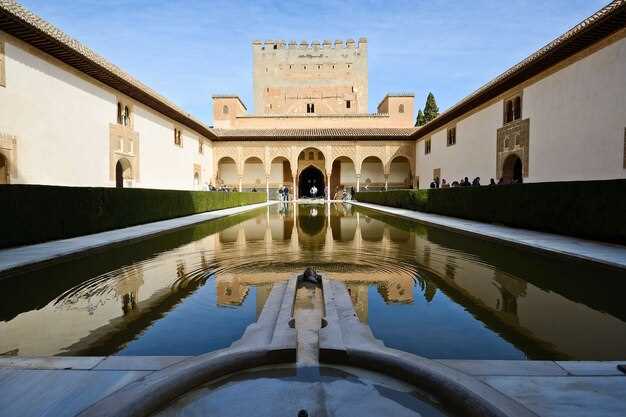
Alhambra, located in southern Spain, is a stunning representation of Nasrid architecture and culture. Its construction began in the 13th century under the rule of the first Nasrid monarch, Mohammed I. This period marked the foundation of what would become the most celebrated palace complex in the region.
In the 14th century, Alhambra was significantly expanded during the reign of Yusuf I. He ordered the construction of the intricate structures and gardens that filled the palace with beauty and elegance. The famous gardens were designed to reflect paradise, featuring waterways and fountains that highlighted the importance of water in Islamic tradition.
The 15th century brought about the final stage of Nasrid rule, with the last Sultan, Boabdil, facing the Reconquista. In 1492, the Catholic Monarchs, Ferdinand and Isabella, captured the Alhambra, which marked a tragic end for Islamic governance in Spain. The complex underwent modifications to reflect the new Christian ruling, including the construction of buildings like the Renaissance-style Palace of Charles V, which now houses a museum dedicated to the history of Alhambra.
Throughout the subsequent centuries, Alhambra has served various purposes, from royal palace to military fortress, and eventually became a museum in the 19th century. This transition allowed more people to appreciate its artistic and historical significance. Today, Alhambra remains an emblem of cultural synthesis, showcasing the interplay of Moorish and Christian influences, with features such as its characteristic arches and stunning frescoes.
As a UNESCO World Heritage Site, Alhambra is more than just a monument; it is a testament to the rich history of Spain, where every corner tells a story of its past. The fusion of architectural styles, serene gardens, and intricate detailing continues to attract visitors from all around the world, all seeking to experience the splendor of this historical gem.
Architectural Styles Represented in the Palace
The Alhambra in Granada is a remarkable fusion of architectural styles, blending various influences that reflect the rich history of the region. This palace, once the royal residence, showcases elements from the Islamic, Gothic, and Renaissance periods, each contributing to its unique splendor.
- Islamic Architecture: The palace is predominantly characterized by Islamic architecture, which emphasizes intricate geometric patterns, decorative tilework, and elegant arches. The מוקרנס תקרות בארמונות הנאסריים הן דוגמה מרכזית לסגנון זה, ויוצרות אפקט ויזואלי מדהים הדומה לנטיפים מטפטפים.
- מאפיינים גותיים: לאלהמברה יש גם השפעות גותיות, במיוחד במבנים המאוחרים שלה במהלך המאה ה-15. סגנונות אלה ניכרים בקפלה ובחלקים מהארמון שבהם קיימות קשתות מחודדות וקמרונות מצולעים, המשתלבים להפליא עם האסתטיקה האיסלאמית.
- השפעת הרנסאנס: בעקבות כיבוש גרנדה, סגנונות הרנסאנס החלו להופיע, במיוחד תחת השפעתם של אדריכלים כמו פדרו מצ'וקה. ה ארמון מציגה את המעבר הזה, ומדגימה מיקוד חדש בסימטריה ובפרופורציות, הבא לידי ביטוי בחצרות השיש ובמזרקות המשלבות גופי מים המהדהדים את חשיבות הטבע.
כל סגנון אדריכלי באלהמברה ממלא תפקיד חשוב בסיפור העבר שלה. המיזוג של השפעות אלה יוצר חוויה סוריאליסטית למבקרים, כשהם משוטטים בחצרות המעוטרות בפסיפסים מורכבים ובגנים שלווים מלאים במים זורמים - סמל לגן עדן בתרבות האסלאמית.
פריסת הארמון היא גם היבט משמעותי בארכיטקטורה שלו, עם חצרות פנימיות מחוברות כמו ה ד' גנרל חצר המהווה מוקד לחיי חברה ופוליטיקה, ומספקת מרחב שליו המוקף בכותלים חינניים. נוכחותם של אלמנטי מים, כגון בריכות ומזרקות, משפרת עוד יותר את האווירה הזו, ומשקפת את יופיו של עולם הטבע.
עם חלוף הזמן, האלהמברה ממשיכה להקסים את מבקריה, ועומדת כעדות לרוח היצירתית של האדריכלים שלה. השימוש באלמנטים כמו טיח מורכב, אריחים תוססים ופרופורציות הרמוניות פועל יחד כדי לרומם את החוויה באתר היסטורי זה. זהו מקום שבו כל פינה טומנת בחובה סיפור, וכל פרט נוצץ בתמצית תהילתו הקודמת.
לגלות את ארמון אלהמברה

ארמון אלהמברה הוא דוגמה מדהימה לאדריכלות מורית, המשקפת את ההיסטוריה העשירה של המלוכה הספרדית. מבנה מפואר זה ממוקם על גבעה המשקיפה על גרנדה, ומציע נוף עוצר נשימה של הנופים שמסביב. בתוך הארמון, המבקרים יכולים לחקור מספר חדרים מרווחים המעוטרים בפרטים מורכבים ובמאפיינים אדריכליים ייחודיים.
אחד החלקים החשובים ביותר בארמון הוא אולם המקסואר (Mexuar Hall), המאופיין בתקרות המוקרנס המדהימות שלו ובפתחי הכניסה המקושתים המעוטרים. באמצע האולם אפשר לראות את המזרקות היפות ותעלות המים שהיו חיוניות לסגנון האדריכלי האסלאמי, וסימלו את הקשר בין רוחניות לטבע.
כשאתם צועדים דרך החדרים והמסדרונות השונים, תבחינו בנוכחותם של עמודים מפוארים וקירות מעוטרים להפליא המנצנצים בהיסטוריה. לכל פינה בארמון יש סיפור לספר והצורה האדריכלית שלו מנוגדת בתלילות לגנים השופעים המקיפים את האזור.
מפורסם במיוחד הוא מיראדור דה דרקסה, נקודת תצפית המספקת מבט פנורמי על שטח הארמון והרי סיירה נבדה. יתר על כן, הארמון הוא ביתו של מגדל קומארס, המציין את הקצה המזרחי של המתחם ומציע תובנות על חייהם של המלכים שהתגוררו שם.
שילוב גנים ומרכיבי מים, כמו בריכות השלווה של הפרטאל, משפר את יופיו של הסביבה, ומרחבים אלו משמשים לעתים קרובות להרהורים ורגיעה. נוכחות הראודה, או קברי המלכים, מדגישה עוד יותר את חשיבותו של שטח זה, ומבהירה מדוע אלהמברה היא אתר מורשת עולמית של אונסק"ו.
טיול באלהמברה מאפשר לכם לשקוע בהיסטוריה תוססת אשר נשתמרה לאורך הדורות. השילוב של אדריכלות, גנים והיסטוריה יוצר אווירה ייחודית שכל מבקר צריך לחוות כדי להבין באמת את חשיבותה הן בעולם הספרדי והן בעולם המוסלמי.
חדרים שאסור לפספס בארמונות הנאסריים
ארמונות הנאסריים, חלק ממתחם אלהמברה, הם עדות יוצאת דופן לאומנותם של האמירים מהמאה ה-14. כשחוקרים ארמונות מלכותיים אלה, מספר חדרים בולטים בזכות העיצובים המורכבים והמשמעות ההיסטורית שלהם.
-
אולם המקְסואר: חדר זה שימש כמקום למועצות ופגישות רשמיות. קירותיו מעוטרים בעבודות גבס מעודנות, ועבודות העץ מציגות את אומנות התקופה. בחדר יש כניסות מקושתות המובילות לחצרות שונות ומספקות הצצה לדינמיקת הכוחות של האמירות.
-
חדר המלכים: חדר זה, המכונה אולם המלכים, מפורסם בזכות ציורי הפרסקו המרהיבים שלו, המתארים את מלכי אירופה והעולם הערבי. התקרה מעוטרת במוקרנס האופייניים, היוצרים אווירה של יופי שמימי.
-
Comares Palace: ארמון קומארס, גולת הכותרת של ארמונות נסריד, מציג סגנון “נוויגדור” מרשים עם התקרות הגבוהות ועבודות הרעפים המפורטות שלו. יש בו גם חלונות גדולים המציגים את הנופים של הגנים הסובבים ואת הרי סיירה נבדה.
-
ארמון פארטאלפנינה פחות מוכרת, אזור זה מתאפיין בגנים שלווים ובבבואות שלֵוות במים, שנועדו לעורר תחושת שלווה. השבילים המובילים לחלק זה של הארמונות משובצים בצמחייה עבותה, המשפרת את האווירה הכללית.
כל אחד מהחדרים הללו הוא לא רק הצצה לעבר, אלא גם השתקפות של התרבות וההישגים האמנותיים של שושלת נאסרי. על ידי הליכה במבנים המורכבים ומתחת לתקרות המקושטות, המבקרים נכנסים לעולם שבו אמנות, ארכיטקטורה והיסטוריה מתמזגים בהרמוניה.
אמנות וקישוט: מה לחפש
האלחמברה, סמל לפאר ועושר, מציגה אמנות ועיטור ייחודיים המשקפים את ההיסטוריה העשירה של האמירות הנאסרידיות. אחד המאפיינים המשמעותיים ביותר לחקור הוא העיצוב המורכב על הקירות והתקרות, שנוצר במהלך תקופת השיא של האמנות האסלאמית. אלמנטים אלה לא רק משרתים מטרות אסתטיות, אלא גם מסמלים את התפתחות האומנות בצורות שונות.
בעת שיטוט בארמון, שימו לב לשימוש במים בחצרות ובגנים, במיוחד בחנרליפה, המקיף את בתי העשירים. קול המים הזורמים משפר את יופיו של הסביבה ומייצג חיים בהקשר של נווה מדבר, המשקף את מהות התרבות האיסלאמית. שלושת המבנים העיקריים בנוף יוצרים אנסמבל הרמוני השובה את המבקרים.
הארכיטקטורה מתאפיינת במיראדורס מרהיבים ותקרות מקומרות, כאשר כל פרט תורם לאווירה הכוללת של האלהמברה. המגדלים האדומים, או הטורס, תורמים לחשיבות ההיסטורית של האתר. על הקירות תוכלו למצוא כתובות המספרות אגדות וסיפורים מתקופת המונרכים האחרונים, ויוצרות קשר לעבר וממחישות את שושלת המלוכה ששלטה בתקופת בנייתו.
בחצרות הפנימיות, העיצוב משלב גנים שופעים ואלמנטים דקורטיביים, עם ערוגות פרחים תוססות ושבילים המזמינים לטייל ולבחון את הסביבה מקרוב. השילוב של הטבע עם אלגנטיות אדריכלית יוצר מפלט שליו, מה שהופך את החוויה למעשירה עוד יותר. חלל החצר משמש כנקודה מרכזית למפגש חברתי, ולעתים קרובות כולל פינות ישיבה בהן המבקרים יכולים להעריץ את יופיו של סביבתם.
לסיכום, אלהמברה היא לא רק אתר היסטורי, אלא ייצוג חי של אמנות, תרבות והיסטוריה. כשאתם חוקרים את הארמונות, הגנים והקישוטים שלה, הרשו לעצמכם להיות שקועים בסיפור שכל אבן ועיצוב מעבירים, והעריכו את האומנות שנשתמרה לאורך הדורות.