


 Suomi
Suomi  English (UK)
  Русский
  বাংলা
বাংলা  العربية
  日本語
日本語  한국어
한국어  Magyar
  Norsk nynorsk
  Türkçe
  עִבְרִית
  Español
  Čeština
  Svenska
  Português
  Ελληνικά
  Nederlands
  Română
  Italiano
  Français
  Polski
  Українська
  Deutsch
  简体中文
简体中文  Slovenčina
  Српски језик
  اردو
اردو  Azərbaycan dili
  O‘zbekcha
  አማርኛ
አማርኛ 

The Alhambra, a breathtaking complex located in the heart of Granada, is one of the most extraordinary examples of maurilainen architecture. Visitors are immediately captivated by the intricate details of its arched windows and elegant courtyards, which offer a glimpse into a rich history that has shaped the region. The palace itself is a marvel, featuring expansive rooms, lush gardens, and the impressive Alcazaba, which stands guard over this magnificent site.
Once an emblem of power for the Nasridi emirs, the Alhambra was not only a royal residence but also a thriving center of culture and politics. Fascinating elements like the Patio de los Leones and the stunning views from the San Nicolásin näköalapaikka showcase the unique blend of artistry that has emerged over centuries. High above the city, the palatial grounds contrast sharply with the surrounding landscape, drawing tourists from around the world who are eager to capture the golden-hued beauty of this ancient wonder.
Acclaimed for its stunning vistas and historical significance, the Alhambra has become a symbol of Andalusia, where intricate arabia motifs and lush gardens intertwine. Each section of the complex reveals layers of history, from the serene gardens to the lavish rooms once occupied by the royals. Among the many valokuvat taken by visitors, images of the extraordinary Comares Tower and the tranquil Patio de la Acequia evoke memories of a time when this enchanting site thrived in its golden age.
Understanding the Historical Significance of Alhambra
Alhambra, located in Granada, Spain, is a magnificent complex that holds deep historical significance. Originally constructed in the mid-13th century during the reign of the Nasrid dynasty, it serves as a testament to the sophistication of Moorish architecture. The intricate details found in its patios, such as the Mexuar Hall, and the stunning arches exemplify the artistic prowess of the period.
Aside from its architectural grandeur, the Alhambra also represents a pivotal moment in history, marking the coexistence of various cultures. The site’s history is intertwined with that of the region, particularly its connection to the Muslim rule of Spain and the subsequent reconquest by Catholic monarchs. The complex became a symbol of resistance, especially during the uprisings that sought to reclaim the territories.
Visitors today often find themselves mesmerized by the lush gardens, the intricate mosaics, and the serene courtyards. Each of these features occupies a unique place within the overall design of the Alhambra, allowing tourists to explore the blend of functional spaces and decorative art. Moreover, the long alleys lined with trees lead to breathtaking vistas that showcase the surrounding landscapes of the Sierra Nevada mountains.
The Alhambra complex was built as both a fortress and a palace, with its torres and alcazabas providing defense while also serving as residential areas for royals. The space comprises numerous halls and courtyards, each designed for specific functions, whether for governance, leisure, or justice under the Islamic law. This dual nature is exemplified in the areas where rulers would receive visitors or dispense justice, such as the Cuarto Dorado.
In addition to its cultural and architectural significance, Alhambra has also become a vibrant hub for tourism, attracting millions of visitors each year. It stands as an enduring symbol of Granada’s rich history, embodying a fusion of different artistic and cultural influences. The memories of those who walked its halls, including historical figures like Muhammad V, continue to resonate within its walls.
In conclusion, Alhambra captures the essence of a unique historical narrative, blending artistry, power, and cultural convergence. As visitors wander through its stunning features, they are not only witnessing a remarkable architectural achievement but are also stepping into a significant chapter of world history.
What Makes Alhambra a UNESCO World Heritage Site?
The Alhambra, located in Granada, stands as a testament to the rich cultural heritage of the region and is designated as a UNESCO World Heritage Site due to its architectural and historical significance. This architectural wonder, originally built in the mid-13th century during the Nasrid dynasty, constitutes an exceptional example of Islamic architecture. It is not only a series of magnificent palaces but also an extensive landscaped garden area, which together create a harmonious blend of nature and man-made beauty.
One notable feature of the Alhambra is its stunning palaces, such as the Palace of Charles V and the intricately designed Nasrid Palaces. The intricate tile work and the skillful use of light throughout these palaces highlight the artistry that went into their creation. The interplay of light and shadow enhances the beauty of the decorative elements, captivating visitors who explore the vast paths and alleys of this remarkable site.
The Alhambra also embodies the cultural interplay between Islamic and Spanish architectural traditions. The incorporation of features like arches, decorative stucco, and serene patios enriches its aesthetic appeal. The gardens, particularly the Generalife, serve as a tranquil escape and a perfect representation of the fusion of architecture with nature, which was highly valued in Islamic culture.
The historical importance of the Alhambra extends beyond its visual splendor. It reflects the cultural exchange and societal interactions that shaped southern Spain after the Reconquista. The presence of various rulers, including the Emperor Charles V, has left an indelible mark on its structure and the narratives surrounding it, infusing the site with stories of power and ambition.
The significance of the Alhambra is further enhanced by its preservation efforts. The site continues to inspire artists and historians alike, who seek to understand its complex past. The combination of its stunning visuals, rich history, and architectural innovation solidifies its status as a UNESCO World Heritage Site, attracting millions who wish to immerse themselves in its awe-inspiring atmosphere.
Key Historical Events that Shaped Alhambra
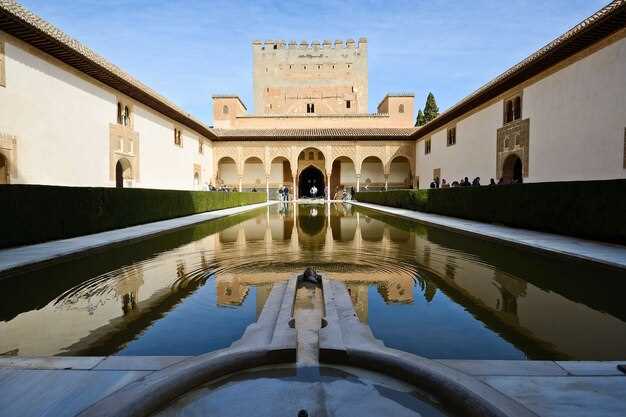
Alhambra, located in southern Spain, is a stunning representation of Nasrid architecture and culture. Its construction began in the 13th century under the rule of the first Nasrid monarch, Mohammed I. This period marked the foundation of what would become the most celebrated palace complex in the region.
In the 14th century, Alhambra was significantly expanded during the reign of Yusuf I. He ordered the construction of the intricate structures and gardens that filled the palace with beauty and elegance. The famous gardens were designed to reflect paradise, featuring waterways and fountains that highlighted the importance of water in Islamic tradition.
The 15th century brought about the final stage of Nasrid rule, with the last Sultan, Boabdil, facing the Reconquista. In 1492, the Catholic Monarchs, Ferdinand and Isabella, captured the Alhambra, which marked a tragic end for Islamic governance in Spain. The complex underwent modifications to reflect the new Christian ruling, including the construction of buildings like the Renaissance-style Palace of Charles V, which now houses a museum dedicated to the history of Alhambra.
Throughout the subsequent centuries, Alhambra has served various purposes, from royal palace to military fortress, and eventually became a museum in the 19th century. This transition allowed more people to appreciate its artistic and historical significance. Today, Alhambra remains an emblem of cultural synthesis, showcasing the interplay of Moorish and Christian influences, with features such as its characteristic arches and stunning frescoes.
As a UNESCO World Heritage Site, Alhambra is more than just a monument; it is a testament to the rich history of Spain, where every corner tells a story of its past. The fusion of architectural styles, serene gardens, and intricate detailing continues to attract visitors from all around the world, all seeking to experience the splendor of this historical gem.
Architectural Styles Represented in the Palace
The Alhambra in Granada is a remarkable fusion of architectural styles, blending various influences that reflect the rich history of the region. This palace, once the royal residence, showcases elements from the Islamic, Gothic, and Renaissance periods, each contributing to its unique splendor.
- Islamic Architecture: The palace is predominantly characterized by Islamic architecture, which emphasizes intricate geometric patterns, decorative tilework, and elegant arches. The muqarnas ceilings in the Nasrid palaces are a key example of this style, creating a stunning visual effect that resembles dripping stalactites.
- Gothic Elements: The Alhambra also features Gothic influences, particularly in its later constructions during the 15th century. These styles can be seen in the chapel and parts of the palace where pointed arches and ribbed vaults are present, merging with the Islamic aesthetics beautifully.
- Renaissance Influence: Following the conquest of Granada, Renaissance styles began to emerge, particularly under the influence of architects like Pedro Machuca. The palatsi showcases this transition, demonstrating a newfound focus on symmetry and proportion, seen in the marble courtyards and fountains that incorporate water elements echoing the importance of nature.
Each architectural style in the Alhambra plays an important role in telling the story of its past. The merging of these influences creates a surreal experience for visitors, as they wander through courtyards adorned with intricate mosaics and tranquil gardens filled with flowing water–a symbol of paradise in Islamic culture.
The layout of the palace is also a significant aspect of its architecture, with interconnected courtyards such as the D генерал courtyard serving as a center of social and political life, providing a serene space surrounded by the graceful walls. The presence of water features, such as pools and fountains, further enhances this atmosphere, reflecting the beauty of the natural world.
As time goes by, the Alhambra continues to mesmerize its visitors, standing as a testament to the creative spirit of its architects. The usage of elements like intricate stucco, vibrant tiles, and harmonious proportions works together to elevate the experience of this historic site. It is a place where every corner holds a story, and every detail sparkles with the essence of its former glory.
Exploring the Palace of Alhambra

The Palace of Alhambra is a stunning example of Moorish architecture, reflecting the rich history of the Spanish monarchy. This magnificent structure is situated on a hill overlooking Granada, offering a breathtaking view of the surrounding landscapes. Inside the palace, visitors can explore several spacious rooms adorned with intricate details and unique architectural features.
One of the most important parts of the palace is the Mexuar Hall, characterized by its stunning muqarnas ceilings and ornate arched doorways. In the middle of the hall, one can see the beautiful fountains and water channels that were essential to the Islamic architectural style, symbolizing the connection between spirituality and nature.
As you walk through the various rooms and hallways, you will notice the presence of elaborate columns and beautifully decorated walls that shimmer with history. Each corner of the palace has a story to tell and its architectural form contrasts sharply with the lush gardens that surround the area.
Particularly famous is the Mirador de Daraxa, a viewpoint that provides a panoramic perspective of the palace grounds and the Sierra Nevada mountains. Furthermore, the palace is home to the Torre de Comares, which marks the eastern edge of the complex and offers insights into the life of the monarchs who resided there.
The integration of gardens and water features, such as the tranquil pools of Partal, enhances the beauty of the environment, and these spaces are often used for reflection and relaxation. The presence of the Rauda, or royal tombs, further emphasizes the significance of this territory, making it clear why Alhambra is a UNESCO World Heritage site.
A stroll through the Alhambra allows you to immerse yourself in a vibrant history that has been preserved through the centuries. The combination of architecture, gardens, and history creates a unique atmosphere that every visitor should experience to truly understand its importance in both the Spanish and Islamic worlds.
Must-See Rooms Inside the Nasrid Palaces
The Nasrid Palaces, part of the Alhambra complex, are a remarkable testament to the artistry of the emirs of the 14th century. When exploring these majestic palaces, several rooms stand out for their intricate designs and historical significance.
-
Mexuar Hall: This room served as a place for councils and official meetings. Its walls are adorned with exquisite plasterwork, and the woodwork exhibits the craftsmanship of the era. The room features arched entrances that lead to various courtyards and provide a glimpse into the power dynamics of the emirate.
-
Cuarto de los Reyes: Known as the Hall of the Kings, this room is famous for its stunning frescoes that depict the kings of Europe and the Arab world. The ceiling features characteristic muqarnas, creating an atmosphere of celestial beauty.
-
Comares Palace: The centerpiece of the Nasrid Palaces, the Comares Palace showcases an impressive “navegador” style with its high ceilings and detailed tile work. It also has large windows displaying the views of the surrounding gardens and the Sierra Nevada Mountains.
-
Palacio de Partal: A lesser-known gem, this area features tranquil gardens and serene reflections in the water, designed to evoke peace. The pathways leading to this part of the palaces are lined with lush greenery, enhancing the overall ambiance.
Each of these rooms is not just a glimpse into the past but also a reflection of the culture and artistic achievements of the Nasrid dynasty. By walking through the intricate structures and beneath the adorned ceilings, visitors step into a world where art, architecture, and history merge harmoniously.
Art and Decoration: What to Look For
The Alhambra, a symbol of splendor and opulence, showcases unique art and decoration that reflect the rich history of the Nasrid Emirates. One of the most significant features to explore is the intricate design on the walls and ceilings, created during the zenith of Islamic art. These elements not only serve aesthetic purposes but also symbolize the development of craftsmanship in various forms.
When wandering through the palace, pay attention to the use of water in the courtyards and gardens, notably in Generalife, which surrounds the homes of the rich. The sound of flowing water enhances the beauty of the surroundings and represents life in the context of an oasis, reflecting the essence of the Islamic culture. The three main structures in the landscape create a harmonious ensemble that captivates visitors.
The architecture features stunning miradors and vaulted ceilings, where each detail contributes to the overall ambiance of the Alhambra. The red towers, or torres, contribute to the historical significance of the site. On the walls, you may find inscriptions that tell legends and stories from the era of the last monarchs, creating a link to the past and illustrating the royal lineage that reigned during its construction.
Within the courtyards, the design incorporates lush gardens and decorative elements, with vibrant flowerbeds and pathways that invite one to stroll and observe the surroundings closely. The integration of nature with architectural elegance creates a peaceful retreat, making the experience even more enriching. The courtyard space serves as a central point for socialization, often featuring seating areas where visitors can admire the beauty of their environment.
In conclusion, the Alhambra is not just a historical site but a living representation of art, culture, and history. When you explore its palaces, gardens, and decorations, allow yourself to be immersed in the story that each stone and design conveys, and appreciate the artistry that has been preserved through the centuries.