


 עִבְרִית
  English (UK)
  Русский
  বাংলা
বাংলা  العربية
  日本語
日本語  한국어
한국어  Magyar
  Norsk nynorsk
  Türkçe
  Español
  Čeština
  Svenska
  Português
  Ελληνικά
  Suomi
Suomi  Nederlands
  Română
  Italiano
  Français
  Polski
  Українська
  Deutsch
  简体中文
简体中文  Slovenčina
  Српски језик
  اردو
اردو  Azərbaycan dili
  O‘zbekcha
  አማርኛ
አማርኛ 

קראו את הפרופילים של החודש כדי להבין איך חמישה גיבורים אפרו-אמריקאים בתעופה עיצב מחדש את השמיים והעניק השראה לדורות של טייסים.
בסי קולמן פרצה מחסומים כשקיבלה את רישיון הטיסה לאישה השחורה הראשונה בשנת 1921 לאחר שהתאמנה בצרפת, ואז המריאה לשמיים עם כנפיים שתיגרו על סטריאוטיפים. שלה כלי טיס הפגנות כאן בארצות הברית נוצר נתיב לטייסים שחורים, אפילו כשעמדה בפני גזענות ו באופן טראגי מת בשנת 1926 במהלך הופעה.
אד דווייט הצטרף לשורות החלוצים כמועמד האסטרונאוט השחור המוביל של נאס"א בתחילת שנות ה-60, רגע שהציב מראה בפני שאיפותיה של האומה. הוא התאמן כ טייס ועזר לעצב את ההכשרה ו design תוכניות לחלל המוקדם משימות, ומשאיר חותם על הדרך אל החלל מעבורת עידן. ה ריח ריח חריף של דלק סילוני בהאנגר חיזק את נחישותו.
גיאון ס. בלופורד ג'וניור. הפך לאמריקאי השחור הראשון לטוס לחלל בשנת 1983, ורשם מעבורת משימה שהוכיחה כי טייסים שחורים יכולים לנווט פעולות חלל ואווירונאוטיקה רמות סיכון. הקריירה שלו שילבה design תובנה עם ניסיון מעשי בטיסה ועודד מוסדות להרחיב את הגישה למסלולי הנדסה.
קתרין ג'ונסון, מתמטיקאי חלוץ, גזר מסלולים שהנחו את משימות מרקורי ואפולו, ותירגם חישובים מורכבים לנתיבי טיסה אמינים ב מעבדה מקום בו תיאוריה פגשה מעשה.
מיי ג'מיסון הייתה לאישה השחורה הראשונה בחלל בשנת 1992, כששהתה על סיפון מעבורת החלל חתירה וכיצד הכשרה מגוונת – רפואה, הנדסה ותעופה – יכולה לקדם את חקר החלל ולעורר דור חדש לשאוף ל רישיון במדע, טכנולוגיה, הנדסה ומתמטיקה (STEM) ותעופה.
כדי לכבד את המורשת הזו, הירשמו לתכניות תעופה מקומיות, בקרו בתערוכות מוזיאונים ושתפו את הסיפורים האלה עם משפחה כדי לשמור על המומנטום בחיים. עקבו אחרי הנוכחי משימות סיפורים על טייסים אפרו-אמריקאים, ושקלו ביקור במוזיאון ב york, ניו יורק, כדי לראות איך טייסים מוקדמים עיצבו את התעשייה. שתף את ציוץ גיבור כדי לעורר מודעות ולתמוך במלגות המסייעות לצעירים להשיג רישיון לעסוק בקריירה ב- design ותחזוקת כלי טיס. הסיפורים האלה מזמינים קהילות לתוך התעופה, ויחד עם משפחות כמו וילסון משפחה, שמרו על הסקרנות בחיים ודחפו את הלומדים לשאוף גבוה יותר.
פרופילים מרכזיים ומסקנות מעשיות
הצטרף למועדון מקומי כדי להתחבר עם מנטורים המקדמים קריירות טיסה רבות; חפש תוכניות החוסות טייסים חדשים ותומכות בניסיון מעשי.
בֶּסִי המריאה לשמיים לאחר שהתאמנה בצרפת, הרוויחה את רישיון ה-FAI בשנת 1921 והפכה לסמל בהיסטוריה של התעופה. היא תיגרה באופן מפורסם בסטריאוטיפים, ומדריכים צרפתיים תמכו באימונים שלה, ועוררו השראה בנשים ואחרים.
הולמס בנתה בסיס לטייסים אפרו-אמריקאים בכך שדחפה לגישה להכשרה במספר שדות תעופה ובתיאום בין מועדונים לבתי ספר. היא נלחמה במחסומים ושמרה על החלום בחיים הרחק מדלתות סגורות, ועזרה לאחרים להשיג קריירה בהישג ידם.
Across time, the united effort of pilots, engineers, and instructors from both the U.S. and french programs created routes that broaden learning opportunities. They show how initial training at an airport can connect to national programs and even space shuttle missions, expanding the place where Black women and men can contribute to aviation history.
Practical takeaways: focus on hands-on learning through clubs; track every flight and log hours; visit the airport for open days; study national and international histories to connect with mentors; pursue scholarships and programs that support women in aviation and related careers.
Could you start today by listing three local clubs, reaching out to a mentor, and setting a 90-day goal to observe or take a first flight? If you commit, you join others in keeping the history of bessie, Holmes, and many others alive as you pursue your own wings.
Robert Prest: Early Black Aviation Pioneers and Their Lasting Legacy

Focus Prest’s design mindset and concrete actions: mentor recruits, enhance hands-on training, and build inclusive joining paths within the national aviation story.
Robert Prest stands among five trailblazing Black aviation heroes, connected by brothers alike in ambition and supported by a national network of friends and peers. The peers Lawrence and James appear in archival notes, and the figure bessie–honoring the broader influence of bessie Coleman on aspiring pilots–helps illustrate the era. The источник notes that Prest joined the military before the national squadron existed, and that his life took a decisive turn toward aviation leadership when he took on training duties and flight responsibilities that strengthened the squadron’s cohesion and prepared others for joining.
- Joining the military before the squadron formation laid a foundation: Prest flew with early units and earned the trust of instructors and peers, setting the stage for future training wins.
- Most of his achievements came in the design and process realm: he worked with engineers to refine training aircraft, improved navigation and safety protocols, and helped standardize the flight curriculum for better outcomes.
- Three key outcomes define his legacy today: mentorship that elevates new pilots, access to equipment and opportunities, and a public record that supports ongoing national interest in african aviation–the kind of record editors highlight in national journals.
An editor’s note in a national archive dossier highlights Prest’s role in three major shifts: expanding squadron participation, codifying a robust training process, and building a support network that helps new pilots joining and fly with confidence. His life shows that dedication to craft, collaboration with friends and colleagues, and a willingness to share knowledge created a durable pathway for those who followed.
C Alfred “Chief” Anderson: Training Groundbreaker and Mentorship Leader
Begin with a clear recommendation: adopt Chief Anderson’s mentorship framework to build a pipeline of trained pilots. Pair each new member with an experienced instructor, use hands-on flight time at working sites, and chart a license path that moves from classroom to flight in a month.
As a trainer and mentor, Chief Anderson built a program that balances what students learn in the book with real-world skills on the flight line. He created a culture where feedback was direct, skills were practiced daily, and progress was measured by safe, confident flights. He stood in a white-dominated era and proved that ambition and skill could cross barriers; his method combined structured lessons with flexible coaching, like three guiding pillars that supported every trainee: discipline, practice, and mentorship.
Through his leadership, pilots who trained under him moved into roles that built the wider Black aviation community. He attracted attention at three major sites, with training sessions that even london venues embraced, creating open windows for new entrants into the field and turning ambition into action.
To honor his example, programs today can mirror his model by pairing new members with seasoned mentors, maintaining open channels for feedback, and scheduling additional practice flights that build on initial success. This approach strengthens the next generation of aviators and gives them a clear path toward their own license and leadership within aviation. The impact also persists in symbols of achievement, visible signs that equal access can guide careers beyond a single generation.
Readers gain tangible takeaways: know your sites, plan your month-long blocks, and publish a book of best practices that new members can reuse. Chief Anderson’s leadership shows that training and mentorship are as vital as flight skills, and that when the right mentors step up, more pilots become pioneers in their own right.
| תפקיד | Flight instructor and mentorship leader |
| תרומות עיקריות | Created hands-on training, established license pathways, mentored dozens of pilots |
| Training sites | three sites; Tuskegee and other hubs |
| License support | Guided licensure steps for civilian and military tracks |
| Notable trainees | Tuskegee Airmen and other Black aviators influenced by his program |
George E. Hardy: Aviation Milestones and Community Impact
Start with a concise book and public exhibit that documents Hardy’s milestones and translates them into actionable lessons for today’s students. This approach helps americans and african youth see a direct path from training to leadership and inspires schools to partner with local airline programs for hands-on experiences. Public memory in monuments keeps the story visible and helps move ideas away from stereotypes toward tangible progress.
Hardy earned his pilot license shortly after the war and joined continental Airlines, where he became the second african american to hold a senior staff role in flight operations there. He helped open training tracks for technicians and flight crews to work on aircraft, strengthening hands-on skills and confidence across the airline, and doing work that cleared paths for other americans pursuing aviation careers.
Through the tuskegee connection, Hardy started scholarships and youth programs that opened doors for african students and americans to pursue aviation careers. Mentors like bullard helped shape the program, connecting classrooms with hangars and fleets. He helped erect monuments to aviators and to the brothers who opened the skies, creating spaces in public places for memory and learning. Famously, he built a network of friends across national organizations that sustained a lasting legacy.
To apply Hardy’s example locally, schools can partner with a local airline to host open-house days, book speakers from the public and private sectors, and support mentorship tracks that teach fundamentals of flight, safety, and career planning. Start by inviting students to observe maintenance, watch aircraft checks, and earn confidence and credentials.
Bessie Coleman: Overcoming Barriers and Inspiring Generations
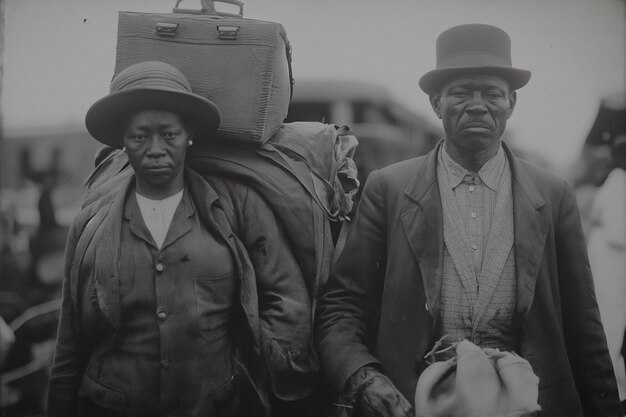
Start by supporting scholarships for Black women in aviation and establishing mentorship programs that connect new pilots with seasoned instructors; this direct action honors Bessie Coleman today.
She faced three barriers–racism, sexism, and funding limits–and pressed on in chicago, seeking every chance to learn. She read widely, attended community talks, and submitted applications to schools and clubs; editors sometimes questioned her, yet the community began to respond with offers of help and mentorship. Her sense of duty to widen access to aviation shows how resilience can change lives.
In 1920 she traveled to France to pursue flight training at the Caudron school, learning from instructors who helped her build real-world skills. She passed the test to earn a pilot license in 1921, becoming the americas’ first Black woman to fly. That milestone transferred hope into action for other aspiring pilots, and she began performing in events across the americas to fund her continued training and demonstrate what Black aviators could achieve.
Her performances and public appearances helped shift perceptions and opened paths for future generations. She shape the public imagination around who could pilot aircraft, inspiring clubs, editors, and schools to expand opportunities. Her work touched military and civilian circles alike, underscoring the need for diverse crews and inclusive curricula. She trained with mentors, shared learning, and encouraged aspiring aviators to pursue rigorous preparation.
Currently, programs honoring her legacy fund scholarships, provide internships, and run outreach that connects learners with mentors. The story is celebrated in classrooms, at urban air shows, and across media where editors highlight her impact. If you want to honor her, support scholarship applications, mentor aspiring pilots, and help with the transfer of knowledge from early pioneers to today’s crews; the gold standard of courage she set continues to guide the field, and the wright pioneers–like the Wright brothers–remain a point of reference as we share progress, including posts that commemorate her on social platforms via tweet and other channels.
Marlon Green: Challenging Hiring Barriers and Advancing Black Pilots
Launch a government-coordinated program that pairs officers with aspiring african-american aviators from learning to license, with a clear mission and measurable milestones that move applicants into the cockpit. This effort honors Marlon Green’s impact and demonstrates that when the system aligns funding, training, and hiring practices, barriers yield opportunities across americas fleets.
In march, Green challenged United Airlines’ hiring policies, exposing barriers that african-american aviators faced and kept capable pilots from the skies. He once argued that opportunity must be earned, not denied. The case, which drew national attention, showed how discrimination could be discovered and addressed through policy changes. bessie and other pioneers who learned to push through limits around the aviation field; lieutenant Lawrence joined the effort to mentor new applicants and to advise controllers, officers, and managers on fair practices. These discussions often surfaced in archives, but they moved toward real change.
- Build a pipeline that connects learning institutions, flight schools, and airline recruiters, with a goal to increase the share of licensed african-american pilots in americas by a defined percentage within five years.
- Provide targeted scholarships and loan support to cover training, instrument ratings, and checkrides, reducing financial barriers and helping more applicants complete license requirements.
- Offer internships and paid learning opportunities in government agencies and carriers to give hands-on experience and to demonstrate capability to hiring officers and controllers.
- Publish annual transparency reports on applicant pools, hiring rates, and retention, and set accountability for reducing barriers that often block progress for aviators from diverse backgrounds.
- Honor the Green legacy by establishing scholarships, naming programs after him, and building donor networks that support a mission to diversify American skies.
These steps turn learning into action, turning potential into progress and ensuring americas aviators reflect its diverse talent. When communities joined forces–government, carriers, schools, and veterans groups–the path into the skies becomes more equitable, and the level of trust among officers and pilots grows. Marlon Green’s story continues to guide a clear, practical plan that honors the past while expanding opportunities for the next generation of african-american aviators.
Theresa Claiborne: Trailblazing Roles for Black Women in Aerospace
Take this as guidance: Theresa Claiborne famously showed how Black women can lead in aerospace by building community, joining a group, and pursuing roles that blend hands-on flight with strategic learning. She began as a technician at a York site, earning trust through reliable test results, and then helped organize training for new engineers and pilots. There she leveraged partnerships with colleges and industry groups to expand opportunities for others.
רוב תרומות פעילות טיסה נפרשת, מנטורינג ויצירת קשר. היא סייעה בהקמת תוכנית בסגנון טייסת שחיברה בין סטודנטים, ותיקים ומהנדסים בתחילת דרכם על פני קבוצות. קולמן הצטרפה כחברה מנטורית, והמאמץ איחד אחים ואחים ואחיות בקהילה.
באתר בניו יורק, היוזמות שלה שיפרו אפליקציות פתוחות להתמחויות וסיכמו את הדרך להצלחה במילים תמציתיות. ריח דלק הסילונים בהאנגר האימונים הזכיר לצוות שכל מבחן הוא צעד קדימה. ב- אוגוסט, היא הנחתה סדנאות שהדגישו יוצאים מן הכלל הישגים ואת הצעדים המעשיים להמשך קריירות טיסה, מסימולטורים ועד למבחני שדה.
קוראים יכולים ליישם את המודל שלה היום: להצטרף לקבוצה או קהילה, לחפש התנסויות טיסה מעשיות ולעקוב אחר הרווחים והתרומות שלכם כדי לבנות תיק עבודות. התחילו עם אתר מקומי, צרו קשר עם קולמן או מנטורים אחרים, ושתפו את ה מילים עם מועמדים עתידיים כדי להרחיב את מעגל ההזדמנויות.
מורשתה של קלייבורן מראה מה אפשרי כאשר משמעת פוגשת הזדמנות. כיום, מחנכים וחברות תעופה וחלל מציינים את המודל שלה כתוכנית פעולה. הקריירה שלה פתחה דלתות, סייעה לגוון כל רמה בטייסת, והעניקה השראה לדור לרדוף אחר מדע, טכנולוגיה, הנדסה ומתמטיקה באומץ - היום ולשנים הבאות.