


 Français
  English (UK)
  Русский
  বাংলা
বাংলা  العربية
  日本語
日本語  한국어
한국어  Magyar
  Norsk nynorsk
  Türkçe
  עִבְרִית
  Español
  Čeština
  Svenska
  Português
  Ελληνικά
  Suomi
Suomi  Nederlands
  Română
  Italiano
  Polski
  Українська
  Deutsch
  简体中文
简体中文  Slovenčina
  Српски језик
  اردو
اردو  Azərbaycan dili
  O‘zbekcha
  አማርኛ
አማርኛ 
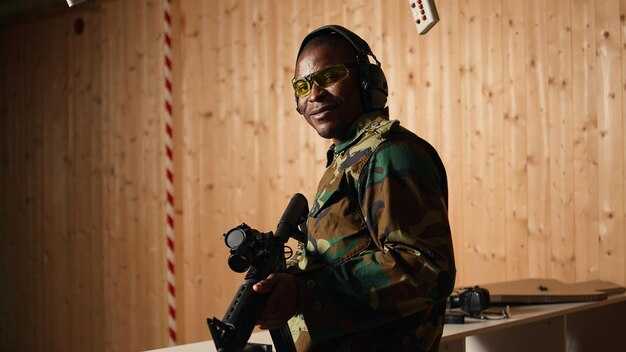
Découvrez les profils du mois. pour comprendre comment Cinq héros noirs de l'aviation a remodelé les cieux et inspiré des générations de pilotes.
Bessie Coleman a brisé les barrières en devenant la première femme noire à obtenir une licence de pilote en 1921 après une formation en France, puis en s'élançant dans les cieux avec ailes qui a défié les stéréotypes. Son aircraft manifestations ici aux États-Unis créé une voie pour les aviateurs noirs, même si elle était confrontée au racisme et tragiquement est décédé en 1926 pendant une représentation.
Ed Dwight a rejoint les rangs des pionniers en tant que principal candidat astronaute noir de la NASA au début des années 1960, un moment qui a mis les ambitions du pays face à leur propre reflet. Il s'est formé en tant que pilot et a contribué à façonner la formation et design programmes spatiaux initiaux missions, marquant le chemin vers l'espace shuttle ère. L' odeur L'odeur du kérosène dans le hangar renforça sa détermination.
Guion S. Bluford Jr. est devenu le premier Afro-Américain à voler dans l'espace en 1983, accumulant un shuttle une mission qui a prouvé que les pilotes noirs pouvaient diriger des opérations aérospatiales à enjeux élevés. Sa carrière a combiné design en ayant une vision pratique du vol et a encouragé les institutions à élargir l'accès aux filières d'ingénierie.
Katherine Johnson, un mathématicien pionnier, a tracé des trajectoires qui ont guidé les missions Mercury et Apollo, traduisant des calculs complexes en trajectoires de vol fiables dans le laboratoire là où la théorie rencontrait la pratique.
Mae Jemison est devenue la première femme noire dans l'espace en 1992, à bord de la navette spatiale Effort et montrant comment une formation diversifiée – médecine, ingénierie et aviation – peut faire progresser l'exploration spatiale et inciter une nouvelle génération à embrasser une carrière dans ce domaine. licence dans les STIM et l'aviation.
Pour honorer ces héritages, inscrivez-vous à des programmes d'aviation locaux, visitez des expositions de musée et partagez ces histoires avec famille pour maintenir la dynamique. Suivez l'actualité missions et des histoires d'aviateurs noirs, et envisagez une visite dans un musée de York, New York, afin de découvrir comment les premiers pilotes ont façonné l'industrie. Partager un tweet à propos d'un héros pour sensibiliser et soutenir les bourses d'études qui aident les jeunes à obtenir un licence et poursuivre des carrières dans design et la maintenance des aéronefs. Ces histoires invitent les communautés dans l'aviation et, avec des familles comme les Wilson famille, entretenez la curiosité et encouragez les apprenants à viser plus haut.
Profils clés et points à retenir d'ordre pratique
Adhérez à un club local pour rencontrer des mentors qui font progresser de nombreuses carrières aéronautiques ; recherchez des programmes qui parrainent les nouveaux pilotes et soutiennent l’expérience pratique.
Après une formation en France, Bessie s'envola dans les cieux, obtenant la licence FAI en 1921 et devenant un symbole de l'histoire de l'aviation. Elle s'est illustrée en défiant les stéréotypes, et des instructeurs français ont soutenu sa formation, inspirant les femmes et d'autres.
Holmes a jeté les bases pour les aviateurs noirs en faisant pression pour l'accès à la formation dans plusieurs aéroports et en coordonnant des clubs avec les écoles. Elle a combattu les obstacles et a entretenu le rêve à l'écart des portes closes, aidant les autres à placer leur carrière à portée de main.
Au fil du temps, l'effort conjugué des pilotes, des ingénieurs et des instructeurs des programmes américain et français a créé des itinéraires qui élargissent les possibilités d'apprentissage. Ils montrent comment une formation initiale dans un aéroport peut être reliée à des programmes nationaux et même à des missions de navettes spatiales, élargissant ainsi la place où les femmes et les hommes noirs peuvent contribuer à l'histoire de l'aviation.
Points à retenir : privilégier l'apprentissage pratique par le biais de clubs ; suivre chaque vol et enregistrer les heures ; visiter l'aéroport lors des journées portes ouvertes ; étudier les histoires nationales et internationales pour nouer des liens avec des mentors ; rechercher des bourses et des programmes qui soutiennent les femmes dans l'aviation et les carrières connexes.
Pourriez-vous commencer dès aujourd'hui en listant trois clubs locaux, en prenant contact avec un mentor et en fixant un objectif de 90 jours pour observer ou effectuer un premier vol ? Si vous vous engagez, vous rejoignez ceux qui maintiennent vivante l'histoire de Bessie, Holmes et de nombreux autres, tout en aspirant à vos propres ailes.
Robert Prest : Les premiers pionniers noirs de l'aviation et leur héritage durable

La mentalité de conception et les actions concrètes de Focus Prest : encadrer les nouvelles recrues, améliorer la formation pratique et construire des parcours d'intégration inclusifs au sein de l'histoire de l'aviation nationale.
Robert Prest figure parmi cinq pionniers noirs de l'aviation, unis par une ambition fraternelle et soutenus par un réseau national d'amis et de pairs. Les pairs Lawrence et James apparaissent dans les notes d'archives, et la figure de Bessie – honorant l'influence plus large de Bessie Coleman sur les aspirants pilotes – contribue à illustrer l'époque. Le источник note que Prest s'est engagé dans l'armée avant l'existence de l'escadron national, et que sa vie a pris un tournant décisif vers le leadership dans l'aviation lorsqu'il a assumé des fonctions de formation et des responsabilités de vol qui ont renforcé la cohésion de l'escadron et préparé les autres à s'y joindre.
- Rejoindre l'armée avant la formation de l'escadron a posé les bases : Prest a volé avec les premières unités et a gagné la confiance des instructeurs et de ses pairs, préparant le terrain pour de futures victoires à l'entraînement.
- Most of his achievements came in the design and process realm: he worked with engineers to refine training aircraft, improved navigation and safety protocols, and helped standardize the flight curriculum for better outcomes.
- Three key outcomes define his legacy today: mentorship that elevates new pilots, access to equipment and opportunities, and a public record that supports ongoing national interest in african aviation–the kind of record editors highlight in national journals.
An editor’s note in a national archive dossier highlights Prest’s role in three major shifts: expanding squadron participation, codifying a robust training process, and building a support network that helps new pilots joining and fly with confidence. His life shows that dedication to craft, collaboration with friends and colleagues, and a willingness to share knowledge created a durable pathway for those who followed.
C Alfred “Chief” Anderson: Training Groundbreaker and Mentorship Leader
Begin with a clear recommendation: adopt Chief Anderson’s mentorship framework to build a pipeline of trained pilots. Pair each new member with an experienced instructor, use hands-on flight time at working sites, and chart a license path that moves from classroom to flight in a month.
As a trainer and mentor, Chief Anderson built a program that balances what students learn in the book with real-world skills on the flight line. He created a culture where feedback was direct, skills were practiced daily, and progress was measured by safe, confident flights. He stood in a white-dominated era and proved that ambition and skill could cross barriers; his method combined structured lessons with flexible coaching, like three guiding pillars that supported every trainee: discipline, practice, and mentorship.
Through his leadership, pilots who trained under him moved into roles that built the wider Black aviation community. He attracted attention at three major sites, with training sessions that even london venues embraced, creating open windows for new entrants into the field and turning ambition into action.
To honor his example, programs today can mirror his model by pairing new members with seasoned mentors, maintaining open channels for feedback, and scheduling additional practice flights that build on initial success. This approach strengthens the next generation of aviators and gives them a clear path toward their own license and leadership within aviation. The impact also persists in symbols of achievement, visible signs that equal access can guide careers beyond a single generation.
Readers gain tangible takeaways: know your sites, plan your month-long blocks, and publish a book of best practices that new members can reuse. Chief Anderson’s leadership shows that training and mentorship are as vital as flight skills, and that when the right mentors step up, more pilots become pioneers in their own right.
| Role | Flight instructor and mentorship leader |
| Contributions clés | Created hands-on training, established license pathways, mentored dozens of pilots |
| Training sites | three sites; Tuskegee and other hubs |
| License support | Guided licensure steps for civilian and military tracks |
| Notable trainees | Tuskegee Airmen and other Black aviators influenced by his program |
George E. Hardy: Aviation Milestones and Community Impact
Start with a concise book and public exhibit that documents Hardy’s milestones and translates them into actionable lessons for today’s students. This approach helps americans and african youth see a direct path from training to leadership and inspires schools to partner with local airline programs for hands-on experiences. Public memory in monuments keeps the story visible and helps move ideas away from stereotypes toward tangible progress.
Hardy earned his pilot license shortly after the war and joined continental Airlines, where he became the second african american to hold a senior staff role in flight operations there. He helped open training tracks for technicians and flight crews to work on aircraft, strengthening hands-on skills and confidence across the airline, and doing work that cleared paths for other americans pursuing aviation careers.
Through the tuskegee connection, Hardy started scholarships and youth programs that opened doors for african students and americans to pursue aviation careers. Mentors like bullard helped shape the program, connecting classrooms with hangars and fleets. He helped erect monuments to aviators and to the brothers who opened the skies, creating spaces in public places for memory and learning. Famously, he built a network of friends across national organizations that sustained a lasting legacy.
To apply Hardy’s example locally, schools can partner with a local airline to host open-house days, book speakers from the public and private sectors, and support mentorship tracks that teach fundamentals of flight, safety, and career planning. Start by inviting students to observe maintenance, watch aircraft checks, and earn confidence and credentials.
Bessie Coleman: Overcoming Barriers and Inspiring Generations
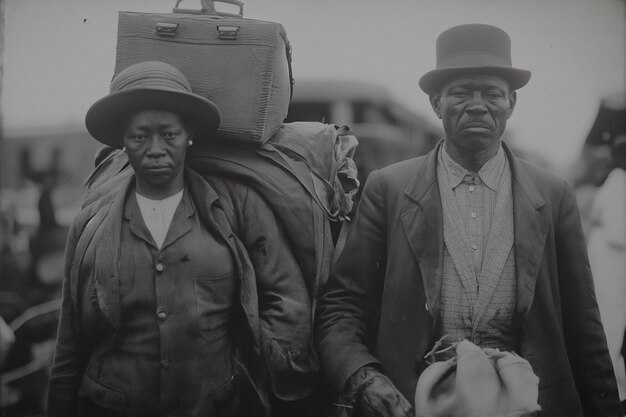
Start by supporting scholarships for Black women in aviation and establishing mentorship programs that connect new pilots with seasoned instructors; this direct action honors Bessie Coleman today.
She faced three barriers–racism, sexism, and funding limits–and pressed on in chicago, seeking every chance to learn. She read widely, attended community talks, and submitted applications to schools and clubs; editors sometimes questioned her, yet the community began to respond with offers of help and mentorship. Her sense of duty to widen access to aviation shows how resilience can change lives.
In 1920 she traveled to France to pursue flight training at the Caudron school, learning from instructors who helped her build real-world skills. She passed the test to earn a pilot license in 1921, becoming the americas’ first Black woman to fly. That milestone transferred hope into action for other aspiring pilots, and she began performing in events across the americas to fund her continued training and demonstrate what Black aviators could achieve.
Her performances and public appearances helped shift perceptions and opened paths for future generations. She shape the public imagination around who could pilot aircraft, inspiring clubs, editors, and schools to expand opportunities. Her work touched military and civilian circles alike, underscoring the need for diverse crews and inclusive curricula. She trained with mentors, shared learning, and encouraged aspiring aviators to pursue rigorous preparation.
Currently, programs honoring her legacy fund scholarships, provide internships, and run outreach that connects learners with mentors. The story is celebrated in classrooms, at urban air shows, and across media where editors highlight her impact. If you want to honor her, support scholarship applications, mentor aspiring pilots, and help with the transfer of knowledge from early pioneers to today’s crews; the gold standard of courage she set continues to guide the field, and the wright pioneers–like the Wright brothers–remain a point of reference as we share progress, including posts that commemorate her on social platforms via tweet and other channels.
Marlon Green: Challenging Hiring Barriers and Advancing Black Pilots
Launch a government-coordinated program that pairs officers with aspiring african-american aviators from learning to license, with a clear mission and measurable milestones that move applicants into the cockpit. This effort honors Marlon Green’s impact and demonstrates that when the system aligns funding, training, and hiring practices, barriers yield opportunities across americas fleets.
In march, Green challenged United Airlines’ hiring policies, exposing barriers that african-american aviators faced and kept capable pilots from the skies. He once argued that opportunity must be earned, not denied. The case, which drew national attention, showed how discrimination could be discovered and addressed through policy changes. bessie and other pioneers who learned to push through limits around the aviation field; lieutenant Lawrence joined the effort to mentor new applicants and to advise controllers, officers, and managers on fair practices. These discussions often surfaced in archives, but they moved toward real change.
- Build a pipeline that connects learning institutions, flight schools, and airline recruiters, with a goal to increase the share of licensed african-american pilots in americas by a defined percentage within five years.
- Provide targeted scholarships and loan support to cover training, instrument ratings, and checkrides, reducing financial barriers and helping more applicants complete license requirements.
- Offer internships and paid learning opportunities in government agencies and carriers to give hands-on experience and to demonstrate capability to hiring officers and controllers.
- Publish annual transparency reports on applicant pools, hiring rates, and retention, and set accountability for reducing barriers that often block progress for aviators from diverse backgrounds.
- Honor the Green legacy by establishing scholarships, naming programs after him, and building donor networks that support a mission to diversify American skies.
These steps turn learning into action, turning potential into progress and ensuring americas aviators reflect its diverse talent. When communities joined forces–government, carriers, schools, and veterans groups–the path into the skies becomes more equitable, and the level of trust among officers and pilots grows. Marlon Green’s story continues to guide a clear, practical plan that honors the past while expanding opportunities for the next generation of african-american aviators.
Theresa Claiborne: Trailblazing Roles for Black Women in Aerospace
Take this as guidance: Theresa Claiborne famously showed how Black women can lead in aerospace by building community, joining a group, and pursuing roles that blend hands-on flight with strategic learning. She began as a technician at a York site, earning trust through reliable test results, and then helped organize training for new engineers and pilots. There she leveraged partnerships with colleges and industry groups to expand opportunities for others.
Most contributions spanned flight operations, mentoring, and outreach. She helped form a squadron-style program that connected students, veterans, and early-career engineers across cohorts. coleman joined as a fellow mentor, and the effort brought together brothers and sisters in the community.
At the New York site, her initiatives improved open applications for internships and summarized the path to success in concise words. The smell of jet fuel in the training hangar reminded the team that every test is a step forward. In August, she led workshops that spotlighted remarkable réalisations and the practical steps to pursue flight careers, from simulators to field tests.
Les lecteurs peuvent appliquer son modèle dès aujourd'hui: rejoignez un groupe ou une communauté, recherchez des expériences de vol pratiques et suivez vos revenus et contributions pour constituer un portfolio. Commencez par un site local, contactez Coleman ou d'autres mentors, et partagez votre words aux futurs candidats afin d'élargir le cercle des opportunités.
L'héritage de Claiborne montre ce qui est possible lorsque la discipline rencontre l'opportunité. Actuellement, les éducateurs et les entreprises aérospatiales citent son modèle comme un plan directeur. Sa carrière a ouvert des portes, contribué à diversifier tous les niveaux de l'escadron et inspiré une génération à poursuivre des études en sciences, technologie, ingénierie et mathématiques avec courage – aujourd'hui et pour les années à venir.