


 עִבְרִית
  English (UK)
  Русский
  বাংলা
বাংলা  العربية
  日本語
日本語  한국어
한국어  Magyar
  Norsk nynorsk
  Türkçe
  Español
  Čeština
  Svenska
  Português
  Ελληνικά
  Suomi
Suomi  Nederlands
  Română
  Italiano
  Français
  Polski
  Українська
  Deutsch
  简体中文
简体中文  Slovenčina
  Српски језик
  اردو
اردو  Azərbaycan dili
  O‘zbekcha
  አማርኛ
አማርኛ  24 מאכלים מרומא, איטליה – מנות רומאיות מפורסמות שחובה לנסות">
נסו תחילה את 24 המאכלים האלה ברומא כדי לטעום את הטעמים האהובים של העיר, אם כי ייתכן שתתכננו חזרות כשאתם מגלים פינות חדשות. רשימה זו דורשת בחירה קפדנית של טרטוריות אותנטיות, שווקים ואוסטריות בניהול משפחתי, ולא מלכודות תיירים. כל ביס מתקשר למאות שנים של בישול רומאי, מסיר רותח על הכיריים ועד צלחת שתופסת את האופי של השכונה.
Begin with סופלי, הזה עסיסי מרכז חבוי בתוך מעטפת פירורי לחם פריכה. ואז תתענגו קַצ׳וֹ אֶה פֶּפֶה, כאשר פלפל וגבינה מתחלבים לציפוי סאטן לכל קווצה. בין קלאסיקות הפסטה, אמטריצ׳אנה ו קרבונרה לחשוף כיצד רומא משתמשת ביצים וגבינה כדי לקשור את הרוטב בלי שמנת. להוסיף ארטישוקים א-לה רומאנה ו סלטימבוקה אלה רומנה להרמוניה של ירוקים, עשבי תיבול ובשר עדין.
לנשנושים כפריים, חפשו פורקטה פרוסות על לחמניות וערימות פריכות של ארטישוק א-לה ג'ודיאה–ארטישוקים מטוגנים למעטה פריך ולב רך. עולש מוקפץ מציעה נקודת נגד מרירה-מתוקה, ולעתים קרובות מסיימים אותה בשמן זית וסחיטת לימון. אם בא לכם משהו מנחם, נסו צלחת מבושלת של קודה אללה וואצ'ינרה עבור זנב שור עשיר המתבשל לאט. צ'יקוריה זורחת בצלחת כנקודת נגד בהירה למנות העשירות יותר.
.בשוקים ובטרטוריות, תבחינו ברטבים שנאחזים בפסטה בפנים תלתליהם, משום שהטבחים מסננים ומרעננים לפני ההגשה. א מבושל ביצה עשויה להופיע בכמה הכנות, ומזכירה לכם שלעתים קרובות הפשטות מנצחת. כדי להשוות מרקמים, בקשו תוספת של ניוקי רומאי עם פירורי לחם או צלחת של ריגטוני אל'אמטריצ'אנה לטעימה שנייה של טעם מוכר.
מקומיים כגון אנצו בונלי להצביע על אותן נקודות זעירות ומתמשכות שבהן אנקדוטות על צפאם חיות – טיפים שתשמעו לוחשים בשווקים כשאתם משוטטים בדוכני זרעים ושמן. אנזו בונלי מרבה לחלוק רמזים מעשיים; ליטרים של שמן זית עומדים בשורות על המדפים והמראה כולו מרגיש ידידותי. פתק מתרז, טבחית מקומית, מזכיר לכם לבשל בסבלנות ולשמור על הלהבה עדינה לכל מנה.
בין המנות האלה, קחו את הזמן ואפשרו לזיכרון הטעם שלכם לבנות פסיפס של רומא בכמה ימים. התחילו בביס מהיר של סופלי, ואז לסייר בשכונות, לחזור לאחת אהובה ולסיים עם ציקוריה ריפאסטה מרעננת או סלט קל.
פוקוס על ויניארולה בתוך 24 המנות של רומא: מדריך מעשי
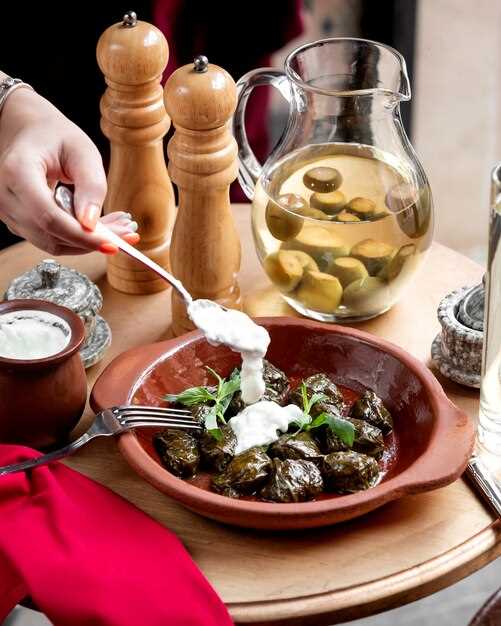
התחילו עם טיפ מעשי: הזמינו ויניארולה באוסטריה אביבית ליד הפרלמנט, שם צ'זרה שומר על המטבח נאמן למסורת. הגרסה העיקרית והפופולרית כוללת ארטישוקים לבנים ושעועית פאבה, אפונה ובצל טריים בבסיס שמן זית בהיר. לתוספת חלבון, הוסיפו בשר עגל או פנצ'טה; ואז עדיין תשמרו על המנה קלילה מספיק לערב חול. גישה זו מספקת טעם רב ללא כבדות.
קנו בחוכמה באזור לאציו: בחרו ארטישוקים מוצקים וחיוורים, הסירו את העלים החיצוניים הקשים כדי לשמור על הקצוות פריכים, והשרו כדי למנוע השחמה. אם אין פול טרי, אפשר להשתמש בפול קפוא מופשר או באפונה איכותית כתחליף. הבסיס הוא ירקות, לכן תשמרו היטב על החום כדי לשמור עליהם שלמים. השתמשו בכ-0.5 ליטר ציר או מים כדי להגיע לרתיחה עדינה, ואז הזיזו את הסיר חזרה לרתיחה קלה במידת הצורך, וסיימו עם שמן זית וקורט מלח.
שיטת הבישול נשארת ישירה: מטגנים בצל עד לשקיפות, מערבבים פנימה פלחי ארטישוק, ואז מוסיפים פול ואפונה. יוצקים בדיוק מספיק ציר כדי לכסות בקושי את הבסיס, ואז מבשלים על אש קטנה 15–20 דקות. מסיימים עם מעט פאסום למתיקות עדינה וטפטוף סופי של שמן. אין לבשל יתר על המידה; המרקם צריך להישאר רך, לא עיסתי. מנה זו יכולה להתאים ליין קליל, והיא משתלבת היטב עם פרוסת לחם כפרי פשוטה. שימו לב שהיא באופן מסורתי קלילה יותר מריזוטו מלא (ריזו). היא מתאימה לתזונה קלה.
הערות הגשה: להגיש בקערות רחבות כדי לאפשר לאדים לברוח; לשמור חם על אש קטנה ולהגיש מיד. אוסטריות ברחבי רומא מוכרות מנות המשקפות את המסורת של האזור, והמנה נוסעת היטב לקהל עולמי. לשמור שאריות במקרר עד יום, ואז לחמם בעדינות על הכיריים ולסיים עם טפטוף שמן. המנה העיקרית האזורית הזו הציגה דורות של טבחים לתיאבון קל, מבוסס ירקות, שהקיבה מעריכה.
רכיבי ליבה ועונתיות אביבית
התחילו עם מצרכי האביב הקלאסיים של לאציו – ארטישוק, פול, אפונה ולימונים – ובנו שלוש גרסאות קלילות שמתאימות לשולחן רומאי: טוויסטים מקוריים, פוברה וקזלטו. השתמשו בויניגרט לימון עם אנשובי כדי להתאים לירקות הירוקים וסיימו עם נגיעה של ליקואמן לעומק היסטורי.
מרכיבי ליבה שכדאי שיהיו לכם בהישג יד בעונה זו:
- ארטישוקים (carciofi) משווקי לאציו; לבחור ראשים הדוקים עם עלים ירוקים בהירים ולב עבה; לקצוץ, לשפשף עם לימון ולבשל בשיטה המסורתית (אידוי בשמן זית עם שום ונענע) לתוצאה רכה.
- פול (fave) ואפונה (piselli); לקלף, לחלוט ולקרר במי קרח; לשאוף לצבע ירוק עז ופריכות עדינה כדי לאזן את מתיקות האביב.
- לימונים; קליפה לבהירות ומיץ לויניגרט; החומציות הנקייה שלהם משתלבת עם ירקות ודגים.
- פילה אנשובי; להמיס בשמן זית או לטרוף לתוך ויניגרט כדי להעמיק את הטעם מבלי להשתלט על הירקות.
- Liquamen; optional in refined versions to evoke ancient Roman flavors; add a dash to dressings for a mineral note.
- Olive oil; choose a Lazio extra virgin with a light fruitiness for finishing and sautéing.
- Coriander; adds a citrus-pepper lift; use sparingly as a modern accent.
- Rice; a small risotto with spring greens or a lemon-herb garnish to extend the season’s reach into a heartier course.
- Black olives; rough chop to introduce a briny contrast to artichokes and greens.
- Folia; fresh herb leaves (mint, parsley, or basil) to garnish and balance texture.
- Vinaigrette; a simple mix of lemon juice, olive oil, garlic, and a whisper of anchovy; keep it clean and bright.
If you travelled Lazio markets with giuseppe or Umberto, you would spot three signature notes: tight artichoke hearts, sweet peas, and sparkling lemons, all ready for a quick vinaigrette.
Seasonal signals you can rely on now: artichokes lead the way from March to May, fava beans and early peas peak in late winter through spring, and lemons deliver consistent brightness through the season. Use these signals to plan quick pairings and the three versions of dishes you’ll prepare.
Three spring-ready versions
- Original artichoke salad: trim and blanch artichokes, slice, toss with lemon vinaigrette, add minced anchovy and a few olive fragments, finish with coriander leaves and a light zest of lemon for a bright balance.
- Povera twist: rustic artichoke and greens with fava beans, peas, and a splash of liquamen; serve warm with toasted bread, letting the pantry ingredients do most of the work.
- Casaletto-inspired risotto: use rice as a canvas for spring veg–artichoke shards, peas, and mint; finish with a drizzle of olive oil, lemon, and a handful of black olives for a subtle briny note.
Traditional Preparation Steps for Home Cooks
Rinse lentils in cold water until clear, hence start them simmering in litres of salted water. This common method is popular among citizens and home cooks alike, and these steps were handed down by grandmothers. Keep a gentle simmer, skim foam, and cook 30–40 minutes until the lentils are tender and hold shape. Test a lentil; it should stay intact rather than crumble, hence a reliable base for soups and guazzetto.
Guazzetto base: In a heavy pot, warm two tablespoons olive oil over medium heat. Add finely chopped onion and carrot; sauté until translucent. Stir in minced garlic, a pinch of dried herbs, and a few turns of black pepper (pepe). Add crushed tomatoes and a splash of stock; simmer 10–15 minutes to merge flavors. Unlike rushed sauces, this slow step builds a rich, balanced sauce for the fish or shellfish that go into the guazzetto.
Add proteins: pat dry chicken or quails; season with salt. Sear in the guazzetto base to lock in juices, then pour in enough litres of stock to cover halfway. Simmer gently until meat is tender: chicken 25–30 minutes, quails 15–20 minutes, depending on size. Rather than crowding the pot, cook in batches if needed.
Finish: Fold lentils into the simmering guazzetto near the end to harmonize textures. Some families lean on dottavia traditions, while arzilla variations may call for shorter cook times or a splash of white wine. Have the lavatore rinse greens and parsley before chopping so every bite stays fresh. To keep things calm in the kitchen, set a timer and avoid the supplizio of constant stirring; taste and adjust salt and pepe as you go. Among citizens, a squeeze of lemon brightens the finish.
Serving and storage: Serve hot with crusty bread; refrigerate leftovers in a covered container for up to 2 days. For longer keeping, freeze portions in glass jars of about one litre each. This approach delivers a homestyle Roman table that respects tradition while remaining practical for daily cooking.
Shopping Tips: Selecting Fresh Spring Vegetables in Rome
Choose asparagus with tight tips and firm stalks. In rome, morning markets like Campo de’ Fiori and Testaccio showcase a vivid spring display: artichokes with compact heads, green garlic, porrum, fava beans in bright pods, peas in glossy shells, radishes with crisp folia, spinach, and mushrooms. In italy, prices run roughly €2–€4 per bunch for asparagus, €2–€5 each for artichokes, and €6–€10 per kg for fava beans or peas. Read the signs to verify origin; some stalls carry labels from gioachino or dottavia, with fuerit hints on heirloom stock. Leave space in your bag for greens; most shoppers keep a second bag for leaves and herbs, same stall often offers good value. Mushrooms are enjoyed in quick sautés with garlic, a simple starter to try your first Roman market day.
Keep produce cool after purchase: store leafy folia in the crisper wrapped loosely in a damp cloth, and place thick-stemmed items like porrum and onion in separate slots. Mushrooms belong in a paper bag to stay dry, not in plastic that traps moisture. This requires prompt use and careful handling, since greens can wilt mightily in warm italy summers. Wash only what you’ll use and leave the rest dry for best flavor.
For quick meals, sauté mushrooms with onion and porrum, add peas or artichoke hearts, then finish with salt and a squeeze of lemon. Eggs pair nicely with spring vegetables–crack a few eggs for a light scramble or a quick frittata when you want to enjoy your greens with protein. While your wants lean toward a hearty dish, keep the vegetables colorful and bright, and use olive oil to bring out their sweetness.
When you browse, read farm labels and ask about seasons: some signs may show giudìa or other farm names; fuerit on a badge hints at heirloom stock. If you spot trippa nearby, consider a simple pairing with cooked greens to balance richness. Leave your cart only with what you’ll use soon; hence you can have fresh picks every visit.
If you see exotic options like ostrich eggs, remember they’re separate from produce; have them if you have room, or skip them and focus on the vibrant spring vegetables that define an Italian pantry. To stay on track, read the price boards, compare vendors, and chat with the stall owner named gioachino. This way, your shopping routine becomes smooth and you’ll leave with greens that taste like rome in april.
Where to Try Vignarola in Rome: Best Places and Seasonal Menus
Begin with Armando al Pantheon in Centro Storico this March–May, when vignarola returns to the menu. The kitchen stirs fava greens with artichokes and pomodori, tomato aroma mingling with mint. The dish finishes in brodo with salt and a drizzle of olive oil; usually a few tablespoons brighten the texture. Stir gently to blend the aromatics, and you’ll notice how the flavors lift. Hence this is your first stop for an authentic, rustic vignarola.
Roscioli, in Campo de’ Fiori, builds vignarola with greens sourced from vascellari stalls and nearby growers; the dish often appears on seasonal menus, depending on market yields. Usually they finish with chili and peperoni for warmth, and pomodori add brightness to the base. They serve with bread; you can stir it into brodo to adjust texture, and you can salt to taste. For a modern twist, ask for grains like farro or barley to give the dish more body; this version stands in contrast to the heavier gricia often found in winter menus. obligas yourself to try the mittis variant near monte Testaccio.
Da Cesare al Casaletto, near Monte Testaccio, keeps a robust, rustic vignarola: artichokes and fava beans simmered in a mild brodo, then stirred to blend flavors. It pairs well with meats or cutlets, yet stays easy on your stomach. Some versions finish with sheeps cheese for a tang, while others stay dairy-free; you can request chili to sharpen the profile or omit it if you prefer. If you want a lighter take, you can order mittis, a dairy-free note you’ll often see in modern menus. Visit in spring–the least risky choice–to enjoy a fresh, garden-forward vignarola.
Pairings, Variations, and Budget-Friendly Alternatives
Recommendation: For a glossy, budget-friendly finish, whisk 2 tablespoons milk into the cheese emulsion for Cacio e Pepe, then toss through hot pasta until the strands cling and the center shines, almost satin.
Pairings: A quick anchovy-condiment boosts plates. Mash 1 anchovy fillet with 1 tablespoon giovanni extra-virgin olive oil and 1/2 teaspoon chopped rosemary; spread the mix through hot pasta and topped with slices of Pecorino di Rieti. This umami lift suggests a reliable, pantry-friendly method and pairs well with zuppa di ceci on cooler evenings.
Variations: introduced last season, a pancetta substitute keeps Amatriciana affordable: use sliced pancetta or, for a vegetarian path, a handful of wild mushrooms; grind pepper through the sauce to sharpen the bite, then finish with rosemary and a touch more cheese.
Budget-Friendly Alternatives: Within the pantry, swap Pecorino di Rieti with a mix of aged Parmesan and a little extra Pecorino if needed, add 1-2 tablespoons milk to smooth the sauce, and rely on giovanni olive oil to enrich the finish in your kitchen. This might inspire you to experiment further, recognizing that almost any Roman pasta can carry a simple pairing without breaking the budget.