


 Ελληνικά
  English (UK)
  Русский
  বাংলা
বাংলা  العربية
  日本語
日本語  한국어
한국어  Magyar
  Norsk nynorsk
  Türkçe
  עִבְרִית
  Español
  Čeština
  Svenska
  Português
  Suomi
Suomi  Nederlands
  Română
  Italiano
  Français
  Polski
  Українська
  Deutsch
  简体中文
简体中文  Slovenčina
  Српски језик
  اردو
اردو  Azərbaycan dili
  O‘zbekcha
  አማርኛ
አማርኛ  24 Φαγητά της Ρώμης, Ιταλία – Διάσημα Ρωμαϊκά Πιάτα που Πρέπει να Δοκιμάσετε">
Δοκιμάστε πρώτα αυτές τις 24 τροφές της Ρώμης για να γευτείτε τις αγαπημένες γεύσεις της πόλης, αν και μπορεί να προγραμματίσετε επαναλήψεις καθώς ανακαλύπτετε νέες γωνιές. Αυτός ο κατάλογος απαιτεί προσεκτική επιλογή αυθεντικών τρατοριών, αγορών και οικογενειακών οστεριών, όχι τουριστικών παγίδων. Κάθε μπουκιά συνδέεται με αιώνες ρωμαϊκής μαγειρικής, από μια σιγοβράζουσα κατσαρόλα σε μια κουζίνα μέχρι ένα πιάτο που αποτυπώνει τον χαρακτήρα μιας γειτονιάς.
Ξεκινήστε με Σουπλί, το ζουμερός κέντρο κρυμμένο μέσα σε μια τραγανή κρούστα ψωμιού. Έπειτα απολαύστε Κάτσο ε Πέπε, όπου το πιπέρι και το τυρί γαλακτωματοποιούνται και δημιουργούν μια σατέν επίστρωση για κάθε κλωνάρι. Ανάμεσα στα κλασικά ζυμαρικά, Amatriciana και Καρμπονάρα αποκαλύψτε πώς η Ρώμη χρησιμοποιεί αυγά και τυρί για να δέσει η σάλτσα χωρίς κρέμα. Προσθέστε Αγκινάρες αλά Ρομάνα και Σαλτιμπóκα άλλα Ρομάνα για μια αρμονία χόρτων, βοτάνων και εκλεκτών κρεάτων.
Για ρουστίκ τσιμπολογήματα, αναζητήστε πορκέτα φέτες ενεργοποιημένο ψωμάκια και τραγανές στοίβες από Αγκινάρες α λα Giudia–αγκινάρες τηγανητές με τραγανό εξωτερικό και τρυφερή καρδιά. Ριγανάκι με αντίδια προσφέρει μια γλυκόπικρη αντίστιξη, συχνά τελειωμένη με ελαιόλαδο και μια σταγόνα λεμόνι. Εάν θέλετε κάτι παρήγορο, δοκιμάστε ένα μπρεζέ πιάτο με Κόντα α λα Βατσιναρα για μια πλούσια, σιγομαγειρεμένη ουρά μόσχου. Το ραδίκι λάμπει στο πιάτο ως μια φωτεινή αντίστιξη στα πιο πλούσια πιάτα.
Στις αγορές και τις τρατορίες, θα παρατηρήσετε σάλτσες να κολλάνε στα ζυμαρικά inside τα κατσαρά τους μαλλιά, επειδή οι μάγειρες τα στραγγίζουν και τα ανανεώνουν πριν τα σερβίρουν. A βραστός το αυγό μπορεί να εμφανιστεί σε λίγες παρασκευές, υπενθυμίζοντάς σας ότι η απλότητα συχνά κερδίζει. Για να συγκρίνετε υφές, ζητήστε μια μερίδα Νιόκι Ρομάνα με ψίχουλα ψωμιού ή ένα πιάτο Ριγκατόνι αλ' Αματριτσιάνα για μια δεύτερη ματιά σε μια οικεία γεύση.
Τοπικοί όπως Έντσο Μπονέλι δείχνουν μικροσκοπικά, διαρκή σημεία όπου ζουν ανέκδοτα της cepam–συμβουλές που θα ακούσετε να ψιθυρίζονται στις αγορές καθώς περιπλανιέστε στους πάγκους με σπόρους και λάδια. Ο enzo bonelli μοιράζεται συχνά πρακτικές συμβουλές. λίτρα ελαιολάδου παρατάσσονται στα ράφια και όλη η σκηνή είναι φιλική. Μια σημείωση από την teres, μια ντόπια μαγείρισσα, σας υπενθυμίζει να μαγειρεύετε με υπομονή και να διατηρείτε τη φλόγα απαλή για κάθε πιάτο.
Ανάμεσα σε αυτά τα πιάτα, ρυθμίστε τον εαυτό σας και αφήστε τη μνήμη της γεύσης σας να χτίσει ένα μωσαϊκό της Ρώμης σε λίγες μέρες. Ξεκινήστε με μια γρήγορη μπουκιά Σουπλί, και μετά κάντε έναν κύκλο στις γειτονιές, επιστρέψτε σε μια αγαπημένη και τελειώστε με μια αναζωογονητική Cicoria Ripassata ή μια ελαφριά σαλάτα.
Vignarola στο επίκεντρο ανάμεσα στα 24 πιάτα της Ρώμης: Πρακτικός Οδηγός
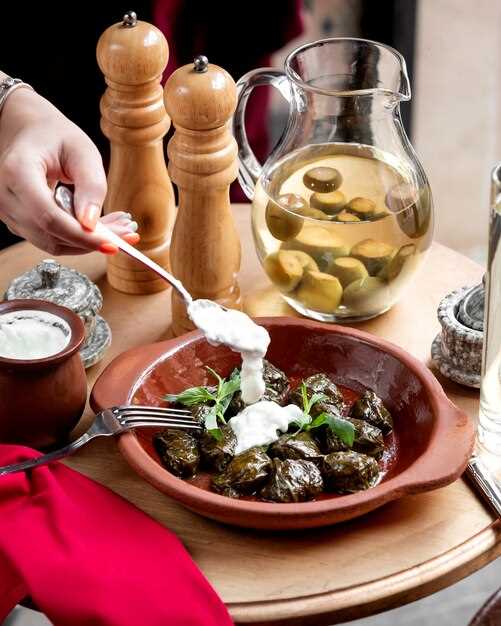
Ξεκινήστε με μια πρακτική συμβουλή: παραγγείλτε vignarola σε μια ανοιξιάτικη osteria κοντά στο parlamento, όπου ο cesare διατηρεί την κουζίνα πιστή στην παράδοση. Η κύρια, δημοφιλής εκδοχή περιλαμβάνει άσπρες αγκινάρες και φρέσκα φάβα, αρακά και κρεμμύδια σε μια ζωηρή βάση ελαιολάδου. Για επιπλέον πρωτεΐνη, προσθέστε μοσχάρι ή πανσέτα· τότε διατηρείτε ακόμα το πιάτο αρκετά ελαφρύ για μια καθημερινή βραδιά. Αυτή η προσέγγιση προσφέρει πολλή γεύση χωρίς βαρύτητα.
Αγοράστε έξυπνα στην περιοχή του Λατίου: επιλέξτε αγκινάρες σφιχτές και ανοιχτόχρωμες, αφαιρέστε τα σκληρά εξωτερικά φύλλα για να διατηρήσετε τις άκρες τραγανές και μουλιάστε τις για να μην μαυρίσουν. Εάν δεν υπάρχουν κουκιά, τα κατεψυγμένα ξεπαγωμένα φασόλια ή τα μπιζέλια καλής ποιότητας μπορούν να χρησιμοποιηθούν ως υποκατάστατο. Η βάση είναι λαχανικά, οπότε θα διαχειριστείτε τη θερμότητα για να τα διατηρήσετε άθικτα. Χρησιμοποιήστε περίπου 0,5 λίτρα ζωμό ή νερό για να επιτύχετε ένα ήπιο σιγοβράσιμο, στη συνέχεια μετακινήστε το τηγάνι πίσω σε ένα ελαφρύ σιγοβράσιμο, εάν χρειάζεται, και τελειώστε με ελαιόλαδο και μια πρέζα αλάτι.
Η μέθοδος μαγειρέματος παραμένει άμεση: σοτάρετε το κρεμμύδι μέχρι να γίνει διάφανο, ενσωματώστε τις αγκινάρες σε φέτες, στη συνέχεια προσθέστε κουκιά και αρακά. Ρίξτε ζωμό ίσα-ίσα να καλύψει τη βάση και σιγοβράστε για 15–20 λεπτά. Ολοκληρώστε με μια σταγόνα passum για μια διακριτική γλυκύτητα και ένα τελευταίο ψέκασμα λαδιού. Μην το παραμαγειρέψετε· η υφή πρέπει να παραμείνει μαλακή, όχι πολτώδης. Αυτό το πιάτο μπορεί να συνδυαστεί με ένα ελαφρύ κρασί και συνοδεύεται καλά με μια απλή φέτα τραγανό ψωμί. Σημειώστε ότι είναι παραδοσιακά ελαφρύτερο από ένα πλήρες ριζότο (riso). Ταιριάζει σε μια ελαφριά διατροφή.
Οδηγίες σερβιρίσματος: σερβίρετε σε βαθιά μπολ για να διαφεύγει ο ατμός. Διατηρήστε το φαγητό ζεστό σε χαμηλή φωτιά και σερβίρετε αμέσως. Οι ρωμαϊκές ταβέρνες πωλούν μερίδες που αντανακλούν την παράδοση της περιοχής και το πιάτο ταξιδεύει καλά σε ένα παγκόσμιο κοινό. Διατηρήστε τα υπολείμματα στο ψυγείο για έως και μία ημέρα και στη συνέχεια ζεστάνετε απαλά στην κουζίνα και τελειώστε με μια σταγόνα λάδι. Αυτό το κύριο, τοπικό πιάτο έχει μυήσει γενιές μαγείρων σε μια ελαφριά, φυτική όρεξη που εκτιμούν τα στομάχια.
Βασικά Συστατικά και Εποχικότητα Άνοιξης
Ξεκινήστε με βασικά ανοιξιάτικα υλικά του Λάτσιο–αγκινάρες, κουκιά, μπιζέλια και λεμόνια–και δημιουργήστε τρεις ελαφριές εκδοχές που ταιριάζουν σε ένα Ρωμαϊκό τραπέζι: μια αυθεντική, μια «povera» και μια «casaletto». Χρησιμοποιήστε μια βινεγκρέτ λεμονιού με αντζούγια για να ταιριάξει με τα χόρτα και τελειώστε με μια πινελιά liquamen για ιστορικό βάθος.
Βασικά συστατικά που πρέπει να έχετε πρόχειρα αυτή τη σεζόν:
- Αγκινάρες (carciofi) από τις αγορές του Λατίου· επιλέξτε σφιχτά κεφάλια με ανοιχτό πράσινο χρώμα στα φύλλα και παχιά καρδιά· καθαρίστε, τρίψτε με λεμόνι και μαγειρέψτε χρησιμοποιώντας την παραδοσιακή μέθοδο (σιγοβράσιμο σε ελαιόλαδο με σκόρδο και μέντα) για ένα τρυφερό αποτέλεσμα.
- Φάβα και αρακάς (piselli): καθαρίστε τα, ζεματίστε τα και βάλτε τα σε παγωμένο νερό. Στόχος είναι ένα ζωηρό πράσινο χρώμα και μια τρυφερή τραγανή υφή για να εξισορροπηθεί η γλυκύτητα της άνοιξης.
- Λεμόνια· ξύσμα για λάμψη και χυμός για βινεγκρέτ· η καθαρή οξύτητά τους ταιριάζει με χόρτα και ψάρια.
- Φιλέτα αντσούγιας: λιώστε τα σε ελαιόλαδο ή χτυπήστε τα σε βινεγκρέτ για να εντείνετε τη γεύση χωρίς να υπερκαλύψετε τα λαχανικά.
- Λικουάμεν· προαιρετικό σε εκλεπτυσμένες εκδοχές για να ανακαλέσει αρχαίες ρωμαϊκές γεύσεις· προσθέστε μια πρέζα σε σάλτσες για μια μεταλλική νότα.
- Ελαιόλαδο: επιλέξτε ένα εξαιρετικό παρθένο ελαιόλαδο Λατίου με ελαφριά φρουτώδη γεύση για τελείωμα και σοτάρισμα.
- Coriander; adds a citrus-pepper lift; use sparingly as a modern accent.
- Rice; a small risotto with spring greens or a lemon-herb garnish to extend the season’s reach into a heartier course.
- Black olives; rough chop to introduce a briny contrast to artichokes and greens.
- Folia; fresh herb leaves (mint, parsley, or basil) to garnish and balance texture.
- Vinaigrette; a simple mix of lemon juice, olive oil, garlic, and a whisper of anchovy; keep it clean and bright.
If you travelled Lazio markets with giuseppe or Umberto, you would spot three signature notes: tight artichoke hearts, sweet peas, and sparkling lemons, all ready for a quick vinaigrette.
Seasonal signals you can rely on now: artichokes lead the way from March to May, fava beans and early peas peak in late winter through spring, and lemons deliver consistent brightness through the season. Use these signals to plan quick pairings and the three versions of dishes you’ll prepare.
Three spring-ready versions
- Original artichoke salad: trim and blanch artichokes, slice, toss with lemon vinaigrette, add minced anchovy and a few olive fragments, finish with coriander leaves and a light zest of lemon for a bright balance.
- Povera twist: rustic artichoke and greens with fava beans, peas, and a splash of liquamen; serve warm with toasted bread, letting the pantry ingredients do most of the work.
- Casaletto-inspired risotto: use rice as a canvas for spring veg–artichoke shards, peas, and mint; finish with a drizzle of olive oil, lemon, and a handful of black olives for a subtle briny note.
Traditional Preparation Steps for Home Cooks
Rinse lentils in cold water until clear, hence start them simmering in litres of salted water. This common method is popular among citizens and home cooks alike, and these steps were handed down by grandmothers. Keep a gentle simmer, skim foam, and cook 30–40 minutes until the lentils are tender and hold shape. Test a lentil; it should stay intact rather than crumble, hence a reliable base for soups and guazzetto.
Guazzetto base: In a heavy pot, warm two tablespoons olive oil over medium heat. Add finely chopped onion and carrot; sauté until translucent. Stir in minced garlic, a pinch of dried herbs, and a few turns of black pepper (pepe). Add crushed tomatoes and a splash of stock; simmer 10–15 minutes to merge flavors. Unlike rushed sauces, this slow step builds a rich, balanced sauce for the fish or shellfish that go into the guazzetto.
Add proteins: pat dry chicken or quails; season with salt. Sear in the guazzetto base to lock in juices, then pour in enough litres of stock to cover halfway. Simmer gently until meat is tender: chicken 25–30 minutes, quails 15–20 minutes, depending on size. Rather than crowding the pot, cook in batches if needed.
Finish: Fold lentils into the simmering guazzetto near the end to harmonize textures. Some families lean on dottavia traditions, while arzilla variations may call for shorter cook times or a splash of white wine. Have the lavatore rinse greens and parsley before chopping so every bite stays fresh. To keep things calm in the kitchen, set a timer and avoid the supplizio of constant stirring; taste and adjust salt and pepe as you go. Among citizens, a squeeze of lemon brightens the finish.
Serving and storage: Serve hot with crusty bread; refrigerate leftovers in a covered container for up to 2 days. For longer keeping, freeze portions in glass jars of about one litre each. This approach delivers a homestyle Roman table that respects tradition while remaining practical for daily cooking.
Shopping Tips: Selecting Fresh Spring Vegetables in Rome
Choose asparagus with tight tips and firm stalks. In rome, morning markets like Campo de’ Fiori and Testaccio showcase a vivid spring display: artichokes with compact heads, green garlic, porrum, fava beans in bright pods, peas in glossy shells, radishes with crisp folia, spinach, and mushrooms. In italy, prices run roughly €2–€4 per bunch for asparagus, €2–€5 each for artichokes, and €6–€10 per kg for fava beans or peas. Read the signs to verify origin; some stalls carry labels from gioachino or dottavia, with fuerit hints on heirloom stock. Leave space in your bag for greens; most shoppers keep a second bag for leaves and herbs, same stall often offers good value. Mushrooms are enjoyed in quick sautés with garlic, a simple starter to try your first Roman market day.
Keep produce cool after purchase: store leafy folia in the crisper wrapped loosely in a damp cloth, and place thick-stemmed items like porrum and onion in separate slots. Mushrooms belong in a paper bag to stay dry, not in plastic that traps moisture. This requires prompt use and careful handling, since greens can wilt mightily in warm italy summers. Wash only what you’ll use and leave the rest dry for best flavor.
For quick meals, sauté mushrooms with onion and porrum, add peas or artichoke hearts, then finish with salt and a squeeze of lemon. Eggs pair nicely with spring vegetables–crack a few eggs for a light scramble or a quick frittata when you want to enjoy your greens with protein. While your wants lean toward a hearty dish, keep the vegetables colorful and bright, and use olive oil to bring out their sweetness.
When you browse, read farm labels and ask about seasons: some signs may show giudìa or other farm names; fuerit on a badge hints at heirloom stock. If you spot trippa nearby, consider a simple pairing with cooked greens to balance richness. Leave your cart only with what you’ll use soon; hence you can have fresh picks every visit.
If you see exotic options like ostrich eggs, remember they’re separate from produce; have them if you have room, or skip them and focus on the vibrant spring vegetables that define an Italian pantry. To stay on track, read the price boards, compare vendors, and chat with the stall owner named gioachino. This way, your shopping routine becomes smooth and you’ll leave with greens that taste like rome in april.
Where to Try Vignarola in Rome: Best Places and Seasonal Menus
Begin with Armando al Pantheon in Centro Storico this March–May, when vignarola returns to the menu. The kitchen stirs fava greens with artichokes and pomodori, tomato aroma mingling with mint. The dish finishes in brodo with salt and a drizzle of olive oil; usually a few tablespoons brighten the texture. Stir gently to blend the aromatics, and you’ll notice how the flavors lift. Hence this is your first stop for an authentic, rustic vignarola.
Roscioli, in Campo de’ Fiori, builds vignarola with greens sourced from vascellari stalls and nearby growers; the dish often appears on seasonal menus, depending on market yields. Usually they finish with chili and peperoni for warmth, and pomodori add brightness to the base. They serve with bread; you can stir it into brodo to adjust texture, and you can salt to taste. For a modern twist, ask for grains like farro or barley to give the dish more body; this version stands in contrast to the heavier gricia often found in winter menus. obligas yourself to try the mittis variant near monte Testaccio.
Da Cesare al Casaletto, near Monte Testaccio, keeps a robust, rustic vignarola: artichokes and fava beans simmered in a mild brodo, then stirred to blend flavors. It pairs well with meats or cutlets, yet stays easy on your stomach. Some versions finish with sheeps cheese for a tang, while others stay dairy-free; you can request chili to sharpen the profile or omit it if you prefer. If you want a lighter take, you can order mittis, a dairy-free note you’ll often see in modern menus. Visit in spring–the least risky choice–to enjoy a fresh, garden-forward vignarola.
Pairings, Variations, and Budget-Friendly Alternatives
Recommendation: For a glossy, budget-friendly finish, whisk 2 tablespoons milk into the cheese emulsion for Cacio e Pepe, then toss through hot pasta until the strands cling and the center shines, almost satin.
Pairings: A quick anchovy-condiment boosts plates. Mash 1 anchovy fillet with 1 tablespoon giovanni extra-virgin olive oil and 1/2 teaspoon chopped rosemary; spread the mix through hot pasta and topped with slices of Pecorino di Rieti. This umami lift suggests a reliable, pantry-friendly method and pairs well with zuppa di ceci on cooler evenings.
Variations: introduced last season, a pancetta substitute keeps Amatriciana affordable: use sliced pancetta or, for a vegetarian path, a handful of wild mushrooms; grind pepper through the sauce to sharpen the bite, then finish with rosemary and a touch more cheese.
Budget-Friendly Alternatives: Within the pantry, swap Pecorino di Rieti with a mix of aged Parmesan and a little extra Pecorino if needed, add 1-2 tablespoons milk to smooth the sauce, and rely on giovanni olive oil to enrich the finish in your kitchen. This might inspire you to experiment further, recognizing that almost any Roman pasta can carry a simple pairing without breaking the budget.