


 עִבְרִית
  English (UK)
  Русский
  বাংলা
বাংলা  العربية
  日本語
日本語  한국어
한국어  Magyar
  Norsk nynorsk
  Türkçe
  Español
  Čeština
  Svenska
  Português
  Ελληνικά
  Suomi
Suomi  Nederlands
  Română
  Italiano
  Français
  Polski
  Українська
  Deutsch
  简体中文
简体中文  Slovenčina
  Српски језик
  اردو
اردو  Azərbaycan dili
  O‘zbekcha
  አማርኛ
አማርኛ 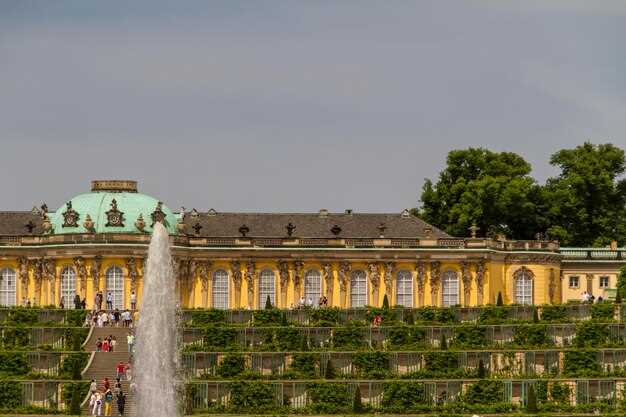 ארמון בלוודר – יצירת המופת הבארוקית של וינה – היסטוריה, אדריכלות וטיפים לביקור">
התחילו את הביקור שלכם מוקדם בבוקר ורכשו כרטיס משולב בדלפק בלוודר כדי למקסם את הזמן. ה טירה הקומפלקס שוכן באזור ירוק ברינגשטראסה של וינה, והחזיתות החיצוניות זוהרות באור זהוב כשהעיר מתעוררת.
שני הביתנים נבנו בתחילת המאה ה-18 בפקודת הנסיך אויגן מסבויה, ותוכננו על ידי האדריכל יוהאן לוקאס פון הילדברנדט. השם בלוודר מציין נקודת תצפית, והעיצוב משלב גנים רשמיים עם נופים מרהיבים של וינה, ומזמין את המבקרים לעצור ברגע שבו המזרקות מציתות את האוויר.
הבלוודר התחתון והבלוודר העליון יוצרים יחד קומפוזיציה בארוקית מאוזנת, עם פרטים כגון טיח מצופה זהב, פילסטרים נועזים ופסלים הנראים מהגרם המדרגות הגדול. החוץ משדר תנועה ואור, בעוד שהחללים הפנימיים מארחים את הגלריה האוסטרית, הכוללת את "הנשיקה" של קלימט ויצירותיו האקספרסיביות של אגון שילה. באזור הסובב, גותי צריחי הכנסיות מתנגשים עם קימורי הארמון, ויוצרים קו רקיע רב-שכבתי שנותר בעינו still היום.
תכננו מספיק זמן לטיול בגנים, עצירה בחנות המזכרות ו- בדיקה של שעות פתיחה. עבור morning ביקור, הרכיבו את המסלול שלכם כדי שתוכלו ליהנות מה שפע של טרסות ירוקות, ה moment של אור על מתקני המים, וההזדמנות לרכוש souvenir רפרודוקציות. אם אתם אוהבים ציפורים, ייתכן שתזהו פרפר בין הגדרות החיות כשאתם הולכים במסדרון שבין השניים אזורים של המתחם, ואחר כך תוכלו להחליט באיזו גלריה להתעכב לפני שתחזרו לתחנת החשמלית או האוטובוס הקרובה ביותר.
ארמון בלוודר: יצירת המופת הבארוקית של וינה – היסטוריה, אדריכלות וטיפים לביקור; 19 נקודות אינסטגרם מדהימות בווינה שאסור לכם לפספס
התחילו את היום בחזית ארמון בלוודר כדי לצלם תצפית פנורמית על קו הרקיע המרכזי של וינה והנהר הסמוך; רכשו כרטיס משולב כדי להיכנס לשני הארמונות וטיילו בגנים כדי לנצל את הזדמנויות התאורה של הבוקר.
הבלוודר הוא פנינה בארוקית שנבנתה בתחילת המאה ה-18 עבור הנסיך אויגן מסבויה. שני המבנים העיקריים שלו – הבלוודר העליון והתחתון – מחוברים על ידי גנים רשמיים ומזרקות, והמכלול יושב על גבעה מתונה שגורמת לכל צילום חיצוני להיראות קולנועי. כיום, המתחם מאכלס את הגלריה האוסטרית ונותר מקום אהוב על מקומיים ומבקרים כאחד, כדי להעריך יצירות אוסטריות בסביבה המשmatchesה היסטוריה עם תרבות חיה.
מבחינה אדריכלית, הפריסה עוקבת אחר עיצוב צירי מפואר: קו טרסה מרכזי, ערוגות פרחים גזוזות בקפידה ורצף של חזיתות מונומנטליות הממסגרות את העיר שמעבר. החיצוניות הלבנה מטרבנטין מנוגדות לחדרים פנימיים חמים, בעוד שהחללים מזכוכית ועצי דקל של האורנז'רי מביאים מגע של אור טרופי לטיולי חורף. התוצאה היא מיקום שבו חיצוניות, חללים פנימיים ונוף משתלבים לחוויה פוטוגנית אחת.
כשאתם מתכננים ביקור, בדקו קודם את שעות הפתיחה ואפשרויות הכרטיסים, ואז תכננו מסלול הליכה בוקר: התחילו עם החזית הקדמית בארמון העליון, רדו דרך הגנים, וסיימו בחממה לתמונות פנים בהירות. העומס בשבתות יכול להיות אינטנסיבי, אז שקלו להגיע מוקדם או לחזור בשעות אחר הצהריים המאוחרות. בתי קפה סמוכים מציעים הפסקה קצרה, ומזכרות מחנות המתנות הן תוספת נחמדה לבוקר שלכם בבירת אוסטריה.
מעבר לב Belvedere, וינה מתגמלת צלמים בשילוב של סצנות היסטוריות ומודרניות. הרבעים המרכזיים של העיר, כיכרות Rathaus המהודרות והנופים הנהריים מספקים שפע הזדמנויות נוספות למסגר צילומים איקוניים וחיי מקומיים. אם אתם בעניין של מקומות קלאסיים, שלבו את Belvedere עם ביקור באופרה לצילום חיצוני, או טיילו לגראבן (Graben) כדי לקבל צללית של קתדרלת סנט סטפן. למצב רוח עונתי, אורות חג המולד לאורך ה Rathausplatz יוצרים אווירה חמימה וחגיגית המשתלבת עם השורשים הבארוקיים של העיר.
| נקודה | מקום | ההימור הטוב ביותר | טיפים |
|---|---|---|---|
| חזית ארמון בלוודר (עליון) | בלוודיר עליון, כניסה ראשית | קו הרקיע של העיר ממוסגר על ידי מגדלי הארמון | צא עם אור ראשון; השתמש בעדשה רחבה כדי לתפוס את העמודים |
| המרפסת העליונה של בלוודר | מרפסת המשקיפה על וינה | נוף עירוני פנורמי עם הנהר במרחק | עמוד על הקצה לעומק; סנן לבהירות. |
| החלק החיצוני של ארמון בלוודר התחתון | אקסטריור וגנים של הארמון התחתון | חזיתות סימטריות עם акценטים של מזרקות | צילום מהציר המרכזי; שמש אחר הצהריים עובדת טוב |
| אולם עצי תפוז ודקלים | פנים חממה | דקלים גבוהים על רקע קירות זכוכית | ללכוד השתקפויות; בקרים בהירים יותר עוזרים |
| פנים גרם המדרגות הגדול | בתוך גרם המדרגות הראשי | קווים אנכיים, קנה מידה עצום, אור דרמטי | השתמש בנקודת מבט בגובה ביניים כדי להדגיש גובה |
| גני מִשְׁטָחים | ערוגות גינה גיאומטריות | גדרות חיות מעוצבות המובילות אל הארמון | צעדו בשביל המרכזי לסימטריה; שעת הזהב מוסיפה חמימות. |
| אגן האגם והשתקפות | מאפייני מים בין ארמונות | השתקפויות חזיתות במים עומדים | השקט של הבוקר המוקדם מניב את ההרהורים הטובים ביותר |
| טיילת ציר מרכזי | נתיב בין בלוודר עליון ותחתון | קווים מובילים לקו הרקיע | השתמשו בחצובה לצילום בחשיפה ארוכה בימים מעוננים |
| תצפית נוף גבעת בלוודר | אזור גבעות סמוך | פנורמת עיר עם הארמון בקדמת הבמה | נהדר לצילומי שקיעה; הביאו עדשה רחבה |
| נוף לכיכר ראטהאוס | אזור ראטהאוס, בקרבת מקום | בית עירייה גותי עם אורות חגיגיים בחורף | אפשר להגיע ברגל מבֶּלְוֶודֶר; כדאי לבדוק את שוקי החורף |
| בית האופרה של וינה - מבט חיצוני | סביבת האופרנרינג | חזית איקונית וקשתות | תאורה לילית מוסיפה דרמה; שימו לב לקהל. |
| צללית קתדרלת סנט סטפן | אזור גראבן לכיוון סטפנסדום | צריחים אפלים על רקע שמי ערב | לצלם מרחוב צדדי; להתאים ניגודיות לקבלת קונטור |
| חצרות מוזיאון הרובע | מתחם MQ | מודרני בניגוד לחומות היסטוריות | הכי טוב בשעות אחר הצהריים המאוחרות כשאנשים נרגעים ויוצרים חיים |
| חזית ה-Hundertwasserhaus | וידן (רובע) | אדריכלות צבעונית ומשונה | צלם מזווית נמוכה ליצירת פרספקטיבה דינמית |
| החלק החיצוני של הקארלסקירכה | ליד כיכר קרלס | כיפה בארוקית עם מגדלים מרובעים | אורות הערב מדגישים את פרטי הפסל |
| גלגל ענק בפראטר | פארק השעשועים פראטר | גלגל קדמי עם רקע של העיר | שעת הזהב מניבה גוונים חמים; לתפוס צלליות של רוכבים |
| סצנת רחוב בתעלת הדנובה | גדות תעלת הדנובה | קירות גרפיטי וגשרים מעל מים | הכי טוב עם מסלול הליכה מהיר; לצלם מגשרים |
| וייב של בוקר בנאשמרקט | אזור הנאשמרקט | דוכנים צבעוניים וחיי שוק | הקדימו להגיע; צבעי הספקים בולטים באור טבעי |
| גני ארמון שנברון (לעיון) | פארק שנברון | שטחים נרחבים ומזרקות | השתמשו בזאת כניגוד לקנה המידה האינטימי של בלוודר |
עברו בין הנקודות הללו, סביב הרובעים המרכזיים, ולכיוון נקודות תצפית על הנהר כדי לבדוק את ליבה של העיר; תמצאו זרימה קבועה של הזדמנויות לתפוס רגעים איקוניים. אם אתם מחפשים מזכרות או מתנות קטנות, החנות בלוודר ובתי הקפה הסמוכים משלימים את הטיול, ותצאו עם זיכרונות המשלבים אמנות, אדריכלות ואווירה מקומית. העיר הקומפקטית הזו מציעה מגוון עצום של צילומים ביום אחד, והאור הנכון יכול להפוך כל פינה לצילום מועדף.
ארמון בלוודר: היסטוריה, ארכיטקטורה וטיפים לביקור
ארגנו את הביקור שלכם על ידי הזמנת כרטיס משולב לבלוודר התחתון והעליון, והקדישו שעתיים וחצי עד שלוש שעות כדי לחקור את שני הבתים, אזור הגן והחממה. שם, התחילו במרפסת הדרומית כדי לתפוס את האור דמוי הזוהר הצפוני, ואז עברו בין החדרים עם ציורי הקיר ההיסטוריים. האזור שמסביב תוסס, עם בתי קפה וחנויות לאורך אותו קטע, ותוכלו לשלב את הטיול עם מבט על הונדרטוואסרהאוס ואלברכטסברונן הסמוכים.
The Belvedere complex is a former summer residence built in the early 18th century. Prince Eugene of Savoy commissioned it, and the architect Johann Lukas von Hildebrandt shaped a lively Baroque ensemble that stands on the garden axis, with sides facing the sprawling grounds. In austria, the Belvedere anchors Vienna’s Baroque identity; the era resonates with mozart as a central figure in the city’s musical life. The two palaces sit on the same axis, forming a clear, symmetrical area that visitors can navigate with ease.
Architecture details emphasize tall facades and a strong use of light. Oberes Belvedere and Unteres Belvedere bookend the axis, and the south-facing windows flood the rooms with natural light. The indoor spaces include formal rooms and a historic library, while the Great Orangery acts as a greenhouse-like link to the gardens. The careful balance of interiors and exterior terraces creates a cohesive flow between rooms and open spaces, making the whole site feel like one continuous, bright house.
The collection really shines in Oberes Belvedere, where Klimt’s works sit alongside other Austrian masters. The rooms showcase a refined display of art, and the views from the terraces connect indoors with the surrounding parklands. For visitors who love art and architecture, this combination is truly a highlight in austria’s cultural landscape, offering a perfect blend of history, light, and color.
Nearby and practical: The area blends with Vienna’s homes and streets, while the university district nearby offers cafés and quick study spots if you want to extend your day. There are other Baroque sites in Vienna, however Belvedere remains a premier choice for a compact, high-value visit. The gift shop features post cards and small keepsakes, and the surrounding zone includes albrechtsbrunnen and other historic markers that invite a relaxed stroll.
Visiting tips
- Plan a two-part route: Unteres Belvedere first to see the historic rooms, then ascend to Oberes Belvedere for the main art collection. This order helps you manage crowds while enjoying the best light on the south side.
- Tickets: choose a combined pass for both palaces; look for student or group discounts if applicable; booking ahead reduces waits.
- Photography: photography is generally allowed in public spaces; avoid flash and keep hands away from artworks and fixtures in the rooms.
- Timing: weekdays or early morning hours are ideal for a calmer experience; linger on terraces when the light is soft and the surroundings feel serene.
- What to bring: comfortable shoes for long corridors, a light jacket for the terraces, and a plan to visit the greenhouse if you want a calmer space away from interior crowds.
- Nearby stops: after Belvedere, consider a stroll toward hundertwasserhaus and albrechtsbrunnen; the university area offers cafés and quiet corners to rest a bit before you return there.
Historical milestones you should know before visiting
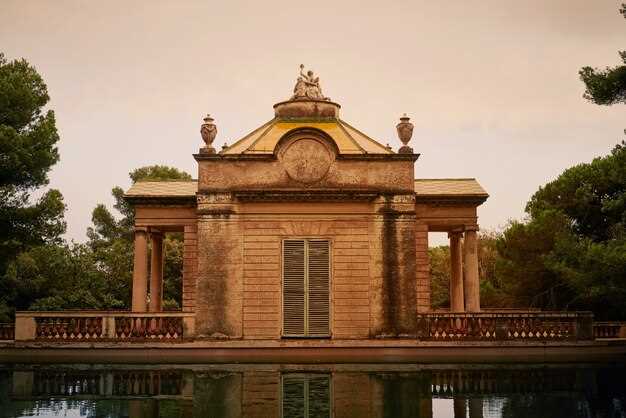
Reserve a guided tour of Unteres and Oberes Belvedere to grasp the key milestones in the palace’s history. Commissioned by Prince Eugene of Savoy, the project was designed by Johann Lukas von Hildebrandt; Unteres Belvedere opened around 1716 and Oberes followed in 1723. The warm mustard plaster on the façades and the precise axial layout reflect Baroque theatre in stone, while the innere setting and proximity to ringstrasse place you in the heart of Vienna’s historic center.
Milestone two focuses on the dramatic ענק staircase that links the two palaces and rises to the terrace. Shoot photos from multiple angles as you ascend, and notice how the sightlines frame Vienna’s skyline–an effect that still resonates while you walk the main axis toward the gardens.
Milestone three marks the shift from residence to gallery. By the late 19th and early 20th centuries, the Belvedere housed an imperial art collection. Klimt’s The Kiss anchors the Upper Belvedere, while the marie room decorations reveal late‑eighteenth‑century tastes; together they form a great arc of works that draw visitors from around the world. Your opinion will vary on how the rooms pair with the paintings, but most agree the juxtaposition is striking.
Milestone four comes with Vienna’s Ringstrasse era. In the 19th century, the surrounding city transformed dramatically, and Ferstel’s decorative influence appears in entrances and interiors that harmonize Baroque core with neo‑renaissance touches. The Belvedere thus evolves into a public-facing museum that safeguards masterpieces for justice–making art accessible to everyone who visits.
Milestone five situates the Belvedere in the modern era. After World War I, the palace became a state museum, linking the palace to the Austrian Gallery network and ensuring several generations can experience Klimt, Schiele, and other favorites. Being nearby the Innere Stadt and along ringstrasse, a visit here pairs well with a circular walk through Vienna’s historic core and a stop at nearby cafés for a quick rest on a seat between galleries.
Practical tips to plan your day: book online to skip lines and pick a morning slot if possible; arrive with comfortable shoes to navigate the מדרגות and terrace; you can shoot photos, but respect indoor rules on flash; if you visit before christmas, check the schedule for seasonal displays that add a festive glow to the mustard façades. Your packed plan can include several galleries, a quick stroll along ringstrasse, and a final look over the innere city–perfect for reflecting on the palace’s great history before you לְבַקֵּר.
Baroque architecture highlights: façade, interiors, and decorative details
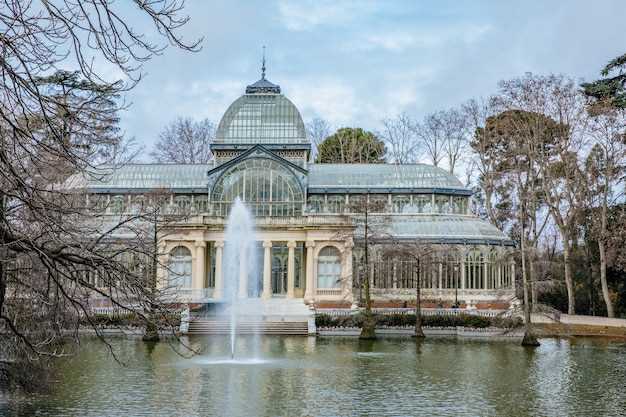
Begin with the Lower Belvedere façade to feel the Baroque rhythm from the street. The two-wing plan frames a grand forecourt, offering a strong axis toward the court and gardens. The ground floor presents cream and mustard tones in rustication, while the upper levels use lighter plaster and a heavy cornice line. From the pavement, the central projection and curved corner pavilions convey momentum and power; hundreds of visitors photograph the contrast of mass and light. Morning light emphasizes the depth of sculpted moldings, and you’ll want to raise the camera for a still shot that captures scale.
Inside, ascend to the grand stair and explore the interiors where gilded stucco, marble fireplaces, and carved door frames meet a sense of drama. The rooms pair with the exterior’s frontal strength through ceiling frescoes and decorative details like cartouches and sunbursts. The effect remains true to Baroque taste, a kind of nouveau Baroque craft that aims to touch the court through grandeur. Present your favorite shot to a travel partner as you navigate from vestibule to Hall, and use the camera to capture a panoramic sweep of the halls, where light plays on cream walls and gilding.
Practical tips: Plan your visit to start in the morning; morning visits minimize queues, and afternoon sessions stay busy, yet you still move at a comfortable pace. From the palace, take the metro to reach central Vienna and stroll along the pavement toward the city. For a change of pace, hop to schmetterlinghaus for a tropical contrast, then follow vindobona history into nearby city streets. Bring a camera with a wide angle; plan a shot by the Lower Belvedere façade framed against a blue sky, or look for a grand staircase lit by afternoon light. If winter visits, the interiors offer warmth, and you can pair with opera or ballets at other venues to extend your day.
Palace layout and must-see rooms: Lower vs Upper Belvedere
Begin with Upper Belvedere to chase Klimt’s The Kiss and the European gallery highlights, then move to Lower Belvedere for 18th-century interiors and ornate state rooms.
The two pavilions sit on raised terraces and are divided by a formal axis. Upper Belvedere sits on the higher terrace with sweeping views over Vienna, while Lower Belvedere anchors the lower end of the axis. A monumental staircase and column-lined loggia connect the two buildings, and wide pavements lead visitors through formal squares toward the garden terraces. Trams stop at nearby Karlsplatz (Charlesplatz), and stations along the route make it easy to combine Belvedere with a stroll through central Vienna.
In Lower Belvedere, the must-see rooms unfold around the Marmorsaal–the Marble Hall–and the richly decorated 18th-century state suites. Note the elegant frescoes, the carved hands of the sculpted balustrades, and the way the light hits the painted ceilings. This half of the palace feels divided from the Upper by design, yet it preserves everything you expect from Austrian Baroque craft, with an amazing level of detail on the columns and ceilings.
Upper Belvedere concentrates the notable works of the Austrian collection, headlined by Klimt and Schiele. The gallery corridors run long and wide, with high ceilings and columned passages that frame each painting. The setting creates perfect photo opportunities for a photoshoot, and the rooms themselves offer not only art but a clear sense of 18th- and 19th-century European taste preserved in Austria. If you plan for time, you can list the key pieces and pace the rooms to save energy for the entire visit.
Plan at least 2–3 hours and book tickets online to save time. Early morning light on the terraces creates aurora-like hues on the façades and makes the squares around Karlsplatz extra inviting for a quick stroll. After the Belvedere, you can continue your architectural walk to nearby Hundertwasserhaus and the surrounding buildings, turning your day into a compact European photo-essay with wide opportunities across stations, squares, and tram routes. austria’s rich Baroque heritage makes this route a natural highlight for any Vienna visit.
Visiting logistics: tickets, hours, tours, and accessibility
Buy tickets online in advance to save time and guarantee entry on your preferred day. Online options include single-palace passes for the Upper Belvedere or the Lower Belvedere, plus a combined Belvedere pass that covers both sites. Prices typically start around €15–€20 for a single palace and €25–€35 for a combined visit; check the official site for current numbers, seasonal offers, and any discounts for students or seniors.
Hours vary by season, but expect open times roughly from 9:00 to 18:00 on most days, with the last entry about 30 minutes before closing. In summer, occasional evening openings may occur on select days, so check the hours page on the website or the on-site maps before you go. Arrive 15 minutes early if you plan to join a guided tour or a photography session; you might capture well-lit photos as natural light shifts through the interiors.
Tours and experiences: Guided tours run in several languages at set times, including a 60-minute highlights tour and a longer in-depth option that covers both palaces and the gardens. Audio guides are available in multiple languages, and private tours can be arranged with advance notice. For a smooth visit, you can choose from three main formats: standard guided tour, audio-guided visit, or a private, tailor-made route. Reserve slots online when possible, especially in peak seasons.
Accessibility and practicalities: The complex offers step-free access to many areas, and lifts connect the major floors of both palaces. Some rooms and staircases require steps; staff can assist with alternatives or seating. Accessible restrooms are available, and maps or staff can point you to the best routes. Wheelchair users should book assistance in advance if you need a longer, more comfortable path. Photographers are welcome; camera use is generally allowed without flash, but guards may request you step back near delicate artworks. On-site cafés or coffee stands provide refreshments between rooms, and you’ll find a palm plant in the lobby that adds a natural touch. The lower area and garden terraces offer lots of photo spots and cute streets nearby invite a short stroll after your visit.
Top 19 Instagram spots in Vienna (including Belvedere): photo-ready moments
Begin at the Belvedere front steps at golden hour for your most-epic shot, then move through Vienna’s iconic corners for photo-ready moments in every mood.
- Belvedere Palace – front steps at golden hour; frame the two pavilions with the statue in the foreground for a balanced, classic composition.
- שטפנסplatz – החוץ של קתדרלת סנט סטפן; כוונו לצללית בת שלושת המגדלים מעל הכיכר ותפסו חשמלית חולפת מאחור כדי לתת תחושה של תנועת העיר.
- כיכר קארל – הקארלסקירכה והכיכר; הציבו את המזרקה והעמודים כקו מוביל חזק, עם טראמבוס חולף כדי להוסיף תנועה.
- פטרסקירכה – כנסיית סנט פטר; היכנסו לחצר וצלמו מהקשתות הפנימיות כדי ליצור ניגוד בין החזית החיצונית לאור הפנימי החם.
- בית הונדרטוואסר – החזית הצבעונית והמוזרה; הביטו מעלה אל שלוש צורות הגג הלא שגרתיות ותנו לרחובות שמסביב לספק גב נקי.
- הדונאו-קאנאל (Donaukanal) – ציורי הקיר של תעלת הדנובה והשתקפויות המים; צלמו משביל התעלה בשעת בין הערביים לצבעים עזים וניצוץ חשיפה ארוכה.
- מריה-טרזין פלאץ – פסל של מריה תרזה ממוסגר על ידי שני אגפי ה-MuseumsQuartier; השתמשו בציר מהכיכר לצילום עם תחושה היסטורית, ואותה זווית עובדת בשעות שונות של היום.
- בורגרינג/הופבורג – חזיתות מלכותיות סביב הרינג; לתפוס את ההיסטוריה בפְרֵיים אחד עם פסלים לאורך הכביש האחורי.
- מוזיאון-קווארטיר – חצר פנימית וגלריות מודרניות; שלוש הקשתות יוצרות מסגרת טבעית כלפי מרכז החלל. * אלברטינה - חזית לבנה וגדולה ופסלים; לצלם מאלברטינאפלאץ כדי לכלול את קו החשמלית והמוני אנשים מדי פעם לשם קנה מידה. <li כיכר העירייה - בית העירייה של וינה בלילה; החזית המוארת והכיכר הפתוחה יוצרים דיוקנאות חזקים בשעה הכחולה. <li גרבן וקולמארקט – סמטאות קניות היסטוריות; פסל בסוף הרחוב והחזיתות המוזהבות מספקים רקע נצחי. <li שוק נאשמרקט - דוכני שוק תוססים; פלטת המזונות, התבלינים והשלטים מוכרת את האווירה של חיי הרחוב של וינה. שוודנפלאץ – כיכר סואנת עם תחנה וחיי רחוב; תפסו שילוט, השתקפויות וחשמלית חולפת עבור מסגרות דינמיות. * שטאדטפארק (Stadtpark) – מדשאות שלווים ופסל יוהאן שטראוס; צלמו מהשביל לכיוון המזרקה לקבלת אווירה ממלכתית ומעודנת. <li כנסיית הווטיב – קווים גותיים מרקיעי שחקים; צלמו את הצריח הצר מחצר הכניסה והיכנסו פנימה לאור דרמטי על הספינה הראשית.
- פראטר – שדרות רחבות וקו הרקיע במרחק; צילום רחב יותר מהכניסה מצלם את הממדים והאנרגיה. . <li צומת שוטנרינג/דונאו-קאנאל - נקודת תצפית בה מספר גשרים מתכנסים; חשיפה ארוכה מניבה קו מים משיי וזוהר עירוני. * תחנת שווּדנפלאץ – סיימו בביס מדוכן נקניקיות סמוך; נצלו רגע זה לשילוב של צילום רחוב עם מנהג וינאי טיפוסי.