


 Español
  English (UK)
  Русский
  বাংলা
বাংলা  العربية
  日本語
日本語  한국어
한국어  Magyar
  Norsk nynorsk
  Türkçe
  עִבְרִית
  Čeština
  Svenska
  Português
  Ελληνικά
  Suomi
Suomi  Nederlands
  Română
  Italiano
  Français
  Polski
  Українська
  Deutsch
  简体中文
简体中文  Slovenčina
  Српски језик
  اردو
اردو  Azərbaycan dili
  O‘zbekcha
  አማርኛ
አማርኛ 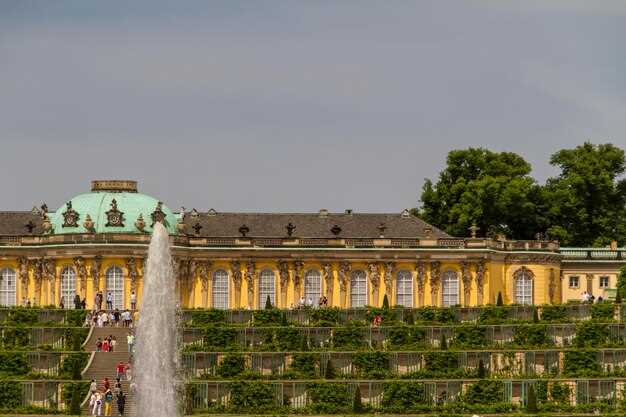 1 Belvedere Palace – Vienna’s Baroque Masterpiece – History, Architecture, and Visiting Tips">
Comience su visita temprano por la mañana y compre una entrada combinada en la recepción del Belvedere para aprovechar al máximo el tiempo. En castillo El complejo se sitúa en una zona verde de la Ringstrasse de Viena, y las fachadas exteriores brillan con una luz dorada mientras la ciudad despierta.
Construidos a principios del siglo XVIII por orden del Príncipe Eugenio de Saboya, la construcción de los dos pabellones fue dirigida por el arquitecto Johann Lukas von Hildebrandt. El nombre Belvedere señala un punto panorámico, y el diseño combina jardines formales con amplias vistas de Viena, invitando a los visitantes a detenerse en el momento en que las fuentes encienden el aire.
El Bajo Belvedere y el Alto Belvedere forman una equilibrada composición barroca, con details como estuco dorado, atrevidas pilastras y estatuaria visible desde la gran escalera. El exterior comunica movimiento y luz, mientras que los interiores albergan la Galería Austriaca, que presenta El Beso de Klimt y las obras expresivas de Egon Schiele. En los alrededores, gótico Las agujas de las iglesias contrastan con las curvas del palacio, creando un paisaje urbano estratificado que permanece. still hoy.
Planifique tiempo suficiente para pasear por los jardines, detenerse en la tienda de recuerdos y una rápida check de horario de apertura. Para un morning visita, organice su ruta para que pueda aprovechar al máximo la plenty de verdes terrazas, el moment de la luz sobre los elementos acuáticos y la oportunidad de comprar recuerdo reproducciones. Si le gustan las aves, puede que vea una mariposa entre los setos mientras camina por el pasillo entre las dos. areas del complejo, y más tarde puedes decidir en qué galería detenerte antes de regresar a la parada de tranvía o autobús más cercana.
Palacio Belvedere: La obra maestra barroca de Viena - Historia, arquitectura y consejos para la visita; 19 impresionantes lugares de Viena para Instagram que no te puedes perder
Comienza tu día en la fachada frontal del Palacio Belvedere para capturar una vista panorámica del horizonte central de Viena y el río cercano; compra un boleto combinado para acceder a ambos Palacios y pasea por los jardines para aprovechar las oportunidades de iluminación matutina.
El Belvedere es una joya barroca construida a principios del siglo XVIII para el príncipe Eugenio de Saboya. Sus dos estructuras principales, el Belvedere Superior e Inferior, están conectadas por jardines y fuentes formales, y el conjunto se asienta sobre una suave elevación que hace que cada toma exterior parezca cinematográfica. Hoy en día, el complejo alberga la Galería Austriaca y sigue siendo un lugar favorito tanto para los lugareños como para los visitantes para apreciar las obras austriacas en un entorno que combina la historia con la cultura viva.
Arquitectónicamente, el diseño sigue un gran eje central: una línea de terraza central, parterres recortados con precisión y una secuencia de fachadas monumentales que enmarcan la ciudad que se extiende más allá. Los exteriores de travertino blanco contrastan con las cálidas habitaciones interiores, mientras que los espacios acristalados y llenos de palmeras del Invernadero aportan un toque de luz tropical a los paseos invernales. El resultado es un lugar donde exteriores, interiores y paisaje se funden en una única experiencia fotogénica.
Cuando planee su visita, primero consulte el horario de apertura y las opciones de entradas, luego trace una ruta a pie por la mañana: comience con la fachada principal en el Palacio Superior, descienda por los jardines y termine con el Invernadero para obtener fotografías luminosas del interior. Las multitudes de los sábados pueden ser intensas, así que considere llegar temprano o regresar al final de la tarde. Las cafeterías cercanas ofrecen un breve descanso y los recuerdos de la tienda de regalos son un pequeño complemento agradable para su mañana en la capital de Austria.
Más allá del Belvedere, Viena recompensa a un fotógrafo con una mezcla de escenas históricas y modernas. Los distritos centrales de la ciudad, las majestuosas plazas del Rathaus y las vistas del río ofrecen muchas otras oportunidades para enmarcar tomas icónicas y la vida local. Si le gustan los lugares clásicos, combine Belvedere con una visita a la Ópera para una toma exterior, o pasee hasta Graben para obtener una silueta de la Catedral de San Esteban. Para un ambiente de temporada, las luces navideñas a lo largo del Rathausplatz crean un ambiente cálido y festivo que se mezcla con las raíces barrocas de la ciudad.
| Spot | Ubicación | Mejor Disparo | Consejos |
|---|---|---|---|
| Fachada frontal del Palacio Belvedere (superior) | Belvedere Superior, entrada principal | El horizonte de la ciudad enmarcado por las torres del palacio | Sal a primera luz; usa un gran angular para capturar las columnas. |
| Terraza superior del Belvedere | Terraza con vistas a Viena | Paisaje urbano panorámico con el río a la distancia. | Párate al borde para la profundidad; filtra para el brillo |
| Exteriores del Bajo Belvedere | Exterior e jardines del Palacio Inferior | Fachadas simétricas con detalles de fuentes | Toma desde el eje central; la luz del sol de la tarde funciona bien |
| Salón de las Palmeras del Invernadero | Interior de invernadero de naranjos | Palmeras altas contra paredes de cristal | Captura reflejos; mañanas más luminosas ayudan. |
| Interior de la Gran Escalera | Dentro de la escalera principal | Líneas verticales, gran escala, luz dramática | Utilice un punto de vista de altura media para enfatizar la altura. |
| Parterres de jardín | Jardineras geométricas | Setos estampados que conducen al palacio | Camina por el sendero central para lograr simetría; la hora dorada añade calidez. |
| Cuenca del lago y reflejo | Cuerpos de agua entre palacios | Reflejos de fachadas en agua calma | La calma de la mañana temprano produce las mejores reflexiones. |
| Paseo del Eje Central | Camino entre el Belvedere Superior e Inferior | Líneas que guían hacia el horizonte | Usa un trípode para exposiciones prolongadas en días nublados. |
| Mirador Belvedere Hill | Zona de colinas cercanas | Panorama de la ciudad con el palacio en primer plano | Ideal para fotos al atardecer; trae un objetivo gran angular |
| Vista de la Plaza del Ayuntamiento | Cerca de la zona del Rathaus | Rathaus gótico con luces festivas en invierno | A poca distancia del Belvedere; consulta los mercados de invierno |
| Exterior de la Ópera Estatal de Viena | Entorno de Opernring | Fachada y arcadas icónicas | La iluminación nocturna añade dramatismo; prepárate para las multitudes |
| Silueta de la Catedral de San Esteban | Área de Graben hacia Stephansdom | Agujas oscuras contra el cielo crepuscular | Captura desde una calle lateral; ajustar el contraste para el contorno |
| Patios del MuseumsQuartier | Complejo MQ | Contrastes modernos con muros históricos | Mejor a última hora de la tarde, cuando la gente relajada crea vida. |
| Fachada de la Hundertwasserhaus | Distrito de Wieden | Arquitectura colorida y peculiar | Busca un ángulo bajo para una perspectiva dinámica. |
| Exterior de la Karlskirche | Cerca de Karlsplatz | Cúpula barroca con torres cuadradas | Las luces del atardecer resaltan los detalles de la escultura. |
| Noria gigante de Prater | Parque de atracciones Prater | Rueda en primer plano con telón de fondo de la ciudad | La hora dorada produce tonos cálidos; captura las siluetas de los jinetes. |
| Escena callejera del Donaukanal | Orillas del Canal del Danubio | Paredes de grafiti y puentes sobre el agua | Lo mejor es una ruta rápida a pie; tomar fotos desde los puentes. |
| Vibras matutinas del Naschmarkt | Zona de Naschmarkt | Puestos coloridos y vida de mercado | Llega temprano; los colores de los vendedores resaltan bajo la luz natural. |
| Jardines del Palacio de Schönbrunn (Para Referencia) | Parque de Schönbrunn | Extensos jardines y fuentes | Úselo como contraste a la escala íntima de Belvedere |
Recorre el corazón de la ciudad caminando entre estos lugares, alrededor de los distritos centrales y hacia los miradores del río; encontrarás un flujo constante de oportunidades para capturar momentos icónicos. Si estás comprando recuerdos o pequeños obsequios, la tienda Belvedere y los cafés cercanos hacen que el viaje se sienta completo, y te irás con recuerdos que combinan arte, arquitectura y el ambiente local. Esta ciudad compacta ofrece una gran variedad de fotos en un solo día, y la luz adecuada puede convertir cualquier esquina en una toma favorita.
1 Palacio Belvedere: Historia, Arquitectura y Consejos para la Visita
Planifique su visita reservando una entrada combinada para el Bajo Belvedere y el Alto Belvedere, y reserve de 2,5 a 3 horas para explorar ambas casas, la zona ajardinada y el invernadero. Una vez allí, empiece en la terraza sur para contemplar la luz similar a la de la aurora boreal y, a continuación, recorra las salas con frescos históricos. La zona circundante es animada, con cafés y tiendas a lo largo del mismo tramo, y puede combinar el paseo con una visita a la cercana Hundertwasserhaus y Albrechtsbrunnen.
The Belvedere complex is a former summer residence built in the early 18th century. Prince Eugene of Savoy commissioned it, and the architect Johann Lukas von Hildebrandt shaped a lively Baroque ensemble that stands on the garden axis, with sides facing the sprawling grounds. In austria, the Belvedere anchors Vienna’s Baroque identity; the era resonates with mozart as a central figure in the city’s musical life. The two palaces sit on the same axis, forming a clear, symmetrical area that visitors can navigate with ease.
Architecture details emphasize tall facades and a strong use of light. Oberes Belvedere and Unteres Belvedere bookend the axis, and the south-facing windows flood the rooms with natural light. The indoor spaces include formal rooms and a historic library, while the Great Orangery acts as a greenhouse-like link to the gardens. The careful balance of interiors and exterior terraces creates a cohesive flow between rooms and open spaces, making the whole site feel like one continuous, bright house.
The collection really shines in Oberes Belvedere, where Klimt’s works sit alongside other Austrian masters. The rooms showcase a refined display of art, and the views from the terraces connect indoors with the surrounding parklands. For visitors who love art and architecture, this combination is truly a highlight in austria’s cultural landscape, offering a perfect blend of history, light, and color.
Nearby and practical: The area blends with Vienna’s homes and streets, while the university district nearby offers cafés and quick study spots if you want to extend your day. There are other Baroque sites in Vienna, however Belvedere remains a premier choice for a compact, high-value visit. The gift shop features post cards and small keepsakes, and the surrounding zone includes albrechtsbrunnen and other historic markers that invite a relaxed stroll.
Visiting tips
- Plan a two-part route: Unteres Belvedere first to see the historic rooms, then ascend to Oberes Belvedere for the main art collection. This order helps you manage crowds while enjoying the best light on the south side.
- Tickets: choose a combined pass for both palaces; look for student or group discounts if applicable; booking ahead reduces waits.
- Photography: photography is generally allowed in public spaces; avoid flash and keep hands away from artworks and fixtures in the rooms.
- Timing: weekdays or early morning hours are ideal for a calmer experience; linger on terraces when the light is soft and the surroundings feel serene.
- What to bring: comfortable shoes for long corridors, a light jacket for the terraces, and a plan to visit the greenhouse if you want a calmer space away from interior crowds.
- Nearby stops: after Belvedere, consider a stroll toward hundertwasserhaus and albrechtsbrunnen; the university area offers cafés and quiet corners to rest a bit before you return there.
Historical milestones you should know before visiting
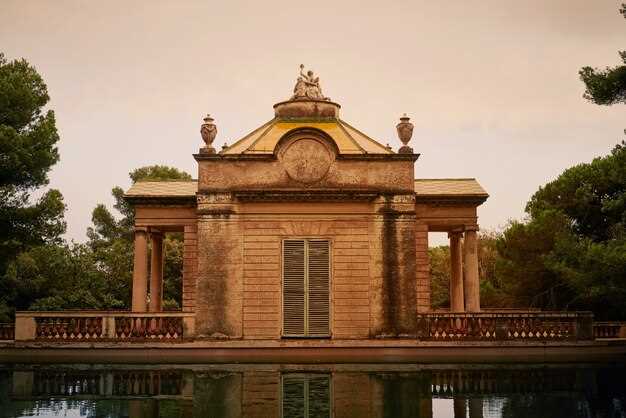
Reserve a guided tour of Unteres and Oberes Belvedere to grasp the key milestones in the palace’s history. Commissioned by Prince Eugene of Savoy, the project was designed by Johann Lukas von Hildebrandt; Unteres Belvedere opened around 1716 and Oberes followed in 1723. The warm mustard plaster on the façades and the precise axial layout reflect Baroque theatre in stone, while the innere setting and proximity to ringstrasse place you in the heart of Vienna’s historic center.
Milestone two focuses on the dramatic giant staircase that links the two palaces and rises to the terrace. Shoot photos from multiple angles as you ascend, and notice how the sightlines frame Vienna’s skyline–an effect that still resonates while you walk the main axis toward the gardens.
Milestone three marks the shift from residence to gallery. By the late 19th and early 20th centuries, the Belvedere housed an imperial art collection. Klimt’s The Kiss anchors the Upper Belvedere, while the marie room decorations reveal late‑eighteenth‑century tastes; together they form a great arc of works that draw visitors from around the world. Your opinion will vary on how the rooms pair with the paintings, but most agree the juxtaposition is striking.
Milestone four comes with Vienna’s Ringstrasse era. In the 19th century, the surrounding city transformed dramatically, and Ferstel’s decorative influence appears in entrances and interiors that harmonize Baroque core with neo‑renaissance touches. The Belvedere thus evolves into a public-facing museum that safeguards masterpieces for justice–making art accessible to everyone who visits.
Milestone five situates the Belvedere in the modern era. After World War I, the palace became a state museum, linking the palace to the Austrian Gallery network and ensuring several generations can experience Klimt, Schiele, and other favorites. Being nearby the Innere Stadt and along ringstrasse, a visit here pairs well with a circular walk through Vienna’s historic core and a stop at nearby cafés for a quick rest on a seat between galleries.
Practical tips to plan your day: book online to skip lines and pick a morning slot if possible; arrive with comfortable shoes to navigate the escalera and terrace; you can shoot photos, but respect indoor rules on flash; if you visit before christmas, check the schedule for seasonal displays that add a festive glow to the mustard façades. Your packed plan can include several galleries, a quick stroll along ringstrasse, and a final look over the innere city–perfect for reflecting on the palace’s great history before you visitar.
Baroque architecture highlights: façade, interiors, and decorative details
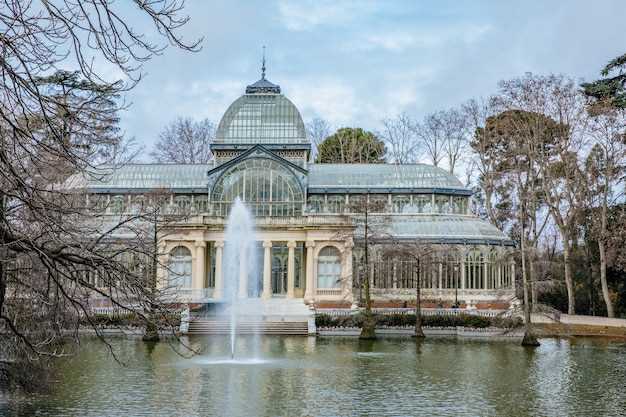
Begin with the Lower Belvedere façade to feel the Baroque rhythm from the street. The two-wing plan frames a grand forecourt, offering a strong axis toward the court and gardens. The ground floor presents cream and mustard tones in rustication, while the upper levels use lighter plaster and a heavy cornice line. From the pavement, the central projection and curved corner pavilions convey momentum and power; hundreds of visitors photograph the contrast of mass and light. Morning light emphasizes the depth of sculpted moldings, and you’ll want to raise the camera for a still shot that captures scale.
Inside, ascend to the grand stair and explore the interiors where gilded stucco, marble fireplaces, and carved door frames meet a sense of drama. The rooms pair with the exterior’s frontal strength through ceiling frescoes and decorative details like cartouches and sunbursts. The effect remains true to Baroque taste, a kind of nouveau Baroque craft that aims to touch the court through grandeur. Present your favorite shot to a travel partner as you navigate from vestibule to Hall, and use the camera to capture a panoramic sweep of the halls, where light plays on cream walls and gilding.
Practical tips: Plan your visit to start in the morning; morning visits minimize queues, and afternoon sessions stay busy, yet you still move at a comfortable pace. From the palace, take the metro to reach central Vienna and stroll along the pavement toward the city. For a change of pace, hop to schmetterlinghaus for a tropical contrast, then follow vindobona history into nearby city streets. Bring a camera with a wide angle; plan a shot by the Lower Belvedere façade framed against a blue sky, or look for a grand staircase lit by afternoon light. If winter visits, the interiors offer warmth, and you can pair with opera or ballets at other venues to extend your day.
Palace layout and must-see rooms: Lower vs Upper Belvedere
Begin with Upper Belvedere to chase Klimt’s The Kiss and the European gallery highlights, then move to Lower Belvedere for 18th-century interiors and ornate state rooms.
The two pavilions sit on raised terraces and are divided by a formal axis. Upper Belvedere sits on the higher terrace with sweeping views over Vienna, while Lower Belvedere anchors the lower end of the axis. A monumental staircase and column-lined loggia connect the two buildings, and wide pavements lead visitors through formal squares toward the garden terraces. Trams stop at nearby Karlsplatz (Charlesplatz), and stations along the route make it easy to combine Belvedere with a stroll through central Vienna.
In Lower Belvedere, the must-see rooms unfold around the Marmorsaal–the Marble Hall–and the richly decorated 18th-century state suites. Note the elegant frescoes, the carved hands of the sculpted balustrades, and the way the light hits the painted ceilings. This half of the palace feels divided from the Upper by design, yet it preserves everything you expect from Austrian Baroque craft, with an amazing level of detail on the columns and ceilings.
Upper Belvedere concentrates the notable works of the Austrian collection, headlined by Klimt and Schiele. The gallery corridors run long and wide, with high ceilings and columned passages that frame each painting. The setting creates perfect photo opportunities for a photoshoot, and the rooms themselves offer not only art but a clear sense of 18th- and 19th-century European taste preserved in Austria. If you plan for time, you can list the key pieces and pace the rooms to save energy for the entire visit.
Plan at least 2–3 hours and book tickets online to save time. Early morning light on the terraces creates aurora-like hues on the façades and makes the squares around Karlsplatz extra inviting for a quick stroll. After the Belvedere, you can continue your architectural walk to nearby Hundertwasserhaus and the surrounding buildings, turning your day into a compact European photo-essay with wide opportunities across stations, squares, and tram routes. austria’s rich Baroque heritage makes this route a natural highlight for any Vienna visit.
Visiting logistics: tickets, hours, tours, and accessibility
Buy tickets online in advance to save time and guarantee entry on your preferred day. Online options include single-palace passes for the Upper Belvedere or the Lower Belvedere, plus a combined Belvedere pass that covers both sites. Prices typically start around €15–€20 for a single palace and €25–€35 for a combined visit; check the official site for current numbers, seasonal offers, and any discounts for students or seniors.
Hours vary by season, but expect open times roughly from 9:00 to 18:00 on most days, with the last entry about 30 minutes before closing. In summer, occasional evening openings may occur on select days, so check the hours page on the website or the on-site maps before you go. Arrive 15 minutes early if you plan to join a guided tour or a photography session; you might capture well-lit photos as natural light shifts through the interiors.
Tours and experiences: Guided tours run in several languages at set times, including a 60-minute highlights tour and a longer in-depth option that covers both palaces and the gardens. Audio guides are available in multiple languages, and private tours can be arranged with advance notice. For a smooth visit, you can choose from three main formats: standard guided tour, audio-guided visit, or a private, tailor-made route. Reserve slots online when possible, especially in peak seasons.
Accessibility and practicalities: The complex offers step-free access to many areas, and lifts connect the major floors of both palaces. Some rooms and staircases require steps; staff can assist with alternatives or seating. Accessible restrooms are available, and maps or staff can point you to the best routes. Wheelchair users should book assistance in advance if you need a longer, more comfortable path. Photographers are welcome; camera use is generally allowed without flash, but guards may request you step back near delicate artworks. On-site cafés or coffee stands provide refreshments between rooms, and you’ll find a palm plant in the lobby that adds a natural touch. The lower area and garden terraces offer lots of photo spots and cute streets nearby invite a short stroll after your visit.
Top 19 Instagram spots in Vienna (including Belvedere): photo-ready moments
Begin at the Belvedere front steps at golden hour for your most-epic shot, then move through Vienna’s iconic corners for photo-ready moments in every mood.
- Belvedere Palace – front steps at golden hour; frame the two pavilions with the statue in the foreground for a balanced, classic composition.
- Stephansplatz – Exterior de la Catedral de San Esteban; busca la silueta de tres torres sobre la plaza y captura un tranvía pasando al fondo para dar una sensación de movimiento urbano.
- Karlsplatz – Karlskirche y la plaza; establecer la fuente y las columnas como una línea principal fuerte, con un tranvía pasando para añadir movimiento.
- Peterskirche – Iglesia de San Pedro; entra al patio y dispara desde los arcos interiores para contrastar la fachada exterior con la cálida luz interior.
- Hundertwasserhaus – la peculiar y colorida fachada; mira hacia arriba a las tres formas irregulares del techo y deja que las calles circundantes proporcionen un fondo limpio.
- Donaukanal – los murales del Canal del Danubio y los reflejos en el agua; dispara desde el camino del canal al anochecer para obtener colores saturados y un brillo de larga exposición.
- Maria-Theresien-Platz – estatua de María Teresa enmarcada por las dos alas del MuseumsQuartier; utilice el eje desde la plaza para una toma con aire histórico y el mismo ángulo funciona a diferentes horas del día.
- Burgring/Hofburg – fachadas imperiales alrededor del Ring; captura la historia en un solo fotograma con estatuas a lo largo de la carretera trasera.
- MuseumsQuartier – patio interior y galerías modernas; los tres arcos crean un marco natural hacia el centro del espacio. <li Albertina – gran fachada blanca y estatuas; fotografiar desde Albertinaplatz para incluir la línea del tranvía y multitudes ocasionales para dar escala. * Rathausplatz: el Ayuntamiento de Viena por la noche; la fachada iluminada y la plaza abierta crean impactantes retratos a la hora azul. <li Graben & Kohlmarkt – calles comerciales históricas; una estatua al final de la calle y las fachadas doradas ofrecen un telón de fondo atemporal.
- Naschmarkt – puestos de mercado vibrantes; la paleta de alimentos, especias y carteles venden el ambiente de la vida callejera de Viena. <li Schwedenplatz: plaza concurrida con una estación y vida callejera; captura letreros, reflejos y un tranvía al pasar para lograr encuadres dinámicos.
- Stadtpark – céspedes tranquilos y la estatua de Johann Strauss; dispara desde el sendero hacia la fuente para un ambiente señorial y culto. <li Votivkirche – líneas góticas imponentes; fotografía la esbelta aguja desde el atrio y entra para admirar la dramática luz en la nave. <li Prater – amplias avenidas y el perfil urbano a lo lejos; una toma más amplia desde la entrada captura la escala y la energía. <li Cruce de Schottenring/Donaukanal – punto estratégico donde convergen varios puentes; una exposición larga produce una línea de agua sedosa y el resplandor de la ciudad.
- Estación Schwedenplatz – termina con un bocado de un puesto de würstel cercano; aprovecha este momento para mezclar la fotografía callejera con un clásico vienés.