


 Suomi
Suomi  English (UK)
  Русский
  বাংলা
বাংলা  العربية
  日本語
日本語  한국어
한국어  Magyar
  Norsk nynorsk
  Türkçe
  עִבְרִית
  Español
  Čeština
  Svenska
  Português
  Ελληνικά
  Nederlands
  Română
  Italiano
  Français
  Polski
  Українська
  Deutsch
  简体中文
简体中文  Slovenčina
  Српски језик
  اردو
اردو  Azərbaycan dili
  O‘zbekcha
  አማርኛ
አማርኛ 

Launch a three-tier loyalty program with Bronze, Silver, and Gold levels, each tied to a clear commitment window and meaningful local experiences. This work makes the value visible and repeat purchases more likely. Use your platform to track behavior, measure engagement, and adjust rewards toward stronger retention signals.
Build a bank of signals from purchase history, event RSVPs, and member preferences, then tailor offers with a simple rule: if a member attends more than two events in a quarter, advance them to the next tier; if they buy a product bundle, extend the subscription by one month. This data-driven approach improves conversion without overwhelming the member.
Design a sandwich of quick wins and long-term value. For example, deliver immediate perks such as free shipping on the first order, plus quarterly promotional event with limited releases. On the long side, offer tier-based access to rare bottles, member-only virtual tastings, and early access to new releases, all linked to the member’s tier and behavior. Use clear features: a points wallet, exclusive product bundles, and a birthday gift program.
Track metrics with a weekly report that includes retention rate, average revenue per user, and churn by tier. Use this information to refine offers using A/B tests on messaging, timing, and rewards. Leverage technology to automate reminders and personalized emails, while preserving a human touch with tasting notes and stories from local producers to build trust.
Partner with local wineries and retailers to deliver a curated product line across tiers. Facilitate a monthly event calendar that rotates by season, with RSVP through the platform. This helps sustain emotional connection and boosts word-of-mouth references, moving members towards higher loyalty and more consistent orders.
To start quickly, pilot the three-tier model in a single local market for 90 days, then measure retention changes against a baseline and adjust pricing and perks. Use a bank of insights and standard report templates to scale regionally, while keeping the approach flexible with new features like exclusive bundles and access to limited releases.
Wine Club Loyalty Program Blueprint
Implementing a 3-tier wine club loyalty program with a transparent points system drives repeat purchases and engagement. Use 1 point per $1 spent, and convert 100 points into a $10 money-back credit for the next shipment. This approach keeps value clear for members while protecting margins. Ensure signup is quick and the points ledger is visible online and in-store so back end is smooth and people can see progress in real time.
Structure three tiers: Bronze (0-299), Silver (300-999), Gold (1000+). Each tier adds percent discounts (5%, 10%, 15%), shipping perks, and exclusive experiences. Bring in “encourage” members to reach higher tiers by offering a quarterly “upgrade” bottle and early access to branded releases. Tie benefits to both online and in-store experiences, so members can pick among shipments or store events. Consider a “choice” of benefits so those with a preference for tastings can lean toward experiences, while others prefer savings. Track across a single system so that points, purchases, and event attendance align across channels. This approach has been tested in pilot stores, and thats why thresholds should be simple and progression obvious.
Engage with a mix of personalized shipments and educational content. Build a community-focused calendar that includes in-store tastings, virtual masterclasses, and partner events with multiple brands. Use a single system to align every touchpoint–from the welcome email to the monthly shipment and the referral flow–so values match. For those who enjoy smokable pairings, offer optional tobacco-friendly tasting notes and cigar-friendly events to broaden engagement without complicating logistics. Encourage reviews, photos, and member stories that fuel the program today and can scale across programs and partner initiatives.
Rollout and metrics: Pilot with 75 members for 90 days. Target redemption rate 58-62%, 3-month retention up by 20%, average order value up by 12%, and referral rate at 6-8%. If results meet goals, scale to 1.5-2% of overall customers quarterly with adjusted thresholds. Monitor churn, LTV, and NPS monthly, and adjust program steps every 4 weeks to prevent discount fatigue. Sometimes the right move is a limited-time double-points promo tied to a specific category to test elasticity.
Operational tips: allocate budget to preserve margin; keep the math simple so customers see clear ROI. While offering meaningful benefits, avoid deep, frequent discounts that erode profitability. Use data to tailor offers by customer segment; those actions might require guardrails to prevent abuse. Align with brands to create in-store and online experiences; consider programs with tobacco or wine accessories to diversify. The goal is a community-focused program that’s scalable and transparent across markets.
Segment Members by Purchase History and Preferences
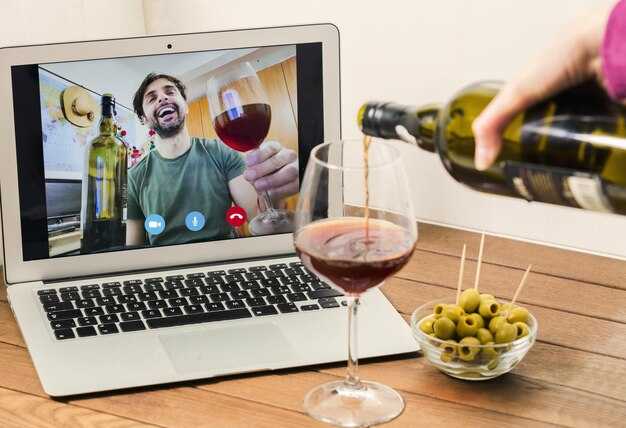
Recommendation: Segment members into three cohorts by purchase history and preferences–frequent monthly buyers, mid-frequency buyers, and dormant members–and tailor offers to each. They have a clear path to value, and this approach reduces noise in promotion while increasing loyalty. The cause is stronger retention across tiers.
Data for each member include recency, frequency, monetary value, preferred varietals (red, white, rosé), bottle count per order, region, and event-driven spikes (holidays, new vintages). As mentioned, use this to assign a personal persona and decide where they fit, so they see more relevant recommendations.
Forecasting informs decisions: run monthly forecasting by segment to estimate earning potential and expected sales, then set bonus multipliers and redemption caps, and decide exclusivity levels to balance cost with member value. This thinking shifts focus to member value.
look at historical trends to tune engagement. In a modern, data-driven approach, higher purchase probability from frequent buyers, modest lift from mid-frequency members, and careful reactivation for dormant members. This data-driven approach helps leverage more valuable segments and drive sales.
Implementing this framework requires syncing your POS and subscription platform, tagging members by segment, and building rules that trigger personalized messaging, exclusivity offers, and monthly promotions. Provide a simple path for members to redeem rewards and track how often they redeem; then adjust the earning balance and redemption limits accordingly. Keep the steps simple, just focus on key triggers.
Recommendations for promotions by segment: Frequent buyers receive early access to limited releases and a monthly bonus to their loyalty balance; occasional buyers get seasonal bundles with a clear redemption threshold; dormant members receive win-back offers with a modest entry reward to spark action. This approach uses exclusivity to attract interest and maintain ongoing sales.
Measure impact with key metrics: retention rate by segment, average order value, repeat purchase rate, redemption rate by offer, and forecast accuracy. Use these insights to adjust the strategy, ensuring personal relevance and continued growth in monthly revenue.
Design 5 Birthday and Anniversary Rewards with Clear Redemption Paths
Launch five focused rewards tied to birthdays and anniversaries, each with a clear redemption path and a short validity window. Use a value-based system that ties every earned perk to real wine perks, delivering a memorable touch for those who shop with you. This approach supports loyal customers and gives retailers a high-confidence mechanism to drive revenue while keeping features simple. Register those dates in your FirstLeaf profile and tailor offers by event to maximize impact.
-
Reward 1: Birthday Spark Credit
Earned: when a member registers their birthdate in their profile or updates it before their birthday month begins. What you offer: a $25 Birthday Spark Credit that applies to any bottle, case, or tasting event. Redemption path: in the Rewards tab, select Birthday Spark Credit, then apply at checkout. The credit disappears after 60 days if unused. Sense: this provides a Memorable moment and reinforces commitment with a simple, good experience.
-
Reward 2: Anniversary Toast
Earned: on the member’s anniversary date after one full year with the program. What you offer: a curated two-bottle set or an $30 credit toward a future purchase. Redemption path: go to Rewards, choose Anniversary Toast, confirm selection, and redeem at checkout. Valid for 45 days from the date of issuance. Considerations: pair the reward with a personalized note to heighten the sense of personal appreciation.
-
Reward 3: Three Tiers Celebration Bundle
Structure: three tiers that scale with engagement over the year–Bronze, Silver, and Gold. Earned: reach tier thresholds by cumulative spend or number of purchases within the anniversary year. What you offer: Bronze up to $15, Silver up to $40, Gold up to $70 in redeemable value. Redemption path: select a tier in Rewards, then redeem for the corresponding bundle at checkout. Validity: 90 days from tier achievement. Value proposition: three tiers provide a clear ladder for those who want a predictable, value-based path to bigger rewards.
-
Reward 4: Personal Pick + Note
Earned: when a member completes a profile update with preferred varietals or regions. What you offer: a single bottle hand-picked by the wine team plus a personalized note. Redemption path: in Rewards select Personal Pick, confirm the bottle, and add the recipient’s details; shipment occurs on the next available date. Valid for 30 days from issuance. Impact: strengthens the personal feel and increases loyal engagement with a tangible, high-touch moment.
-
Reward 5: Exclusive Event Access
Earned: after a member hits a milestone: e.g., five purchases within six months or a yearly engagement score that hits a defined threshold. What you offer: access to an invite-only member event or early enrollment to a limited-tickets tasting. Redemption path: redeem via Rewards for Event Access, then RSVP and complete event payment if required. Validity: access window opens one month before the event. Bonus: Goodys tokens may be issued to top-tier participants, allowing early line placement or reserved seating. This approach strengthens revenue predictability and delivers a high-sense of exclusivity.
Implementation notes for success: keep the redemption steps short and visible in the member portal, log events with the system, and offer quick checkouts at the point of redemption. Use those five rewards to build a compact, memorable calendar year–three tiers give clarity, while personal picks and events deepen loyalty. Track outcomes by event type, redemption rate, and revenue lift to refine offers. The result: a focused, value-based program that strengthens loyalty with meaningful, clear opportunities for every member.
Automate Timely Gift Triggers and Personal Messages
Set automated triggers to fire within 24–48 hours after a purchase and again 3–5 days before the next delivery cycle. Pair each trigger with a personal note that references the wine and suggests a simple tasting at home. Include a goody, such as a tasting tip card or a small accessory, and offer a deferred delivery option if the recipient prefers to receive it later. This approach keeps shoppers engaged while youre building loyalty and ensuring the experience feels yours, not automated.
Segment messages by interest: for beginners, deliver brief tasting notes and simple pairings; for specialty tasters, offer deeper details and access to limited releases. Unlike generic blasts, these messages use context from the shopper’s interests. In multiple segments, keep the tone friendly and actionable while you stress the club’s value. Use a system that can defer sending a gift until alignment with their schedule, so the gift portion arrives at the right moment.
Be direct: address the shopper by name, reference their last order, and invite feedback via a quick tasting rating. Offer options to browse related wines in the specialty aisles and to learn more about tasting sessions. The system should support progressive gifting across the portfolio so that you can allocate a portion to different aisles. This approach provides practical solutions for retention.
| Trigger | Timing | Message Focus | Gift/Option | KPI |
|---|---|---|---|---|
| Post-purchase gift | 24–48h after order | Personal note + tasting tip | Goody or deferred delivery | Open rate, redemption, repeat orders |
| Pre-delivery reminder | 3–5 days before next delivery cycle | Educational note + pairing ideas | Gift card or sample kit | CTR, added items, opt-in |
| Välitavoitteen tunnustus | 60 päivää liittymisen jälkeen | Lyhyt kiitos + eksklusiivinen pääsy | Pieni erikoispullo tai lisätarvike | Sitoutuminen, pysyvyys |
Synkronoi palkinnot toimitusten ja varastorajoitusten kanssa
Koordinoi palkintoja sitomalla lunastukset vahvistettuihin lähetyksiin ja nykyiseen varastoon ja aja kevyt sääntömoottori, joka tarkistaa saatavuuden ennen pakkaamista. Tämä tekee kokemuksesta todellisen jäsenille: rekisteröintitiedot ja viimeaikaiset ostokset avaavat personoituja vaihtoehtoja, jotka vastaavat tulevia lähetyksiä. Käytä korttipohjaista lunastusta pakkausaikana napsautusten vähentämiseksi ja mukavuuden lisäämiseksi.
Määrittele tuotekohtaiset (SKU) varastotasot ja aseta rajat harvinaisten pullojen myynnin ylittämisen estämiseksi. Rajoita esimerkiksi lunastuksia kahteen pulloon tilausta kohden ja kuuteen pulloon jäsentä kohden kuukaudessa, samalla kun säilytät 10% varaston rajoitetuille painoksille uskollisuuspyyntöjen tyydyttämiseksi. Ota käyttöön alennussäännöt ohjaamaan valintoja varaston ollessa vähissä ja kannustamaan sitoutumista ydintuotteiden ehtymättä.
Hallinnoi ohjelmaa automatisoitujen tarkistusten ja manuaalisten auditointien yhdistelmällä.Aloita automatisoinnilla, joka liputtaa loppuneet tuotetunnisteet (SKU:t), tarkista sitten poikkeukset manuaalisesti rajojen hienosäätämiseksi. Määrittele kanta-asiakaspisteiden lunastusten kelpoisuuskriteerit, seuraa ostoksia ja kirjaa poikkeukset nopeasti häiriöiden välttämiseksi toimituksissa. Yhdenmukaista nämä hallintatoimet alkoholikategorioiden ja ravintolakumppaneiden kanssa yhtenäisen kokemuksen ylläpitämiseksi.
Sitouta jäseniä näyttämällä reaaliaikainen saatavuus ja ehdottamalla pariutuksia illallisille. Korosta, miten kanta-asi etuudet koskevat alkoholijuomien ja viin.
Määrittele mittarit ja kerää tuloksia ohjelman hienosäätöä varten. Seuraa lunastusprosenttia, keskimääräisiä pulloja tilausta kohti ja varaston kiertonopeutta sekä niiden ostojen osuutta, jotka johtavat uusintajäsenyyksiin. Kerää tietoja tilauksista, lähetyksistä ja palautuksista ja käytä niitä raja-arvojen, alennusten ja lojaalisuuteen oikeutettujen pullojen säätämiseen. Etsi trendejä viinapainotteisiin tarjouksiin ja ravintolakumppaneihin liittyvässä sitoutumisessa ja säädä strategiaa lojaalisuuden maksimoimiseksi vahingoittamatta katetta.
Mittaa asiakaspysyvyyttä yksinkertaisilla, toimivilla mittareilla
Tee konkreettinen suositus: mittaa 30 päivän käyttäjien pysyvyyttä kohorteittain ja aseta 5%-tavoite seuraavalle neljännekselle. Seuraa jokaisen rekisteröityneen yksilön kohdalla, tekeekö hän toisen tilauksen 30 päivän kuluessa ja toimitetaanko kyseinen tilaus 10 päivän kuluessa. Tämä lähestymistapa helpottaa sen havaitsemista, mikä edistää varhaista pysyvyyttä ja pullonkaulojen löytämistä, joihin kannattaa puuttua, suojaten resurssejasi taktiikoiden testaamisen aikana.
Rakenna yksinkertainen kojelauta, joka näyttää pysyvyyden, uusintaostot ja tilausten välisen ajan. Käytä kohderyhmiä rekisteröitymiskuukauden mukaan löytääksesi suurimmat kasvut. Kun näet piikkejä, kopioi lähestymistapa samankaltaisissa segmenteissä ja suojaa budjettiasi keskittymällä toimiin, jotka todella vaikuttavat.
Kolme keskeistä mittaria pysyy helposti hyödynnettävissä: Pysyvyysprosentti, Nettotuoton pysyvyys ja keskimääräinen tilausmäärä asiakasta kohden tietyllä ajanjaksolla. Pysyvyys mittaa, kuinka moni jäsen tilaa uudelleen määritetyn jakson aikana; NRR näyttää säilyneen tuoton plus kasvun; tilausten välinen aika paljastaa sitoutumista. Käytä näitä vahvistamaan parhaat segmentit kohdennettuja tarjouksia varten.
Pätevöitä jäseniä palkintoihin heidän toimintansa perusteella: uudelleen tilaaminen, toimitustietojen päivittäminen, pisteiden lunastaminen, arvontoihin osallistuminen, kokemusten jakaminen viineistä ja yhteisökeskeiseen keskusteluun osallistuminen. Seuraa sitoutumisastetta nähdäksesi, mitkä toimet vastaavat pysyvyyttä. Tämä tekee pysyvyyteen johtavasta polusta selkeämmän ja helpomman.
Käytännön toimenpiteet metrikkojen parantamiseksi: käynnistä ensikirjautumisen yhteydessä lähetettävä tervetuliaisviesti herkkupussien ja pienen näytepullon kera, tarjoa 50 bonuspistettä ensimmäisestä uudelleentilauksesta ja järjestä kuukausittaisia arvontoja suosittujen viinien ympärillä. Käytä herkkupusse.
Pidä lähestymistapa yhteisökeskeisenä jakamalla jäsenkokemuksia, kannustamalla arvosteluihin ja nostamalla esiin arvosteluja, jos se sopii brändiisi, ilman että asiakkaita ylikuormitetaan kehotteilla. Yksinkertainen sähköposti tulevista julkaisuista ja maistelutapahtumista voi parantaa pysyvyyttä saaden jäsenet tuntemaan itsensä huomioiduiksi. Kun asiakkaat tuntevat yhteenkuuluvuutta, he tilaavat uudelleen ja kertovat muille, mikä tekee pysyvyydestä mitattavaa ja merkityksellistä.
Määrittele selkeät tavoitteet kohortyypeittäin: 2 000 jäsenen klubille tavoittele 1 200 jäsenen säilyttämistä yli 30 päivän ajan (60 %). Jos huomaat edistystä, pidennä ajanjaksoa 60 päivään ja säädä rekisteröitymisviestintää siellä, missä se osoittautuu vahvimmaksi. Seuraa mistä rekisteröitymiset tulevat (sähköposti, toimituspromootiot, sosiaalisen median julkaisut) tarkentaaksesi lähestymistapaasi ja löytääksesi parhaat kosketuspisteet.
Viimeiseksi yhdistä asiakasuskollisuuden mittarit liikevaihtoon: vertaa rekisteröitymiskampanjoiden vaikutusta toimituksiin ja lähetyksiin, mittaa aktiivisten jäsenten pisteillä ja palkinnoilla saavutettua liikevaihtoa verrattuna passiivisiin jäseniin ja raportoi tulokset kuukausittain tiimille. Tuloksena on älykäs, dataohjattu ohjelma, joka tuntuu palvelulta, ei kampanjalta.