


 বাংলা
বাংলা  English (UK)
  Русский
  العربية
  日本語
日本語  한국어
한국어  Magyar
  Norsk nynorsk
  Türkçe
  עִבְרִית
  Español
  Čeština
  Svenska
  Português
  Ελληνικά
  Suomi
Suomi  Nederlands
  Română
  Italiano
  Français
  Polski
  Українська
  Deutsch
  简体中文
简体中文  Slovenčina
  Српски језик
  اردو
اردو  Azərbaycan dili
  O‘zbekcha
  አማርኛ
አማርኛ 

Launch a three-tier loyalty program with Bronze, Silver, and Gold levels, each tied to a clear commitment window and meaningful local experiences. This work makes the value visible and repeat purchases more likely. Use your platform to track behavior, measure engagement, and adjust rewards toward stronger retention signals.
Build a bank of signals from purchase history, event RSVPs, and member preferences, then tailor offers with a simple rule: if a member attends more than two events in a quarter, advance them to the next tier; if they buy a product bundle, extend the subscription by one month. This data-driven approach improves conversion without overwhelming the member.
Design a sandwich of quick wins and long-term value. For example, deliver immediate perks such as free shipping on the first order, plus quarterly promotional event with limited releases. On the long side, offer tier-based access to rare bottles, member-only virtual tastings, and early access to new releases, all linked to the member’s tier and behavior. Use clear features: a points wallet, exclusive product bundles, and a birthday gift program.
Track metrics with a weekly report that includes retention rate, average revenue per user, and churn by tier. Use this information to refine offers using A/B tests on messaging, timing, and rewards. Leverage technology to automate reminders and personalized emails, while preserving a human touch with tasting notes and stories from local producers to build trust.
Partner with local wineries and retailers to deliver a curated product line across tiers. Facilitate a monthly event calendar that rotates by season, with RSVP through the platform. This helps sustain emotional connection and boosts word-of-mouth references, moving members towards higher loyalty and more consistent orders.
To start quickly, pilot the three-tier model in a single local market for 90 days, then measure retention changes against a baseline and adjust pricing and perks. Use a bank of insights and standard report templates to scale regionally, while keeping the approach flexible with new features like exclusive bundles and access to limited releases.
Wine Club Loyalty Program Blueprint
Implementing a 3-tier wine club loyalty program with a transparent points system drives repeat purchases and engagement. Use 1 point per $1 spent, and convert 100 points into a $10 money-back credit for the next shipment. This approach keeps value clear for members while protecting margins. Ensure signup is quick and the points ledger is visible online and in-store so back end is smooth and people can see progress in real time.
Structure three tiers: Bronze (0-299), Silver (300-999), Gold (1000+). Each tier adds percent discounts (5%, 10%, 15%), shipping perks, and exclusive experiences. Bring in “encourage” members to reach higher tiers by offering a quarterly “upgrade” bottle and early access to branded releases. Tie benefits to both online and in-store experiences, so members can pick among shipments or store events. Consider a “choice” of benefits so those with a preference for tastings can lean toward experiences, while others prefer savings. Track across a single system so that points, purchases, and event attendance align across channels. This approach has been tested in pilot stores, and thats why thresholds should be simple and progression obvious.
Engage with a mix of personalized shipments and educational content. Build a community-focused calendar that includes in-store tastings, virtual masterclasses, and partner events with multiple brands. Use a single system to align every touchpoint–from the welcome email to the monthly shipment and the referral flow–so values match. For those who enjoy smokable pairings, offer optional tobacco-friendly tasting notes and cigar-friendly events to broaden engagement without complicating logistics. Encourage reviews, photos, and member stories that fuel the program today and can scale across programs and partner initiatives.
Rollout and metrics: Pilot with 75 members for 90 days. Target redemption rate 58-62%, 3-month retention up by 20%, average order value up by 12%, and referral rate at 6-8%. If results meet goals, scale to 1.5-2% of overall customers quarterly with adjusted thresholds. Monitor churn, LTV, and NPS monthly, and adjust program steps every 4 weeks to prevent discount fatigue. Sometimes the right move is a limited-time double-points promo tied to a specific category to test elasticity.
Operational tips: allocate budget to preserve margin; keep the math simple so customers see clear ROI. While offering meaningful benefits, avoid deep, frequent discounts that erode profitability. Use data to tailor offers by customer segment; those actions might require guardrails to prevent abuse. Align with brands to create in-store and online experiences; consider programs with tobacco or wine accessories to diversify. The goal is a community-focused program that’s scalable and transparent across markets.
Segment Members by Purchase History and Preferences
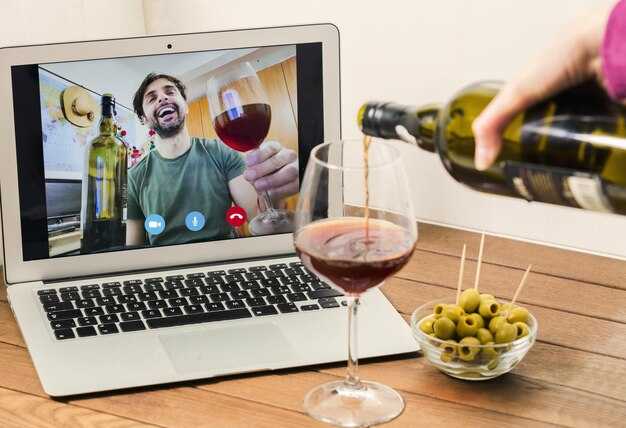
Recommendation: Segment members into three cohorts by purchase history and preferences–frequent monthly buyers, mid-frequency buyers, and dormant members–and tailor offers to each. They have a clear path to value, and this approach reduces noise in promotion while increasing loyalty. The cause is stronger retention across tiers.
Data for each member include recency, frequency, monetary value, preferred varietals (red, white, rosé), bottle count per order, region, and event-driven spikes (holidays, new vintages). As mentioned, use this to assign a personal persona and decide where they fit, so they see more relevant recommendations.
Forecasting informs decisions: run monthly forecasting by segment to estimate earning potential and expected sales, then set bonus multipliers and redemption caps, and decide exclusivity levels to balance cost with member value. This thinking shifts focus to member value.
look at historical trends to tune engagement. In a modern, data-driven approach, higher purchase probability from frequent buyers, modest lift from mid-frequency members, and careful reactivation for dormant members. This data-driven approach helps leverage more valuable segments and drive sales.
Implementing this framework requires syncing your POS and subscription platform, tagging members by segment, and building rules that trigger personalized messaging, exclusivity offers, and monthly promotions. Provide a simple path for members to redeem rewards and track how often they redeem; then adjust the earning balance and redemption limits accordingly. Keep the steps simple, just focus on key triggers.
Recommendations for promotions by segment: Frequent buyers receive early access to limited releases and a monthly bonus to their loyalty balance; occasional buyers get seasonal bundles with a clear redemption threshold; dormant members receive win-back offers with a modest entry reward to spark action. This approach uses exclusivity to attract interest and maintain ongoing sales.
Measure impact with key metrics: retention rate by segment, average order value, repeat purchase rate, redemption rate by offer, and forecast accuracy. Use these insights to adjust the strategy, ensuring personal relevance and continued growth in monthly revenue.
Design 5 Birthday and Anniversary Rewards with Clear Redemption Paths
Launch five focused rewards tied to birthdays and anniversaries, each with a clear redemption path and a short validity window. Use a value-based system that ties every earned perk to real wine perks, delivering a memorable touch for those who shop with you. This approach supports loyal customers and gives retailers a high-confidence mechanism to drive revenue while keeping features simple. Register those dates in your FirstLeaf profile and tailor offers by event to maximize impact.
-
Reward 1: Birthday Spark Credit
Earned: when a member registers their birthdate in their profile or updates it before their birthday month begins. What you offer: a $25 Birthday Spark Credit that applies to any bottle, case, or tasting event. Redemption path: in the Rewards tab, select Birthday Spark Credit, then apply at checkout. The credit disappears after 60 days if unused. Sense: this provides a Memorable moment and reinforces commitment with a simple, good experience.
-
Reward 2: Anniversary Toast
Earned: on the member’s anniversary date after one full year with the program. What you offer: a curated two-bottle set or an $30 credit toward a future purchase. Redemption path: go to Rewards, choose Anniversary Toast, confirm selection, and redeem at checkout. Valid for 45 days from the date of issuance. Considerations: pair the reward with a personalized note to heighten the sense of personal appreciation.
-
Reward 3: Three Tiers Celebration Bundle
Structure: three tiers that scale with engagement over the year–Bronze, Silver, and Gold. Earned: reach tier thresholds by cumulative spend or number of purchases within the anniversary year. What you offer: Bronze up to $15, Silver up to $40, Gold up to $70 in redeemable value. Redemption path: select a tier in Rewards, then redeem for the corresponding bundle at checkout. Validity: 90 days from tier achievement. Value proposition: three tiers provide a clear ladder for those who want a predictable, value-based path to bigger rewards.
-
Reward 4: Personal Pick + Note
Earned: when a member completes a profile update with preferred varietals or regions. What you offer: a single bottle hand-picked by the wine team plus a personalized note. Redemption path: in Rewards select Personal Pick, confirm the bottle, and add the recipient’s details; shipment occurs on the next available date. Valid for 30 days from issuance. Impact: strengthens the personal feel and increases loyal engagement with a tangible, high-touch moment.
-
Reward 5: Exclusive Event Access
Earned: after a member hits a milestone: e.g., five purchases within six months or a yearly engagement score that hits a defined threshold. What you offer: access to an invite-only member event or early enrollment to a limited-tickets tasting. Redemption path: redeem via Rewards for Event Access, then RSVP and complete event payment if required. Validity: access window opens one month before the event. Bonus: Goodys tokens may be issued to top-tier participants, allowing early line placement or reserved seating. This approach strengthens revenue predictability and delivers a high-sense of exclusivity.
Implementation notes for success: keep the redemption steps short and visible in the member portal, log events with the system, and offer quick checkouts at the point of redemption. Use those five rewards to build a compact, memorable calendar year–three tiers give clarity, while personal picks and events deepen loyalty. Track outcomes by event type, redemption rate, and revenue lift to refine offers. The result: a focused, value-based program that strengthens loyalty with meaningful, clear opportunities for every member.
Automate Timely Gift Triggers and Personal Messages
Set automated triggers to fire within 24–48 hours after a purchase and again 3–5 days before the next delivery cycle. Pair each trigger with a personal note that references the wine and suggests a simple tasting at home. Include a goody, such as a tasting tip card or a small accessory, and offer a deferred delivery option if the recipient prefers to receive it later. This approach keeps shoppers engaged while youre building loyalty and ensuring the experience feels yours, not automated.
Segment messages by interest: for beginners, deliver brief tasting notes and simple pairings; for specialty tasters, offer deeper details and access to limited releases. Unlike generic blasts, these messages use context from the shopper’s interests. In multiple segments, keep the tone friendly and actionable while you stress the club’s value. Use a system that can defer sending a gift until alignment with their schedule, so the gift portion arrives at the right moment.
Be direct: address the shopper by name, reference their last order, and invite feedback via a quick tasting rating. Offer options to browse related wines in the specialty aisles and to learn more about tasting sessions. The system should support progressive gifting across the portfolio so that you can allocate a portion to different aisles. This approach provides practical solutions for retention.
| Trigger | Timing | Message Focus | Gift/Option | কেপিআই |
|---|---|---|---|---|
| Post-purchase gift | 24–48h after order | Personal note + tasting tip | Goody or deferred delivery | Open rate, redemption, repeat orders |
| Pre-delivery reminder | 3–5 days before next delivery cycle | Educational note + pairing ideas | Gift card or sample kit | CTR, added items, opt-in |
| Milestone acknowledgment | 60 days after joining | Concise appreciation + exclusive access | Small specialty bottle or accessory | Engagement, retention |
Coordinate Rewards with Shipments and Inventory Constraints
Coordinate rewards by tying redemptions to confirmed shipments and current inventory, and run a lightweight rules engine that checks availability before packing. This makes the experience real for members: sign-up data and recent purchases unlock personalized options that align with upcoming shipments. Use card-based redemption at packing time to reduce clicks and boost convenience.
Define per-SKU inventory thresholds and set caps to protect scarce bottles from oversell. For example, limit redemptions to two bottles per order and six bottles per member per month, while maintaining a 10% reserve for limited editions to satisfy loyalty demand. Implement discounting rules to guide choices when stock is tight and to encourage engagement without depleting core lines.
Manage the program with a blend of automated checks and manual audits. Start with automation that flags out-of-stock SKUs, then review exceptions manually to refine thresholds. Define eligibility criteria for loyalty redemptions, track purchases, and capture exceptions quickly to avoid disruptions in shipments. Align these controls with liquor categories and with restaurant partners to keep the experience cohesive.
Engage members by showing real-time availability and pairing suggestions for dinners. Highlight how loyalty benefits apply to purchases of liquors and wine picks, and make sign-up easy with a single click. Remember to emphasize convenience by offering a single checkout for both purchases and rewards, and provide a quick view of upcoming ship dates so members can plan dinners around their bottles.
Define metrics and capture results to tune the program. Track redemption rate, average bottles per order, and inventory turnover, plus the share of purchases that become repeat memberships. Capture data from orders, shipments, and returns, and use it to adjust caps, discounting, and which bottles are eligible for loyalty. Look for trends in engagement with liquor-focused offers and with restaurant partners, and adjust the strategy to maximize loyalty without harming margin.
Measure Retention with Simple, Actionable Metrics
Start with a concrete recommendation: measure 30-day retention by cohort and set a 5% target for the next quarter. For each individual who signs up, track whether they place a second order within 30 days and whether that order ships within 10 days. This approach makes it easier to see what drives early retention and to find bottlenecks worth fixing, protecting your resources while you test tactics.
Build a simple dashboard that shows retention, repeat orders, and time between orders. Use cohort groups by sign-up month to find where the biggest gains come from. Where you see spikes, replicate the approach in similar segments and protect your budget by focusing on actions that move the needle.
Three core metrics stay easy to act on: retention rate, Net Revenue Retention, and average orders per customer in a window. Retention measures how many members order again by a set window; NRR shows revenue retained plus expansion; time between orders reveals engagement. Use these to qualify top segments for targeted offers.
Qualify members for rewards by their activities: ordering again, updating shipping details, redeeming points, joining giveaways, sharing experiences about wines, and participating in a community-focused discussion. Track engagement rate to see which actions align with staying power. This makes the path to retention clearer and easier.
Practical actions to move metrics: launch a sign-up welcome email with goody bags and a small sample bottle, offer 50 bonus points on the first reorder, and run monthly giveaways tied to popular wines. Use goody bags to create tangible value and remind customers why they joined; shipping speed matters, and this reliability comes with happier, repeat buyers, so keep delivery predictable.
Keep the approach community-focused by sharing member experiences, encouraging reviews, and highlighting binnys where it fits your brand without overwhelming customers with prompts. A simple email about upcoming releases and tasting events can improve retention by making members feel seen. When customers feel connected, they order again and tell others, which makes retention measurable and meaningful.
Define clear targets per cohort: for a club with 2,000 members, aim to retain 1,200 beyond 30 days (60%). If youre seeing progress, extend the window to 60 days and adjust sign-up messaging where it proves strongest. Track where sign-ups come from (email, shipping promos, social posts) to refine your approach and find the best touchpoints.
Finally, tie retention metrics to revenue: compare the impact of sign-up campaigns on shipping and shipments, measure revenue from engaged members with points and giveaways versus dormant ones, and report results monthly to the team. The result is a smart, data-driven program that feels like a service, not a campaign.