


 Suomi
Suomi  English (UK)
  Русский
  বাংলা
বাংলা  العربية
  日本語
日本語  한국어
한국어  Magyar
  Norsk nynorsk
  Türkçe
  עִבְרִית
  Español
  Čeština
  Svenska
  Português
  Ελληνικά
  Nederlands
  Română
  Italiano
  Français
  Polski
  Українська
  Deutsch
  简体中文
简体中文  Slovenčina
  Српски језик
  اردو
اردو  Azərbaycan dili
  O‘zbekcha
  አማርኛ
አማርኛ 
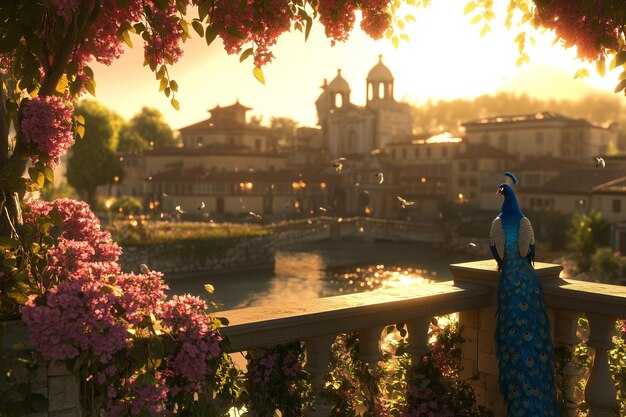
Aloita Firenzen-vierailusi suunnitelmallisesti: vietä viisi tuntia kävellen, aloita Piazza dell'Accademiasta ihaillen kattoja, suuntaa sitten perheomisteiseen trattoriaan nauttimaan grillattuja herkkutatteja ja italialaisia erikoisuuksia.
Firenze palkitsee uteliaita matkailijoita paikoilla, jotka tuntuvat eläviltä museoita. Kuten floreiza kaupunki kutsuu sinut liikkumaan pieniltä kujilta suuriin saleihin, joissa valo ja tekstuuri kertovat tarinaa. A turisti Reitti auttaa sinua vierailemaan muutamassa maamerkkikohteessa ja vertailemaan eri vuosisatojen arkkitehtuuria, roomalaisista holvikaarista varhaisen renessanssin harmonioihin. Hetki voi liikuttaa sinua, kun pysähdyt marmoripatsaan ääreen ja kuuntelet katumuusikkoa.
Viisi ehdottomasti nähtävää paikkaa muodostavat tiiviin reitin: aloita Piazza del Duomolta marmorijulkisivun luota, siirry Ponte Vecchiolle, sitten Accademian alueelle David-patsaan eteen, jatka kohti Uffizin aluetta ja päätä päivä kävelyllä Arno-joen rannalla auringonlaskun aikaan. Tämä kierros pitää turistin virkeänä ja liikuttaa kaupungin rytmi. Tämä kierros sisältää viisi pysähdyspaikkaa.
Tee päivästä löytöretki: huomaa yksi väri, yksi yksityiskohta katoissa tai yksi valon leikki kussakin pysähdyspaikassa ja vertailkaa sitten muistiinpanojasi perheen tai matkakumppaneiden kanssa. Tämä leikkisä lähestymistapa tekee vierailusta helpon seurata ja mieleenpainuvan, varsinkin kun jaatte myöhemmin kuvia.
Etsi käytännön vinkkejä matkan varrella: varaa aikaliput, tarkista virallisilta verkkosivuilta aukioloajat ja suunnittele lounas, jossa on tatteja tai grillattuja vihanneksia. Italialaiset arvostavat rentoa tempoa, joten vuorottele kävelyitä ja aterioita sen sijaan, että kiirehtisit.
Seuraavat osiot paljastavat konkreettista dataa 30 syystä rakastaa Firenzeä, käytännön reittejä ja herkullisia pysähdyspaikkoja, jotka sopivat perheet, pariskunnat tai yksin matkustavat.
Käytännön kohokohdat Firenzen taiteen, historian ja arkkitehtuurin tutkimiseen
Aloita Firenzen-reittisi Uffizin ja Accademia-gallerian ajoitetuilla lipuilla ja lähesty sitten Duomo-kompleksia. Varaa aamupäiväksi kaksi tuntia Uffiziin ja tunti Accademiaan nähdäksesi Michelangelon Daavidin, varaa liput etukäteen välttääksesi jonottamisen. Kävele Piazza della Signorialta Arno-jokea kohti ja kiipeä kupoliin nähdäksesi kaupungin näkymiä; portaat ovat raskaat, mutta panoraama on upea. Ulkona vilkas talvituuli säestää gelato-taukoja joen lähellä. Sisätiloissa esitellään freskosyklejä ja Firenzen käsityötaitoa, jotka muovaavat Firenzen taidemaailmaa.
Tutustu taiteeseen eri kaupunginosissa: Uffizin, Bargellon ja Pittin palatsien seinien sisällä on firenzeläistä sisustusta ja veistoksia; Firenzen museot kätkevät renessanssin mestariteoksia. Firenze sijaitsee Italian kaupunkien joukossa, mittakaavaltaan kompakti, mutta silti suuri. Osta aikavarauksella liput sujuvampaan päivään, suunnittele Uffiziin 2–3 tuntia ja Bargelloon 1 tunti. Firenzessä vertailet Botticellia, Tiziania ja Caravaggiota eri puolilla kohdetta, ja iltaisin ikkunoista avautuvat joelle näkymät ja Arnoa pitkin kulkee tuuli.
Arkkitehtonisia kohokohtia paljastuu liikkuessasi: Brunelleschin kupoli kruunaa katedraalin, Palazzo Vecchio hallitsee Piazza della Signoriaa ja Pitti-palatsin takana olevat Boboli-puutarhat tarjoavat upeita terasseja. Palatsien sisätiloissa on freskoja ja aikakauden huoneita, kun taas ulkopuoliset kaaret ja loggias esittelevät valon ja varjon elävää tasapainoa. Käytännöllistä suunnitelmaa varten ajoita kupoliin kiipeäminen niin, että se osuu yhteen palatsin sisätilojen vierailun kanssa, jotta voit nauttia ihmisvirrasta.
Ruoka, markkinat ja kävelyt: lähellä Mercato Centralen gelato tarjoaa virkistävän tauon galleriakierroksen jälkeen. Lampredotto-kojut reunustavat markkinakäytäviä ja tarjoavat nopean purtavan. Selaa huiveja putiikkien ja katukioskien myyntipöydiltä, muistutuksena: italialainen tyyli säilyy arjessa, ja palatsista tai paikan päältä ostetut markkinatavarat tuovat tyylikästä kotinurkkausta.
Iltaohjelman vaihtoehdot: Firenzen piazzat hehkuvat musiikin tahdissa, ja kupolit saavat ulkopuolelleen lämpimien lamppujen valoa. Kävele Arno-joen vartta auringonlaskun jälkeen ja päätä ilta upealla näköalalla kukkulan laella olevalta terassilta. Päivääsi mahtuu helposti taidetta, historiaa ja arkkitehtuuria, ja vaihtoehtoja löytyy kiireisen työaikataulun tai rennon talvikäynnin tarpeisiin. Jos kaipaat klassista ateriaa, kokeile "alla fiorentina" -annosta Oltrarnon trattoriassa.
Top 5 Firenzen nähtävyyttä lyhyen kävelyreitin varrella
Aloita osoitteesta dellaccademia–the koti Michelangelon Daavid-veistoksen–ja käytä tätä pientä silmukkaa find Firenzen historia näiden aikojen halki rakennukset kaupungin katuja pitkin keskustan alueella. Reitti löytää kourallinen maamerkkejä ja teams oppaiden joukosta voi liittyä syvempään sukellukseen, kun taas ne omatoimisesti tutkivat nauttivat eduista wines lähettyvillä. Kävelymatkaa tulee noin 4 km ja aikaa 2–3 tuntia, ja luumunväriset auringonlaskut sekä talvivalo saavat valokuvat loistamaan.
-
Galleria dell’Accademia (dellaccademia) – The gallery joka on Michelangelon Daavidin kotina, Firenzen taidehistorian kulmakivi. Suunnittele 60 minuuttia; liput maksavat yleensä 12–20 euroa (verkkovarausta suositellaan jonojen välttämiseksi). Etsi Daavidin tarkkaa anatomiaa ja ympäröiviä teoksia, jotka valottavat aikakauden työpajakäytäntöjä. Tämä pysähdys määrittää reitin tahdin ja löytää renessanssiveistosten ydin kaupungin streets.
-
Firenzen tuomiokirkko – katedraali, Battistero ja kellotorni – Kaupunkikuvan ankkuri lenkille. Kiipeä Brunelleschin kupoliin (463 askelmaa) ihailemaan upeita näkymiä tai ihaile Giotton kellotornia piazzalta. Yhdistelmälippu kattaa katedraalikompleksin noin 18–25 €. Sisällä voit tutustua kastekappelin oviin, freskoihin ja marmorilattioihin; mitä comes tunne jostakin glory punaisilla tiilikatoilla ja Arno-joen yli. Tämä pysähdys auttaa sinua find kuinka Firenze loi kertomuksensa vuosisatojen aikana.
-
Piazza della Signoria ja Palazzo Vecchio Ulkoilman veistosgalleria kaupungin historiallisessa keskustassa, jossa on Loggia dei Lanzi ja Palazzo Vecchion julkisivu. Varaa 15–25 minuuttia valokuvaukseen ja nopeaan lukemiseen kansalaisista. historia seinillä. Ota tästä jalankulkutunneli seuraavalle pysäkille. Sieltä pääset sujuvasti ja tiiviisti tutustumaan paikalliseen elämään across joki virtaa yhä kaduilla ja toreilla. Näkymä korostaa usein costumes katuesiintyjien ja energian ne jotka pitävät perinteen elossa.
-
Ponte Vecchio – Keskiaikainen silta täynnä kultasepänliikkeitä ja ikoninen näkymä Arno-joelle. Nopea ylitys (plum-colored light is common at sunset) connects you to the Oltrarno and a handful of tiny enotecas where you can pause for a wine or two. The bridge embodies a perhe of artisans who moved here centuries ago; observing their shops is a glimpse into local craft that has endured throughout Firenze’s historia ja making.
-
Uffizi Gallery – One of the world’s great art institutions, with Botticelli’s Birth of Venus and Primavera, plus works by Leonardo, Titian, and more. Reserve 90 minutes to 2 hours; tickets typically run €20–€25. The long galleries, Vasari Corridor connections, and grand rooms trace the historia of Florentine painting and making. In winter, the quiet mornings before crowds arrive offer a special chance to find details in the gallery light and what the masters comes to symbolize in those celebrated canvases.
Best times and routes to appreciate Brunelleschi’s Dome up close
Book a sunrise ascent to Brunelleschi’s Dome and start your climb before the main lines form. The morning light on the brickwork and interior frescoes reveals details that are easy to miss later, turning your visit into a memorable epiphany about Florence’s history and architecture. This work orbits around dedicated florentine craftsmanship, and being there makes you part of Fiorentina’s living story. Wear comfortable leather shoes, bring water, and pace yourself–the stairs wind and demand focus.
- Early morning (before 9:00): quieter lines, cooler air, and soft light that highlights the dome’s turning arches and brick pattern.
- Late afternoon (after 4:00): warm, golden hues on the exterior walls as you descend, a different flavor of the same close view.
- Midweek visits: steadier pace and fewer people on the routes–ideal for a focused look at medieval details and the lantern’s design.
Where you start shapes what you’ll notice. The classic interior ascent places you face to face with the dome’s original stairwork and the way Brunelleschi engineered space for visibility of the entire structure. Plan for 25–40 minutes of climbing if you move steadily; slower depending on crowding. The route rewards you with moments where you can study the turning corners, the way light travels along the brick, and the way the frescoes above reflect centuries of art influence–think of leonardo’s era and the michelangelos who followed in Florence’s footsteps.
-
Route 1 – Classic interior climb to the lantern
Start inside the cathedral and follow the narrow stairs up through a sequence of ledges and arches. Expect about 463 steps and several tight sections where you’ll lean back to pass under low ceilings. This route keeps you close to the medieval masonry and the interior decorations, ending at the lantern with a panoramic view of the city’s rooftops. It’s the most direct way to feel the dome’s proportion and the effort behind Brunelleschi’s design.
-
Route 2 – Combined stroll through Florence’s streets before the ascent
Begin with a morning circuit of the lively streets where italians and visitors mingle, then circle back to the Duomo for the dome climb. This approach lets you study the surrounding architecture, the vintage storefronts, and the way leather shops line the pedestrian routes. After the climb, take a short break at a trattoria with porcini crostini or a simple porchetta sandwich, so your energy stays high for the ascent. This route is possible for travelers who want a fuller Fiorentina experience and a softer tempo before the final view from the lantern.
Tips to maximize the close-up experience: arrive early to reduce wait time, check the official schedule for entry windows, and pair the ascent with a visit to nearby landmarks such as the Baptistery and Giotto’s Campanile to compare construction approaches across Florence’s medieval core. Your photos will capture the way the stones, mortar, and paintwork tell a story where history, craft, and human effort converge–a true epiphany in the heart of fiorentina culture. Afterward, wander the streets where vintage shops and modern cafes sit side by side, then reflect on how the dome’s turning geometry continues to inspire artists, including leonardo and michelangelos, centuries later.
Skip-the-line tips for Uffizi, Accademia, and Medici Chapels
Book timed-entry slots online for Uffizi, Accademia, and Medici Chapels and attend the earliest available window; arrive 15 minutes early, scan your QR, and head straight to security to begin your day without backtracking.
Aloita Uffizi to beat the crowds; the first hours deliver a dense historia of Florence icons and the collection becomes a living show of the city’s past. If you love this paikka, you’ll see why locals say it’s a must and you’ll want to come back for more.
In Accademia, reserve a separate ticket or a combined pass when possible; the David scene is the highlight, but the sculpture hall is compact, so plan 20–25 minutes and move on before lunch-hour crowds build. If your day is tight, attend a short guided tour within your window to avoid wandering, and consider splitting your team into two slots to cover more ground with less waiting.
At the Medici Chapels, lines are often lighter; aim for midday or late afternoon, and you’ll breeze through the chapels and the tombs of the Medici houses. The space is intimate, so a quick look at the interiors, with marble and historia, works well.
Plan a compact route to minimize back and forth: Uffizi → Accademia → Medici Chapels, then head to a gelato spot on a vintage street to cap the afternoon. With this plan you gain more time to linger in the streets and listen to street music, and you’ll feel the day ever smoother.
In winter, crowds are thinner and the day feels less rushed. Look for quiet spots along the streets, and enjoy gelato breaks without lines. Afterward, try porcini risotto at a nearby trattoria; it’s a fantastic way to finish the Florence loop, especially when tourists slow down for a moment.
Some works carry a France influence; you’ll notice Ranska-born painters and later fashions described in the guides as part of the historia of the Uffizi–perfect for looking for connections beyond Florence. As described by locals, the run through the rakennukset and surrounding houses makes the whole day feel like a living museum, a true spot for art lovers who love to explore.
источник: local guides and official sites provide these tips, vetted for accuracy and practical use.
Where to observe architectural details: facades, loggias, and ornamentation
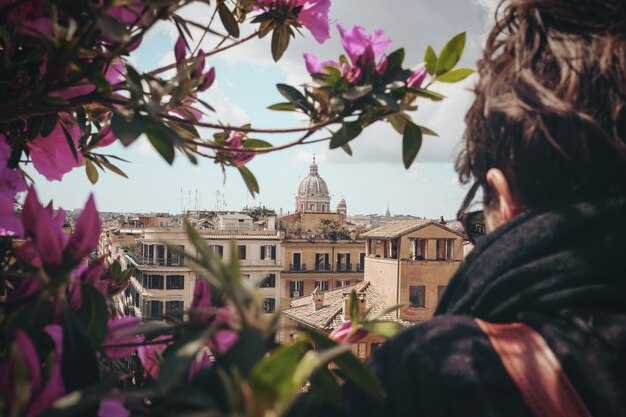
Begin your short Firenze itinerary at the Santo corner by the Pitti Palace, where a row of houses greets you with carved cornices, rusticated stone, and elegant loggias that frame the urban scene.
From there, move to Piazza della Signoria to attend the Loggia dei Lanzi and absorb the architecture and ornaments dotting the facades–sculpted putti, friezes, and medallions that tell a citys history without words. (in firenze, stone and light play with shadow.)
This short trip through central Firenze leads you toward Borgo San Jacopo to inspect the Palazzo Pitti façade, where rusticated ground floors meet symmetrical windows, and the ornamentation has played with heraldic emblems and floral motifs.
Through markets and boutiques along Via de’ Tornabuoni, you spot refined cornices and keystones; these details sit beside storefronts and boutiques, reminding you that architecture and daily life share a citys pulse. The descriptions in guides describe well how italys craft shows here and how the full display of texture has been spent over centuries.
Pause for an epiphany when a keystone reveals a crest of a family, a small detail that connects to Florence’s craft heritage and the dedicated hands that carved each element.
After you fill your itinerary with more streets, stop for gelato or a coffee at bars near a corner, and imagine how architecture sits alongside clothing shops, wine bars, and city life as you plan your next move.
To deepen the experience, attend a short guided tour focused on facades, loggias, and ornamentation–your dedicated guide helps you spot motifs you might miss on your own.
The streets are filled with life and stories, ready to be explored on foot.
| Loggia dei Lanzi | Location: Piazza della Signoria. Details: open-air loggia with Doric columns and marble cornices. Ornamentation: sculpted friezes, reliefs, and surrounding arches. |
| Palazzo Pitti façade | Location: Borgo San Jacopo / Pitti area. Details: rusticated ground floor, symmetrical windows. Ornamentation: heraldic emblems, medallions, and floral motifs. |
| Via de’ Tornabuoni facades | Location: central Florence shopping street. Details: elegant string courses and cornices. Ornamentation: carved lunettes, emblems, and frame cornices. |
| Loggia della Mercanzia | Location: Piazza della Signoria. Details: arcade with arches. Ornamentation: coats-of-arms, keystones, and decorative pilasters. |
Hidden architectural gems along the Arno: Oltrarno to Ponte Vecchio
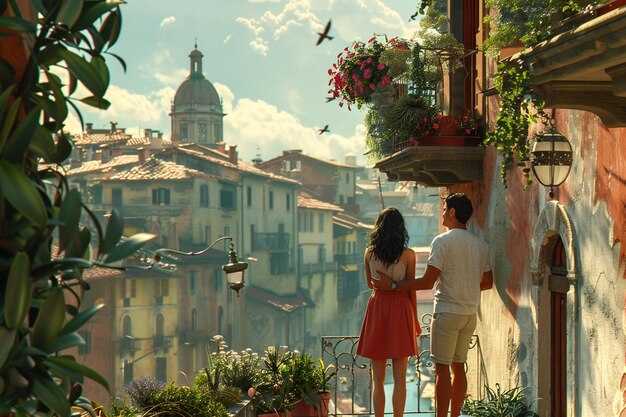
Begin your walk at Piazza Santo Spirito and follow the Oltrarno riverside toward Ponte Vecchio. A tucked-away loggia behind a modest house exists and makes a quiet river view possible, a real surprise that wasnt obvious at first glance. Do this route slowly while listening to street musicians and watching the Arno.
Along the stretch, brick buildings with Renaissance arches reveal hidden courtyards. In blazing summer light the arcades glow, and a door may open into a shaded interior garden; grab gelato from a nearby shop to pace your adventure.
Approaching Ponte Vecchio, notice stair towers and narrow doorways that reveal how the neighborhood moved and reconnected over centuries. A tiny chapel tucked behind a shopfront, and long passages linking buildings, show how bridges shape this riverfront, a pattern visible throughout the Arno. The Repubblica feature on them highlights their craftsmanship and the way this stretch remains real for locals.
Make their list of stops: 1) the hidden loggia behind the house; 2) the courtyard behind a goldsmith workshop near Ponte Vecchio; 3) the stairwell opening to a terrace; 4) the chapel tucked along a side street; 5) the arcade behind a market. dont miss a riverside trattoria where tagliatelle and a light broth pair with a glass of wine. Then pop into a gelateria for gelato and notice foulards fluttering from shop windows, with floreiza signage adding Florentine flair. During summer festa, kings of craft display wares along the quay, and Repubblica captures the scene; this is italys real spirit.