


 Azərbaycan dili
  English (UK)
  Русский
  বাংলা
বাংলা  العربية
  日本語
日本語  한국어
한국어  Magyar
  Norsk nynorsk
  Türkçe
  עִבְרִית
  Español
  Čeština
  Svenska
  Português
  Ελληνικά
  Suomi
Suomi  Nederlands
  Română
  Italiano
  Français
  Polski
  Українська
  Deutsch
  简体中文
简体中文  Slovenčina
  Српски језик
  اردو
اردو  O‘zbekcha
  አማርኛ
አማርኛ 
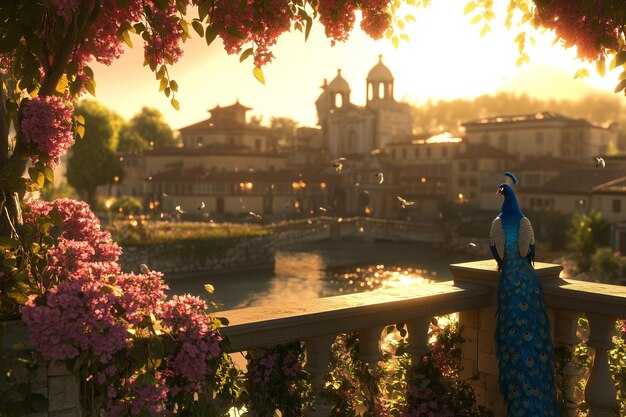
Should start your Florence visit with a focused plan: spend five hours on foot, begin at piazza dellaccademia to look up at the ceilings, then move to a family-run trattoria for grilled porcini and italian specialties.
Florence rewards curious travelers with places that feel like living museums. As floreiza would say, the city invites you to move from tiny lanes to grand rooms, where light and texture tell a story. A turist loop helps you hit a handful of landmark sites and compare architecture across centuries, from roman arches to early Renaissance harmonies. A moment can move you as you pause by a marble column and listen to a street musician.
Five must-see places form a compact route: begin at piazza del Duomo for the marble facade, move to ponte Vecchio, then to the dellaccademia site to stand before the David, continue toward the Uffizi area, and finish with a sunset walk along the Arno. This loop keeps a tourist energized and moved by the city’s rhythm. This loop includes five stops.
Turn the day into a game of discovery: note one color, one detail in the ceilings, or one trick of light at each stop, then compare notes with family or companions. This play approach makes the visit easy to track and memorable, especially when you’re sharing photos later.
Look for practical tips on the go: book timed entries, check the official site for opening hours, and plan a lunch that features porcini or grilled vegetables. italians value a relaxed tempo, so pace your walks and meals together rather than rushing.
Use this introduction as a prompt: the following sections reveal concrete data about 30 reasons to love Florence, with practical routes and tasty stops that suit ailələr, couples, or solo explorers.
Practical highlights for exploring Florence’s art, history, and architecture
Begin your Florence route with timed tickets to the Uffizi and Accademia, then approach the Duomo complex. In the morning, reserve 2 hours for the Uffizi and 1 hour for the Accademia to see Michelangelo’s David, with advance booking to dodge lines. Walk from Piazza della Signoria toward the Arno, and climb the dome for city views; the stairs are hard, but the panorama is grand. Outside, a lively winter breeze accompanies gelato breaks near the river. Interiors display fresco cycles and florentine craftsmanship shaping firenze’s art scene.
Explore art across districts: the Uffizi, Bargello, and Pitti Palace house fiorentina interiors and sculpture; museums across Firenze hold Renaissance masterpieces. Firenze sits among italys cities, compact in scale yet grand. Buy timed tickets to smooth the day, planning 2–3 hours for the Uffizi and 1 hour for Bargello. In Firenze, you’ll compare Botticelli, Titian, and Caravaggio across the site, with river views from the windows and a breeze along the Arno at evening.
Architectural highlights unfold as you move: Brunelleschi’s dome tops the cathedral, Palazzo Vecchio anchors Piazza della Signoria, and the Boboli Gardens behind Pitti Palace offer grand terraces. Inside palazzo interiors feature frescoes and period rooms, while exterior arches and loggias show a lively balance of light and shade. For a practical plan, time a dome climb with a stop at the palazzo interiors to enjoy the crowd flow.
Food, markets, and strolls: near the Mercato Centrale, gelato offers a refreshing break after gallery interiors. Lampredotto stalls line market lanes and provide a quick bite. Browse foulards in boutique stands and street kiosks, a reminder: italiys style persists in everyday life, and you can collect souvenirs from a palazzo or site market for a classy home touch.
Evening options: Firenze’s piazzas glow with music, and domes take on warm lamps outside. Take a stroll along the Arno after sunset, then finish with a grand view from a hilltop terrace. theres room to weave art, history, and architecture into your day, with options to suit a busy work schedule or a relaxed winter visit. If you crave a classic meal, try an alla fiorentina dish at a trattoria in Oltrarno.
Top 5 must-see Florence landmarks within a compact walking route
Begin at dellaccademia–the ev of Michelangelo’s David–and use this compact loop to tapmaq firenze’s history across those binalar along city streets throughout the center. The route finds a handful of landmarks and komandalar of guides can join you for a deeper dive, while onlar exploring on their own enjoy perks of wines nearby. You’ll cover about 4 km and 2–3 hours, with plum-hued sunsets and winter light making photos pop.
-
Galleria dell’Accademia (dellaccademia) – The gallery that houses Michelangelo’s David, a cornerstone of Florence’s art history. Plan 60 minutes; tickets typically range from €12 to €20 (online booking recommended to skip lines). Look for the David’s precise anatomy and the surrounding works that illuminate the workshop practice of the era. This stop sets the pace for the route and finds the essence of Renaissance sculpture in the city’s streets.
-
Duomo di Firenze – Cathedral, Baptistery, and Campanile – The skyline anchor of the loop. Climb Brunelleschi’s dome (463 steps) for sweeping views, or admire Giotto’s Campanile from the piazza. An integrated ticket covers the cathedral complex for about €18–€25. Inside, study the Baptistery doors, the frescoes, and the marble floors; what gəlir is a sense of şan over the red-tiled roofs and Arno. This stop helps you tapmaq how Firenze built its narrative across centuries.
-
Piazza della Signoria and Palazzo Vecchio – An open-air sculpture gallery in the citys historic core, featuring the Loggia dei Lanzi and the façade of Palazzo Vecchio. Allocate 15–25 minutes for photos and a quick read of civic tarix on the walls. From here, take the pedestrian passera to the next stop for a smooth, compact transition and a look at how local life across the river still moves in the streets and markets. The scene often highlights costumes by street performers and the energy of onlar who keep the tradition alive.
-
Ponte Vekkyo – The medieval bridge lined with goldsmith shops and a signature view of the Arno. A quick crossing (plum-colored light is common at sunset) connects you to the Oltrarno and a handful of tiny enotecas where you can pause for a wine or two. The bridge embodies a ailə of artisans who moved here centuries ago; observing their shops is a glimpse into local craft that has endured throughout Firenze’s tarix və hazırlanması.
-
Uffizi Gallery – One of the world’s great art institutions, with Botticelli’s Birth of Venus and Primavera, plus works by Leonardo, Titian, and more. Reserve 90 minutes to 2 hours; tickets typically run €20–€25. The long galleries, Vasari Corridor connections, and grand rooms trace the tarix of Florentine painting and hazırlanması. In winter, the quiet mornings before crowds arrive offer a special chance to tapmaq details in the gallery işıq və what the masters gəlir to symbolize in those celebrated canvases.
Best times and routes to appreciate Brunelleschi’s Dome up close
Book a sunrise ascent to Brunelleschi’s Dome and start your climb before the main lines form. The morning light on the brickwork and interior frescoes reveals details that are easy to miss later, turning your visit into a memorable epiphany about Florence’s history and architecture. This work orbits around dedicated florentine craftsmanship, and being there makes you part of Fiorentina’s living story. Wear comfortable leather shoes, bring water, and pace yourself–the stairs wind and demand focus.
- Early morning (before 9:00): quieter lines, cooler air, and soft light that highlights the dome’s turning arches and brick pattern.
- Late afternoon (after 4:00): warm, golden hues on the exterior walls as you descend, a different flavor of the same close view.
- Midweek visits: steadier pace and fewer people on the routes–ideal for a focused look at medieval details and the lantern’s design.
Where you start shapes what you’ll notice. The classic interior ascent places you face to face with the dome’s original stairwork and the way Brunelleschi engineered space for visibility of the entire structure. Plan for 25–40 minutes of climbing if you move steadily; slower depending on crowding. The route rewards you with moments where you can study the turning corners, the way light travels along the brick, and the way the frescoes above reflect centuries of art influence–think of leonardo’s era and the michelangelos who followed in Florence’s footsteps.
-
Route 1 – Classic interior climb to the lantern
Start inside the cathedral and follow the narrow stairs up through a sequence of ledges and arches. Expect about 463 steps and several tight sections where you’ll lean back to pass under low ceilings. This route keeps you close to the medieval masonry and the interior decorations, ending at the lantern with a panoramic view of the city’s rooftops. It’s the most direct way to feel the dome’s proportion and the effort behind Brunelleschi’s design.
-
Route 2 – Combined stroll through Florence’s streets before the ascent
Begin with a morning circuit of the lively streets where italians and visitors mingle, then circle back to the Duomo for the dome climb. This approach lets you study the surrounding architecture, the vintage storefronts, and the way leather shops line the pedestrian routes. After the climb, take a short break at a trattoria with porcini crostini or a simple porchetta sandwich, so your energy stays high for the ascent. This route is possible for travelers who want a fuller Fiorentina experience and a softer tempo before the final view from the lantern.
Tips to maximize the close-up experience: arrive early to reduce wait time, check the official schedule for entry windows, and pair the ascent with a visit to nearby landmarks such as the Baptistery and Giotto’s Campanile to compare construction approaches across Florence’s medieval core. Your photos will capture the way the stones, mortar, and paintwork tell a story where history, craft, and human effort converge–a true epiphany in the heart of fiorentina culture. Afterward, wander the streets where vintage shops and modern cafes sit side by side, then reflect on how the dome’s turning geometry continues to inspire artists, including leonardo and michelangelos, centuries later.
Skip-the-line tips for Uffizi, Accademia, and Medici Chapels
Book timed-entry slots online for Uffizi, Accademia, and Medici Chapels and attend the earliest available window; arrive 15 minutes early, scan your QR, and head straight to security to begin your day without backtracking.
Start at Uffizi to beat the crowds; the first hours deliver a dense tarix of Florence icons and the collection becomes a living göstər of the city’s past. If you love this yer, you’ll see why locals say it’s a must and you’ll want to come back for more.
Daxildə Accademia, reserve a separate ticket or a combined pass when possible; the David scene is the highlight, but the sculpture hall is compact, so plan 20–25 minutes and move on before lunch-hour crowds build. If your day is tight, iştirak etmək a short guided tour within your window to avoid wandering, and consider splitting your team into two slots to cover more ground with less waiting.
-da Medici Chapels, lines are often lighter; aim for midday or late afternoon, and you’ll breeze through the chapels and the tombs of the Medici evlər. The space is intimate, so a quick look at the interiors, with marble and tarix, works well.
Plan a compact route to minimize back and forth: Uffizi → Accademia → Medici Chapels, then head to a gelato spot on a vintage street to cap the afternoon. With this plan you gain more time to linger in the streets and listen to street music, and you’ll feel the day ever smoother.
Daxildə qış, crowds are thinner and the day feels less rushed. Look for quiet ləkələr boyu. streets, and enjoy gelato breaks without lines. Afterward, try porcini risotto at a nearby trattoria; it’s a Fantastik way to finish the Florence loop, especially when tourists slow down for a moment.
Some works carry a France influence; you’ll notice France-dan rəssamlar və sonralar bələdçilərdə təsvir edilən dəblər hissəsi kimi tarix Uffizi-nin idealı – mükəmməl looking Florensiyadan kənara bağlantılar üçün. Yerli sakinlərin təsvir etdiyi kimi, keçid binalar və ətrafında evlər bütün günü canlı bir muzey kimi hiss etdirir, əsl spot İncəsənəti kəşf etməyi sevən sənətsevərlər üçün.
mənbə: yerli bələdçilər və rəsmi saytlar bu məsləhətləri təqdim edir, dəqiqlik və praktik tətbiq üçün yoxlanılıb.
Arxitektura detallarına harada baxmaq olar: fasadlar, lodjiyalar və bəzəklər
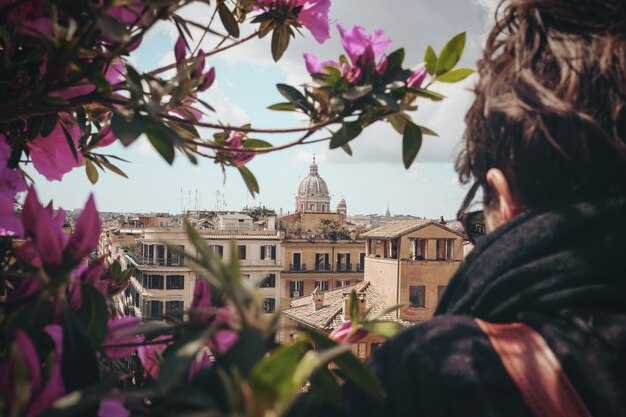
Qısa Florensiya səyahətinizi Pitti Sarayının yanındakı Santo küncündən başlayın, burada bir sıra evlər oyma karnizləri, kobud daşları və şəhər səhnəsini əhatə edən zərif lojaları ilə sizi salamlayır.
Oradan Piazza della Signoria-ya keçin, Loggia dei Lanzi-də iştirak edin və fasadları bəzəyən memarlıq və bəzəkləri mənimsəyin – şəhərin tarixini sözsüz izah edən heykəltəraşlıq puttiləri, frizlər və medalyonlar. (Firenzedə daş və işıq kölgə ilə oynayır.)
Florensiyanın mərkəzindən keçən bu qısa səyahət sizi Palazzo Pitti fasadını nəzərdən keçirmək üçün Borgo San Jacopo-ya aparır, burada kobud zəmin mərtəbələri simmetrik pəncərələrlə birləşir və bəzək heraldik emblemlər və floral motivlərlə oynayır.
Via de’ Tornabuoni boyunca bazarlarda və butiklərdə zərif karnizlər və əsas daşları görürsünüz; bu detallar mağazaların və butiklərin yanında yerləşərək, memarlıq və gündəlik həyatın şəhərin nəbzini bölüşdüyünü xatırladır. Bələdçilərdəki təsvirlər İtaliyanın sənətkarlıq nümayişinin burada necə olduğunu və teksturanın tam nümayişinin əsrlər boyu necə sərf olunduğunu yaxşı təsvir edir.
Florensiyanın sənətkarlıq irsi və hər bir elementi oyaraq yaradan fədakar əlləri ilə əlaqə yaradan kiçik bir detal olan əsas daşının bir ailə gerbini ortaya çıxardığı zaman bir aydınlanma üçün dayan.
Marşrutunuzu daha çox küçələrlə doldurduqdan sonra, küncə yaxın barlarda gelato və ya qəhvə üçün dayanın və növbəti addımınızı planlaşdırarkən memarlığın geyim mağazaları, şərab barları və şəhər həyatı ilə necə birgə mövcud olduğunu təsəvvür edin.
Təcrübəni dərinləşdirmək üçün fasadlara, lodjiyalara və bəzəklərə həsr olunmuş qısa bir bələdçi tura qatılın – sizin xüsusi bələdçiniz təkbaşına görə bilməyəcəyiniz motivləri görməyə kömək edəcək.
Küçələr həyat və hekayələrlə doludur, piyada kəşf edilməyə hazırdır.
| Loggia dei Lanzi | Yer: Piazza della Signoria. Detallar: Dorik sütunları və mərmər karnizləri olan açıq səma altında lodjiya. Bəzək: heykəltəraşlıq frizləri, relyeflər və ətrafdakı tağlar. |
| Palazzo Pitti fasadı | Yer: Borgo San Jacopo / Pitti rayonu. Detallar: kobud yonulmuş birinci mərtəbə, simmetrik pəncərələr. Bəzək: gerblər, medalionlar və floral motivlər. |
| Via de’ Tornabuoni fasadları | Yer: Florensiyanın mərkəzi ticarət küçəsi. Detallar: zərif horizontal karnizlər və kornişlər. Bəzək: oyma aypara pəncərələr, emblem və çərçivə kornişləri. |
| Loggia della Mercanzia | Məkan: Signoriya meydanı. Detallar: tağları olan arka. Bəzədilmə: gerblər, əsas daşlar və dekorativ pilastrlar. |
Arno boyunca gizli memarlıq inciləri: Oltrarnodan Ponte Vecchio-ya qədər
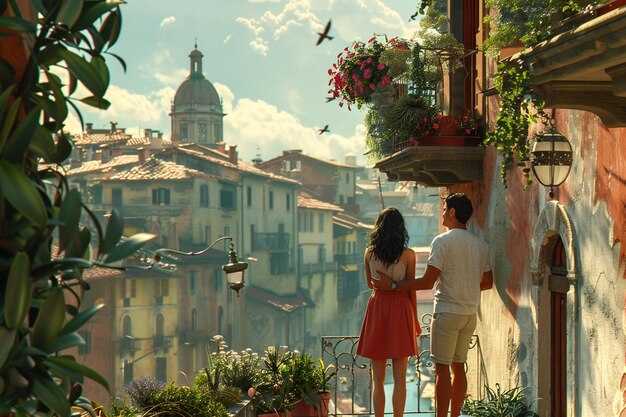
Səyahətinizə Piazza Santo Spiritodan başlayın və Oltrarno sahil xətti ilə Ponte Vecchio istiqamətində davam edin. Təvazökar bir evin arxasında gizlənmiş lojiya mövcuddur və sakit çay mənzərəsini mümkün edir, ilk baxışdan aydın olmayan əsl sürprizdir. Küçə musiqiçilərinə qulaq asaraq və Arnonu seyr edərək bu marşrutu yavaş-yavaş keçin.
Bu zolaq boyunca Renessans tağları olan kərpic binalar gizli həyətləri üzə çıxarır. Yandırıcı yay işığında arkadalar parlayır və qapı kölgəli daxili bağçaya açıla bilər; sərgüzəştinizi davam etdirmək üçün yaxınlıqdakı bir mağazadan gelato alın.
Ponte Vekkoya yaxınlaşarkən, pilləkən qüllələrinə və dar qapılara diqqət yetirin ki, bunlar əsrlər boyu məhəllənin necə hərəkət etdiyini və yenidən bağlandığını göstərir. Dükanın arxasında gizlənmiş kiçik bir kapella və binaları birləşdirən uzun keçidlər körpülərin bu sahilboyunu necə formalaşdırdığını göstərir ki, bu da Arno boyunca görünən bir nümunədir. Respublika nəşrində onların sənətkarlığı və bu hissənin yerli sakinlər üçün necə real qaldığı vurğulanır.
Onların dayanacaqları yerlərin siyahısını tərtib et: 1) evin arxasında gizli lodciya; 2) Ponte Vekkyonun yaxınlığında zərgər emalatxanasının arxasındakı həyət; 3) terasa açılan pilləkən; 4) yan küçədə yerləşən kapella; 5) bazarın arxasındakı arka. Tagliatelle və yüngül bulyonun bir qədəh şərabla uyğunlaşdığı çay kənarındakı trattorianı qaçırmayın. Sonra gelato üçün bir gelateria-ya baş çəkin və mağaza pəncərələrindən dalğalanan fularlara diqqət yetirin, floreiza lövhələri Florensiya ab-havasını əlavə edir. Yay festa zamanı sənətkarlıq kralları mallarını sahil boyunca nümayiş etdirir və Repubblica səhnəni ələ keçirir; budur İtaliyanın əsl ruhu.