


 Español
  English (UK)
  Русский
  বাংলা
বাংলা  العربية
  日本語
日本語  한국어
한국어  Magyar
  Norsk nynorsk
  Türkçe
  עִבְרִית
  Čeština
  Svenska
  Português
  Ελληνικά
  Suomi
Suomi  Nederlands
  Română
  Italiano
  Français
  Polski
  Українська
  Deutsch
  简体中文
简体中文  Slovenčina
  Српски језик
  اردو
اردو  Azərbaycan dili
  O‘zbekcha
  አማርኛ
አማርኛ 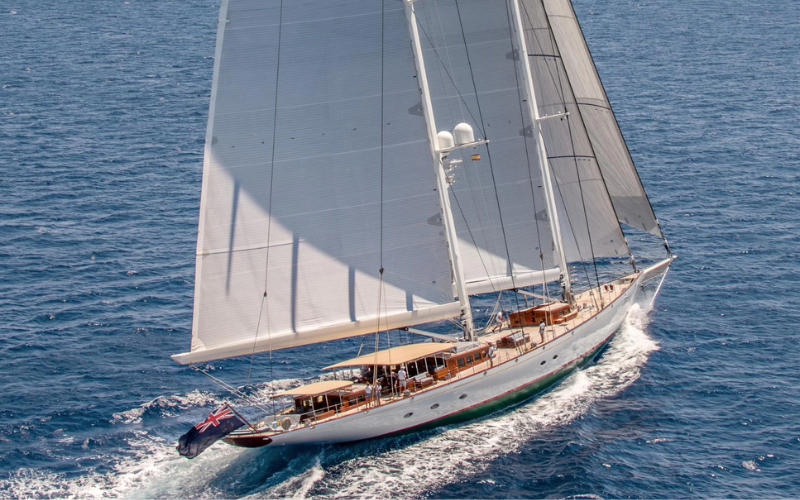 Cómo el Brexit, el mantenimiento y los nuevos propietarios están remodelando el mercado de yates clásicos">

Since Brexit, duty and VAT liabilities on transfers between the UK and EU can apply even to pre‑war yachts, creating a measurable drop in cross‑border activity and forcing buyers and brokers to factor tax, import status and registration into every transaction.
Market snapshot: supply, demand and the changing buyer
The classic yacht sector now reads more like a specialised auction house than a commoditised market: supply has increased since 2020, producing a gentle shift toward a buyer’s market in many segments. Yet prices have proved resilient overall, helped by rising new‑build costs that make well‑maintained older craft look comparatively good value. A notable structural change is the influx of nuevo owners—brokers report 30–50% of recent buyers are first‑time yacht purchasers, spanning ages and budgets.
How the market breaks down
Three practical drivers shape buying outcomes:
- Condition over pedigree: emotional attachment is common, but condition and documented maintenance are decisive.
- ¿Dónde the boat will live: availability of skilled yards and winter storage often determines long‑term costs.
- Usar profile: owner‑operator yachts demand different checks than crewed classics.
Regional and sector notes
River and traditional craft remain buoyed by strong local communities and specialist yards; motor classics have held value well; large crewed yachts face challenges in finding workforces and skilled maintenance in the Mediterranean and Floridian markets.
Preparation and due diligence: legwork that pays off
Successful purchases are grounded in rigorous preparation. Buyers who have a mind to avoid surprises will do this legwork before bidding or offering: research size, layout, rig or engine type, construction materials, and known service cycles. Brokers add value by checking ownership histories and using their networks of surveyors, yards and specialists.
Essential documents and checks
- Maintenance logs and receipts — photos, invoices and works lists are vital.
- Surveys — a condition survey must precede purchase unless fully comfortable with the risk.
- Tax and registration status — import duty and VAT implications for cross‑border sales.
- Constructor and material inspection — teak, pitch pine or bronze fittings often indicate lower long‑term risk.
Practical buying advice from sector specialists
Brokers across the traditional, modern classic and large yacht markets converge on a few core recommendations: buy a boat with provable upkeep, align the vessel with how you intend to use it, and ensure access to the right yards and technicians. For those considering a restoration, accept that projects can be rewarding but require realistic budgeting and time.
Typical pitfalls
- Insufficient survey expertise in a region.
- Underestimating running and wintering costs.
- Over‑valuing designer name over documented condition.
At a glance: representative listings
| Buque | LOA | Año | Precio |
|---|---|---|---|
| Ona II (Dunkirk Little Ship) | 36ft (11m) | 1931 | £249,000 |
| Buchanan (Prior 37) | 37ft (11.3m) | 1964 | £65,000 |
| Manitou (Sparkman & Stephens) | 62ft (18.9m) | 1937/2017 | €850,000 |
| Athos (Holland Jachtbouw schooner) | 210ft (64m) | 2010/2022 | €43,000,000 |
| Recluta (German Frers ketch) | 66ft 7in (20.3m) | 2021 | €1.95m ex VAT |
| Wisp (Stephens Waring sloop) | 40 pies (12,2 m) | 2024 | $1.1m |
| Siena (commuter yacht) | 49ft 2in (15m) | 1932 | £275,000 |
Buying checklist
- Decide intended use: day sailing, regattas, charter or private cruising.
- Request full maintenance records and verify recent works.
- Arrange a qualified surveyor with relevant classic experience.
- Confirm tax, flag state and berth options before committing.
- Factor annual upkeep, insurance and crew or marina costs into your budget.
Highlights: classic yachts combine heritage, sailing culture and tourism potential—regattas, museum visits and charter seasons bring boats to life. Still, even the best reviews and most honest broker feedback can’t replace firsthand experience; stepping aboard, sailing or chartering a similar craft reveals what photos cannot. On GetExperience, you can book experiences from verified providers with full and secure payments and receive a voucher confirmation afterwards. You may also submit requests for tailored tours or excursions, allowing providers to match offers to your preferences — a convenient way to preview classic yachting before buying. Book now GetExperience.com
In summary, the classic yacht market now features a broader base of buyers, sustained values thanks to new‑build inflation, and practical hurdles tied to tax, maintenance and regional skill availability. Buy the ownership history as much as the boat, prioritise documented upkeep, align purchase decisions with intended use and remember that tourism‑facing opportunities — from yacht parties and cruise packages to regattas and museum tours with live guides — can enhance both enjoyment and resale. Whether you seek luxury adventure travel experiences, eco‑friendly wildlife safaris ashore, interactive online cultural workshops before a voyage, or exclusive yacht charters for events, careful research will turn a purchase into a lasting travel experience and adventure activity rather than an expensive headache.