


 Ελληνικά
  English (UK)
  Русский
  বাংলা
বাংলা  العربية
  日本語
日本語  한국어
한국어  Magyar
  Norsk nynorsk
  Türkçe
  עִבְרִית
  Español
  Čeština
  Svenska
  Português
  Suomi
Suomi  Nederlands
  Română
  Italiano
  Français
  Polski
  Українська
  Deutsch
  简体中文
简体中文  Slovenčina
  Српски језик
  اردو
اردو  Azərbaycan dili
  O‘zbekcha
  አማርኛ
አማርኛ 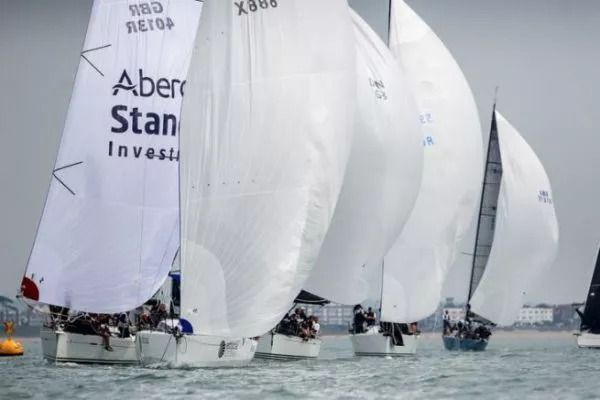 Πρακτικά απαραίτητα για ιστιοδρομίες ανοικτής θαλάσσης: IRC, OSIRIS και πώς να προετοιμαστείτε">

Race-day logistics at a glance
A typical cruiser regatta will hold a skipper’s briefing at the marina between 08:30 and 09:30, with the first warning signal scheduled for a wind window of 5–15 knots and a course length set to finish within 2–4 hours. Race committees commonly require arrival at the starting area at least 30 minutes before the first signal, and a safety check of lifejackets, jacklines and communication equipment is often enforced.
Types of regattas and where cruisers fit in
Sailing events range from short club races to long offshore challenges. For cruising yachts, typical formats include:
- Coastal races — course close to shore, convenient for day visitors and shore-side spectators.
- Round-the-island — popular for combined tourism and competition, with stops that benefit local marinas.
- Passage races — longer legs that test navigation and weather routing skills.
- Inshore regattas — short-course racing near harbors, ideal for beginners and shore-side viewing.
How these formats affect tourism
Regattas draw charter clients, yacht charter companies and spectators. Ports hosting races often see increased demand for berths, seaside accommodations and guided shore excursions. Event schedules influence ferry timetables and local transport logistics, turning a sailing event into a mini tourism season boost when paired with museum tours, island food trails or yacht parties.
Real time vs compensated time: a practical distinction
In regattas, two scorelines coexist: elapsed (real) time και corrected (compensated) time. Elapsed time is simply the clock run from start to finish. Corrected time uses a handicap formula so a diverse fleet can compete fairly. Skippers should know which scoring system the race uses before declaring tactics — a heavy cruising yacht may race conservatively in elapsed-time heats but pursue speed gains when corrected time is applied.
Measurement systems: IRC and OSIRIS compared
| Χαρακτηριστικό γνώρισμα | IRC | OSIRIS |
|---|---|---|
| Origin | International, developed in the UK | French, designed for cruiser fleets |
| Πολυπλοκότητα | Proprietary formula, certificate required | Simpler, more accessible for club racers |
| Common use | Coastal and offshore international events | Regional French and Mediterranean cruiser regattas |
| Cost | Paid measurement and rating | Often lower-cost or free to enter |
Which gauge to choose?
Επέλεξε IRC when competing internationally or when the fleet includes performance-oriented yachts; choose OSIRIS for accessible fleet racing where cruising comfort is also a priority. Organizers will state accepted ratings in the Notice of Race.
Obtaining certificates and the practical steps
- Check the Notice of Race for required rating systems (IRC, OSIRIS or local rules).
- Gather rig measurements, sail dimensions and displacement figures.
- Submit documentation to the rating authority and request a certificate well before the event.
- Attach sail numbers and prepare a measurement form for inspection at registration.
Numbers in the sails: visibility and compliance
Sail numbers must match the boat’s registration and the number on the rating certificate. Race officials may disqualify boats with incorrect or non-visible numbers. For spectator-friendly regattas, clear numbers also help charter clients and photographers identify yachts on the water.
Pre-race checklist for cruiser crews
- Safety gear: lifejackets, flares, first aid kit.
- Rig checks: shrouds, turnbuckles and halyard tensions.
- Ιστία: repair small tears, verify reefing systems.
- Πλοήγηση: updated charts, waypoints for the course.
- Comfort: secure loose gear for crew safety and morale.
Local services and planning your regatta trip
When organizing travel around a race — from crew flights to shore excursions — consider booking early for berths and accommodation. Platforms like GetExperience.com allow travelers to request custom shore tours or secure full payments with voucher confirmation afterward, which can be useful for planning spectator activities, museum tours with live guides, or post-race celebrations.
Highlights and the value of firsthand experience
Regatta participation blends navigation skill, boat preparation and a touch of competitive zest. The event exposes crews to tactics, safety practices and community traditions unique to coastal towns. Yet nothing replaces stepping aboard and racing yourself: even the best reviews and the most honest feedback can’t truly compare to personal experience. On GetExperience, you book your experience from verified providers at reasonable prices. This empowers you to make the most informed decision without unnecessary expenses or disappointments while enjoying convenience, transparency and extensive options for tours, excursions and nautical experiences. Book now GetExperience.com
To wrap up, cruiser regattas mix sport and social travel, with scoring systems like IRC και OSIRIS enabling fair competition across varied yachts. Practical preparation — from certificates and sail numbers to a solid safety checklist — keeps the focus on sailing and sightseeing. For travelers and charter guests, regattas offer attractive travel experiences, adventure activities and opportunities for museum tours with live guides, yacht parties and even luxury adventure travel experiences. Whether you aim for a beginner esports coaching sessions-style shore entertainment or an eco-friendly wildlife safari alternative on a rest day, thoughtful planning ensures a rewarding mix of competition and tourism.